How To Stay Cool In The Heat: 8 Essential Tips
Expert tips to beat extreme heat, prevent heat-related illnesses, stay hydrated, and protect your health during hot weather waves.
Extreme heat poses serious health risks, including dehydration, heat exhaustion, and life-threatening heatstroke, but simple strategies can help you stay safe and comfortable. With rising temperatures due to climate change, knowing how to regulate your body temperature is crucial for everyone, especially vulnerable groups like the elderly, children, and those with chronic conditions.
Why Staying Cool in the Heat Matters for Your Health
Hot weather stresses the body, which relies on sweating to cool down, but high humidity impairs evaporation, leading to hyperthermia—overheating that damages organs like the brain and kidneys. Heat-related illnesses range from cramps and exhaustion to fatal stroke, with hundreds of U.S. deaths annually. Staying cool maintains optimal body temperature (around 98.6°F), supports organ function, improves sleep, prevents sunburn, boosts physical performance, and enhances mood by reducing irritability from heat stress.
Beyond immediate dangers, extreme heat worsens heart disease, asthma, COPD via ground-level ozone, dehydration-related kidney issues, and mental health problems. Risk factors include obesity, heart disease, mental illness, and dehydration—many people are chronically underhydrated without realizing it, as symptoms like dark urine and fatigue mimic everyday tiredness.
Heat-Related Illnesses to Watch For
Recognizing symptoms early can save lives. Heat illnesses progress from mild to severe:
- Heat Cramps: Painful muscle tightening in stomach, arms, or legs from electrolyte loss. Cool down and hydrate.
- Heat Edema: Swelling in ankles/feet; elevate legs or seek medical help if persistent.
- Heat Exhaustion: Heavy sweating, weakness, pale/clammy skin, dizziness, nausea, thirst. Cool with AC, wet cloths, water sips; call medical help if over an hour or vomiting.
- Heatstroke: Body temperature ≥104°F, confusion, fainting, dry/flushed skin—no sweating. Emergency: Call 911, cool neck/wrists, do not give fluids.
Dehydration precedes many issues, with symptoms like headache, dry mouth, dizziness, and appetite loss. Heatstroke occurs when sweating fails, preventing cooling.
1. Drink Plenty of Water and Stay Hydrated
Hydration is the cornerstone of heat safety—sweat losses demand constant replenishment to regulate temperature, aid digestion, and prevent kidney strain. Aim for at least 64 ounces daily, more in heat; urine should be pale yellow.
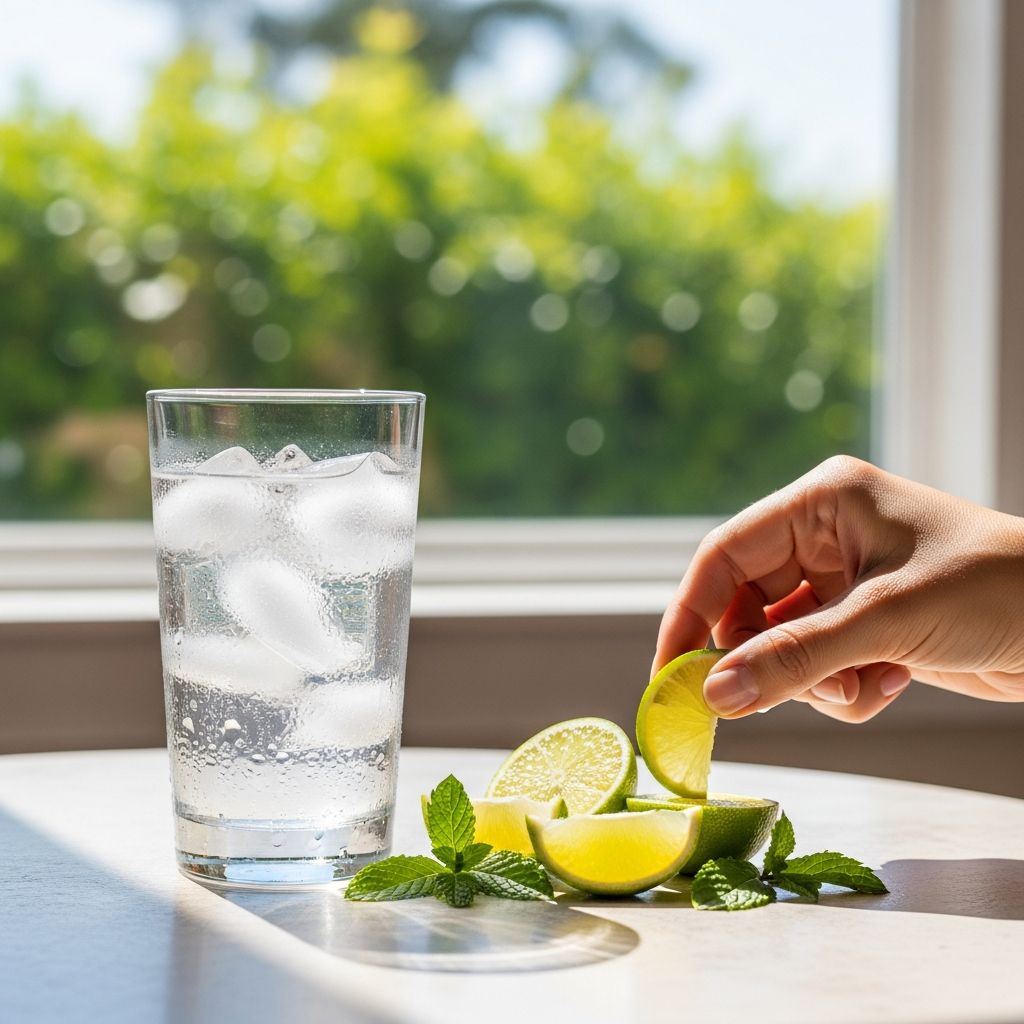
- Opt for water, herbal teas, or citrus-infused water.
- Avoid alcohol, caffeine, sugary drinks—they worsen dehydration.
- Sip regularly, don’t wait for thirst, especially 10 a.m.–4 p.m.
Check on neighbors, kids, elderly; never leave anyone/pets in cars.
2. Wear the Right Clothing
Lightweight, loose, breathable fabrics like cotton or moisture-wicking materials allow sweat evaporation. Opt for light colors to reflect sun, long sleeves/pants for UV protection, wide-brim hats, and sunglasses.
- Choose cooling clothing designed for extreme heat.
- Avoid tight/dark synthetics that trap heat.
Wet clothing or cooling towels enhance evaporation.
3. Time Your Outdoor Activities
Avoid peak heat (10 a.m.–4 p.m.); exercise early morning or evening. Limit exertion if temperature + humidity exceeds 100°F (heat index).
| Heat Index | Risk Level | Action |
|---|---|---|
| 80–90°F | Caution | Drink water, wear light clothes |
| 91–103°F | Danger | Limit activity, seek shade/AC |
| ≥104°F | Extreme | Stay indoors, monitor vulnerable |
4. Cool Your Environment
Air conditioning is most effective against hyperthermia. No AC? Use fans, close blinds, visit cooling centers (libraries, malls, community spots like those in NYC, New Haven).
Related Stories



- Keep house cool: Block sun, use exhaust fans.
- Cool body: Wet cloths on skin, cool showers/baths, foot soaks.
For sleep, fans/AC improve quality, reducing fatigue.
5. Eat Light, Cooling Foods
Heavy meals raise body heat; choose fruits (watermelon, cucumber), veggies, salads, yogurt—high water content hydrates internally. Avoid hot/spicy foods.
6. Use Fans, Misters, and Cooling Gear
Fans circulate air (effective below 95°F); misters/evaporative coolers work in low humidity. Cooling vests, neck wraps, towels provide portable relief.
7. Protect Your Skin from Sunburn
Shade + SPF 30+ sunscreen (reapply every 2 hours), protective clothing prevent burns that impair cooling and raise cancer risk.
8. Never Leave Kids or Pets in Cars
Cars heat to 120°F+ in minutes—always take keys, crack windows insufficient.
Who’s at Greatest Risk?
- Children, elderly, pregnant people.
- Those with obesity, heart disease, diabetes, mental illness.
- Outdoor workers, athletes, chronically dehydrated.
Monitor closely; heat affects medications too (e.g., diuretics increase risk).
Frequently Asked Questions (FAQs)
What are the first signs of heat exhaustion?
Heavy sweating, weakness, dizziness, nausea, clammy skin. Cool down immediately with water and shade.
How much water should I drink in hot weather?
At least 64 ounces daily, more if active/sweating; sip continuously, avoid caffeine/sugar.
Is it safe to exercise in heat?
Yes, early/late day, hydrate well, watch heat index; stop if dizzy.
What to do for heatstroke?
Call 911, move to cool area, apply cool cloths—do not give fluids.
Do fans cool you in extreme heat?
Help below 95°F by evaporation; ineffective above, use AC instead.
Additional Tips for Long-Term Heat Safety
Build tolerance gradually, check weather apps for heat alerts, stock electrolyte drinks for heavy sweat. Communities: Advocate for more cooling centers. With climate trends, preparation saves lives—stay informed via CDC/NWS.
References
- Stay Cool — NIH News in Health. 2013-07-01. https://newsinhealth.nih.gov/2013/07/stay-cool
- Very hot weather is hazardous to your health, but there are ways to stay safe — Yale School of Public Health. 2023. https://ysph.yale.edu/news-article/very-hot-weather-is-hazardous-to-your-health-but-there-are-ways-to-stay-safe/
- Tips for Keeping Cool in the Summer Heat — Cleveland Clinic Newsroom. 2025-06-20. https://newsroom.clevelandclinic.org/2025/06/20/tips-for-keeping-cool-in-the-summer-heat
- Beat the Heat: Staying Cool in the Summer for Your Health — Warren General Hospital. 2024. https://www.wgh.org/news/beat-the-heat-staying-cool-in-the-summer-for-your-health
Similar Articles








Read full bio of Sneha Tete