How To Stay Cool Indoors: Expert Tips For Summer 2025
Practical strategies to keep your home cool and protect your health during hot summer months without relying solely on air conditioning.
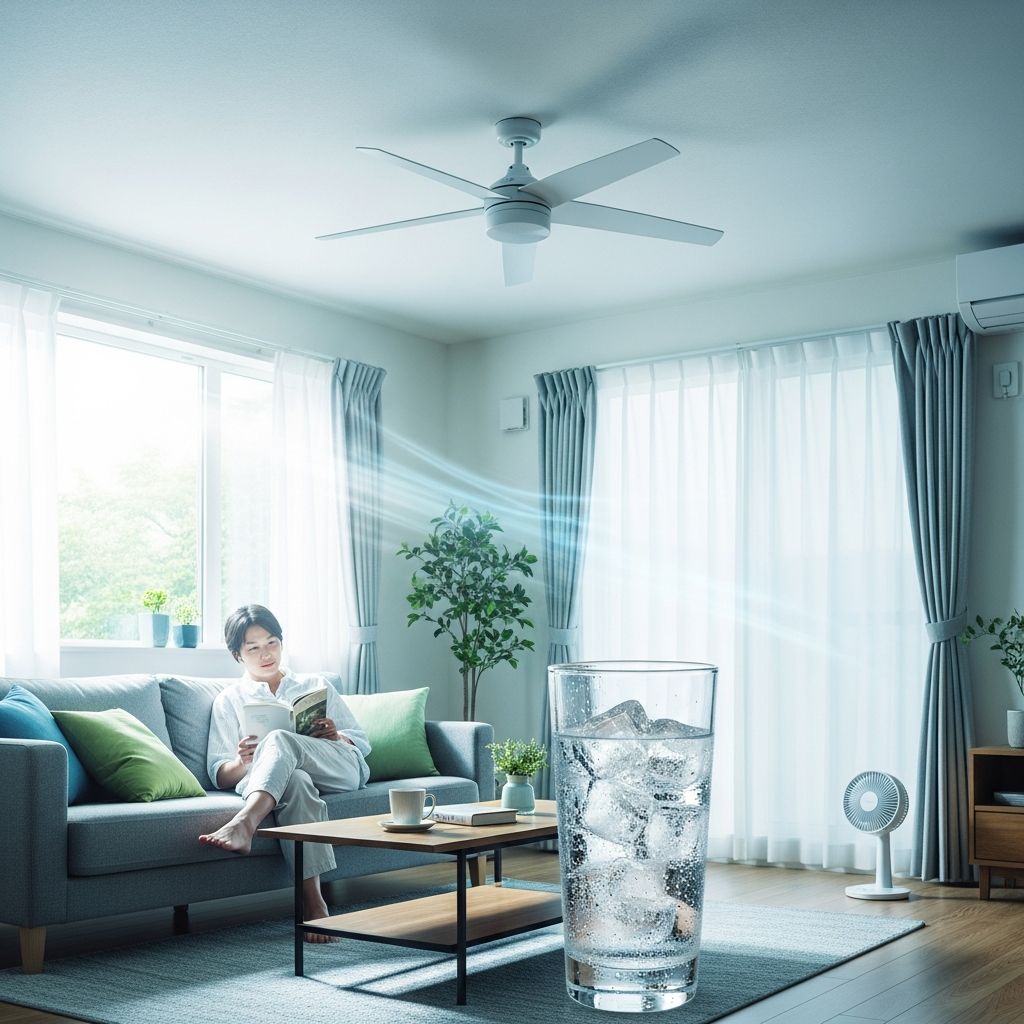
Summer heatwaves can make indoor environments uncomfortable and pose health risks, especially for vulnerable groups like the elderly, children, and those with chronic conditions. Maintaining a cool indoor space is essential for comfort and safety, with strategies focusing on insulation, ventilation, hydration, and behavioral adjustments.
Why Staying Cool Indoors Matters
High indoor temperatures, ideally kept below 32°C during the day and 24°C at night, prevent heat-related illnesses such as heat exhaustion and heatstroke. The World Health Organization emphasizes checking room temperatures at key times: 08:00-10:00, 13:00, and after 22:00 to ensure safety, particularly for infants, adults over 60, and those with heart, lung, or kidney issues. Heat stress increases heart risks, as elevated temperatures strain the cardiovascular system. The CDC recommends using air conditioning or finding cooled public spaces via 2-1-1 when indoor heat exceeds safe levels.
Keep Your Living Space Cool
Transform your home into a heat refuge by managing sunlight, airflow, and appliances effectively.
- Block out the sun during peak hours: Close windows, curtains, blinds, or shutters from morning until late evening to prevent solar heat gain. Light-colored or reflective materials are most effective.
- Ventilate at night: Open windows after dark when outdoor air cools, creating a chimney effect to flush out hot air. Use fans to enhance airflow if temperatures drop sufficiently.
- Set air conditioning wisely: Maintain 27°C with a fan for perceived cooling up to 4°C lower. Conserve energy by closing doors and windows.
- Use fans strategically: Electric fans aid cooling below 40°C; above this, they may circulate hot air and dehydrate skin. CDC advises fans only under 90°F (32°C) indoors.
- Minimize internal heat sources: Turn off unnecessary lights, electronics, and cooking appliances. Opt for no-cook meals to avoid oven-generated heat.
Move to the coolest room, often basement or ground floor, especially at night. If air conditioning is unavailable, spend 2-3 hours daily in cooled public buildings like libraries.
Stay Hydrated
Hydration is crucial as sweat evaporation cools the body, but dehydration impairs this process. Drink 1 cup of water hourly, aiming for 2-3 liters daily, even without thirst.
- Freeze water bottles for prolonged cold sips.
- Avoid alcohol, caffeine, and sugary drinks, which promote dehydration.
- Incorporate hydrating foods: watermelon, cucumber, lettuce—high-water-content options that cool from within.
Sip regularly during heatwaves; vulnerable individuals need regular check-ins to ensure intake.
Keep Your Body Cool
Personal cooling techniques complement home strategies for immediate relief.
| Method | Benefits | Tips |
|---|---|---|
| Cool showers/baths | Lowers core temperature rapidly | Use tepid water; repeat as needed |
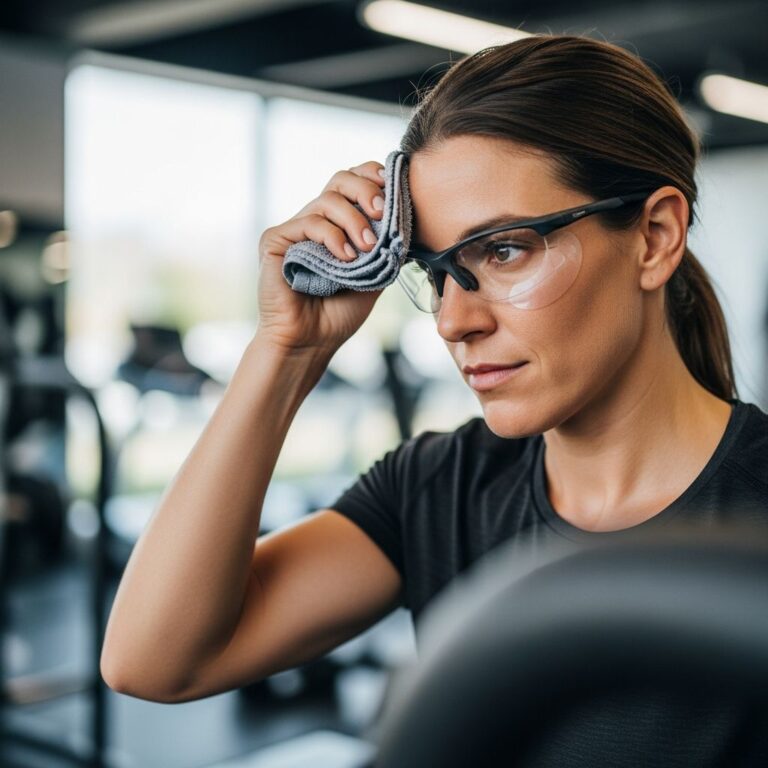
| Damp cloths/spray bottle | Evaporative cooling on skin | Target pulse points: wrists, ankles, neck, elbows |
| Light clothing | Promotes airflow to skin | Loose, light-colored cotton/linen; avoid tight synthetics |
| Cooling accessories | Blocks sun, aids evaporation | Microfiber towels, wide-brimmed hats, UV sunglasses |
Wet skin with cloths or sprays for quick relief. Eat light meals to reduce metabolic heat.
Avoid Strenuous Activity and Peak Heat
Limit exertion to coolest periods: 04:00-07:00 or evenings. Indoors, avoid heavy chores during midday heat. Rest frequently, listen to your body, and cease activity if overheated. Schedule tasks for milder times to prevent heat buildup.
Related Stories



Protect Vulnerable People
Certain groups face higher risks: older adults, infants/children, chronic illness patients, outdoor workers, and medication users.
- Dress children in loose, covering clothes with hats/sunscreen.
- Check on elderly/neighbors daily; ensure hydration/cooling.
- Never leave children/pets in vehicles.
- For chronic conditions, monitor closely as heat exacerbates heart/lung issues.
Public cooling centers offer refuge during extremes.
Recognize and Treat Heat-Related Illness
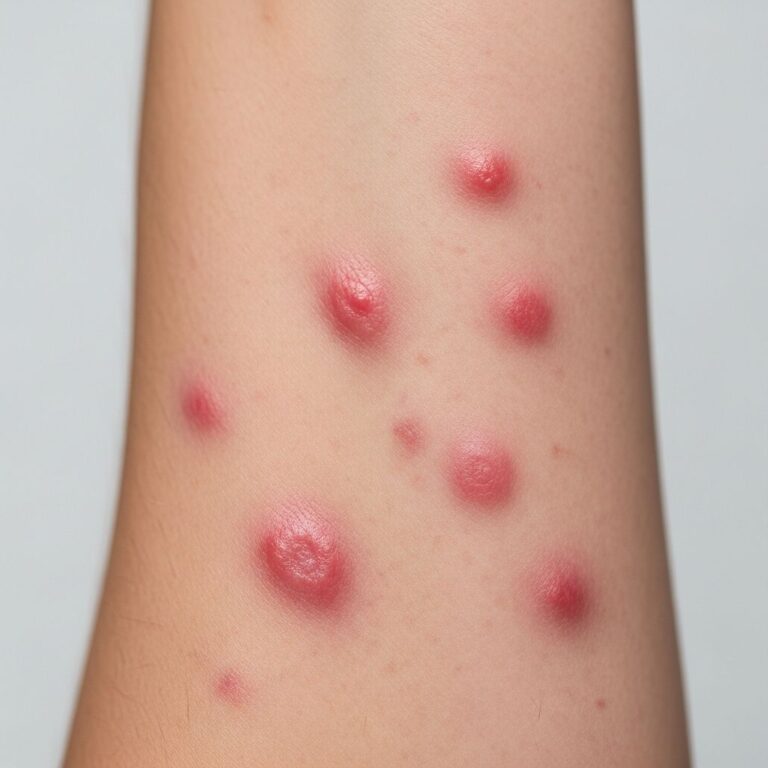
Know symptoms: heavy sweating, dizziness, nausea, rapid heartbeat, confusion. Act swiftly:
- Move to cool/shaded area.
- Apply cold wet cloths/ice packs; fan if available.
- Loosen clothing; hydrate if conscious.
- Call emergency if no improvement or severe symptoms.
Aggressive cooling buys time for help. Sunburn hinders cooling—use SPF 30+ outdoors.
Frequently Asked Questions (FAQs)
Can fans cool me down in extreme heat?
Fans help below 40°C by aiding evaporation but may worsen dehydration above; prioritize AC or shade.
How much water should I drink daily in heatwaves?
Aim for 2-3 liters, sipping hourly; more if active.
Is it safe to sleep with windows open?
Yes, at night for ventilation if outdoor air is cooler than indoors.
What foods help stay cool?
High-water fruits/veggies like cucumber, watermelon; avoid heavy/hot meals.
Who is most at risk from indoor heat?
Elderly, children, chronic illness patients, and isolated individuals.
Additional Tips for Long-Term Comfort
Install reflective window films or awnings for passive cooling. Use dehumidifiers in humid climates to ease perceived heat. Community resources like Chicago’s cooling centers provide options. Combine methods: shade + fans + hydration yields best results.
By implementing these evidence-based strategies, you can create a safer, cooler indoor environment, reducing health risks and enhancing summer enjoyment.
References
- Beating the Heat: Tips for Staying Cool and Healthy This Summer — Near North Health. 2023. https://nearnorthhealth.org/beating-the-heat-tips-for-staying-cool-and-healthy-this-summer/
- Staying Cool and Safe in the Summer Heat — Valley Health. 2025-06. https://www.valleyhealthlink.com/news/2025/june/staying-cool-and-safe-in-the-summer-heat/
- Heatwaves: How to stay cool — World Health Organization. 2024. https://www.who.int/news-room/questions-and-answers/item/heatwaves-how-to-stay-cool
- Stay Cool and Stay Safe: Summer Heat Safety Tips — CCM Health. 2024. https://ccmhealthmn.com/summer-heat-safety-tips/
- About Heat and Your Health — Centers for Disease Control and Prevention (CDC). 2025. https://www.cdc.gov/heat-health/about/index.html
- When the heat rises, so do heart risks — Patient.info. 2024. https://patient.info/features/heart-health/when-the-heat-rises-so-do-heart-risks-what-you-need-to-know
Similar Articles








Read full bio of Sneha Tete