Stay Warm This Winter: Practical Tips To Protect Your Health
Practical tips to keep warm, protect your health, and save energy during cold months without compromising wellbeing.
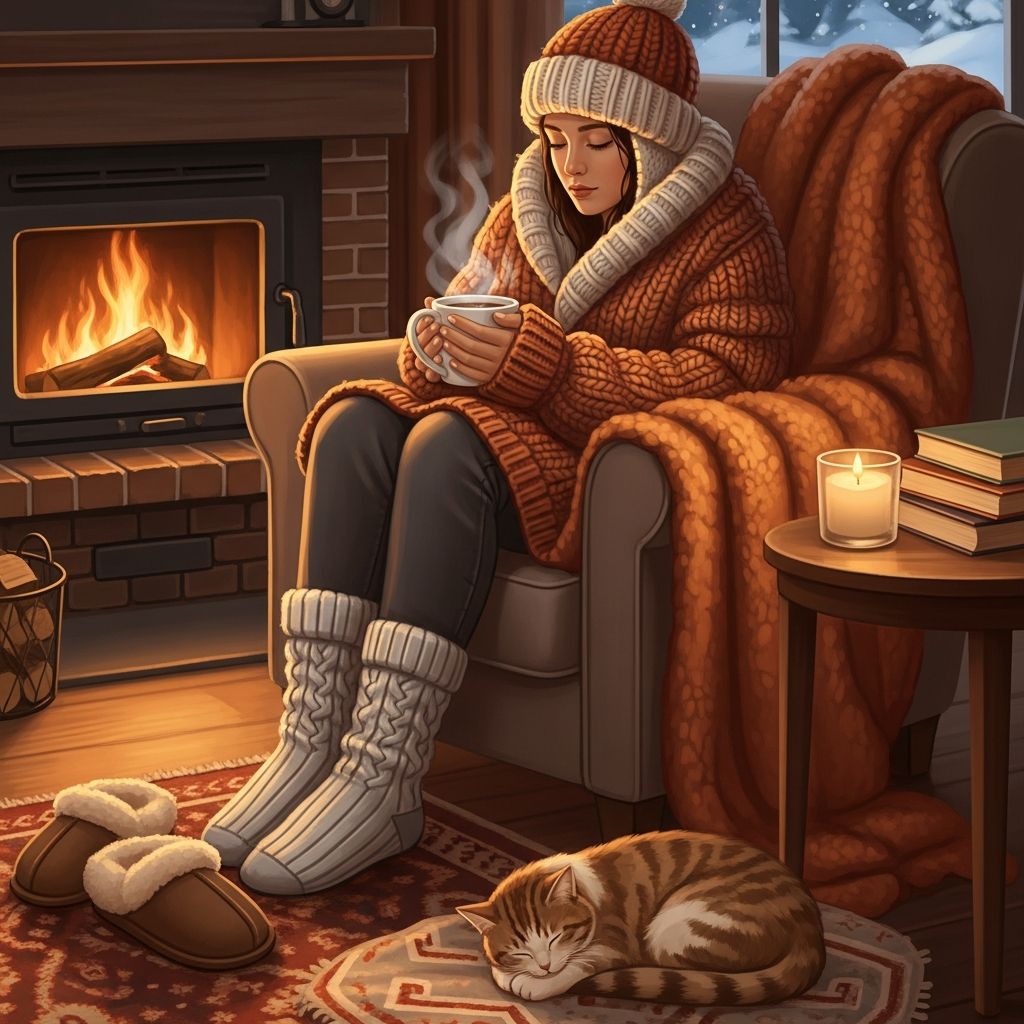
Winter brings colder temperatures that challenge our health, particularly for vulnerable groups, but simple strategies can help you stay warm while managing energy costs. With rising energy prices straining household budgets, maintaining warmth is crucial to prevent illnesses like colds, flu, and cardiovascular strain without excessive heating.
Why Staying Warm Matters for Health
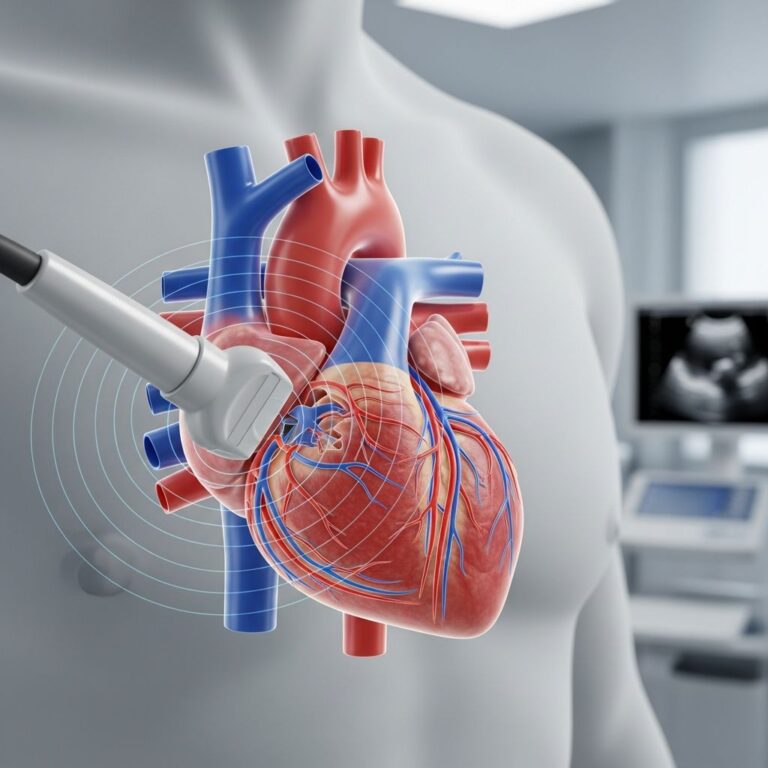
Cold weather impacts the body by constricting blood vessels near the skin’s surface, reducing blood flow and forcing the heart to pump harder to circulate oxygenated blood. This increased pressure can elevate risks of heart attacks and strokes, especially during sudden temperature drops. Older adults over 65 and those with pre-existing heart conditions face heightened vulnerability due to reduced temperature regulation and muscle mass loss.
Additionally, colder air impairs nasal cilia function below 4°C, hindering mucus clearance of viruses, which indirectly boosts winter illness rates as people gather indoors. Staying warm mitigates these risks, supports immune function, and prevents issues like hypothermia or exacerbated respiratory conditions.
Who’s Most at Risk This Winter?
- Older adults (over 65): They struggle more with temperature regulation, have weaker immune responses, and higher susceptibility to colds, flu, and pneumonia.
- People with heart conditions: Cold-induced vessel constriction strains the cardiovascular system, increasing heart attack risks.
- Children and infants: Smaller bodies lose heat faster; they may not communicate discomfort effectively.
- Low-income households: Energy cost concerns lead to under-heating, amplifying health risks.
Public health guidance emphasizes prioritizing warmth for these groups to avoid hospital admissions, which spike in winter.
Dressing for Warmth: Layering Essentials
The key to staying warm outdoors is layering thin clothes rather than one heavy garment, allowing better temperature control. Dress as if it’s 10°C warmer to account for body heat buildup during activity. Essential items include:
- Thermal base layers (underwear and socks) to wick moisture.
- Mid-layers like sweaters or fleeces for insulation.
- Windproof outer shells, scarves, hats, and gloves to cover extremities.
A scarf over the mouth and nose warms inhaled air, protecting nasal passages and easing heart strain from cold breathing. For seniors, add sock liners and heavy shirts for extra protection.
Heating Your Home Efficiently
Maintain main living areas at least 18°C, as recommended for health, especially for those over 65. Use timers on heaters, seal drafts with curtains or tape, and consider hot water bottles for targeted warmth without spiking energy use.
| Method | Benefits | Energy Tips |
|---|---|---|
| Central heating | Even warmth | Set to 18-20°C; use thermostats. |
| Hot water bottles/electric blankets | Localized heat | Turn off when not in bed. |
| Draft excluders | Retains heat | Low-cost, high impact. |
Avoid overheating, which can cause low blood pressure. Focus on used rooms only.
Diet and Hydration for Internal Warmth
Warm meals like soups, porridge, or stews generate internal heat. Hot drinks (tea, coffee, herbal infusions) provide comfort and hydration without excess calories. Aim for one hot meal daily.
Related Stories



Nutritious foods support immunity: include fruits, vegetables for vitamin C, and whole grains. Contrary to myths, vitamin C from diet aids general health but high supplements offer little extra benefit beyond peeing out excess. Avoid alcohol; it creates a false warmth sensation while lowering core temperature and impairing judgment.
Staying Active Safely in the Cold
Light exercise generates body heat and combats sedentary winter habits. Indoor activities like yoga or marching in place suffice for most. Outdoors, warm up muscles first, pace yourself, and layer appropriately.
For shoveling snow, bend knees, keep back straight, lift with legs, and work in layers to avoid heart strain. Runners should brave initial chill by dressing for 10°C warmer temps. Consult doctors if you have heart issues before vigorous activity.
Protecting Your Heart from Cold Weather
Cold constricts vessels, raising blood pressure and heart workload. Limit outdoor time, especially for at-risk groups. When venturing out, cover fully and preheat homes before exiting.
Monitor for symptoms like chest pain or shortness of breath. Those with cardiovascular history should prioritize warmth to reduce attack risks, which rise in winter.
Debunking Winter Health Myths
Myth: Cold weather gives you a cold. Viruses spread indoors; cold impairs nasal defenses.
Myth: Lose 50% heat from head. Actually 7-10%; hats still help.
Myth: Starve a fever. Eat nutritious food for recovery.
Myth: Flu jab causes flu. It’s inactivated; protects against severe illness.
Special Tips for Seniors and Vulnerable Groups
Seniors benefit from community warmth schemes, regular check-ins, and layered clothing including thermals. Ensure adequate heating; under-heating links to higher mortality. Infants need wrapped, skin-to-skin contact for warmth.
Energy-Saving While Staying Healthy
With high bills, use rugs on floors, LED bulbs, and double-glazing equivalents like bubble wrap on windows. Government schemes may offer grants for insulation or heaters—check eligibility.
Frequently Asked Questions (FAQs)
Q: What temperature should my home be in winter?
A: At least 18°C in main rooms, higher (20°C) for over 65s or ill individuals.
Q: Does alcohol warm you up?
A: No, it lowers core temperature despite feeling warmer; avoid it in cold.
Q: Can cold weather cause a heart attack?
A: It increases risk by constricting vessels and stressing the heart, especially for at-risk people.
Q: How to layer clothes effectively?
A: Base wicking layer, insulating mid-layers, waterproof outer; hat, scarf, gloves essential.
Q: Is vitamin C a winter must?
A: Get from diet; supplements unnecessary for most with balanced eating.
Q: Safe exercise in cold?
A: Light activity yes; warm up, layer, avoid overexertion. Shovel snow carefully.
This comprehensive guide empowers you to face winter healthily. Prioritize warmth to safeguard against cold’s hidden dangers.
References
- This is what cold weather does to your heart — Patient.info. 2019-12-04. https://patient.info/features/heart-health/this-is-what-cold-weather-does-to-your-heart
- How to maintain your running routine in winter — Patient.info. N/A. https://patient.info/features/healthy-living/how-to-maintain-your-running-routine-in-winter
- How Seniors Can Stay Warm In Winter — Avon Health Center. N/A. https://www.avonhealthcenter.com/news/senior-health/seniors-warm-winter/
- Can cold weather make you ill? And other winter myths — Patient.info. N/A. https://patient.info/features/general-health/can-cold-weather-make-you-ill-and-other-winter-myths
- Tips on Staying Warm This Winter — ACCESS Physical Therapy & Wellness. N/A. https://accessphysicaltherapywellness.com/blog/tips-on-staying-warm-this-winter/
- When Snow Has Got to Go; Exercise Caution During Snow Removal — St. Peter’s Health Partners. N/A. https://news.sphp.com/wellness/livesmart-when-snow-has-got-to-go-exercise-caution-during-snow-removal/
Similar Articles








Read full bio of Sneha Tete