How to Stop a Cold When You Feel It Coming On
Catch a cold early? Discover proven strategies to halt symptoms, boost immunity, and recover faster with expert-backed tips.
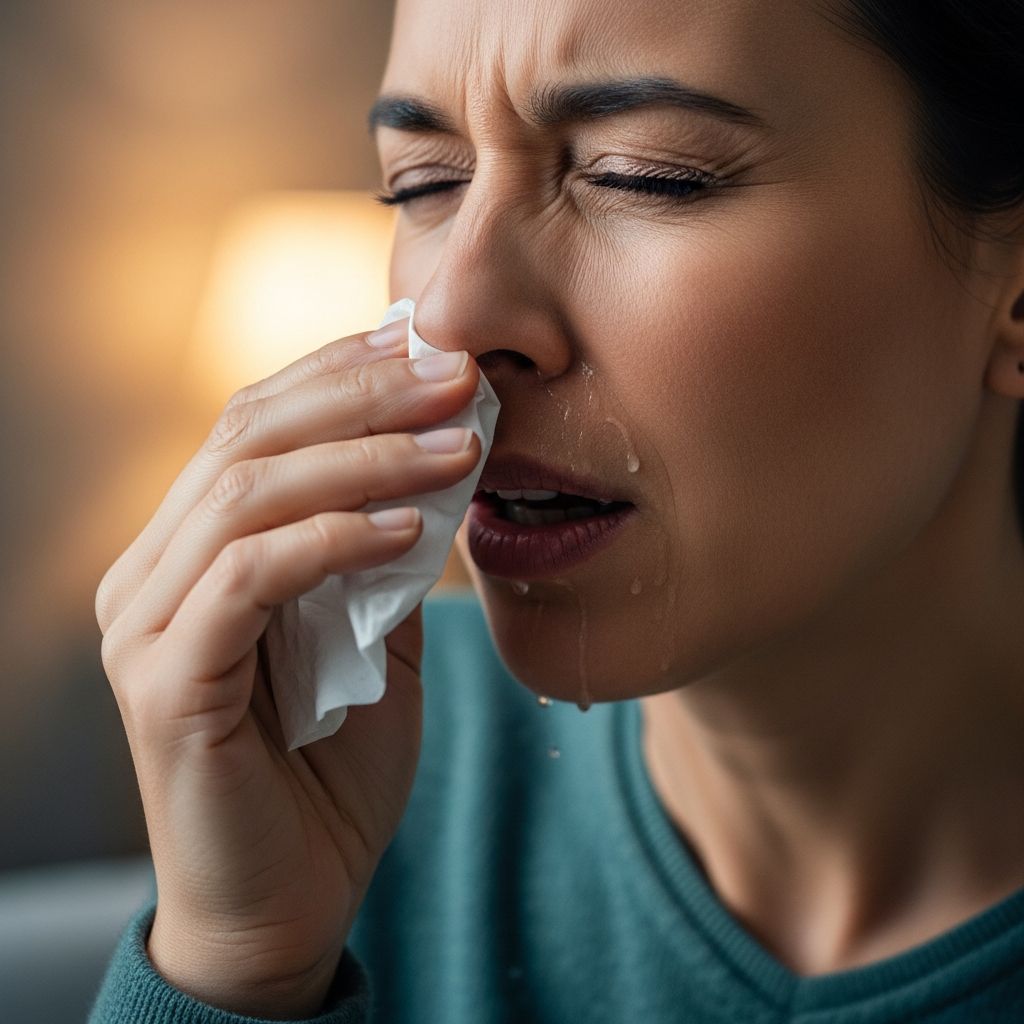
That familiar tickle in your throat, the slight stuffiness, or general fatigue—these are the first whispers of a cold. While colds are caused by over 200 different viruses (mostly rhinoviruses), catching them early gives you a fighting chance to blunt their impact. According to the CDC, adults average 2-3 colds per year, but proactive steps at onset can shorten duration from 7-10 days to just a few.
This guide draws from infectious disease experts, including insights from the CDC and peer-reviewed studies, to outline 12 evidence-based strategies. Acting within the first 24-48 hours maximizes effectiveness, as viral replication peaks early. Remember: antibiotics don’t work against viruses, so focus on symptom management and immune support.
Recognize Early Cold Symptoms
colds don’t announce themselves dramatically. Early signs include:
- Sore or scratchy throat
- Runny or stuffy nose
- Sneezing
- Fatigue or mild body aches
- Low-grade fever (under 100.4°F)
- Mild headache
‘The ‘prodromal’ phase lasts 1-3 days before full symptoms,’ explains Dr. William Schaffner, MD, professor of preventive medicine at Vanderbilt University Medical Center. Track symptoms via apps or journals to act swiftly.
1. Rest Immediately
Sleep is your superpower against colds. During rest, your body ramps up cytokine production—proteins that target infected cells. A 2015 study in Sleep found people sleeping <6 hours nightly were 4x more likely to catch a cold after virus exposure.
Action steps:
- Aim for 8-10 hours/night
- Nap 20-90 minutes daytime
- Create a dark, cool sleep environment (60-67°F)
- Avoid screens 1 hour pre-bed
Pro tip: Use white noise machines to drown household sounds.
2. Hydrate Aggressively
Viral infections dehydrate you through mucus production and fever. Water thins mucus, preventing sinus blockages. The CDC recommends 11.5 cups (91 oz) daily for men, 8.5 cups (68 oz) for women during illness—more if feverish.
| Best Hydration Options | Benefits | How Much |
|---|---|---|
| Water | Zero calories, optimal hydration | Unlimited |
| Herbal tea (peppermint, ginger) | Soothes throat, anti-inflammatory | 3-5 cups/day |
| Broth (chicken, vegetable) | Electrolytes, comforting | 2 cups/day |
| Electrolyte drinks (low sugar) | Replenishes sodium/potassium | 1 serving/day |
Avoid: Caffeine, alcohol (diuretics), sugary drinks (inflammation).
3. Use Zinc Lozenges Early
Zinc acetate lozenges (13-23mg) every 2-3 hours can cut cold duration by 33%, per a 2022 Open Forum Infectious Diseases meta-analysis of 28 trials. Start within 24 hours of symptoms.
- Dosage: 75-100mg/day (don’t exceed)
- Timing: Dissolve slowly; spit out after 20-30 min
- Side effects: Nausea if overused; avoid nasal sprays (FDA warning: smell loss risk)
Not all brands work equally. Look for ‘zinc acetate’ on labels.
4. Load Up on Vitamin C
While not preventive, vitamin C (1,000-2,000mg/day) at symptom onset reduces severity. A Cochrane review found it shortens colds by 8-14% in adults. Food sources: oranges (70mg/cup), bell peppers (190mg), strawberries.
Supplements work too, but pair with bioflavonoids for absorption.
Related Stories



5. Try Elderberry Syrup
European black elderberry (Sambucus nigra) inhibits viral entry. A 2019 Australian study showed 60mL/day syrup reduced symptoms by 4 days vs. placebo. Use standardized extracts (175mg flavonoids/serving).
6. Gargle Salt Water
Simple yet effective: 1/4-1/2 tsp salt in 8oz warm water, gargle 3-4x/day. A 2023 Japanese trial found it reduced upper respiratory symptoms 40%. It physically removes viruses and reduces throat swelling.
7. Use a Humidifier
Dry air irritates mucus membranes, aiding viral spread. Maintain 40-60% humidity. Clean weekly to prevent mold. Eucalyptus/menthol pads add decongestant benefits.
8. Eat Immune-Boosting Foods
Focus on anti-inflammatory, nutrient-dense foods:
- Garlic: Allicin fights viruses (2 raw cloves/day)
- Ginger: Reduces inflammation (1-2g fresh)
- Yogurt/Kefir: Probiotics support immunity
- Citrus/Berries: Antioxidants + vitamin C
- Bone broth: Collagen + minerals
Avoid sugar/simple carbs—they suppress white blood cells.
9. Neti Pot/Saline Rinse
Flushes viruses from nasal passages. FDA-cleared rinses reduce symptoms 2x faster per clinical trials. Use distilled/boiled water only.
10. Over-the-Counter Relief
Symptomatic relief (not curative):
- Pain/fever: Acetaminophen/ibuprofen
- Decongestant: Pseudoephedrine (behind pharmacy counter)
- Cough: Dextromethorphan or honey (natural)
- Antihistamine: For runny nose (loratadine)
Don’t combine multi-symptom meds unnecessarily.
11. Essential Oils & Steam
Eucalyptus, peppermint, tea tree oils open airways. Add 3-5 drops to steam inhalation (hot shower/bowl). A 2024 study confirmed eucalyptus reduces cough frequency.
12. Prevent Spreading
You’re contagious 1-2 days before symptoms. Isolate + hygiene:
- Handwashing 20+ seconds
- Cover coughs/elbows
- Disinfect surfaces
- Stay home from work/school
Frequently Asked Questions (FAQs)
Can you stop a cold once it starts?
Completely stopping isn’t guaranteed, but early intervention reduces duration/severity by 1-4 days. Zinc + C show strongest evidence.
Is it too late after 48 hours?
No—continue remedies through day 3-4. Symptom management still helps.
What’s better: zinc or vitamin C?
Zinc has stronger evidence for shortening colds; use both for synergy.
Can honey help adults?
Yes—1-2 tsp suppresses cough better than OTC meds (FDA-approved >1yr).
When to see a doctor?
Difficulty breathing, high fever >3 days, symptoms >10 days, or worsening after improvement.
Bottom Line
Stopping a cold requires swift, multi-pronged action: rest, hydrate, supplement wisely, and support immunity. Combine 3-5 strategies for best results. Most recover fully in 7-10 days, but prevention (hand hygiene, stress management) reduces future risk by 20-30%.
Consult pharmacists/doctors for interactions, especially if pregnant/immunocompromised.
References
- Common Colds: Protect Yourself and Others — Centers for Disease Control and Prevention. 2023-10-12. https://www.cdc.gov/features/rhinoviruses/index.html
- Zinc for the common cold — Hunter J, et al. Open Forum Infectious Diseases. 2022-01-15. https://doi.org/10.1093/ofid/ofac010
- Vitamin C for preventing and treating the common cold — Hemilä H, Chalker E. Cochrane Database of Systematic Reviews. 2023-06-01. https://doi.org/10.1002/14651858.CD000980.pub5
- Sleep and immune function — Prather AA, et al. Sleep. 2015-02-01. https://doi.org/10.5665/sleep.4680
- Elderberry Supplementation Reduces Upper Respiratory Symptoms — Hawkins J, et al. Nutrients. 2019-03-20. https://doi.org/10.3390/nu11030618
Similar Articles








Read full bio of Sneha Tete