How to Stop Dry Skin Ruining Your Winter
Combat winter dryness with expert strategies: understand causes and discover effective treatments.
Many of us experience dry skin from time to time, but this common condition often worsens significantly during winter months when we face extreme temperature fluctuations and the drying effects of central heating. Understanding the underlying causes of winter-related dry skin and learning evidence-based treatment approaches can help you maintain healthy, comfortable skin throughout the cold season. This comprehensive guide explains what causes dry skin in winter and provides practical strategies for effective treatment.
Understanding Dry Skin: Definition and Symptoms
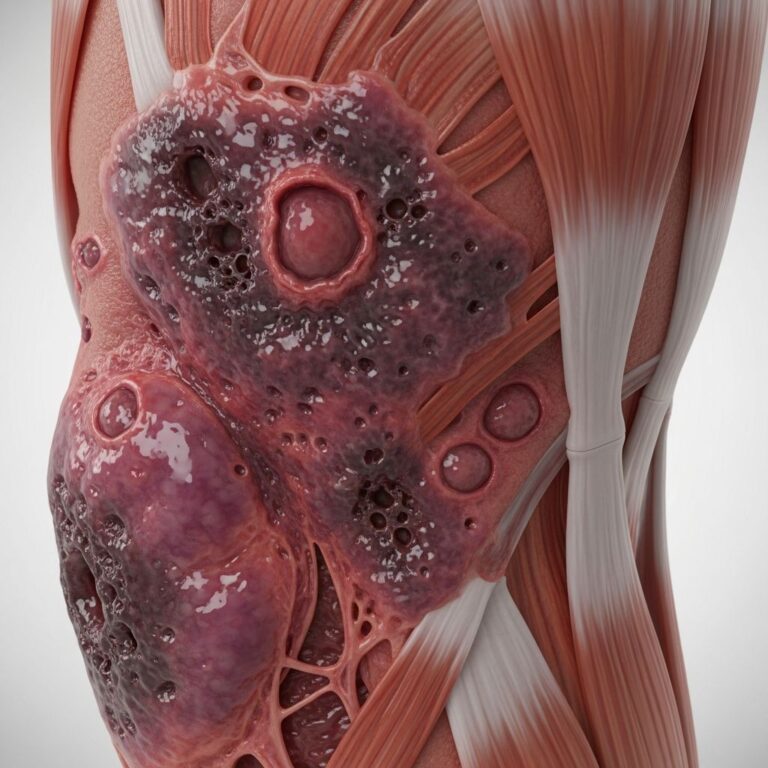
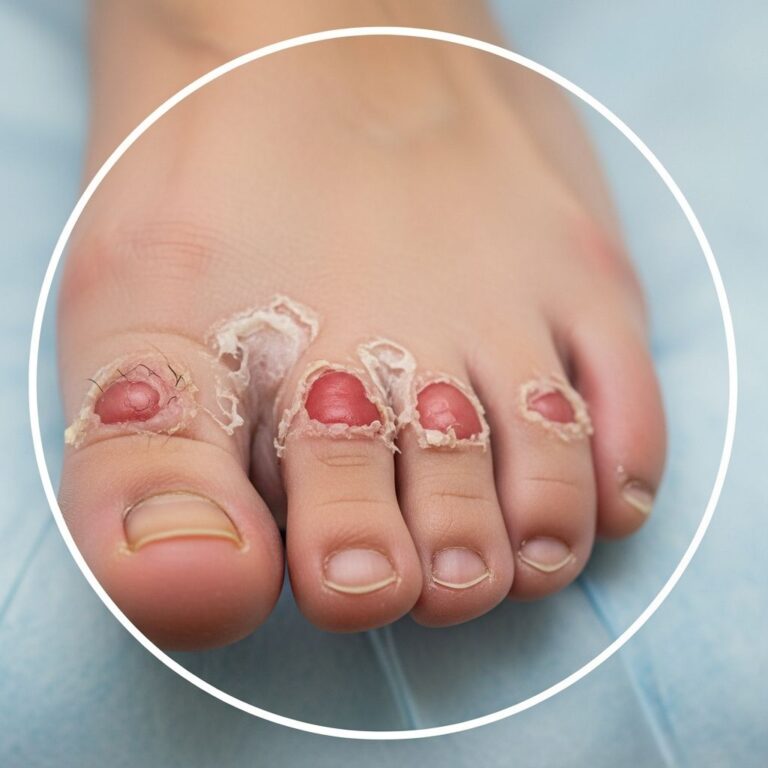
Dry skin, medically known as xerosis, is characterized by insufficient water content in the skin’s outer layers. This condition manifests through various uncomfortable symptoms that can significantly impact your quality of life and skin appearance. Common symptoms include roughness, flakiness, itchiness, redness, and visible cracks in the skin. These symptoms often worsen after exposure to hot water, such as following hot showers or swimming activities.
Dermatologists recognize a specific winter-related condition called Winter Xerosis or Winter Itch, which becomes particularly pronounced during the colder months. This temporary condition differs from chronic skin diseases, though the symptoms may appear similar to other skin conditions like eczema.
Why Winter Causes Dry Skin
Winter creates a “perfect storm” for dry, irritated skin by combining multiple environmental and physiological factors. Understanding these mechanisms helps explain why your skin struggles during colder months.
Environmental Humidity and Moisture Loss
During winter, ambient humidity levels drop significantly, accelerating moisture loss from the skin. When humidity falls below 10 percent, dry skin symptoms become increasingly prevalent. The skin’s moisture is retained by a protective layer called the stratum corneum, which functions like a brick wall composed of skin cells held together by proteins and fats. When humidity drops, water more easily escapes through this barrier via evaporation, leading to dehydration and discomfort.
Cold Winds and Barrier Damage
Icy winter winds further compromise the skin’s protective barrier, actively stripping essential oils from the surface. These natural oils, produced by the sebaceous glands, are already reduced during darker months, creating a compounding effect that exacerbates moisture loss. The combination of cold air and wind represents one of the most damaging environmental factors for winter skin health.
Central Heating Effects
Adding to environmental challenges, the central heating systems we rely on during winter create very dry indoor environments. As we constantly transition between cold outdoor temperatures and warm, heated indoor spaces, our skin experiences continuous stress from humidity fluctuations. Both environments independently dry skin, and the repeated transitions intensify the drying effect.
Seasonal Changes in Oil Production
Your sebaceous glands naturally produce less oil during winter months. During warmer months, your “summer skin” tends to be thinner and more hydrated because warm air holds more moisture, and oil-producing glands generate more natural oils that keep skin supple. When sebum production reduces in winter and combines with cold, wind, and heating effects, the drying impact may exceed your skin’s ability to cope.
Related Stories



Reduced Sunlight and Circadian Disruption
The shorter daylight hours during winter impact numerous bodily systems with visible effects on skin. Changes in light-dark cycles disrupt circadian rhythms, which affect everything from sebum production to barrier recovery. Additionally, reduced sunlight diminishes Vitamin D synthesis, which is crucial for skin repair and maintenance.
Common Winter Skin Conditions
Dry skin varies significantly in severity and underlying cause, ranging from temporary winter itch to chronic skin diseases. The most common form of disease causing dry skin is eczema, though other conditions contribute as well.
Eczema (Atopic Dermatitis)
Many studies demonstrate a relationship between cold weather and flare-ups in people with atopic eczema. Dryness serves as the primary symptom regardless of season, so winter weather that causes further dryness triggers eczema flare-ups in susceptible individuals. For winter management of eczema, experts recommend using generous amounts of moisturizers on exposed areas before going outside. If your shins or other areas appear dry and flaky, apply emollients to these areas as well, always in the direction of hair growth to prevent clogging follicles.
Psoriasis
Psoriasis is an autoimmune disease activated when the body’s defenses heighten, causing red, raised, and scaly patches on the skin. People with psoriasis often notice their condition becomes more challenging to manage during winter months because dry air combined with lack of sunshine during shorter, darker days contributes to flare-ups. Managing psoriasis in winter involves refraining from touching your face frequently, shielding your face with a scarf in bitter weather, using gentle moisturizers, and avoiding steroid creams or products that block oil and sweat glands.
Winter Itch
Winter itch occurs when skin dries out so severely that it becomes intensely itchy and uncomfortable, resulting in red rashes, scaly skin, or bumps. While these symptoms resemble eczema, winter itch differs significantly because it is purely a temporary effect of cold weather rather than a long-term condition. Anyone may experience winter itch, and it usually resolves quickly without intervention. Regular moisturizing typically soothes winter itch, and avoiding wool or flannel clothing that may irritate sensitive skin helps prevent flare-ups.
Acne
Most people associate acne with oily skin, but dry skin in winter can also cause acne. This complaint results from clogged pores, and dry skin causes a buildup of dead skin cells that can obstruct pores. Additionally, dry skin makes pores more likely to break open, allowing bacteria to enter and cause acne.
Other Conditions
Additional causes of dry skin include psoriasis, lichen planus, lichen sclerosus, diabetic dermopathy, dermatitis, and dryness linked to hypothyroidism. Allergies can also worsen or cause dry skin, including allergic contact dermatitis and hives. Notably, some allergy medications, particularly antihistamines, contribute to skin dryness as a side effect.
Product-Related Dry Skin
Certain skincare products and ingredients can cause or worsen dry skin through their stripping effects on natural oils and skin barriers. Products containing active ingredients like alpha-hydroxy acids (AHAs), beta-hydroxy acids (BHAs), retinol, benzoyl peroxide, and sulfates frequently result in product-induced dry skin. If you use these ingredients regularly, you may need to reduce frequency or discontinue use during winter months to prevent excessive dryness.
How to Treat Dry Skin in Winter
If you haven’t been diagnosed with a specific allergy or skin disease, regular moisturizing represents the best approach for treating dry skin and preventing further dryness.
Moisturizers: The First Line of Treatment
Moisturizers form the foundation of dry skin treatment and can be chosen from multiple formulation types. You can select between creams, ointments, or gels based on your preferences and skin type. A key principle to remember: the greasier the product, the more efficient it is at retaining moisture. While ointments may feel too greasy for some people’s preferences, they offer the benefit of requiring less frequent application and smaller amounts per use.
Ointments provide superior moisture retention compared to lighter formulations, making them particularly valuable during harsh winter months. Creams offer a middle ground between efficacy and greasiness, while gels work best for individuals who find heavier products uncomfortable.
Bathing and Water Exposure
Your bathing habits significantly impact winter skin dryness. Taking short, cold showers and avoiding long, hot baths helps prevent moisture loss from your skin. Very hot water can dry out your skin significantly, and prolonged showers increase the likelihood of developing skin dryness. By keeping water exposure brief and at moderate temperatures, you preserve your skin’s natural moisture.
Protective Measures
Beyond moisturizing, several protective strategies help minimize winter’s drying effects on your skin. Wearing gloves protects your hands from harsh wind and cold exposure, while scarves shield your face. Ensuring gloves and socks remain dry prevents additional moisture loss. Using a humidifier indoors helps counteract the drying effects of central heating by increasing ambient humidity levels.
Sun Protection in Winter
Despite the cold, protecting your skin from ultraviolet radiation remains vital. The winter sun reflecting off snow and ice can be just as harmful as summer sun exposure. Continue applying sunscreen during winter months to prevent additional skin damage and photoaging.
When to Seek Professional Help
Dermatologists diagnose dry skin through clinical evaluation, patient history, and additional testing when necessary. During an examination, dermatologists assess your skin’s appearance, texture, and elasticity. Your doctor will ask about your personal and family skin history, bathing habits, diet, medications, and irritant exposure. Based on this comprehensive assessment, a tailored treatment plan addressing your individual skin concerns is developed.
If over-the-counter moisturizers prove ineffective for winter itch symptoms, you can purchase mild steroid creams from your pharmacy. If these remain ineffective and your symptoms persist or become particularly uncomfortable, your GP can prescribe stronger medications. For severe eczema flare-ups triggered by winter dryness, GPs can prescribe topical cortisone creams, inflammation-reducing medications, skin barrier creams, or immunomodulating medications.
Key Takeaways for Winter Skin Care
- Winter dry skin results from multiple environmental and physiological factors working together
- Regular moisturizing with creams, ointments, or gels forms the foundation of treatment
- Greasier moisturizer formulations are more efficient at retaining skin moisture
- Short, lukewarm showers prevent additional moisture loss compared to long, hot baths
- Protective gear like gloves and scarves shields skin from harsh winter elements
- Humidifiers help counteract indoor heating’s drying effects
- Sunscreen remains important even during winter months
- Specific skin conditions like eczema and psoriasis require tailored winter management strategies
- Professional dermatological care should be sought if symptoms persist despite home treatment
Frequently Asked Questions
Q: Why does my skin get so much drier in winter than other seasons?
A: Winter causes dry skin through multiple mechanisms: reduced ambient humidity (often below 10 percent), cold winds that strip protective oils, indoor central heating, naturally reduced sebum production, and shortened daylight hours disrupting skin’s repair processes. The combination of these factors creates particularly challenging conditions for skin hydration.
Q: Is winter itch the same as eczema?
A: No, while winter itch and eczema produce similar symptoms like itching, redness, and scaly skin, they differ fundamentally. Winter itch is a temporary condition caused purely by winter weather conditions and typically resolves quickly, while eczema is a long-term chronic condition usually diagnosed at a young age that persists year-round.
Q: What type of moisturizer works best for winter dry skin?
A: Ointments are the most efficient moisturizers for winter dry skin because their greasier consistency provides superior moisture retention. However, if ointments feel too heavy, creams offer a good middle ground between efficacy and comfort. You can also layer lighter products like gels under heavier ones for additional hydration.
Q: Can hot showers make my winter dry skin worse?
A: Yes, very hot water strips moisture from your skin and exacerbates dryness. Taking short, lukewarm showers instead of long, hot baths helps preserve your skin’s natural moisture and prevent additional dryness.
Q: Should I still use sunscreen in winter?
A: Yes, sun protection remains important during winter months. The winter sun reflecting off snow and ice can be just as harmful as summer sun, potentially causing additional skin damage and photoaging. Continue applying sunscreen as part of your winter skincare routine.
Q: When should I see a dermatologist about my winter dry skin?
A: If over-the-counter moisturizers and home remedies don’t improve your symptoms after consistent use, or if symptoms become particularly uncomfortable and persistent, consult your GP or dermatologist. They can assess whether you have an underlying skin condition requiring specific treatment and prescribe stronger medications if needed.
References
- Braving the Elements: How Winter Weather Influences Skin — University of Rochester Medical Center. 2024. https://www.urmc.rochester.edu/news/story/braving-the-elements-how-winter-weather-influences-skin
- Dry Skin in Winter: What Cold Weather Can Do to Your Skin — Patient.info, peer reviewed by Dr Sarah Jarvis MBE, FRCGP. Last updated December 8, 2023. https://patient.info/features/skin-conditions/what-winter-weather-can-do-to-your-skin
- How to Stop Dry Skin Ruining Your Winter — Patient.info, peer reviewed by Dr Krishna Vakharia, MRCGP. Last updated November 13, 2024. https://patient.info/features/skin-conditions/why-dry-skin-winter
- Prevent Dry Skin in Winter — Mass General Brigham. 2024. https://www.massgeneralbrigham.org/en/about/newsroom/articles/how-to-keep-skin-hydrated-in-winter
- Dry Skin — American Academy of Pediatrics Patient Education Publications. https://publications.aap.org/patiented/article/doi/10.1542/ppe_schmitt_077/82342/Dry-Skin
Similar Articles








Read full bio of Sneha Tete