How to Stop Grinding Your Teeth While Asleep
Discover effective strategies to manage sleep bruxism and protect your dental health.
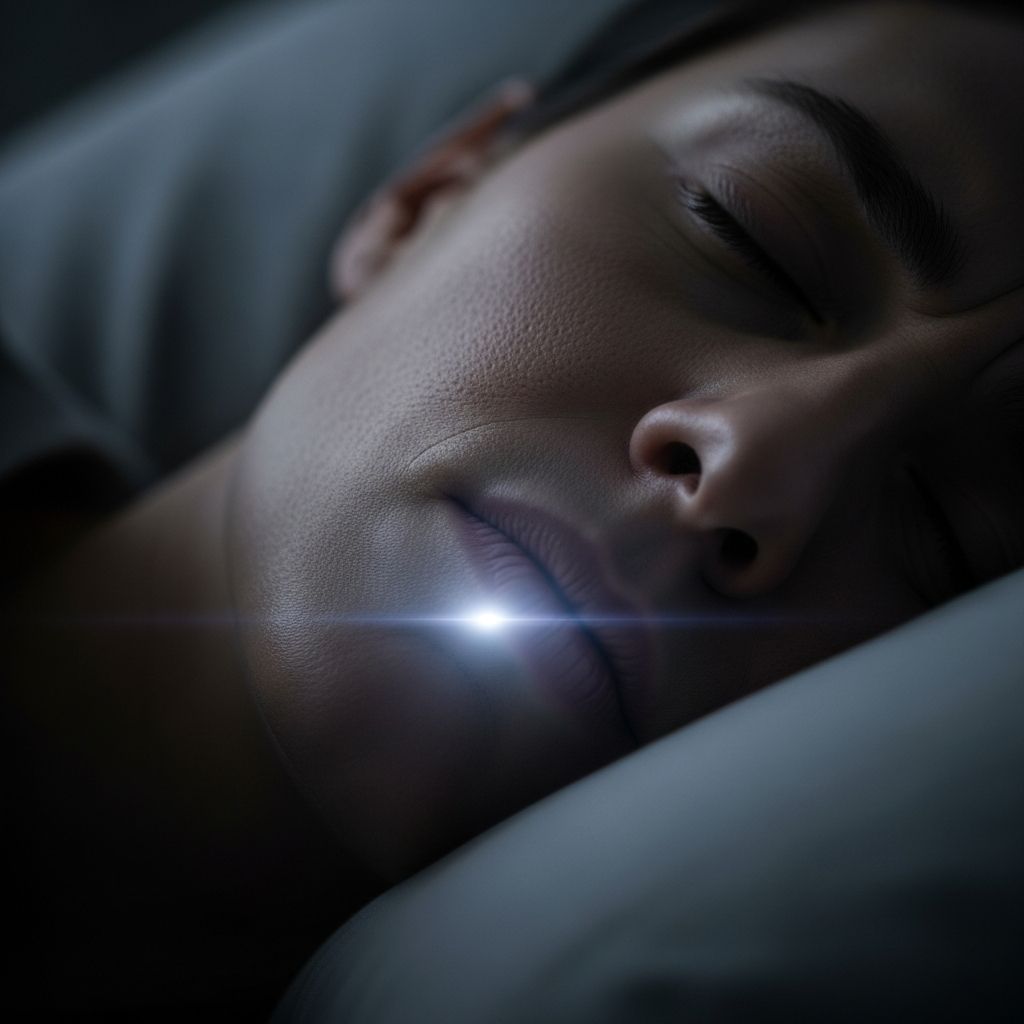
Understanding Sleep Bruxism: What Is Teeth Grinding?
Sleep bruxism, commonly known as teeth grinding, is an involuntary condition where you clench and grind your teeth during sleep. Unlike daytime teeth clenching, which you may consciously control, sleep bruxism occurs without your awareness, often in the early stages of sleep. During these episodes, you may exert considerable force on your teeth10 250 pounds of pressurecausing significant wear and potential damage to your dental structures.
Many people are unaware they have this condition until a dentist identifies signs of tooth wear or a sleep partner reports hearing grinding or clicking sounds at night. While some cases of bruxism are mild and may not require intervention, severe grinding can lead to damaged teeth, jaw pain, headaches, and disrupted sleep quality. Understanding what causes this condition and recognizing its symptoms are crucial steps toward effective management.
Common Causes of Sleep Bruxism
Sleep bruxism can result from various factors, ranging from lifestyle choices to underlying medical conditions. Identifying the root cause is essential for determining the most appropriate treatment approach.
Stress and Anxiety
Psychological stress is one of the most significant contributors to teeth grinding. During stressful periods, your body may respond by tensing muscles, including those in your jaw. This tension can manifest as nighttime grinding and clenching. Similarly, anxiety disorders and sleep-related stress can trigger or exacerbate bruxism.
Sleep Disorders
Evidence suggests that teeth grinding may be linked with obstructive sleep apnea (OSA) in some cases, affecting approximately 10 to 30% of people. Bruxism may represent a subconscious attempt to help open the airway by repositioning the lower jaw and tongue. Other sleep disruptions and poor sleep quality can also contribute to grinding episodes.
Lifestyle Factors
Certain habits significantly increase your risk of bruxism. Caffeine consumption, particularly in the evening, stimulates the nervous system and can trigger grinding. Alcohol use close to bedtime disrupts sleep architecture and may worsen clenching. Smoking has also been associated with increased bruxism severity. Additionally, some medicationsparticularly certain antidepressantsmay cause teeth grinding as a side effect.
Medical Conditions
Underlying medical conditions such as Parkinson’s disease, gastroesophageal reflux disease (GERD), and other neurological disorders can contribute to bruxism. If you suspect a medical condition is causing your grinding, consult your healthcare provider for proper evaluation and management.
Recognizing the Symptoms of Sleep Bruxism
Identifying bruxism early can prevent severe dental damage and allow for timely intervention. Common symptoms include:
- Worn or flattened teeth surfaces
- Tooth sensitivity or pain
- Jaw pain or soreness, especially upon waking
- Facial or ear pain
- Morning headaches
- Disrupted sleep quality
- Damaged dental work or broken crowns
- Audible grinding sounds (often reported by sleep partners)
If you experience any of these symptoms, schedule a dental appointment for proper evaluation. Your dentist can examine your teeth for wear patterns and damage consistent with grinding, helping confirm the diagnosis.
Diagnostic Methods for Sleep Bruxism
Proper diagnosis is essential before beginning treatment. Healthcare providers use several diagnostic approaches:
Physical Examination
Your dentist will inspect your teeth for signs of wear, damage, or worn dental restorations. They will also assess your jaw and facial muscles for pain or tenderness, providing clinical evidence of bruxism.
Sleep Study (Polysomnography)
If sleep-related disorders are suspected, a polysomnography test may be recommended. This comprehensive sleep study uses sensors to monitor brain activity, heart rate, breathing, and muscle activity while you sleep. The test can detect teeth grinding episodes and identify associated sleep disorders such as sleep apnea.
Imaging Studies
Panoramic radiographs, cone beam computed tomography (CBCT), and MRI imaging may be used to assess the extent of dental damage and rule out other conditions affecting your jaw or teeth.
Evidence-Based Treatment Options for Sleep Bruxism
Treatment effectiveness varies depending on the underlying cause and severity of your bruxism. A comprehensive approach tailored to your individual needs provides the best outcomes.
Mouth Guards and Splints
Occlusal splints and mouth guards are among the most effective treatments for sleep bruxism. These removable devices fit over your upper or lower teeth to keep them separated during sleep, preventing direct contact and associated damage. Splints and guards can be made from hard plastic or soft materials, depending on your comfort preferences and dental needs.
Your dentist can create a custom-fitted mouth guard that provides optimal protection while maintaining comfort. Regular use of these devices significantly reduces tooth wear and may decrease muscle activity related to grinding. Occlusal splints have demonstrated high effectiveness in clinical studies, making them a first-line treatment option for many patients.
Behavioral Therapy and Biofeedback
Behavioral modification techniques help increase awareness of clenching habits and train you to change your resting mouth and jaw position. Biofeedback uses monitoring equipment to teach you to control muscle activity in your jaw, particularly helpful for daytime bruxism awareness.
These approaches work by helping you recognize tension patterns and develop strategies to relax your jaw throughout the day, potentially reducing nighttime grinding episodes.
Stress Management and Relaxation Techniques
Since stress is a primary trigger for bruxism, implementing stress-reduction strategies can significantly improve symptoms. Effective approaches include:
- Meditation and mindfulness practices
- Yoga and gentle stretching
- Regular physical exercise (several hours before bedtime)
- Deep breathing exercises
- Progressive muscle relaxation
- Warm baths or showers before bed
- Music therapy or listening to calming sounds
These techniques reduce stress-related muscle tension and promote overall relaxation, helping diminish grinding episodes.
Medication Options
In some cases, healthcare providers may recommend medications to manage bruxism:
- Muscle Relaxants: Short-term use of muscle relaxant medications before bedtime may help reduce jaw tension and grinding intensity.
- Antidepressants or Anti-Anxiety Medications: These may help address underlying stress or anxiety contributing to bruxism. However, some antidepressants can paradoxically cause or worsen grinding, so your healthcare provider will carefully monitor your response.
- Medication Adjustment: If your bruxism is a side effect of another medication, your healthcare provider may adjust the dose or recommend an alternative medication.
Botulinum Toxin Injections
For severe bruxism that doesn’t respond to other treatments, botulinum toxin (Botox) injections may be considered. These injections relax the jaw muscles by preventing them from contracting, potentially reducing grinding intensity. This treatment is typically reserved for severe cases and should be discussed thoroughly with your healthcare provider.
Dental Correction
If severe tooth wear has led to sensitivity or chewing difficulties, dental correction procedures may be necessary. Your dentist may reshape the chewing surfaces of your teeth or use crowns and other restorative procedures to repair damage caused by grinding.
Lifestyle Modifications to Reduce Teeth Grinding
Implementing practical lifestyle changes can significantly impact bruxism severity:
Sleep Hygiene Practices
Establishing healthy sleep habits is fundamental for managing sleep bruxism. Good sleep hygiene includes:
- Maintaining a consistent sleep schedule (going to bed and waking at the same time daily)
- Avoiding naps during the day
- Exercising regularly, preferably several hours before bedtime
- Creating a quiet, peaceful sleeping environment
- Keeping your bedroom cool and dark
- Avoiding electronic devices for at least one hour before bed
- Only attempting to sleep when you feel genuinely sleepy
These practices promote deeper, more restorative sleep and reduce the likelihood of grinding episodes.
Dietary Adjustments
What you consume significantly affects bruxism:
- Avoid Caffeine: Don’t drink caffeinated coffee or tea after dinner. Caffeine stimulates your nervous system and can trigger grinding.
- Limit Alcohol: Avoid alcohol in the evening, as it disrupts sleep quality and may worsen clenching.
- Avoid Hard and Chewy Foods: Limit consumption of hard candies, nuts, and chewy foods that can aggravate jaw tension.
- Don’t Chew Gum: Gum chewing perpetuates jaw clenching habits and should be avoided.
Smoking Cessation
If you smoke, quitting can help reduce bruxism severity. Smoking is associated with increased teeth grinding, and cessation often leads to symptom improvement.
Daytime Jaw Awareness
Throughout the day, periodically check for tension in your facial and jaw muscles. If you notice clenching, consciously relax your jaw by slightly separating your teeth. This awareness training can reduce overall jaw tension and potentially decrease nighttime grinding.
When to Seek Professional Help
Schedule an appointment with your dentist or healthcare provider if you experience:
- Symptoms worsening over time
- Significant tooth damage or wear
- Persistent jaw pain or headaches
- New or changing symptoms
- Difficulty managing symptoms with home remedies
If your bruxism is likely caused by major sleep problems, your healthcare professional may recommend consultation with a sleep medicine specialist who can conduct appropriate testing. If anxiety or mental health concerns are contributing factors, a mental health professional can provide targeted therapeutic support.
Managing Underlying Conditions
Addressing conditions that may contribute to bruxism often improves symptoms:
- Sleep Apnea Treatment: If diagnosed with obstructive sleep apnea, appropriate treatment such as continuous positive airway pressure (CPAP) therapy may reduce or eliminate bruxism.
- GERD Management: Treating gastroesophageal reflux disease may help reduce grinding episodes.
- Neurological Condition Treatment: If Parkinson’s disease or another neurological disorder is causing bruxism, managing that condition may alleviate grinding.
Creating Your Personalized Treatment Plan
Effective bruxism management typically involves a multifaceted approach tailored to your specific situation. Work with your dental team to develop a plan that may include:
- A custom mouth guard for nighttime protection
- Stress management and relaxation techniques
- Lifestyle modifications and sleep hygiene improvements
- Medical evaluation for underlying conditions
- Regular dental monitoring to assess tooth health
- Medication if appropriate and recommended by your healthcare provider
Treatment success depends on consistent implementation and regular follow-up with your healthcare providers.
Frequently Asked Questions About Sleep Bruxism
Q: Is teeth grinding during sleep common?
A: Yes, sleep bruxism is fairly common, though many cases are mild and may not require treatment. Regular dental checkups help identify the condition early.
Q: Can I stop grinding my teeth naturally without a mouth guard?
A: Yes, stress management, improved sleep hygiene, lifestyle modifications, and behavioral therapy can help reduce grinding. However, a mouth guard provides protective benefits while you work on these approaches.
Q: How long does it take to see improvement?
A: Improvement timelines vary. Some people notice changes within weeks of implementing stress reduction and lifestyle modifications, while others require several months of consistent treatment.
Q: Can sleep apnea cause teeth grinding?
A: Yes, evidence suggests bruxism may be linked to sleep apnea in some cases. Treating sleep apnea often helps reduce grinding symptoms.
Q: Are custom mouth guards better than over-the-counter options?
A: Custom-fitted mouth guards made by your dentist provide superior protection, comfort, and fit compared to generic over-the-counter options, making them worth the investment.
Q: What happens if bruxism is left untreated?
A: Untreated bruxism can lead to severe tooth wear, cracks or fractures, tooth enamel erosion, jaw muscle and joint problems, and potentially tooth loss if not managed.
References
- Evaluating Treatment Options for Sleep Bruxism and Their Impact — AMMS Publishers. 2024. https://ammspub.com/index.php/amms/article/view/145
- Teeth Grinding (Bruxism) – Diagnosis and Treatment — Mayo Clinic. 2024. https://www.mayoclinic.org/diseases-conditions/bruxism/diagnosis-treatment/drc-20356100
- Bruxism — Massachusetts General Hospital. 2024. https://www.massgeneral.org/condition/bruxism
- Bruxism — National Institute of Dental & Craniofacial Research (NIDCR). 2024. https://www.nidcr.nih.gov/health-info/bruxism
- Teeth Grinding & Sleep Apnea — Sleep Apnea Organization. 2024. https://www.sleepapnea.org/sleep-health/teeth-grinding-and-sleep-apnea/
Similar Articles








Read full bio of medha deb