How to Stop Hot Flashes Fast: Strategies and Treatments
Quick relief and long-term solutions for managing hot flashes during menopause.
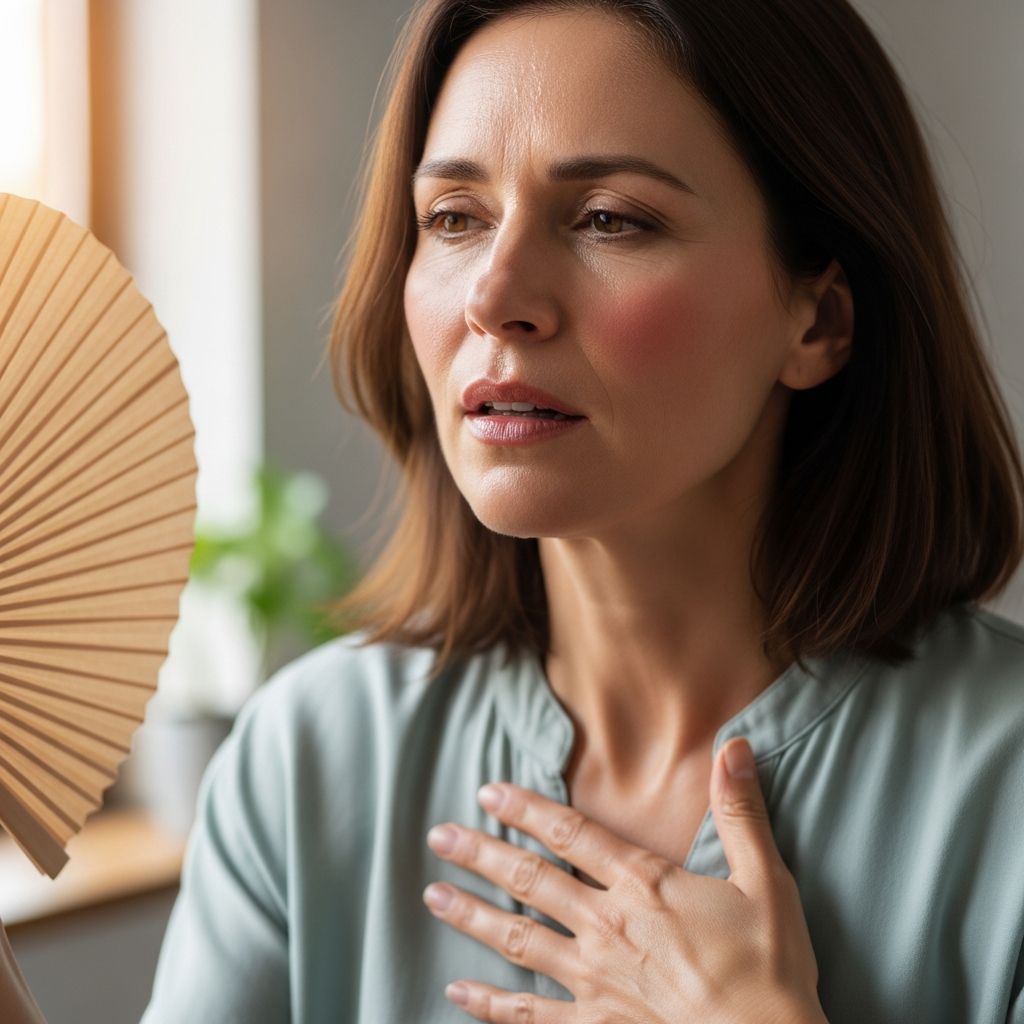
Hot flashes are one of the most disruptive symptoms of menopause, characterized by an overwhelming sensation of warmth that spreads rapidly from your chest to your face, often accompanied by intense sweating and flushing. This unpredictable symptom can strike at any moment—during a work meeting, while exercising, or in the middle of the night—making it difficult to maintain confidence and disrupting daily life. The good news is that there are numerous strategies and treatments available to help you manage hot flashes effectively, from immediate relief techniques to long-term therapeutic solutions.
Understanding Hot Flashes: The Basics
Hot flashes affect approximately 75% of women during perimenopause and menopause. While some women experience only a few hot flashes each week, others may endure up to 10 episodes per day. The duration of individual hot flashes can vary significantly, lasting anywhere from as little as 30 seconds to as long as 10 minutes. On average, women experience hot flashes for approximately 1.2 years, though this timeline can vary considerably from person to person. When hot flashes occur during nighttime hours, they are commonly referred to as night sweats, which can significantly disrupt sleep quality and overall well-being.
Immediate Relief Strategies: What to Do When a Hot Flash Strikes
When you feel a hot flash beginning, the immediate goal is to cool your body and calm your nervous system. Here are practical steps you can take right now:
- Remove clothing layers: If your situation permits, shed outer layers of clothing to allow your body to cool more efficiently. This simple action can provide significant relief during an acute hot flash episode.
- Seek cool temperatures: Move to a cooler environment by decreasing the thermostat, stepping outside into fresh air, or turning on a fan to circulate cool air around your body.
- Drink cold water: Sip on a glass of ice-cold water to help cool your internal temperature from within. This hydrating approach provides both physical cooling and a calming ritual.
- Practice slow, deep breathing: Sit down calmly and take measured, slow breaths until the hot flash subsides. This technique helps activate your parasympathetic nervous system, counteracting the panic response.
- Stay still: Avoid movement and activity during an acute episode. Remaining seated or lying down can help minimize the intensity of the hot flash.
Fast-Acting Breathing and Relaxation Techniques
Hot flashes naturally trigger anxiety and panic responses, which paradoxically can increase heart rate and breathing speed, intensifying the sensation of overheating. By employing specific breathing and relaxation techniques, you can counteract this physiological cascade and reduce symptom severity.
Paced Breathing
Paced breathing, also known as slow diaphragmatic breathing, is one of the most research-supported techniques for hot flash management. This technique involves deliberately slowing your breathing rate to activate the parasympathetic nervous system, which counteracts the fight-or-flight response. Research demonstrates that after 12 weeks of practicing paced breathing, individuals experienced approximately a 20% reduction in daily hot flash frequency. The mechanism works by reducing activity in the sympathetic nervous system while creating a profound sense of relaxation throughout the body.
Mindfulness and Quick Relaxation Methods
When a hot flash strikes at an inconvenient moment—such as during an important work presentation, at your child’s school event, or on a social outing—it’s natural to feel panicky and self-conscious. Mindfulness-based approaches have been scientifically shown to improve coping ability and significantly reduce the emotional distress associated with menopausal hot flashes. By observing your sensations without judgment and maintaining present-moment awareness, you can prevent escalation of anxiety, which would otherwise amplify the hot flash experience.
Lifestyle Modifications for Long-Term Hot Flash Management
While immediate relief techniques help in the moment, lifestyle changes create lasting improvements in hot flash frequency and severity. These modifications address the underlying factors that trigger or exacerbate hot flashes.
Related Stories



Dietary Adjustments
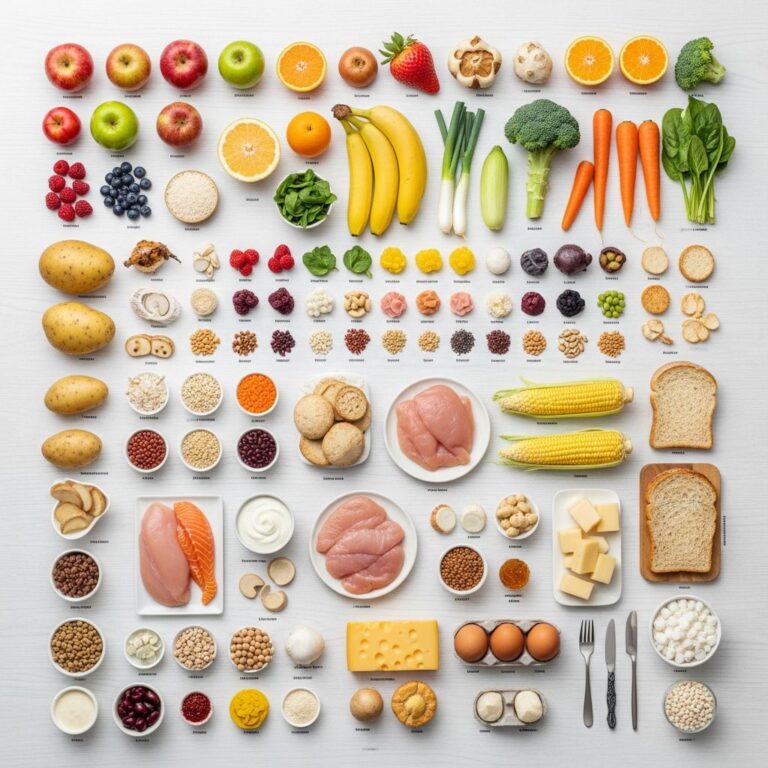
Your diet plays a crucial role in managing hot flashes. Research indicates that hot flash frequency is significantly suppressed after eating, while hot flashes are more likely to occur during fasting states when blood glucose levels drop between meals. This suggests that maintaining stable blood sugar levels throughout the day may help reduce hot flash episodes. To support this, focus on these dietary strategies:
- Prioritize whole foods including fruits, vegetables, lean proteins, and whole grains
- Avoid common hot flash triggers: spicy foods, alcohol, and caffeine
- Replace hot caffeinated tea with iced herbal tea or fruit-infused water
- Choose nonalcoholic alternatives to wine and beer
- Maintain consistent meal timing to prevent blood glucose fluctuations
- Consider phytoestrogen-rich foods like tofu and soy products, though discuss these options with your healthcare provider first, especially if you have a history of breast cancer
Exercise and Physical Activity
Regular physical activity is a powerful intervention for managing hot flashes. Being in good cardiovascular shape reduces your body’s propensity to sweat excessively and significantly reduces hot flash frequency and intensity. Aim for consistent exercise routines that include both cardiovascular activity and flexibility work. Yoga, in particular, offers additional benefits through its combination of physical movement, breathing practice, and mindfulness.
Sleep and Bedtime Hygiene
Since night sweats can severely disrupt sleep quality, establishing excellent bedtime hygiene habits is essential. Maintain a cool bedroom temperature, use breathable bedding materials, and develop a consistent sleep schedule. Quality sleep supports overall hormonal regulation and improves your body’s ability to manage hot flash symptoms.
Smoking Cessation
Research demonstrates that cigarette smoking is associated with increased hot flash frequency and severity. If you smoke, quitting is one of the most impactful lifestyle changes you can make to reduce your hot flash burden.
Stress Management and Relaxation Practices
Beyond acute breathing techniques, incorporating regular stress management into your daily routine provides ongoing benefits. Consider these practices:
- Daily meditation or mindfulness practice
- Progressive muscle relaxation
- Gentle yoga or tai chi
- Regular stretching routines
Behavioral and Psychological Treatments
Mental health-focused treatments have demonstrated significant efficacy in reducing hot flash symptoms, often without medication.
Cognitive Behavioral Therapy (CBT)
Cognitive behavioral therapy is a structured psychological approach where you work with a trained therapist to identify how your thoughts and behaviors may contribute to hot flash severity and develop specific coping skills. Research shows that CBT can reduce the frequency of hot flash symptoms by approximately 25%. This approach is particularly valuable for individuals who experience anxiety or panic in response to hot flashes, as it breaks the anxiety-hot flash cycle.
Clinical Hypnosis
Weekly hypnosis sessions conducted by a trained therapist can be remarkably effective, potentially reducing hot flash frequency by up to 55%. However, finding a qualified clinical hypnotherapist in your area may require some effort and research. When considering this option, ensure your practitioner has appropriate credentials and experience with menopause-related concerns.
Medical and Hormonal Treatments
For many women, lifestyle modifications and behavioral approaches provide sufficient relief. However, others benefit significantly from pharmaceutical interventions.
Hormone Replacement Therapy (HRT)
Hormone replacement therapy, also called hormone therapy or menopause hormone therapy, is an FDA-approved first-line medical treatment according to The Menopause Society. This approach involves supplementing estrogen and/or progesterone to replace hormones that decline during menopause. Research has consistently demonstrated that hormone therapy decreases the weekly frequency of hot flashes by approximately 75% compared with placebo, making it the most effective pharmaceutical option available. Your healthcare provider can help determine if HRT is appropriate for your individual health profile and discuss potential risks and benefits.
Nonhormonal Medications
For women who cannot or prefer not to use hormone therapy, several nonhormonal prescription medications have been shown to reduce hot flashes. Your ob-gyn can discuss these options, which may include certain antidepressants and other medications that work through different mechanisms than hormone replacement.
Over-the-Counter Supplements
Many women explore over-the-counter supplements such as black cohosh, red clover, sage, and other herbal products marketed for menopause symptom relief. While these are generally available without prescription, it’s important to understand that dietary supplements are not regulated by the FDA in the same way as medications, so there is no guarantee of their safety or effectiveness. Always consult with your healthcare provider before starting any supplement regimen, particularly if you take other medications or have specific health conditions.
Creating Your Personalized Hot Flash Management Plan
The most effective approach to managing hot flashes is typically individualized. What works exceptionally well for one woman may be less effective for another. Consider starting with lifestyle modifications, as these carry minimal risk and often provide meaningful relief. Then, based on your response and preferences, you may add behavioral techniques or medical treatments. Keep track of what strategies help reduce your hot flash frequency and severity, and adjust your approach as needed.
Key Takeaways
- Hot flashes affect approximately 75% of women during perimenopause and menopause, with varying frequency and duration
- Immediate relief during an acute hot flash involves removing clothing layers, seeking cool temperatures, drinking cold water, and practicing slow breathing
- Paced breathing practiced consistently can reduce daily hot flash frequency by about 20% after 12 weeks
- Dietary modifications, including stable blood glucose levels and avoiding triggers like caffeine and alcohol, support long-term management
- Regular exercise and stress management practices provide significant benefits
- Cognitive behavioral therapy can reduce hot flash frequency by approximately 25%
- Weekly hypnosis may reduce hot flash frequency by up to 55%
- Hormone replacement therapy is the most effective pharmaceutical option, reducing hot flash frequency by 75% compared with placebo
- Nonhormonal medications and supplements are available but should be discussed with your healthcare provider
- The most effective approach combines multiple strategies tailored to your individual needs and preferences
Frequently Asked Questions
Q: How can I stop a hot flash immediately?
A: When experiencing an acute hot flash, remove clothing layers if possible and move to a cooler environment. Sit calmly, drink cold water, and practice slow, deep breathing until the episode passes. These immediate actions help cool your body and activate your relaxation response.
Q: What natural remedies help hot flashes?
A: Numerous natural approaches have demonstrated effectiveness, including cognitive behavioral therapy, clinical hypnosis, dietary modifications (avoiding caffeine, alcohol, and spicy foods), regular exercise, yoga, meditation, relaxation techniques, and certain herbal supplements like black cohosh. Always discuss these options with your healthcare provider first.
Q: How long do hot flashes typically last?
A: Individual hot flash episodes can last from 30 seconds to 10 minutes. The overall hot flash period during menopause typically lasts about 1.2 years on average, though this varies significantly among women, ranging from months to several years.
Q: Is hormone replacement therapy safe?
A: Hormone replacement therapy is FDA-approved for managing hot flashes and is considered the most effective pharmaceutical option. However, like any medical treatment, it carries potential risks and benefits that vary based on individual health factors. Discuss your personal health history with your healthcare provider to determine if HRT is appropriate for you.
Q: Can diet really affect hot flash frequency?
A: Yes, research indicates that hot flash frequency is suppressed after eating while hot flashes are more likely during fasting periods when blood glucose drops. Maintaining stable blood sugar levels through consistent meals and avoiding trigger foods can help reduce hot flash episodes.
Q: What should I avoid to reduce hot flashes?
A: Common hot flash triggers include spicy foods, alcohol, caffeine, and hot beverages. Additionally, avoid smoking, which increases hot flash severity. Preventing overheating by dressing in layers and maintaining a cool environment also helps minimize hot flash frequency.
References
- How to Stop Hot Flashes Fast — Midi Health. 2024. https://www.joinmidi.com/post/how-to-stop-hot-flashes-fast
- An Ob-Gyn’s Top Tips for Managing Hot Flashes — American College of Obstetricians and Gynecologists (ACOG). 2024. https://www.acog.org/womens-health/experts-and-stories/the-latest/an-ob-gyns-top-tips-for-managing-hot-flashes
- The Effect of Dietary Intake on Hot Flashes in Menopausal Women — Menopause Journal, National Institutes of Health. 2009. https://pmc.ncbi.nlm.nih.gov/articles/PMC2765999/
- Hot Flashes: Triggers, How Long They Last & Treatments — Cleveland Clinic. 2024. https://my.clevelandclinic.org/health/symptoms/15223-hot-flashes
- Menopause Hot Flashes: 9 Tips for Staying Cool Naturally — National Council on Aging (NCOA). 2024. https://www.ncoa.org/article/menopause-hot-flashes-9-tips-for-staying-cool-naturally/
Similar Articles








Read full bio of medha deb