How to Stop Ringing in Ears: Comprehensive Guide to Relief
Expert strategies to manage tinnitus symptoms and improve quality of life with proven treatments and lifestyle changes.
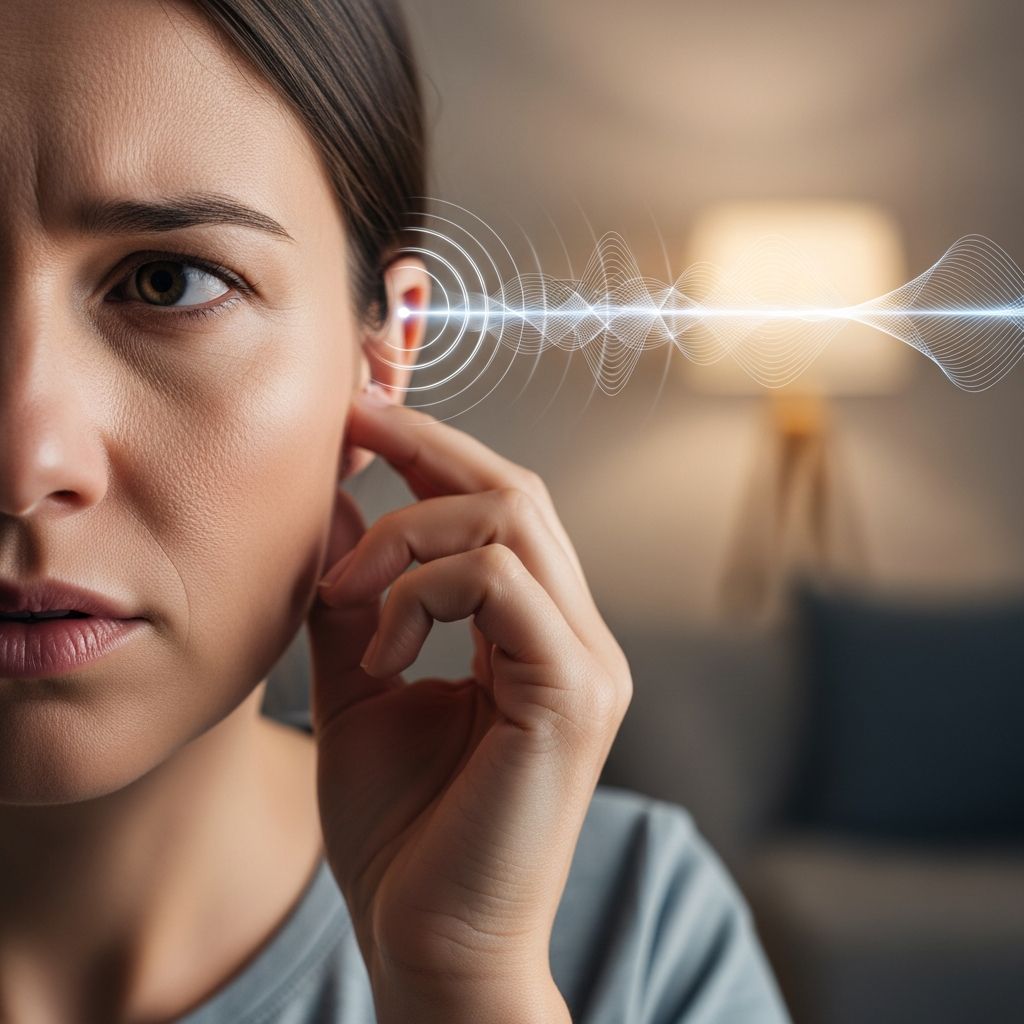
Tinnitus, commonly described as ringing, buzzing, hissing, or roaring in the ears without an external sound source, affects 25 to 50 million American adults. While often mild, it can severely impact mental health, causing anxiety, depression, insomnia, and difficulties in work or social settings for about 2% of sufferers. Though no universal cure exists, multiple strategies can significantly reduce symptoms and improve daily life.
What Is Tinnitus?
Tinnitus is a neurological response often linked to hearing loss, where the brain attempts to compensate for missing auditory signals. It manifests as phantom sounds varying in pitch and intensity, from low-pitched rumbles possibly tied to ear blockages or Meniere’s disease, to high-pitched tones commonly from noise exposure or medications. Pulsatile tinnitus, syncing with the heartbeat, warrants immediate medical evaluation due to potential vascular issues.
Causes of Tinnitus
Hearing loss from damaged cochlear hair cells disrupts brain-ear communication, triggering tinnitus. Common culprits include:
- Loud noise exposure, like concerts or power tools.
- Age-related hearing decline, affecting 27% of adults over 65.
- Earwax buildup, infections, or eardrum perforations.
- Medications, otosclerosis, or acoustic neuroma.
- Stress, poor sleep, caffeine, alcohol, nicotine, and high-fat diets potentially worsening symptoms.
Tinnitus impacts concentration, memory, sleep, and raises risks for depression and cognitive decline.
When to See a Doctor for Tinnitus
Seek professional care if tinnitus persists, is one-sided, pulsatile, or accompanies sudden hearing loss, dizziness, or pain. Start with a hearing test to identify underlying issues like hair cell damage at high frequencies. Early intervention rules out treatable causes and prevents progression.
Diagnosis of Tinnitus
Diagnosis involves a comprehensive ear exam, audiological testing, and sometimes imaging for pulsatile cases. Audiologists assess hearing thresholds and tinnitus characteristics to tailor management. No single test confirms tinnitus, but evaluations distinguish it from hyperacusis or misophonia.
Treatment Options for Tinnitus
While incurable, treatments mask, retrain, or habituate the brain to tinnitus. Key options include:
- Hearing Aids: Amplify external sounds to fill auditory gaps, providing relief for associated hearing loss.
- Sound Therapy: White noise machines, fans, apps with customizable sounds (crickets, rain, oceans), or hearing aids with masking features reduce prominence, especially at night.
- Tinnitus Retraining Therapy (TRT): Combines counseling and low-level sound generators to reframe tinnitus as neutral.
- Cognitive Behavioral Therapy (CBT): Addresses emotional responses, reducing distress.
- Medications: Antidepressants or anti-anxiety drugs for severe cases; avoid unproven supplements.
| Treatment | How It Works | Best For |
|---|---|---|
| Hearing Aids | Amplifies real sounds | Hearing loss-related tinnitus |
| Sound Therapy | Masks phantom noise | Nighttime or quiet settings |
| TRT | Retrains brain perception | Chronic sufferers |
| CBT | Manages emotional impact | Anxiety/depression linked |
Related Stories



How to Prevent Tinnitus
Protect hearing to avert tinnitus: wear earplugs/earmuffs (NRR ≥22 dB) in noises over 85 dB, like mowing or concerts. Avoid cranking headphone volumes; limit caffeine, alcohol, nicotine. Maintain sleep hygiene and manage stress.
Lifestyle Changes to Manage Tinnitus
Adopt habits to lessen severity:
- Use white noise or apps for masking.
- Practice relaxation: meditation, exercise.
- Limit aggravating substances.
- Engage in enjoyable distractions to shift focus.
- Follow a diet higher in B12 and protein, linked to lower odds.
Positive thinking and activity participation mitigate frustration.
Home Remedies for Tinnitus
Accessible relief includes fans, humidifiers, or radio static. Smartphone apps blend sounds matching tinnitus frequency, akin to finding Waldo in a crowd—diluting noticeability.
FAQs
Can tinnitus go away?
Tinnitus often lessens with treatment but rarely vanishes completely; management makes it unnoticeable.
Is ringing in ears serious?
Usually not dangerous, but pulsatile or sudden onset requires checking.
Do hearing aids help tinnitus?
Yes, especially with hearing loss, by restoring input.
What triggers tinnitus worsening?
Quiet, stress, fatigue, caffeine.
Can diet affect tinnitus?
Higher B12/protein intake may reduce risk.
References
- How Can I Stop That Ringing in My Ears? — Yale New Haven Health. 2025-07-07. https://www.ynhhs.org/articles/ringing-in-my-ears
- Tinnitus – Diagnosis and treatment — Mayo Clinic. https://www.mayoclinic.org/diseases-conditions/tinnitus/diagnosis-treatment/drc-20350162
- The Medical Minute: Why are my ears ringing? — Penn State Health News. 2025-10. https://pennstatehealthnews.org/2025/10/the-medical-minute-why-are-my-ears-ringing-what-to-know-about-tinnitus-and-other-hearing-problems/
- Dealing With Tinnitus: An Expert Offers Guidance — UVA Health. https://www.uvahealth.com/healthy-balance/dealing-tinnitus-expert-offers-guidance
- Relationship Between Diet, Tinnitus, and Hearing Difficulties — PMC (NCBI). https://pmc.ncbi.nlm.nih.gov/articles/PMC7664714/
- Ringing in Your Ears Might Be a Sign of Hearing Loss — Health.mil. 2022-03-10. https://www.health.mil/News/Articles/2022/03/10/Ringing-in-Your-Ears-Might-Be-a-Sign-of-Hearing-Loss
Similar Articles








Read full bio of Sneha Tete