How To Stop Snoring: Comprehensive 2025 Guide For Quieter Sleep
Expert tips and remedies to silence snoring, improve sleep quality, and prevent serious health risks like sleep apnea.
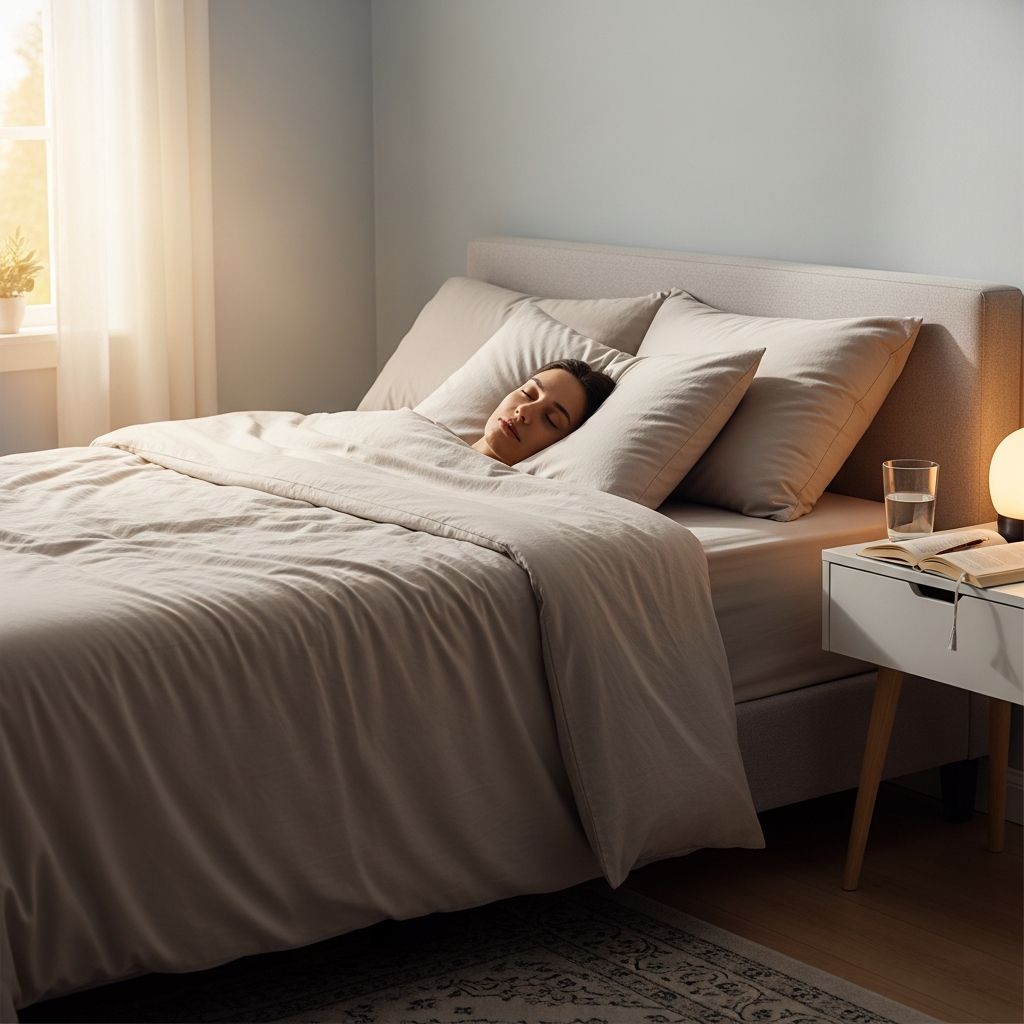
Snoring affects millions, disrupting sleep for both the snorer and their partner. It occurs when air flows past relaxed tissues in the throat, causing vibrations and noise. While occasional snoring is common, chronic snoring may signal underlying issues like obstructive sleep apnea (OSA), increasing risks for heart disease and stroke. This guide covers causes, remedies, and treatments based on expert recommendations.
What Causes Snoring?
Snoring happens when airflow through the mouth and nose meets resistance, making throat tissues vibrate. Common causes include:
- Nasal congestion from colds, allergies, or deviated septum, blocking smooth airflow.
- Anatomy: A low, thick soft palate, elongated uvula, or narrow airways predispose individuals to snoring.
- Relaxants: Alcohol, sedatives, and sleeping pills relax throat muscles, narrowing the airway.
- Obesity: Excess weight adds fatty tissue around the neck, compressing airways.
- Sleep position: Back sleeping lets the tongue fall back, obstructing airflow.
- Smoking: Irritates airway tissues, causing inflammation and swelling.
Men snore more than women, and prevalence increases with age and weight. About 25% of U.S. adults snore regularly, with higher rates in overweight individuals.
Health Risks of Snoring
While annoying, snoring isn’t always harmless. Loud, frequent snoring paired with gasping, choking, or daytime fatigue may indicate OSA, where breathing pauses repeatedly. Untreated OSA raises risks for:
- High blood pressure and heart disease.
- Stroke and type 2 diabetes.
- Daytime drowsiness, impairing concentration and safety.
See a doctor if snoring disrupts sleep, causes headaches, or includes apneic episodes.
Lifestyle Changes to Stop Snoring
Simple adjustments often reduce or eliminate snoring. Start with these evidence-based strategies:
- Lose weight: Even modest loss reduces neck fat, opening airways. Overweight individuals see significant improvement.
- Sleep on your side: Avoid back sleeping. Sew a tennis ball into pajama backs or use body pillows to stay positioned.
- Avoid alcohol and sedatives: Skip drinks 2-3 hours before bed; they relax throat muscles.
- Quit smoking: Reduces airway irritation and swelling.
- Watch diet and timing: Skip large, heavy meals, dairy, or soy near bedtime to prevent congestion.
- Exercise regularly: Tones throat and overall muscles, aids weight loss.
Raise bed head 4-6 inches or use wedges for gravity-assisted airway opening.
Oral Exercises for Snoring
Strengthening throat muscles via oropharyngeal exercises (like myofunctional therapy) can reduce snoring by 50% in some studies. Practice daily for 3 minutes:
- Sing or hum loudly to control soft palate.
- Pronounce vowels (A-E-I-O-U) exaggeratedly.
- Purse lips for 30 seconds.
- Retract tongue behind front teeth, hold 3 minutes.
- Move jaw side-to-side, holding 30 seconds per side.
- Wiggle uvula by tightening back-throat muscle.
Consistency yields results in weeks.
Devices and Products to Prevent Snoring
Over-the-counter aids help many. Consult a doctor before use, especially with suspected apnea.
| Device | How It Works | Pros/Cons |
|---|---|---|
| Nasal strips/dilators | Expand nostrils for better airflow. | Cheap, easy; less effective for mouth breathers. |
| Mouth appliances/guards | Advance jaw/tongue to open airway. | Custom dentist-fit best; OTC cheaper but less comfy. |
| Chin straps/mouth tape | Keep mouth closed, promote nasal breathing. | Simple; not for nasal issues or apnea. |
| Humidifiers | Moisten air, reduce irritation. | Comfortable; needs maintenance. |
| Anti-snoring pillows | Support neck, encourage side sleeping. | Convenient; pricier. |
Related Stories



When to See a Doctor for Snoring
Consult a professional if lifestyle changes fail or symptoms include:
- Pauses in breathing/gasping.
- Excessive daytime sleepiness.
- Morning headaches, dry mouth.
- High blood pressure.
Diagnosis may involve sleep studies. Treatments escalate for OSA.
Medical Treatments for Snoring
For persistent cases:
- CPAP machine: Delivers continuous air pressure via mask to keep airways open. Gold standard for OSA, eliminates snoring.
- Oral appliances: Prescription mandibular devices from dentists.
- Surgery: UPPP (uvulopalatopharyngoplasty), implants, or radiofrequency to tighten tissues. Last resort.
- Nasal treatments: Decongestants, allergy meds, or surgery for septum.
CPAP success rates exceed 80% but requires adjustment.
Frequently Asked Questions (FAQs)
Is snoring always a sign of sleep apnea?
No, but loud snoring with breathing pauses, fatigue, or irritability warrants evaluation.
Can weight loss really stop snoring?
Yes, reducing neck fat opens airways; even 10% loss helps significantly.
Do nasal strips work for everyone?
Best for nasal congestion; ineffective for throat-based snoring.
How long do throat exercises take to work?
Improvements in 4-8 weeks with daily practice.
Is CPAP uncomfortable?
Initially yes, but most adapt; alternatives exist if needed.
References
- The Best Ways to Stop Snoring — Baptist Health. 2023. https://www.baptisthealth.com/blog/family-health/the-best-ways-to-stop-snoring
- Snoring – Diagnosis and treatment — Mayo Clinic. 2024-10-15. https://www.mayoclinic.org/diseases-conditions/snoring/diagnosis-treatment/drc-20377701
- How to stop snoring — Ohio State Health & Discovery. 2024. https://health.osu.edu/health/sleep/how-to-stop-snoring
- Snoring: Causes, Remedies & Prevention — Cleveland Clinic. 2025-01-10. https://my.clevelandclinic.org/health/diseases/15580-snoring
Similar Articles








Read full bio of Sneha Tete