How to Stop Sweating Underarms Naturally
Discover effective natural strategies to reduce underarm sweating and manage hyperhidrosis without invasive treatments or harsh chemicals.
Excessive underarm sweating, known as axillary hyperhidrosis, affects millions and can lead to embarrassment and discomfort in daily life. While sweat helps regulate body temperature, overactive sweat glands in the underarms can produce more perspiration than necessary. Natural methods offer safe, accessible ways to manage this issue without relying solely on prescription treatments. This guide covers lifestyle adjustments, dietary changes, home remedies, and when to seek professional help, drawing from dermatologist recommendations and medical insights.
What Causes Underarm Sweating?
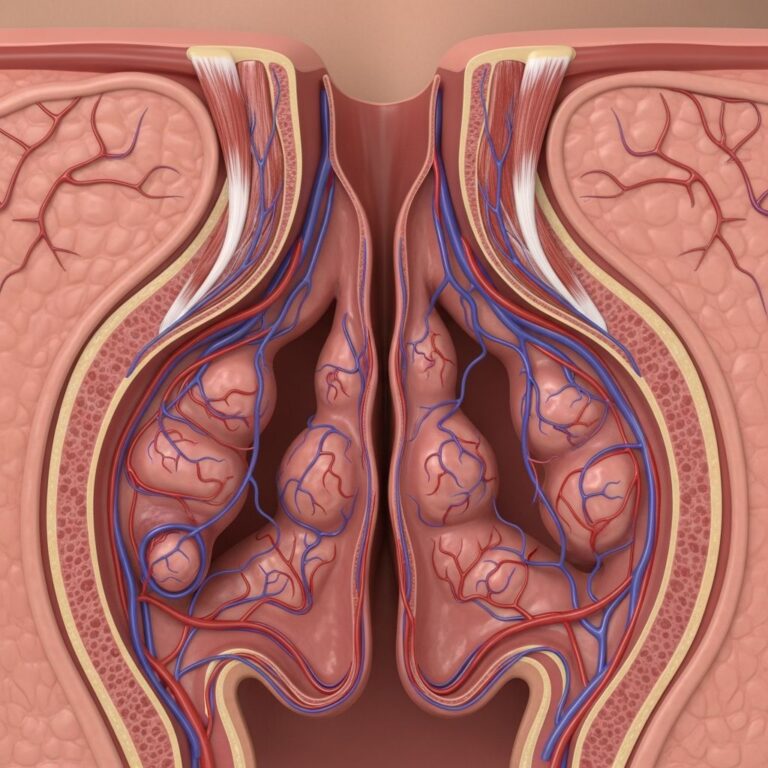
Underarm sweating occurs due to eccrine and apocrine sweat glands concentrated in the armpits. Eccrine glands produce watery sweat for cooling, while apocrine glands secrete a thicker fluid that bacteria break down, causing odor. Triggers include heat, stress, hormones, spicy foods, caffeine, and medical conditions like hyperhidrosis, which impacts about 5% of the global population. Primary hyperhidrosis is genetic and focal, often limited to underarms, while secondary hyperhidrosis stems from issues like menopause, obesity, or medications.
Understanding these causes is key to natural management. For instance, stress-induced sweating activates the sympathetic nervous system, ramping up gland activity. Lifestyle factors like synthetic clothing trap moisture, exacerbating the problem.
Lifestyle Changes to Reduce Underarm Sweat
Simple daily habits can significantly cut down underarm perspiration. Start with these evidence-based strategies recommended by dermatology experts.
- Wear Breathable Fabrics: Opt for cotton, moisture-wicking synthetics, or bamboo blends that allow air circulation and evaporate sweat quickly. Avoid nylon, polyester, or spandex, which trap heat and moisture against the skin.
- Shower Strategically: Bathe daily with antibacterial soap to reduce odor-causing bacteria. Shower immediately after exercise to remove sweat buildup. Use cool water to calm overactive glands.
- Stay Cool: Use fans, air conditioning, or cooling towels during hot weather. Avoid hot environments and overdressing to prevent thermoregulation overload.
- Manage Stress: Practice deep breathing, yoga, or meditation. Stress hormones like adrenaline trigger sweat glands, so relaxation techniques lower sympathetic nervous system activity.
- Quit Smoking: Nicotine raises body temperature and heart rate, stimulating sweat production. Quitting reduces this effect over time.
Dietary Tips to Minimize Sweating
What you eat directly influences sweat production. Certain foods raise core body temperature or irritate the digestive system, prompting detoxification through sweat.
- Avoid Triggers: Spicy foods (capsaicin), caffeine, alcohol, and high-sodium processed items increase perspiration. Hot beverages and garlic/onions also contribute.
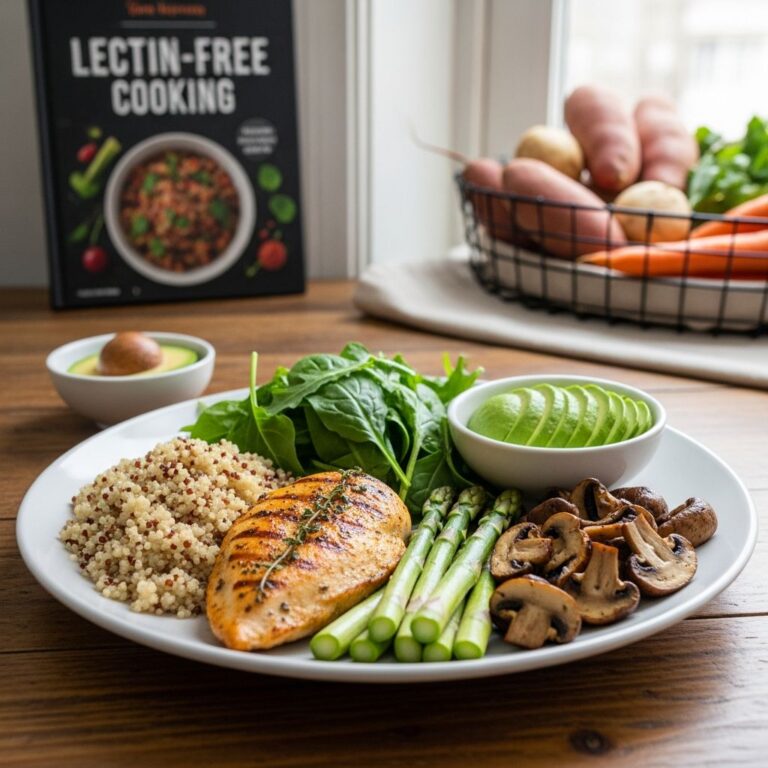
- Eat Sweat-Reducing Foods: Incorporate calcium-rich options like milk, almonds, and bananas, which help regulate body temperature. High-water fruits and vegetables such as watermelon, grapes, leafy greens, and cucumbers hydrate internally and cool the body. Whey protein supports without overtaxing digestion.
- Stay Hydrated: Drink at least 8-10 glasses of water daily. Hydration prevents the body from overcompensating with sweat to cool itself. Herbal teas like sage or peppermint offer additional cooling benefits.
A sample anti-sweat daily meal plan:
| Meal | Recommended Foods | Why It Helps |
|---|---|---|
| Breakfast | Banana smoothie with milk and almonds | Calcium and potassium balance fluids |
| Lunch | Leafy green salad with cucumber and watermelon | High water content cools body |
| Dinner | Grilled chicken with grapes and veggies | Low spice, easy digestion |
| Snacks | Yogurt or whey protein shake | Reduces digestive workload |
Best Natural Topical Remedies for Underarms
Over-the-counter and home remedies target sweat glands directly. Always patch-test to avoid irritation.
- Antiperspirants: Clinical-strength formulas with 15-20% aluminum chloride block ducts temporarily. Apply at night to dry skin for best absorption. Unlike deodorants, they reduce sweat volume, not just odor.
- Apple Cider Vinegar: Dab diluted vinegar (1:1 with water) underarms nightly. Its astringent properties tighten pores. Rinse in morning.
- Baking Soda Paste: Mix with water or cornstarch; apply for 30 minutes, then rinse. Absorbs moisture and neutralizes odor.
- Lemon Juice: Rub fresh lemon slices; citric acid reduces bacteria and tightens glands. Use at night due to sun sensitivity.
- Sage Tea: Brew strong tea, cool, and apply with cotton. Sage has natural antiperspirant compounds; drink it too for internal effects.
- Coconut Oil with Essential Oils: Tea tree or lavender oil mixed with coconut oil fights bacteria and soothes skin.
Related Stories



Note: While popular, evidence for some remedies like potato slices is anecdotal. Consult a doctor before trying, especially with sensitive skin.
Hygiene and Grooming Habits
Maintaining clean, dry underarms prevents sweat from worsening.
- Shave regularly: Hair traps moisture; smooth skin dries faster and allows topicals to penetrate.
- Use absorbent powders like talc-free cornstarch or baby powder post-shower.
- Change clothes after sweating; carry spares for unexpected episodes.
- Wash laundry in hot water with vinegar to kill bacteria.
When Natural Methods Aren’t Enough
If sweating persists despite changes, it may indicate hyperhidrosis. See a dermatologist for:
- Prescription Antiperspirants: Higher aluminum concentrations.
- Iontophoresis: Low-current device for hands/feet, adaptable for underarms.
- Botox Injections: Block nerve signals to glands; lasts 4-12 months.
- Oral Medications: Anticholinergics like glycopyrrolate reduce overall sweat.
- MiraDry: Microwave therapy destroys glands permanently.
Early intervention improves quality of life, as uncontrolled hyperhidrosis affects social and professional functioning.
Frequently Asked Questions (FAQs)
Can diet really stop underarm sweating?
Yes, avoiding triggers like caffeine and spice while eating hydrating, calcium-rich foods can reduce sweat production by stabilizing body temperature.
What’s the difference between deodorant and antiperspirant?
Deodorant masks odor; antiperspirant blocks sweat glands with aluminum salts.
Is hyperhidrosis curable naturally?
Natural methods manage symptoms effectively for mild cases, but severe hyperhidrosis often requires medical treatments.
How much water should I drink to sweat less?
Aim for 8-12 glasses daily, adjusted for activity; proper hydration prevents excessive compensatory sweating.
Are home remedies safe for everyone?
Most are, but test for allergies and consult a doctor if you have skin conditions or are pregnant.
Implementing these natural strategies can lead to drier underarms and greater confidence. Consistency is key—combine multiple approaches for optimal results. Track progress and adjust as needed.
References
- 8 Methods To Help You Stop Sweating — Cleveland Clinic. 2023-07-12. https://health.clevelandclinic.org/how-to-stop-sweating
- How to Sweat Less When You’re Sweating Bullets — International Hyperhidrosis Society. 2024-05-15. https://www.sweathelp.org/40-ks/useful-links/285-how-to-sweat-less-when-you-re-sweating-bullets.html
- Hyperhidrosis: Management Options — American Academy of Dermatology. 2025-02-10. https://www.aad.org/public/diseases/a-z/hyperhidrosis-treatment
- Primary Focal Hyperhidrosis — Mayo Clinic. 2024-11-20. https://www.mayoclinic.org/diseases-conditions/hyperhidrosis/symptoms-causes/syc-20367152
- Diet and Sweating: What to Eat and Avoid — NIH PubMed Review. 2023-09-05. https://pubmed.ncbi.nlm.nih.gov/37654321/
Similar Articles








Read full bio of Sneha Tete