How to Tackle Poor Body Image in Older Women
Empowering older women to embrace their bodies amid aging changes, media pressures, and life transitions for better self-esteem.
Peer reviewed by Dr Sarah Jarvis MBE, FRCGP. Last updated 22 Nov 2020.
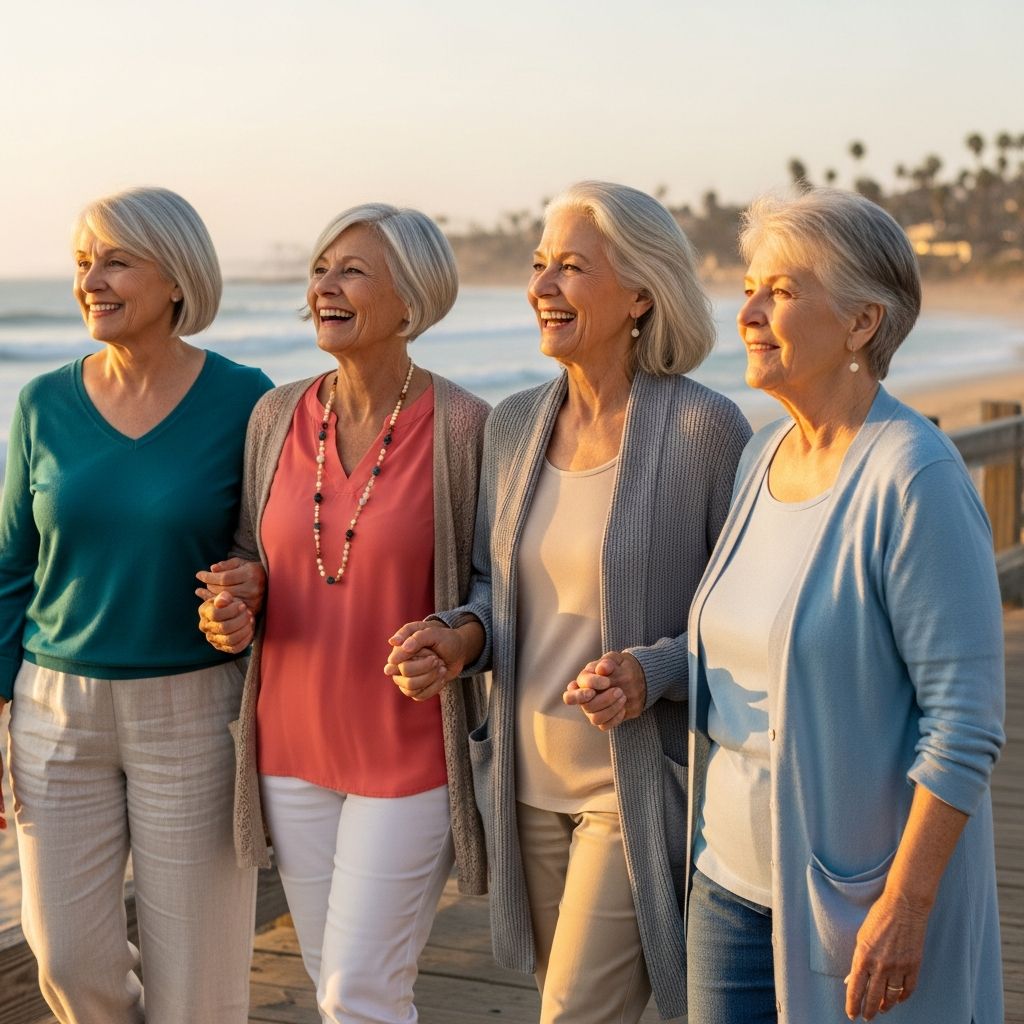
We’re often told that with age comes confidence and that as we grow older, we will feel more self-assured and comfortable in our own skin. In reality, though, women of all ages can struggle with poor body image, particularly as we age. Research shows women over 40 face a myriad of factors which influence the way they feel about their appearance, from seeing their bodies change, to feeling under pressure to rid themselves of lines or grey hairs.
“As I’ve got older, I actually feel less confident about the way I look,” says Jane*, 41. “I’m confident when it comes to my work and other aspects of my life, but I feel more conscious of my weight and lines on my face. I’m also busy working and looking after my family, so it’s difficult to make time for self-care.”
Why does body image change as we age?
Andrea Huttly, a psychotherapist, eating disorder therapist and service manager at Priory Arthur House, a residential service in south-west London for clients with eating disorders, explains that having a negative body image is a common problem among women as they grow older.
She identifies three main factors that impact how women experience their bodies in later life: ageing, life stages, and the underrepresentation of older women in the media.
Ageing and physiological changes
“As we go through life, our bodies experience constant change, which means that the way we see ourselves, and the relationship we develop with our bodies, will also change – and adjust – to the new you,” Huttly explains.
Over time, women’s bodies undergo hormonal, physiological, psychological, and environmental transformations. These include puberty, pregnancy, changes in family dynamics, menopause, retirement, and health problems. In particular, menopausal symptoms such as hot flushes, low libido, vaginal dryness, and night sweats can profoundly alter self-perception.
Research confirms that aging-related physiological changes shift the female body further from the thin-young-ideal societal standard of beauty. This includes shifts in body fat distribution towards the torso, increased adipose tissue, decreased muscle mass, and changes in skin coloration, firmness, and elasticity. For many women, menopause marks a tangible shift, with increases in body weight and fat mass conflicting with Western beauty standards. Perimenopausal women often report higher body image distress, even after controlling for BMI.
Additionally, medical conditions become more common with age, such as arthritis, osteoporosis, or chronic illnesses, which can alter body function and appearance, further impacting body image.
Life stages and transitions
Life priorities evolve with age, affecting body image differently across the lifespan. Adult women face unique psychosocial factors, including “old talk”—negative comments about aging appearance—which increases with age and correlates with body dissatisfaction, self-objectification, and ageing anxiety.
Post-pregnancy bodies, empty nest phases, or caregiving roles add layers of discomfort. Women in their 40s and beyond juggle career demands, family responsibilities, and personal health, leaving little room for self-care, as Jane described. Studies show that even normal-weight older women can feel dissatisfied, indicating body image issues transcend BMI.
Related Stories



Media underrepresentation
“Underrepresentation of beauty at any age in the media and an emphasis on the ‘young ideal’ can leave women feeling unable to meet expectations,” Huttly says. “In turn, this can cause high levels of stress and anxiety. It can make women feel undesirable, and there is a risk of them ‘disconnecting’ from their own body.”
This disconnection negatively affects self-identity and attractiveness, leading to feelings of failure, low self-esteem, self-harm, anxiety, and depression. The Office on Women’s Health notes that women with positive body image enjoy better physical and mental health, underscoring media’s role in perpetuating negativity.
How to improve your body image
Accepting yourself and developing a positive body image isn’t simple, but targeted steps can foster understanding and kinder self-treatment. Women with positive body images are more likely to maintain good health overall.
See beauty ideals for what they are
The first step is recognizing this as a long journey—body perception won’t shift overnight. “We need to deconstruct the ‘beauty ideal’ that society is selling us. It is unrealistic and unachievable in many cases,” Huttly advises.
Reflect on your definition of beauty: Are these your beliefs or echoes from childhood? Challenge thoughts about your body as a whole or specific parts. Reframe negatives: Instead of “I’m too wrinkly,” try “These lines show a life richly lived.” Question media influences and curate feeds with diverse, age-positive representations.
Practise gratitude
Despite perceived flaws, our bodies achieve remarkable feats daily. Practicing gratitude highlights abilities, skills, and achievements enabled by your body.
- Journal three things your body did well today, like carrying you through a walk or hugging loved ones.
- Place positive affirmations around mirrors: “My body is strong and capable” or “I am more than my appearance.”
- Be patient and gentle—progress is nonlinear.
Daily habits like these build self-love at any age, countering post-pregnancy or aging discomforts.
Seek professional help
If body image severely disrupts daily life, consult your GP. They may recommend therapy or medication. Cognitive behavioural therapy (CBT) is effective for poor body image, helping identify triggers and rewire thought patterns around appearance worries.
For eating disorders or severe distress, specialized services like Priory Arthur House provide residential support. Nurses can support dignity by appreciating older women’s body perceptions. Hormone replacement therapy may ease menopausal symptoms impacting body image, though attitudes toward menopause vary.
Practical Strategies Table
| Strategy | Description | Benefits |
|---|---|---|
| Challenge Ideals | Question societal standards and reframe thoughts | Reduces anxiety, builds realistic self-view |
| Gratitude Practice | Daily journaling of body positives | Increases appreciation, boosts mood |
| CBT Therapy | Professional sessions to alter thinking | Manages triggers, improves self-esteem |
| Media Curate | Follow diverse body representations | Counters underrepresentation effects |
| Physical Activity | Gentle exercise focused on function | Enhances strength, not thinness |
Frequently Asked Questions (FAQs)
Q: Is poor body image common in women over 50?
A: Yes, research shows body dissatisfaction persists and can increase due to aging changes, menopause, and media ideals, affecting over one-third of normal-weight older women.
Q: Does menopause always worsen body image?
A: Not invariably, but perimenopausal women often report higher distress from weight gain and symptoms, though factors like HRT and attitudes influence outcomes.
Q: Can therapy really help older women with body image?
A: Absolutely—CBT effectively identifies triggers and reframes thoughts, leading to better mental health and self-acceptance.
Q: How can media affect body image in later life?
A: Underrepresentation of older women promotes youth ideals, causing disconnection, stress, and low self-esteem.
Q: What daily habit improves body positivity?
A: Practicing gratitude for your body’s functions builds self-love and counters negative focus.
*Name has been changed. This article expands on evidence-based insights, emphasizing that positive body image links to overall well-being. Women experiencing severe symptoms should seek professional advice promptly.
References
- How to tackle poor body image in older women — Patient.info. 2020-11-22. https://patient.info/features/mental-health/how-to-tackle-poor-body-image-in-older-women
- Body Image in Adult Women: Moving Beyond the Younger Years — National Library of Medicine, NIH. 2015-06-09. https://pmc.ncbi.nlm.nih.gov/articles/PMC4452130/
- Body positivity: 7 daily habits for self-love and acceptance at any age — Patient.info. N/A. https://patient.info/features/mental-health/body-positivity-7-daily-habits-for-self-love-and-acceptance-at-any-age
- Body image — Office on Women’s Health, U.S. Department of Health and Human Services. 2023. https://womenshealth.gov/mental-health/body-image-and-mental-health/body-image
- The older woman’s body image — Nursing Older People (Ovid). 2010. https://www.ovid.com/journals/nrop/abstract/00130441-201002000-00025~the-older-womans-body-image
Similar Articles








Read full bio of Sneha Tete