How to Tell If a Food Is Ultra-Processed
Learn simple ways to spot ultra-processed foods in your grocery cart and why avoiding them supports better health outcomes.
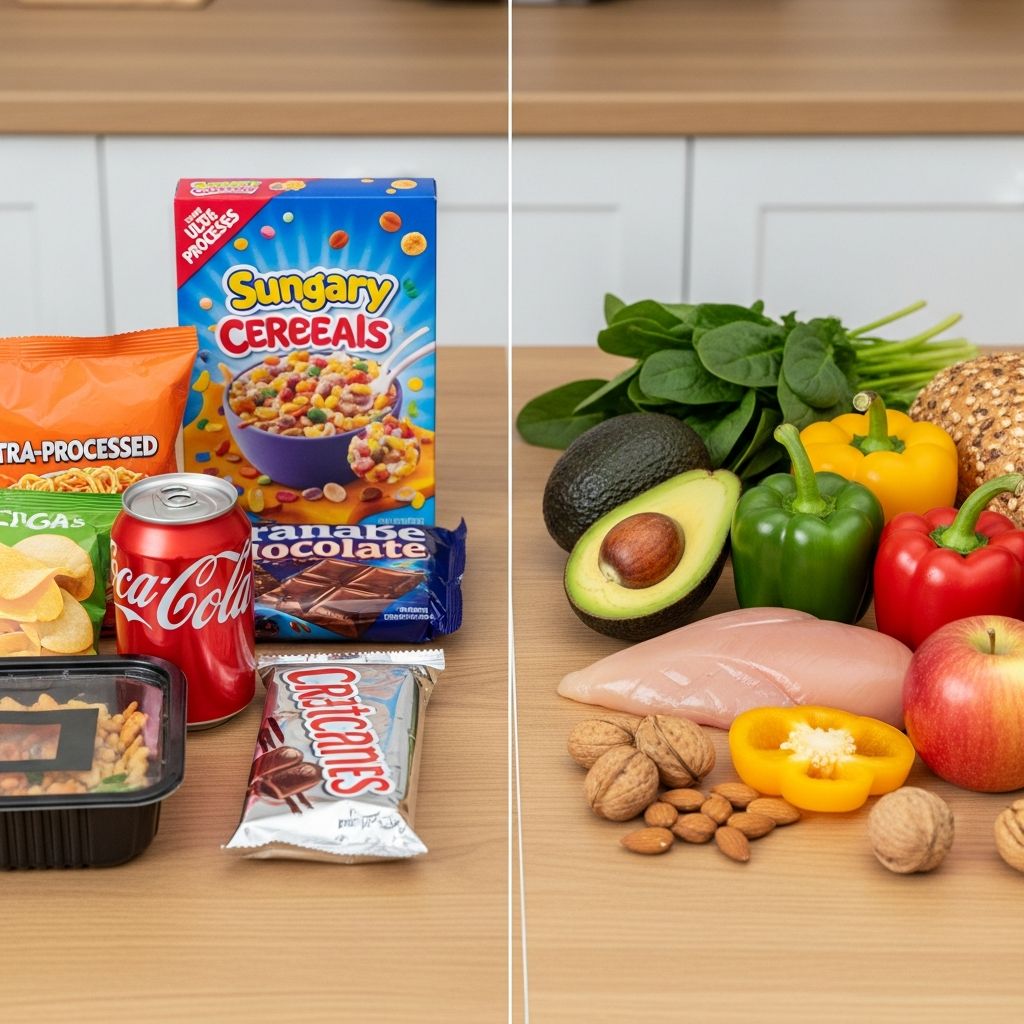
Ultra-processed foods (UPF) dominate modern diets, contributing to health issues like obesity, heart disease, and diabetes. These products, defined by industrial formulations with additives rarely used in home cooking, make up over 50% of calories in many diets. Understanding how to identify them empowers better food choices for long-term health.
What Are Ultra-Processed Foods?
Ultra-processed foods are industrial formulations typically containing five or more ingredients, including substances not used in home cooking like high-fructose corn syrup, hydrogenated oils, and modified starches. The
NOVA classification system
, developed by researchers at the University of Sao Paulo, categorizes foods into four groups based on processing extent: unprocessed or minimally processed foods, processed culinary ingredients, processed foods, andultra-processed foods (group 4)
. UPF are designed for palatability, convenience, and long shelf life, often mimicking real foods but with hyper-palatable profiles that encourage overconsumption.Examples include sugary cereals, sodas, packaged snacks, instant noodles, and ready-to-eat meals. Unlike minimally processed foods like fresh fruits or frozen vegetables, UPF undergo multiple industrial processes including extrusion, molding, and prefabrication.
Why Do Ultra-Processed Foods Matter for Health?
High UPF consumption links to adverse outcomes. A landmark randomized controlled trial showed participants on a UPF diet consumed 500 more calories daily and gained 2 pounds in two weeks compared to a minimally processed diet, despite matched nutrients. Observational studies associate UPF with 62% higher obesity risk, cardiovascular disease, type 2 diabetes, and all-cause mortality.
Mechanisms include poor nutrient profiles—high in added sugars, unhealthy fats, and sodium, low in fiber and protein—plus rapid digestibility promoting overeating. Additives may disrupt gut health and metabolism. The
PREDIMED-Plus cohort
analysis revealed discordance across classification systems (NOVA, UNC, EPIC, IFIC), questioning if processing or additives drive risks. Total diet studies targeting additives are recommended for clarity.How to Spot Ultra-Processed Foods: 7 Key Signs
Reading labels reveals UPF. Here are seven red flags:
- Ingredient list longer than 5-6 items: Simple foods like apple have one ingredient; UPF have dozens.
- Unknown chemicals: Ingredients like maltodextrin, emulsifiers (e.g., soy lecithin), or artificial flavors not found in kitchens signal UPF.
- Added sugars in multiple forms: Dextrose, sucrose, or syrups indicate heavy processing.
- Hydrogenated or partially hydrogenated oils: Trans fats for shelf life.
- Artificial sweeteners or colors: Aspartame, Red 40—rarely home-used.
- Modified starches or proteins: Texturizers like hydrolyzed soy protein.
- Preservatives like BHA/BHT: Extend shelf life beyond natural foods.
Use the
5-finger rule
: If you can’t pronounce or recognize most ingredients, it’s likely UPF.The NOVA Food Classification System Explained
The gold standard for identifying UPF is the
NOVA system
:| NOVA Group | Description | Examples |
|---|---|---|
| Group 1: Unprocessed/Minimally Processed | Fresh, dried, ground, frozen, or pasteurized without additives | Fruits, vegetables, grains, milk, meat, nuts |
| Group 2: Processed Culinary Ingredients | Oils, butter, sugar, salt, vinegar—used in cooking | Olive oil, honey |
| Group 3: Processed Foods | Simple recipes with groups 1+2 (e.g., canning, smoking) | Canned vegetables, cheese, fruits in syrup, salted/fried nuts |
| Group 4: Ultra-Processed | Industrial formulations with additives for appeal/convenience | Sodas, packaged breads, nuggets, ice cream, instant soups |
NOVA emphasizes processing over nutrients, as UPF often displace healthier options.
Related Stories



Common Examples of Ultra-Processed vs. Minimally Processed Foods
Compare these swaps:
- Bread: UPF store loaf (20+ ingredients, dough conditioners); minimally processed: Sourdough with flour, water, salt, yeast.
- Yogurt: Flavored with sugar syrups vs. plain Greek yogurt.
- Chips: Potato chips with flavor enhancers vs. homemade baked potatoes.
- Cereal: Sugary flakes vs. plain oats.
- Chicken: Nuggets with fillers vs. grilled breast.
A study found UPF linked to faster eating rates and higher energy intake, independent of texture in some cases.
Health Risks of Eating Too Many Ultra-Processed Foods
Global UPF consumption rises, comprising 58% of U.S. calories. Risks include:
- Obesity/Weight Gain: Promote overeating via palatability and texture.
- Heart Disease: High sodium/saturated fats; 29% higher CVD risk.
- Diabetes: 40% increased type 2 risk.
- Mental Health: Links to depression/anxiety.
- Cancer/Gut Issues: Emulsifiers disrupt microbiome.
Not all studies confirm causality; confounding by lifestyle exists, but RCTs support harm.
5 Practical Tips to Avoid Ultra-Processed Foods
- Shop the perimeter: Focus on produce, meats, dairy.
- Read labels first: Choose <5 recognizable ingredients.
- Cook from scratch: Use whole foods and spices.
- Batch prep meals: Freeze homemade portions.
- Gradual swaps: Replace one UPF weekly (e.g., soda → water).
Challenges and Controversies in UPF Classification
Critics note NOVA’s subjectivity; e.g., chocolate classified UPF despite nutrient benefits. Discordance across systems (NOVA vs. UNC/EPIC/IFIC) questions utility. Energy balance studies show mixed obesity links, urging focus on additives via total diet studies.
Frequently Asked Questions (FAQs)
Are all packaged foods ultra-processed?
No. Frozen berries or canned beans (in water) are minimally processed if no additives.
Is bread always ultra-processed?
Many commercial breads are; artisanal with few ingredients aren’t.
Can I eat UPF occasionally?
Moderation key; aim for <20% diet calories from UPF.
What about plant-based UPF like fake meats?
Often UPF due to isolates, binders, flavors.
Do organic UPF exist?
Yes, but processing/additives still apply; check labels.
Take Control of Your Diet Today
Identifying UPF starts with awareness. Prioritize whole foods for satiety, nutrition, and disease prevention. Small changes yield big results.
References
- Ultra-processed Foods: Unanswered Questions — Public Health Nutrition (PMC). 2023-05-11. https://pmc.ncbi.nlm.nih.gov/articles/PMC10197074/
- Ultra-processed foods and health: a comprehensive review — Taylor & Francis (Critical Reviews in Food Science and Nutrition). 2022-06-20. https://www.tandfonline.com/doi/full/10.1080/10408398.2022.2084359
- NOVA: Characterization and Monitoring of the Processing of Foods — Public Health Nutrition (Cambridge Core). 2019-12-16. https://www.cambridge.org/core/journals/public-health-nutrition/article/nova-characterisation-and-monitoring-of-the-processing-of-foods/
- Ultra-Processed Food Consumption and Obesity in the French Adults — PLOS One. 2020-07-29. https://journals.plos.org/plosone/article?id=10.1371/journal.pone.0237240
- Consumption of ultra-processed foods and health outcomes — BMJ. 2019-07-09. https://www.bmj.com/content/365/bmj.l1609
Similar Articles








Read full bio of medha deb