How To Tell If You Have A Hernia: 4 Key Symptoms To Watch
Recognize hernia symptoms early and understand when to seek medical care.
How to Tell If You Have a Hernia
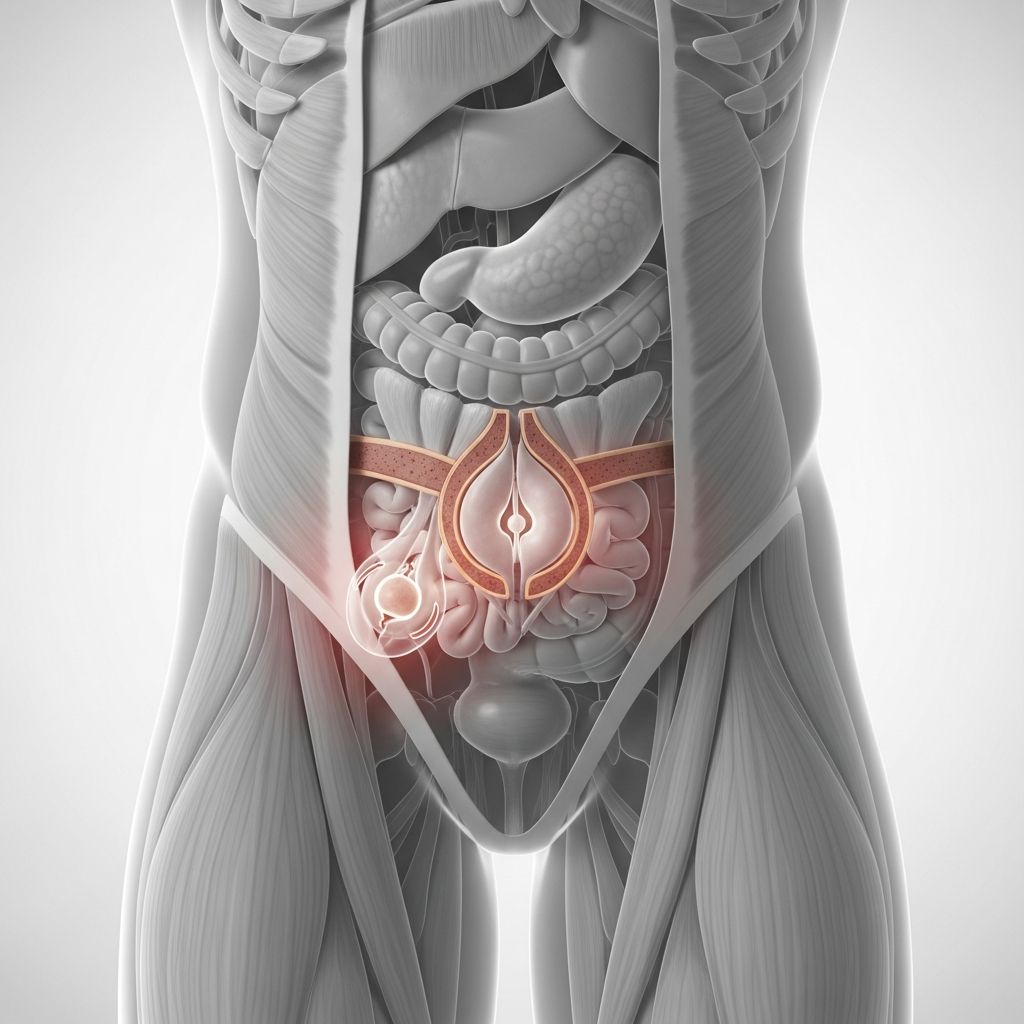
A hernia occurs when an internal organ or tissue pushes through a weakness in the surrounding muscle or connective tissue. This protrusion can create a noticeable bulge or lump beneath the skin, and while some hernias are painless, others may cause significant discomfort. Understanding the signs and symptoms of a hernia is essential for recognizing when you need medical attention and receiving appropriate treatment.
What Is a Hernia?
A hernia develops when fatty tissue or an internal organ protrudes through a weak spot or tear in the abdominal wall or surrounding muscles. The most common types include inguinal hernias (occurring in the groin area), umbilical hernias (near the belly button), incisional hernias (resulting from surgical scars), and hiatal hernias (in the upper stomach area). Each type presents with its own set of symptoms and may require different treatment approaches.
Common Symptoms of Hernias
Visible Bulge or Lump
One of the most recognizable signs of a hernia is a visible bulge or lump in the affected area. This bulge may appear and disappear, particularly when lying down or applying gentle pressure. The bulge often becomes more pronounced when you strain, cough, lift heavy objects, or engage in strenuous physical activity. In many cases, the bulge will diminish or disappear completely when you lie flat and relax your abdominal muscles.
Pain and Discomfort
While not all hernias cause pain, many people experience discomfort ranging from mild to severe. The pain may be sharp or dull and typically worsens with activity. Some individuals describe a sensation of heaviness or fullness in the affected region. The intensity of pain often correlates with the size of the hernia and the amount of tissue protruding through the weakness.
Pressure and Fullness
Many people with hernias report feeling a sense of pressure or fullness in the affected area. This sensation may be particularly noticeable after eating a large meal or following physical exertion. The feeling of heaviness can persist throughout the day and may be relieved by lying down or reducing physical activity.
Symptoms Related to Activity
Hernia symptoms often become more apparent during or after certain activities. Heavy lifting, coughing, straining during bowel movements, or prolonged standing can all trigger or exacerbate symptoms. The bulge typically enlarges when you’re upright and active but may reduce in size when you rest or lie down.
Location-Specific Symptoms
Inguinal (Groin) Hernias
Inguinal hernias are the most common type and account for approximately 75% of all abdominal hernias. They occur when tissue protrudes into the groin area and are significantly more common in men than women—roughly ten times more prevalent in men. This difference stems from anatomical variations that develop during male fetal development when the testicles descend from the abdomen. Approximately one in four men may develop a groin hernia during their lifetime. Symptoms include a bulge in the groin or scrotum, pain or burning sensation in the groin area, and a feeling of weakness or pressure in the groin.
Related Stories



Umbilical Hernias
Umbilical hernias appear as a bulge or swelling near the belly button and are particularly common in infants and young children. In adults, they may result from pregnancy, obesity, or repeated strain on the abdominal muscles. Symptoms include a noticeable bulge near the navel, which may become larger when you cough, cry, or strain.
Incisional Hernias
These hernias develop along surgical incision sites and typically appear months or years after surgery. Risk factors for incisional hernias include smoking, obesity, pregnancy, and infection at the surgical site. Symptoms include a bulge or lump along the surgical scar, pain around the incision area, and discomfort when lifting or straining.
When to Seek Medical Attention
Emergency Warning Signs
Certain symptoms indicate a medical emergency and require immediate professional attention. Contact emergency services or go to the nearest emergency room if you experience a sudden onset of severe pain, a bulge that becomes red, purple, or unusually dark in color, nausea or involuntary vomiting, bloody stools, or extreme tenderness at the hernia site. These signs may indicate a strangulated hernia, where the protruding tissue becomes trapped and loses blood supply—a condition that requires urgent surgical intervention.
When to Schedule an Appointment
Schedule an appointment with your healthcare provider if you notice a persistent bulge or lump, experience pain or discomfort that affects your daily activities, have symptoms that worsen over time, or if the bulge continues to grow. Your doctor can perform a physical examination and, if necessary, order imaging studies to confirm the diagnosis and determine the best course of action.
Diagnosis and Evaluation
Physical Examination
Your healthcare provider will typically begin with a thorough physical examination. They may ask you to stand, cough, or strain to observe whether the bulge becomes more prominent. In many cases, a skilled physician can diagnose a hernia simply through palpation and careful observation of the area during various activities.
Imaging Studies
While physical examination often suffices for diagnosis, your doctor may recommend imaging tests such as ultrasound, CT scan, or MRI if the diagnosis is unclear or if they need to assess the contents of the hernia more precisely. These imaging techniques help determine the size and composition of the hernia and guide treatment decisions.
Treatment Options
Watchful Waiting
If a hernia is discovered during a routine examination but is not causing symptoms or problems, your doctor may recommend watchful waiting. Many asymptomatic hernias can be monitored over time without immediate intervention. You should continue regular follow-up appointments to ensure the hernia is not growing or causing complications.
Conservative Management
For mild symptoms, conservative measures may provide relief. These include avoiding heavy lifting and strenuous activities, wearing a supportive hernia truss or binder to reduce discomfort, and making lifestyle modifications such as losing weight if you’re overweight and avoiding constipation.
Surgical Repair
Surgery becomes necessary when a hernia causes significant pain, continues to grow, or risks becoming strangulated. Two main surgical approaches exist: open repair and laparoscopic repair. Open repair involves a larger incision (approximately 5 centimeters) through which the surgeon identifies the hernia, returns the protruding contents to their proper position, and reinforces the repair with mesh. Laparoscopic repair uses much smaller incisions (roughly the size of a thumbnail or eraser head) and a tiny camera to guide the procedure, allowing the surgeon to achieve similar results with minimal tissue trauma.
Risk Factors and Prevention
Common Risk Factors
Several factors increase your likelihood of developing a hernia, including age, male gender, family history of hernias, pregnancy, obesity, chronic cough or respiratory conditions, straining during bowel movements, and smoking. Previous abdominal surgery also increases the risk of incisional hernia development.
Prevention Strategies
While some risk factors cannot be modified, you can reduce your hernia risk through several strategies: maintain a healthy weight through balanced nutrition and regular exercise, strengthen your core muscles with appropriate exercises, avoid heavy lifting or use proper lifting techniques, manage chronic cough or respiratory conditions, prevent constipation through adequate fiber and hydration, and quit smoking if applicable. These lifestyle modifications can significantly decrease your probability of developing a hernia.
Living with a Hernia
Activity Modifications
If you have been diagnosed with a hernia, certain lifestyle adjustments can minimize symptoms and prevent complications. Avoid heavy lifting (generally anything over 10-15 pounds), limit strenuous physical activities, use proper body mechanics when lifting or bending, and take regular breaks during extended activities. Always consult your healthcare provider before resuming exercise or strenuous activities following diagnosis.
Pain Management
Over-the-counter pain relievers such as acetaminophen or ibuprofen may help manage mild discomfort. Your doctor may also recommend wearing a supportive binder or truss to reduce pain and provide stabilization. Applying ice packs to the area may also provide temporary relief from discomfort.
Recovery After Hernia Surgery
Hernia repair surgery is typically performed as a same-day outpatient procedure, allowing you to return home the same day. Immediately after surgery, you will recover in the postoperative room while anesthesia wears off. Most patients experience minimal pain immediately following surgery due to local numbing medication, though discomfort may increase the following day. Pain medications provided by your healthcare team can manage this discomfort effectively.
Recovery timelines vary depending on the surgical approach used. Most patients can return to light desk work within a few days, though they should avoid driving until completely off pain medication. Complete recovery typically occurs within four to six weeks, at which point you can resume normal activities and exercise. Your surgeon will provide specific restrictions and recommendations based on your individual circumstances and the type of repair performed.
Frequently Asked Questions
Q: Can a hernia go away on its own?
A: No, hernias do not heal or resolve without surgical intervention. While symptoms may improve with conservative measures, the physical defect remains and may worsen over time. Surgery is the only way to permanently repair a hernia.
Q: How common are hernias?
A: Hernias are quite common, particularly inguinal hernias in men. Approximately one in four men may develop a groin hernia during their lifetime, making it one of the most frequently encountered conditions in general surgery.
Q: Is hernia surgery dangerous?
A: Hernia repair surgery is generally safe, with low complication rates when performed by experienced surgeons. Like any surgery, it carries minor risks including infection, bleeding, and anesthesia complications. Your surgeon will discuss potential risks specific to your situation.
Q: Can a hernia recur after surgery?
A: Yes, hernias can recur after surgical repair, though modern mesh techniques have significantly reduced recurrence rates. Factors increasing recurrence risk include smoking, obesity, and straining that increases abdominal pressure. Following your surgeon’s postoperative instructions can minimize recurrence risk.
Q: How do I know if my hernia is an emergency?
A: Seek emergency care if you experience sudden severe pain, redness or discoloration of the bulge, nausea or vomiting, difficulty passing stool, or if the bulge becomes hard and cannot be gently pushed back. These signs may indicate a strangulated hernia requiring urgent intervention.
Q: Can I exercise with a hernia?
A: Light exercise may be tolerable depending on hernia size and symptoms, but strenuous activities and heavy lifting should be avoided. Always consult your healthcare provider about appropriate exercise for your specific condition before beginning any fitness program.
References
- Inguinal Hernia Symptoms and Treatment — Johns Hopkins Howard County Medical Center. 2014. https://www.hopkinsmedicine.org/health/conditions-and-diseases/how-to-tell-if-you-have-a-hernia
- Inguinal Hernia Repair — MedlinePlus. November 09, 2016. https://medlineplus.gov/ency/article/007406.htm
- Inguinal Hernia — Cleveland Clinic. April 26, 2022. https://my.clevelandclinic.org/health/diseases/16266-inguinal-hernia
- Abdominal Hernia — Pluta RM, Burke AE, Golub RM. JAMA. 2011;305(20):2130. https://jamanetwork.com/journals/jama/fullarticle/900171
- Ventral (Abdominal) Hernia — Johns Hopkins Medicine. December 19, 2022. https://www.hopkinsmedicine.org/health/conditions-and-diseases/hernias/ventral-abdominal-hernia
- Smoking is a Risk Factor for Incisional Hernia — Sorenson, Hemmingsen, Kirkeby et al. JAMA. February 1, 2005. https://jamanetwork.com
Similar Articles








Read full bio of medha deb