Winter Viruses in Kids: Spot the Differences
Learn to identify common winter viruses in children by their unique symptoms, onset, and treatments for better care.
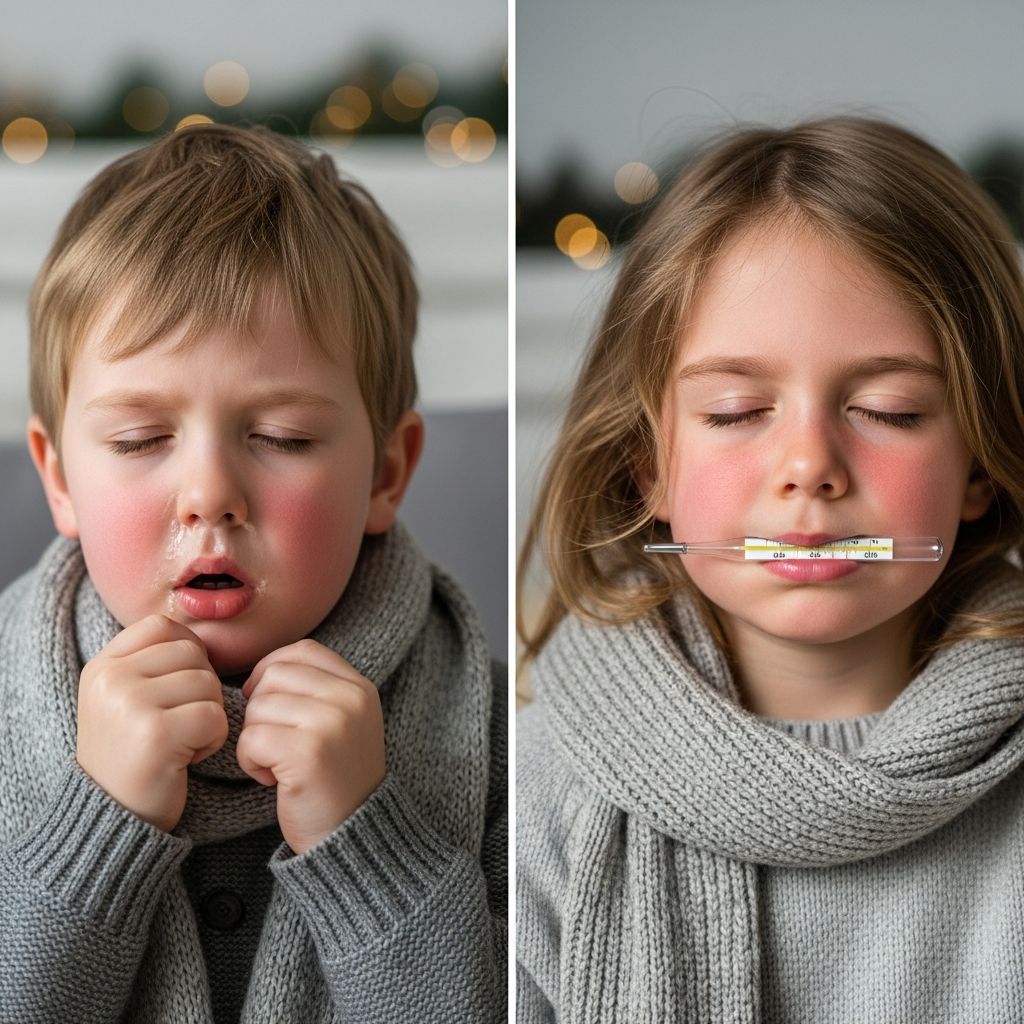
Winter brings a surge in respiratory viruses affecting children, from mild colds to serious infections like RSV and flu. Distinguishing them early helps parents provide appropriate care and know when to seek medical help. This guide covers symptoms, onset, duration, and management for the most common winter illnesses in kids.
Why Winter Viruses Hit Kids Harder
Children, especially under 5, face higher risks from winter viruses due to immature immune systems and frequent exposure in schools or daycare. Viruses thrive in cold, dry air, leading to crowded indoor spaces. Common culprits include rhinoviruses (colds), influenza, RSV, and coronaviruses. Early recognition prevents complications like hospitalization for RSV in infants.
Symptoms often overlap—runny nose, cough, fever—but differ in severity, onset speed, and additional signs. Most resolve with supportive care, but high-risk groups (infants, preterm babies, those with chronic conditions) need monitoring.
The Common Cold: Mild and Frequent
The common cold, caused by over 100 viruses like rhinovirus, is the most frequent winter illness in kids. Symptoms develop gradually over 1-3 days and last 5-14 days. Unlike flu, vomiting and diarrhea are rare.
- Onset: Gradual
- Symptoms: Runny or stuffy nose, sneezing, sore throat, mild cough, low-grade fever (under 100.4°F), mild headache
- Severity: Mild; no severe aches or chills
- Duration: 7-10 days, peaking early
Treatment focuses on comfort: hydration, rest, saline drops, humidifier. Avoid OTC cough/cold meds for kids under 6 due to risks. Colds build immunity but recur often.
Influenza (Flu): Sudden and Severe
Flu, caused by influenza A or B, strikes abruptly and can lead to pneumonia or hospitalization. It’s highly contagious via droplets. Annual vaccination is key prevention.
| Symptom | Flu | Cold |
|---|---|---|
| Onset | Abrupt (hours) | Gradual (days) |
| Fever | High (103-104°F), 3-4 days | Rare/low-grade |
| Aches/Chills | Severe | Slight/none |
| Cough | Severe, dry | Mild/hacking |
| Fatigue | Marked, weeks | Mild |
Other signs: sore throat, runny nose, headache, vomiting/diarrhea (more in kids). Antivirals like Tamiflu work best within 48 hours. Symptoms last 1-2 weeks.
RSV (Respiratory Syncytial Virus): Dangerous for Babies
RSV causes cold-like symptoms in older kids but bronchiolitis or pneumonia in infants under 1. It’s the top cause of infant hospitalization in winter. Spreads via touch and surfaces.
- Onset: Slow, worsens days 3-7
- Symptoms: Runny nose, cough, fever, wheezing, rapid/shallow breathing, apnea in newborns, poor feeding
- Red Flags: Grunting, nostril flaring, rib retractions, cyanosis
- Duration: 1-3 weeks
No specific antiviral; supportive care includes oxygen if needed. High-risk infants may get preventive antibodies. Handwashing prevents spread.
COVID-19: Lingering Respiratory Threat
SARS-CoV-2 causes variable symptoms in kids, often milder than adults but can lead to multisystem issues. Vaccination and boosters reduce severity.
Related Stories



- Onset: Gradual to sudden
- Symptoms: Fever/chills, dry cough, fatigue, muscle aches, loss of taste/smell (less common now), sore throat, congestion; GI issues in some
- Severity: Mild in most kids; watch for prolonged fever or breathing issues
- Duration: 1-2 weeks, longer with Long COVID
Test early; antivirals for high-risk cases. Isolate to protect others.
Other Winter Illnesses: Strep, Stomach Bugs, and More
Strep Throat
Bacterial (not viral), but mimics sore throat viruses. No cough/runny nose. Signs: high fever, painful swallowing, headache, stomachache, rash (scarlet fever).
Test and treat with antibiotics to avoid abscess or rheumatic fever.
Gastroenteritis (Stomach Flu)
Norovirus/rotavirus cause vomiting, watery diarrhea, mild fever, cramps. Lasts 1-3 days (vomiting), up to 8 days (diarrhea). Hydrate aggressively; vaccines available for rotavirus.
Enteroviruses/Rhinoviruses
Beyond colds: fever, mouth sores, rash, meningitis (stiff neck), heart issues. Monitor severe symptoms.
Comparison Table: Key Differences
| Illness | Onset | Fever | Cough | Other Key Signs | Duration |
|---|---|---|---|---|---|
| Common Cold | Gradual | Low/rare | Mild | Sneezing, runny nose | 5-14 days |
| Flu | Sudden | High | Severe | Aches, chills, fatigue | 1-2 weeks |
| RSV | Slow, peaks day 3-5 | Mild-moderate | Wheezy | Breathing distress | 1-3 weeks |
| COVID-19 | Varies | Variable | Dry | Loss of taste/smell | 1-2+ weeks |
Prevention: Stop the Spread
- Flu vaccine annually for all >6 months
- Handwashing with soap 20 seconds
- Cover coughs, avoid face touching
- Stay home when sick
- RSV: Avoid crowds for infants; palivizumab for high-risk
- COVID: Masks in high-risk settings, up-to-date vaccines
Clean surfaces; breastfeed for immune boost.
Treatment Basics for All
Supportive care works for viruses: fever reducers (acetaminophen/ibuprofen per age/weight), fluids, rest, humidified air. No antibiotics unless bacterial. Hydration prevents dehydration from fever/diarrhea.
When to See a Doctor: Red Flags
- Breathing difficulty (fast rate, retractions, wheezing)
- Fever >104°F or lasting >3 days in infants
- Lethargy, dehydration (dry diapers, no tears)
- Apnea or blue lips
- Ear pain, stiff neck, rash not blanching
- Infant <3 months with fever
Call 911 for severe distress. Early intervention saves lives, especially for RSV/flu.
Frequently Asked Questions (FAQs)
Q: How do I tell if it’s a cold or flu in my child?
A: Flu hits suddenly with high fever, aches, chills; colds are gradual with milder symptoms and prominent runny nose/sneezing.
Q: Is RSV worse than the flu for babies?
A: RSV often causes more breathing issues in infants, leading to higher hospitalization rates, while flu causes systemic symptoms.
Q: Can kids get multiple winter viruses at once?
A: Yes, co-infections occur, complicating symptoms; testing clarifies.
Q: When should I test for COVID-19 or flu?
A: If sudden fever/cough, exposure history, or during peak season. Home tests available.
Q: Are antibiotics needed for these viruses?
A: No, they don’t help viruses and promote resistance. Use only for confirmed bacterial like strep.
Q: How effective is the flu vaccine for kids?
A: 40-60% effective against illness; best at preventing severe cases.
References
- Common Winter Illnesses in Kids — Children’s Health. 2023. https://www.childrens.com/health-wellness/5-common-winter-illnesses-in-kids
- Best Ways to Manage and Treat Children’s Winter Viruses — Vickery Pediatrics. 2023. https://www.vickerypediatrics.com/winter-viruses/
- Respiratory Illness in Kids — Children’s Hospital Colorado. 2023. https://www.childrenscolorado.org/just-ask-childrens/articles/coronavirus-and-flu-symptoms/
- Winter Bugs: Is It the Flu, COVID-19, Pneumonia or a Cold? — eCommunity Health Network. 2025. https://www.ecommunity.com/healthminute/2025/winter-bugs-it-flu-covid-19-pneumonia-or-cold
- Watch Out for Winter Germs! — PA Promise for Children. 2023. https://papromiseforchildren.com/featured-articles/watch-out-for-winter-germs/
Similar Articles








Read full bio of Sneha Tete