How To Treat A Stye: Complete Guide For Faster Healing
Effective home remedies, medical treatments, and prevention strategies for relieving stye pain and promoting fast healing.
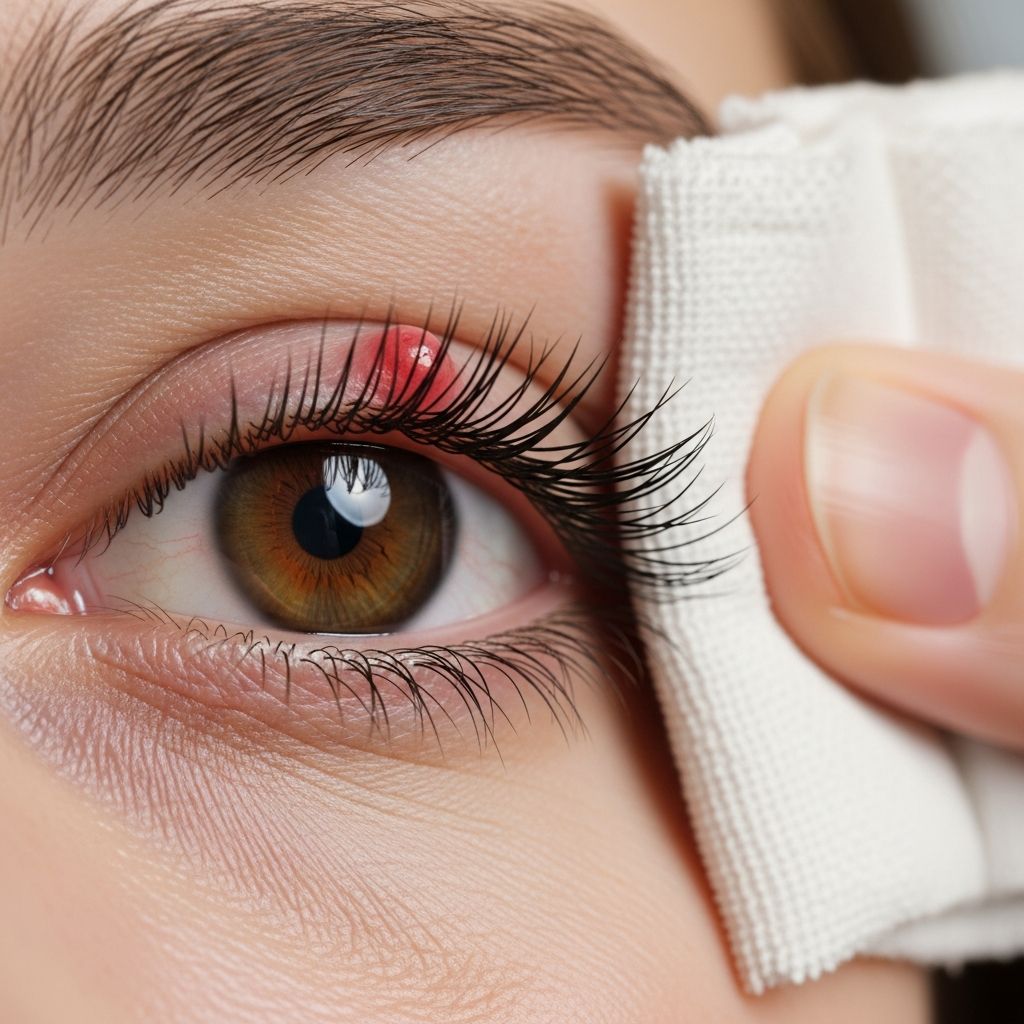
A stye, medically known as a hordeolum, is a common, painful lump on the eyelid caused by a bacterial infection in an oil gland or hair follicle. Most styes resolve on their own within 1-2 weeks with simple home care, but proper treatment speeds healing and prevents complications like chalazia or cellulitis.
What Is a Stye?
A
stye
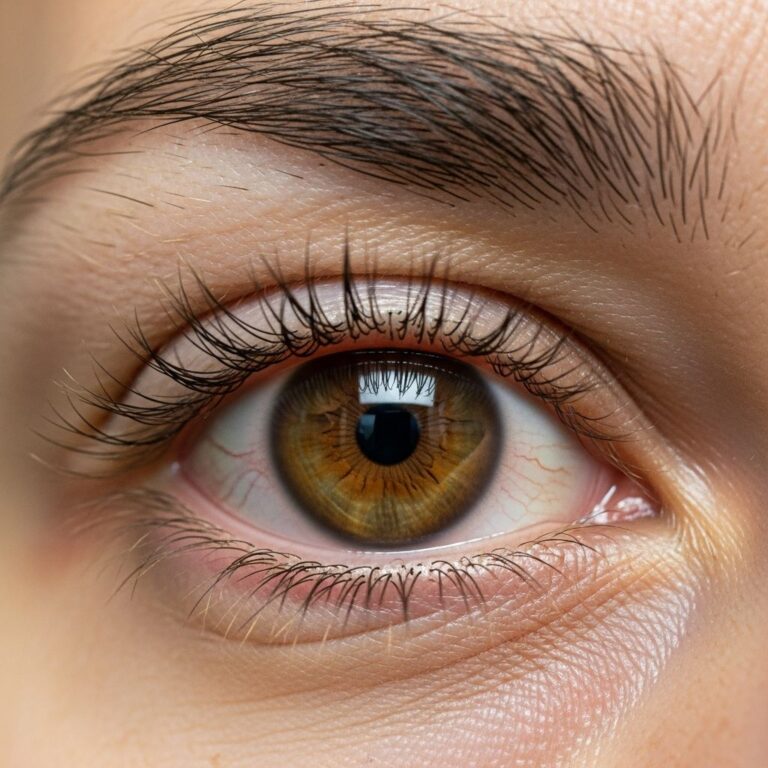
(hordeolum) forms when *Staphylococcus aureus* bacteria infects the eyelid’s sebaceous glands (external stye on the outside) or meibomian glands (internal stye inside the lid). It appears as a red, tender bump resembling a pimple, often with swelling, crusting, and pus. Unlike a chalazion—a chronic, non-infectious blocked gland—a stye is acutely infected and painful.Styes affect people of all ages but are more common in those with poor eyelid hygiene, blepharitis, rosacea, or diabetes. They are highly contagious via touch, so handwashing is essential.
Symptoms of a Stye
Recognizing stye symptoms early allows prompt treatment. Common signs include:
- A tender, red bump on the eyelid edge or under the lid.
- Swelling and localized eyelid pain.
- Tearing, crusting, or yellow discharge.
- Sensitivity to light or blurred vision if severe.
- A white or yellow pus-filled head after a few days.
Symptoms peak around days 4-8 before improving. Internal styes may cause more diffuse swelling.
Stye vs. Chalazion: Key Differences
| Feature | Stye (Hordeolum) | Chalazion |
|---|---|---|
| Onset | Acute (sudden, painful) | Chronic (gradual, painless) |
| Cause | Bacterial infection | Blocked oil gland (no infection) |
| Appearance | Red, pus-filled pimple | Firm, painless lump |
| Treatment | Warm compresses, antibiotics if needed | Warm compresses, possible steroid injection/surgery |
| Duration | 1-2 weeks | Weeks to months |
Untreated styes can evolve into chalazia.
How to Treat a Stye at Home
Home remedies are first-line for uncomplicated styes, promoting drainage and fighting infection naturally.
Warm Compresses
Apply a
warm compress
3-4 times daily for 10-15 minutes. Soak a clean cloth in warm (not hot) water, wring it out, and place over the closed eye. Rewet as it cools. This melts blocked oils, boosts blood flow, and delivers immune cells to speed resolution.Tip: Use a microwaveable eye mask like Bruder for consistent heat.
Eyelid Hygiene
Clean the lid margins daily with diluted baby shampoo, commercial lid wipes (e.g., TheraLid, Systane), or hypochlorous acid sprays. Gently massage the area after compresses to express pus.
Pain Relief
Over-the-counter pain relievers like ibuprofen or acetaminophen reduce discomfort and swelling.
What Not to Do
- Don’t squeeze or pop it: This spreads infection.
- Avoid eye makeup and contacts: Until healed.
- Don’t use contacts or makeup: They trap bacteria.
When to See a Doctor for a Stye
Seek medical care if:
- No improvement after 48 hours of home treatment.
- The stye is very large, blocks vision, or affects the whole eyelid.
- Signs of cellulitis: fever, red streaks, severe swelling.
- Frequent recurrences or underlying conditions like rosacea.
Related Stories



Medical Treatments for Styes
For persistent cases, doctors escalate care.
Antibiotic Ointments and Drops
Topical erythromycin (0.5%) or bacitracin ointment applied 2-4 times daily treats secondary infections. Penetration is limited, so not always first-line.
Oral Antibiotics
For cellulitis or severe cases: amoxicillin-clavulanate (500-875 mg twice daily) or doxycycline (100 mg daily). Duration: 7-10 days. Doxycycline helps with associated blepharitis.
Surgical Drainage
If no resolution in 1-2 weeks or abscess forms, an ophthalmologist performs incision and drainage. Local anesthesia is used; relief is immediate.
Steroid Injections
For chalazia-like lesions: intralesional triamcinolone (0.05-0.2 mL) reduces inflammation.
Stye Prevention Tips
Prevent recurrences by addressing risk factors:
- Maintain daily lid hygiene with warm compresses and scrubs.
- Remove eye makeup nightly; replace mascara every 3 months.
- Avoid touching eyes; wash hands frequently.
- Manage blepharitis or rosacea with low-dose doxycycline if recurrent.
- Use artificial tears for dry eyes; proper contact lens care.
The American Academy of Ophthalmology emphasizes hygiene as key to prevention.
Styes in Children and Special Populations
Children get styes from rubbing eyes or poor hygiene. Use gentler compresses and supervise cleaning. Diabetics or immunocompromised patients need prompt evaluation to avoid complications.
Potential Complications of Styes
Rare but serious:
- Chalazion: Persistent blockage.
- Preseptal cellulitis: Spreading infection.
- Orbital cellulitis: Emergency requiring IV antibiotics.
Frequently Asked Questions (FAQs)
Will a stye go away on its own?
Yes, most styes resolve in 7-14 days with home care.
How long does a stye last?
Typically 1-2 weeks; chalazia up to 6 months.
Can I wear contacts with a stye?
No, avoid until fully healed to prevent spread.
Is it safe to pop a stye?
No, it risks worsening infection.
Do styes need antibiotics?
Usually not; only for severe or spreading cases.
Can babies get styes?
Yes; treat with gentle compresses and see a pediatrician if persistent.
This guide equips you with evidence-based strategies for stye management. Consistent hygiene and early intervention ensure quick recovery.
References
- Hordeolum (Stye) – StatPearls — NCBI Bookshelf / NIH. 2023-07-17. https://www.ncbi.nlm.nih.gov/books/NBK459349/
- How to treat a stye in your eye. What to do & biggest mistakes — YouTube / Eye Doctor. Accessed 2026. https://www.youtube.com/watch?v=Ge4r-Pt_qnM
- Stye — Healthdirect / Australian Government. Accessed 2026. https://www.healthdirect.gov.au/stye
Similar Articles








Read full bio of Sneha Tete