How to Treat Hormonal Acne Without Birth Control
Discover effective, non-hormonal strategies to manage and clear hormonal acne through skincare, lifestyle changes, and proven treatments.
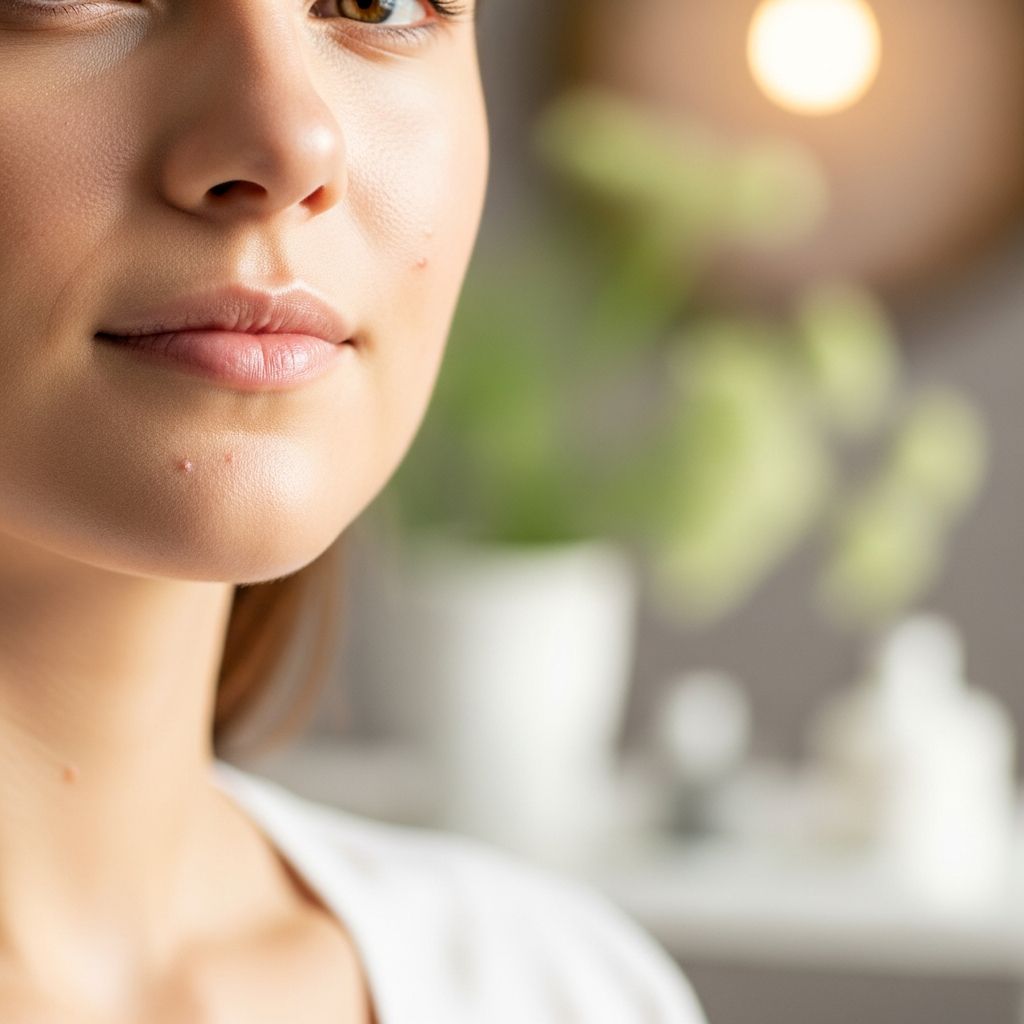
Hormonal acne affects many adults, particularly women, due to fluctuations in androgens that increase oil production and clog pores. Effective treatments exist beyond birth control, focusing on topical therapies, anti-androgens like spironolactone, lifestyle adjustments, and professional interventions.
What Is Hormonal Acne?
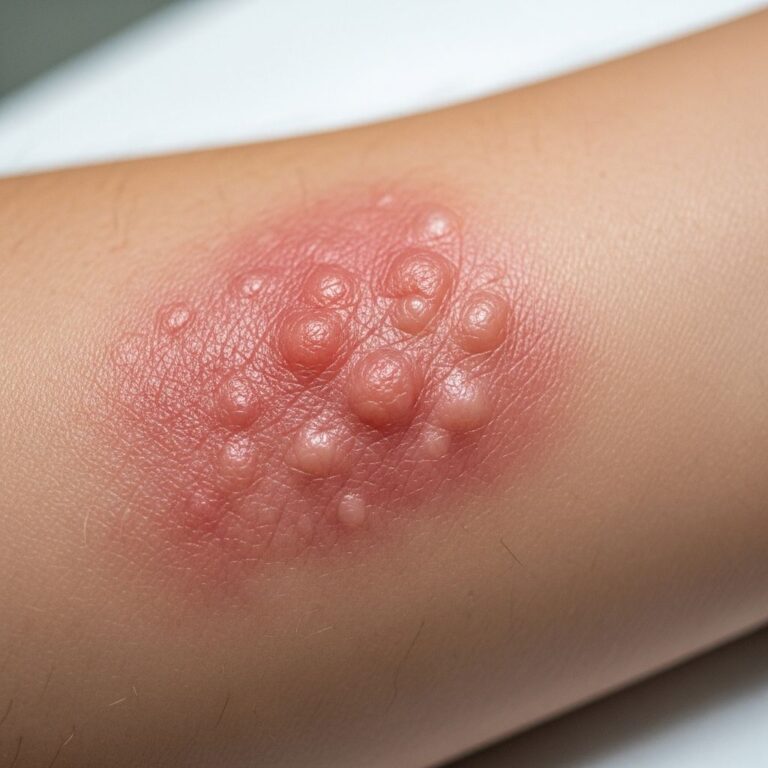
Hormonal acne arises from elevated androgen levels, which stimulate sebaceous glands to produce excess sebum, leading to clogged follicles, inflammation, and breakouts. It often appears along the jawline, chin, and lower face, worsening cyclically with menstrual cycles, stress, or conditions like PCOS. Unlike teenage acne, adult hormonal acne is deeper, with cysts and nodules, and resists standard treatments.
Research indicates acne vulgaris links to hyperandrogenism, even without overt symptoms, presenting as severe, widespread lesions or monthly flares. Up to 95% of adolescents experience acne from hormonal shifts, but adults face it from menstruation, menopause, or stress.
Signs You Have Hormonal Acne
- Deep, painful cysts and nodules rather than surface pimples.
- Breakouts concentrated on the lower face: chin, jawline, neck.
- Cyclic patterns tied to menstrual cycles or hormonal events.
- Persistent acne persisting into adulthood despite prior clearance.
- Accompanies oily skin, irregular periods, or hirsutism in PCOS cases.
These signs distinguish it from bacterial or comedonal acne, signaling endocrine involvement.
Causes of Hormonal Acne
Primary drivers include androgens like testosterone and DHT, which bind to sebaceous gland receptors, boosting oil and promoting Propionibacterium acnes growth. Fluctuations occur during puberty, menstruation, pregnancy, menopause, or from insulin resistance in PCOS, elevating androgens. Stress elevates cortisol, indirectly spiking androgens. Genetics and diet high in glycemic foods exacerbate it.
Who Gets Hormonal Acne?
Primarily women in their 20s-40s, with 20-50% of adult women affected. Those with PCOS, endocrine disorders, or family history are at higher risk. Men can experience it but less commonly recognize the hormonal link.
Treatment targets androgen excess, inflammation, and oil production without systemic hormones. Combine topicals, orals, and lifestyle for best results. Improvement may take 3-6 months.
Topical Treatments
These address surface symptoms while penetrating to reduce oil and bacteria.
- Retinoids: Tretinoin, adapalene, tazarotene increase cell turnover, unclog pores, and reduce inflammation. Start low to avoid irritation; gold standard for hormonal acne.
- Benzoyl Peroxide: Kills bacteria, reduces inflammation; use 2.5-5% to minimize dryness.
- Salicylic Acid: Exfoliates pores; effective for mild cases.
- Azelaic Acid: Anti-inflammatory, antibacterial; gentle for sensitive skin.
- Aczone (Dapsone): Prescription gel that’s anti-inflammatory without drying like benzoyl peroxide.
Oral Medications
- Spironolactone: Anti-androgen blocking androgen receptors and production; popular for women, with improvement in 3-6 months. Doses 50-200mg daily; monitor potassium.
- Antibiotics: Doxycycline or minocycline for inflammatory acne; short-term use.
Hormonal therapies like spironolactone suppress ovarian/adrenal androgens and inhibit receptors, effective even without elevated levels.
Professional Treatments
- Chemical peels with salicylic or retinoid acids.
- Laser/light therapy to reduce oil glands.
- Isotretinoin for severe, resistant cases (not hormonal-specific but effective).
Hormonal Acne Skincare Routine
A gentle, consistent routine amplifies treatments:
- Cleanse: Non-comedogenic, salicylic acid cleanser twice daily.
- Treat: Apply retinoid or benzoyl peroxide at night; azelaic acid morning.
- Moisturize: Oil-free, non-comedogenic to combat dryness.
- Protect: Broad-spectrum SPF 30+ daily.
- Avoid harsh scrubs, touching face, or pore strips.
Related Stories



Patch test new products; introduce one at a time.
Lifestyle Changes for Hormonal Acne
Address root causes holistically.
Diet Adjustments
- Low-glycemic: Reduce dairy, sugar, refined carbs to lower insulin/androgens.
- Spearmint tea: Anti-androgenic effects.
- Anti-inflammatory foods: Omega-3s, greens, zinc-rich nuts.
Stress Management
Cortisol spikes androgens; practice mindfulness, yoga, 7-9 hours sleep, exercise.
Supplements
- Zinc: Reduces inflammation (30mg daily).
- Vitamin D: If deficient, supports hormone balance.
- Omega-3s: Calm inflammation.
- Consult a doctor before starting.
Natural Remedies for Hormonal Acne
For mild cases, with limited evidence:
- Tea Tree Oil: Antibacterial; dilute 5% solution.
- Green Tea Extract: Topical antioxidant.
- Alpha Hydroxy Acids: Gentle exfoliation.
Not substitutes for medical treatments; discuss with a provider.
When to See a Dermatologist
- Acne scars, cysts, or no improvement after 3 months OTC.
- Suspected PCOS (irregular periods, hair growth).
- Severe pain or spreading.
Endocrinal evaluation for resistant cases.
How Long Does It Take to Treat Hormonal Acne?
3-6 months for noticeable clearing; maintenance prevents relapse. Consistency is key.
Prevention Tips
- Maintain routine post-clearance.
- Track cycles for preemptive treatment.
- Manage weight/PCOS if applicable.
Frequently Asked Questions (FAQs)
What is the fastest way to get rid of hormonal acne without birth control?
Spironolactone plus topical retinoids offer quick results in 3 months for many.
Is spironolactone safe for hormonal acne?
Yes, when monitored; common side effects include frequent urination, potassium checks needed.
Does diet really affect hormonal acne?
Yes, low-glycemic diets reduce insulin-driven androgens.
Can hormonal acne go away on its own?
Rarely in adults; treatment prevents scarring.
Is isotretinoin an option for hormonal acne?
Yes, for severe cases unresponsive to others.
References
- Hormonal treatment of acne vulgaris: an update — Karger Publishers/NIH. 2016-08-15. https://pmc.ncbi.nlm.nih.gov/articles/PMC5015761/
- Hormonal Breakouts and Skincare Treatments — Twenty Eight Health. 2023-01-01. https://www.twentyeighthealth.com/sex-health-guide/hormonal-breakouts-and-skincare-treatments-what-your-acne-may-be-telling-you
- Treatments and Natural Remedies for Hormonal Acne — Healthline. 2024-06-12. https://www.healthline.com/health/beauty-skin-care/hormonal-acne
- Acne: Types, Causes, Treatment & Prevention — Cleveland Clinic. 2024-10-20. https://my.clevelandclinic.org/health/diseases/12233-acne
- How to Treat Hormonal Acne Without Birth Control — ABC News. 2015-07-28. https://abcnews.go.com/Health/treat-hormonal-acne-birth-control/story?id=30798760
Similar Articles








Read full bio of medha deb