How To Treat Sunburn Blisters: Expert Tips For Faster Healing
Expert guide on soothing sunburn blisters, preventing infection, and promoting safe healing at home or with medical help.
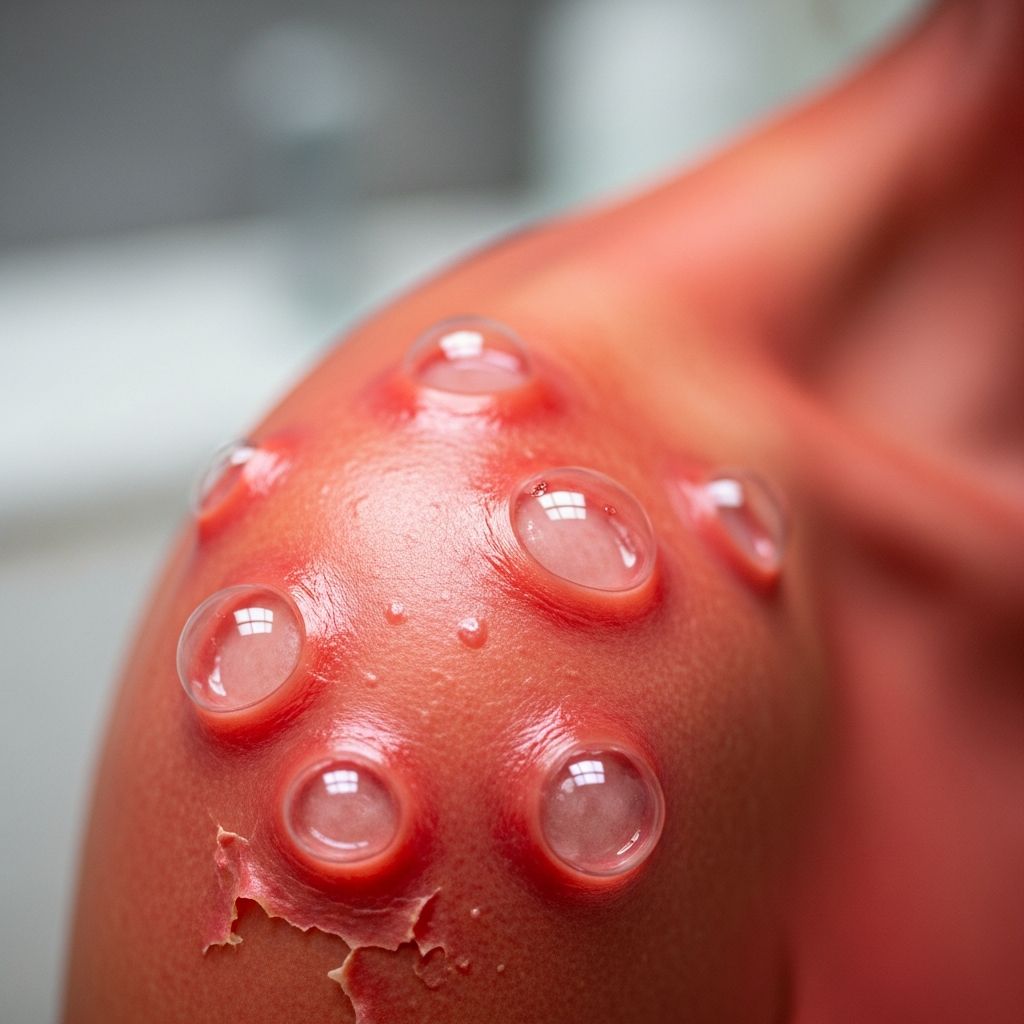
Sunburn blisters signal a second-degree burn from excessive ultraviolet (UV) radiation exposure, causing fluid-filled pockets on the skin that require careful management to prevent infection and scarring. Proper treatment focuses on cooling the skin, maintaining hydration, protecting blisters, and monitoring for complications.
What are sunburn blisters?
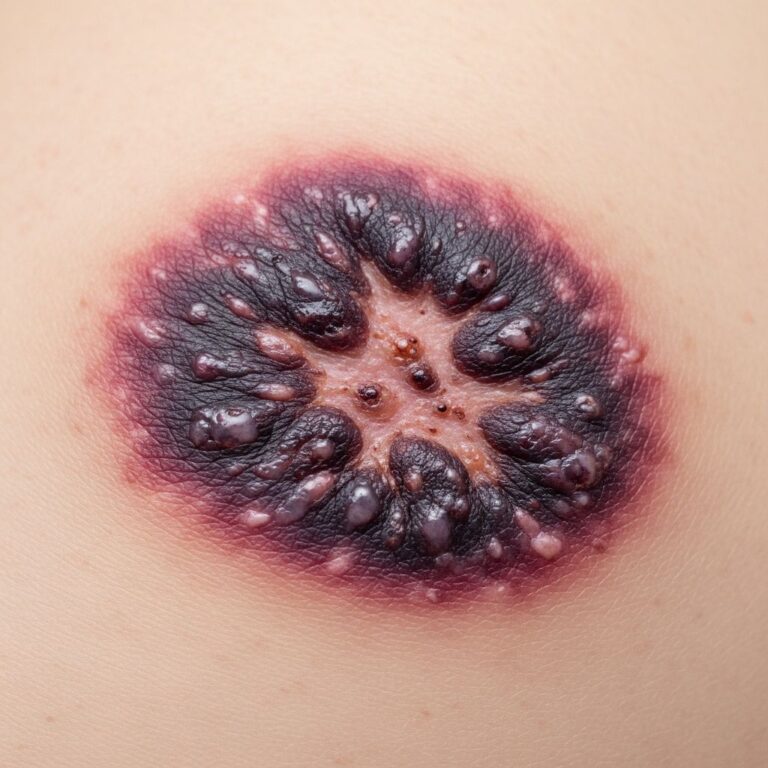
Sunburn blisters form when UV rays penetrate deep into the skin’s dermis layer, damaging cells and triggering an inflammatory response that leads to fluid accumulation. These blisters typically appear 6-48 hours after overexposure and indicate more severe damage than simple redness, potentially increasing risks of infection, scarring, or long-term issues like skin cancer.
Blisters vary in size from small vesicles to large bullae covering significant areas. The overlying skin acts as a natural barrier, protecting underlying tissue from bacteria. Erythema peaks within 12-24 hours, blisters heal in 7-10 days, and peeling may persist up to 10 days post-exposure.
Symptoms of sunburn blisters
Key symptoms include painful, fluid-filled blisters on red, hot, tender skin, often accompanied by swelling, headache, fever, nausea, or chills in severe cases. The skin feels hot to the touch, and blisters may rupture naturally, exposing raw, pink tissue prone to further irritation.
- Intense pain and tenderness
- Swelling and warmth around blisters
- Clear or straw-colored fluid inside intact blisters
- Systemic signs like fatigue or dehydration if extensive
- Peeling skin after blisters resolve
Immediate first aid for sunburn blisters
Act quickly to minimize damage: get out of the sun immediately, cool the skin gently, and avoid further irritation. Start with a cool (not cold) shower or bath to reduce heat and inflammation, patting dry softly instead of rubbing.
Apply a cold compress or ice pack wrapped in cloth for 10-20 minutes several times a day to soothe pain and swelling. Take over-the-counter NSAIDs like ibuprofen for pain and inflammation, unless contraindicated.
- Get indoors and out of direct sunlight
- Cool shower or compresses to lower skin temperature
- Oral pain relievers: ibuprofen or paracetamol
- Hydrate aggressively: drink plenty of water to counter fluid loss
Do not pop sunburn blisters
Never pop or pick at blisters, as the intact skin protects against infection and promotes faster healing. Popping increases infection risk, delays recovery, and may cause scarring. If a blister ruptures naturally, clean gently and cover.
Resist peeling loose skin flaps; let them shed naturally. Maintain cleanliness with mild soap and water, then apply a thin layer of petroleum jelly only to ruptured blisters—not surrounding burned skin, as it can trap heat elsewhere.
How to care for ruptured sunburn blisters
For ruptured blisters, wash gently with soap and water, pat dry, apply antibiotic ointment or petroleum jelly, and cover with a sterile, non-stick gauze or bandage. Change dressings daily or if wet/soiled, keeping the area moist to aid healing.
Avoid tight clothing; opt for loose cotton to reduce friction. Continue moisturizing intact skin around blisters with aloe vera or fragrance-free lotion while damp.
- Clean with mild soap and lukewarm water
- Apply thin petroleum jelly layer
- Cover with gauze; secure loosely
- Monitor for pus, increased redness, or fever
Over-the-counter treatments for sunburn blisters
Aloe vera gel provides cooling relief via aloin, an anti-inflammatory compound; apply pure gel frequently. Hydrocortisone 1% cream reduces itching and swelling on non-blistered areas. After-sun lotions with moisturizers combat dryness.
Related Stories



Avoid petroleum jelly on unblistered sunburned skin, as it occludes pores and traps heat. Colloidal oatmeal baths or calamine lotion can further soothe. Topical anesthetics like benzocaine are not recommended due to allergy risks.
| Treatment | Use For | Precautions |
|---|---|---|
| Aloe vera | Cooling, inflammation | Pure gel; avoid additives |
| Hydrocortisone cream | Itch, swelling | Non-blistered skin only; short-term |
| Ibuprofen | Pain, swelling | Follow dosage; consult doctor if issues |
| Petroleum jelly | Ruptured blisters | Not intact sunburn |
Home remedies to soothe sunburn blisters
Cool compresses, hydration, and gentle care form the cornerstone. Drink extra fluids to replace those drawn to the skin surface. Oatmeal baths reduce itching: grind plain oats, add to lukewarm water, soak 15-20 minutes.
Pat on moisturizer immediately after bathing to lock in moisture. Loose clothing and elevation for limb blisters minimize swelling. Rest to support overall recovery.
- Cool baths with colloidal oatmeal
- Aloe vera applications
- Plenty of oral fluids
- Elevate affected areas
Moisturising sunburn blisters
Moisturize frequently to prevent cracking and support barrier repair, but tailor to blister status. Use lightweight, fragrance-free lotions on intact skin; reserve occlusives like petroleum jelly for open wounds. Apply to damp skin for better absorption.
Vitamin C/E creams may limit cell damage, though evidence is supportive rather than definitive. Consistency is key—reapply every few hours.
Pain relief for sunburn blisters
NSAIDs like ibuprofen (400-600mg every 6-8 hours) effectively manage pain and inflammation; paracetamol alternatives for those unable to take NSAIDs. Cool methods provide non-drug relief.
Avoid aspirin in children due to Reye’s syndrome risk. For severe pain, consult a doctor.
Sunburn blister healing time
Blisters typically heal in 7-10 days with proper care, though peeling continues 3-7 days post-blister resolution. Fair skin may develop lentigines (brown spots). Factors like extent, care quality, and health influence timeline.
Full skin renewal takes weeks; protect healing skin from sun to avoid pigmentation changes.
When to see a doctor for sunburn blisters
Seek medical help for extensive blistering (>20% body surface), signs of infection (pus, fever >101°F, streaking redness), severe pain unrelieved by OTC meds, dehydration (dizziness, reduced urine), or blistering on face/genitals.
Children, elderly, or those with conditions like diabetes need prompt evaluation. Doctors may prescribe stronger topicals, antibiotics, or IV fluids.
- Fever, chills, nausea
- Increasing pain/swelling after 48 hours
- Signs of infection
- Blisters over large areas
- Confusion or extreme fatigue
Preventing sunburn blisters
Prevention trumps treatment: apply broad-spectrum SPF 30+ sunscreen 15-30 minutes before exposure, reapplying every 2 hours or after swimming/sweating. Seek shade 10am-4pm, wear protective clothing, hats, sunglasses.
Use UPF clothing for high-risk activities. Educate on cumulative UV damage—every sunburn accelerates aging and cancer risk.
Frequently Asked Questions (FAQs)
Should I pop sunburn blisters?
No, popping increases infection and scarring risk. Let them heal naturally.
Can I use petroleum jelly on sunburn blisters?
Yes, on ruptured blisters only; avoid on intact sunburned skin to prevent heat trapping.
How long do sunburn blisters take to heal?
Usually 7-10 days with proper care.
What helps pain from sunburn blisters?
Ibuprofen, cool compresses, aloe vera.
When should I worry about sunburn blisters?
If infection signs appear, blisters are extensive, or you feel unwell.
References
- Treating Sunburn Blisters: Best Relief Methods — U.S. Dermatology Partners. 2023. https://www.usdermatologypartners.com/blog/treating-sunburn-blisters/
- The best ways to treat a sunburn — UCLA Health. 2023. https://www.uclahealth.org/news/article/the-best-ways-to-treat-a-sunburn
- Sunburn – StatPearls — NCBI Bookshelf. 2023-10-05. https://www.ncbi.nlm.nih.gov/books/NBK534837/
- Sun and Sunburn: Risks, Treatment, and Protection — Patient.info. 2023. https://patient.info/skin-conditions/sun-and-sunburn
- Sunburn: Causes, Symptoms, and Treatment — Patient.info Doctor. 2023. https://patient.info/doctor/dermatology/sunburn
- Sunburn — MedlinePlus Medical Encyclopedia. 2023. https://medlineplus.gov/ency/article/003227.htm
Similar Articles








Read full bio of medha deb