Menstrual Cup Step-By-Step Guide: How To Use, Clean, And Care
Master menstrual cup insertion, removal, cleaning, and safety for comfortable, eco-friendly period protection.
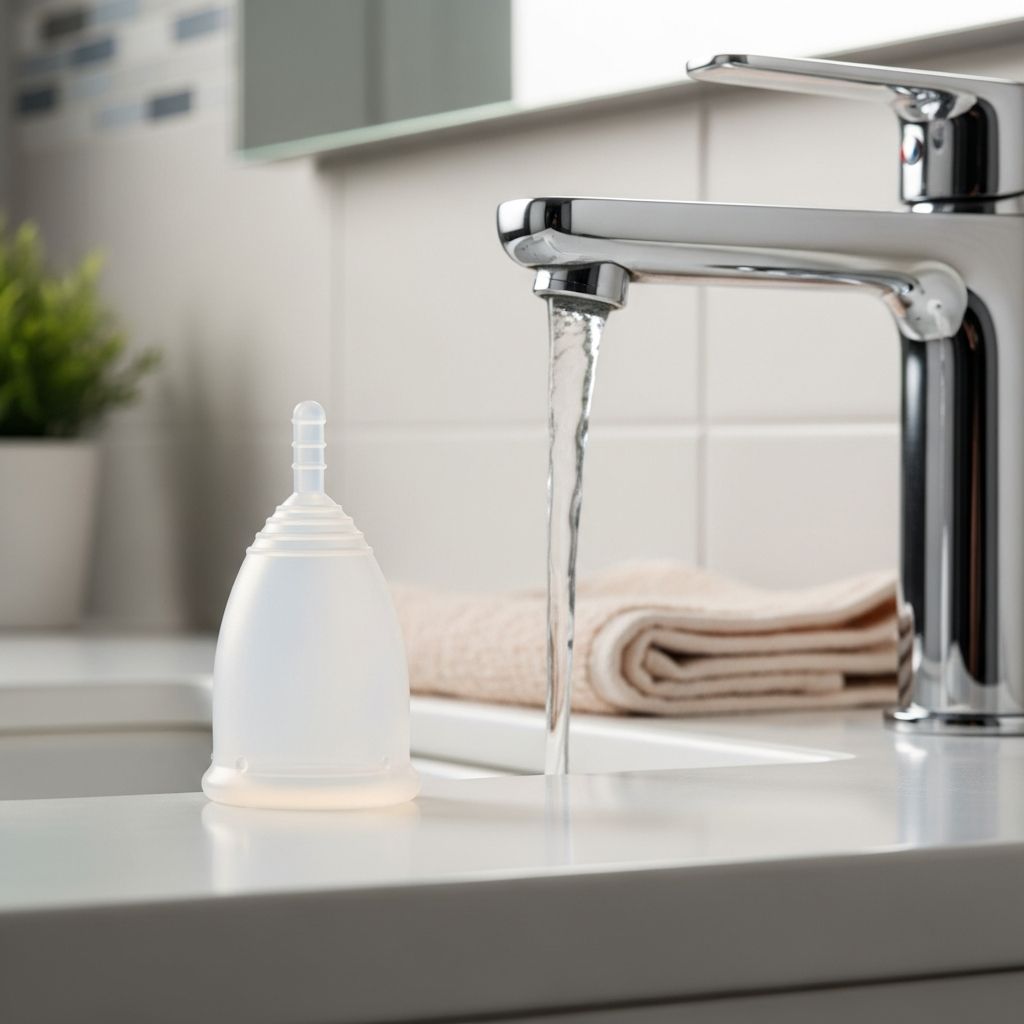
Menstrual cups are reusable, eco-friendly alternatives to tampons and pads that collect rather than absorb menstrual flow. Inserted into the vagina, these flexible silicone or rubber cups form a seal to hold up to 1 ounce of fluid, lasting up to 12 hours depending on flow.
What Is a Menstrual Cup?
A
menstrual cup
, also called a period cup, is a small, funnel-shaped device made from medical-grade silicone, rubber, or elastomer. Unlike absorbent products, it catches blood in a reservoir, preventing leaks when properly positioned. Cups come in various sizes, firmness levels, and stem designs for tailored fit.Approved by organizations like the
American College of Obstetricians and Gynecologists (ACOG)
, menstrual cups are suitable for most people with periods, including virgins, as insertion does not require prior sexual experience and is safe from the first period. Clinical studies confirm their safety, showing no disruption to vaginal flora or increased risk of infections like toxic shock syndrome (TSS) over multiple cycles.Benefits of Menstrual Cups
Menstrual cups offer compelling advantages over disposables:
- Cost-effective: A single cup costs $20$40 and lasts years, versus $50$150 annually on tampons/pads.
- Eco-friendly: Reusable design reduces waste compared to single-use products.
- Higher capacity: Holds twice the volume of super tampons, ideal for heavy flows.
- Safer profile: Collects rather than absorbs blood, eliminating TSS risk associated with tampons.
- Comfortable long wear: Up to 12 hours without dryness or irritation.
A multi-center clinical trial with over 500 participants found 37% rated cups better than pads/tampons after three cycles, with no adverse effects on vaginal epithelium or pH.
Who Can Use a Menstrual Cup?
Most people can use cups, but consider these factors:
- Age and experience: Safe for teens and virgins; may stretch hymen slightly, similar to tampons or sports.
- Anatomy: Suitable for varied vagina shapes; those with IUDs should check cup positioning to avoid dislodging.
- Health conditions: Avoid if allergic to materials or post-partum/cesarean (wait 6 weeks). Consult a doctor for pelvic floor issues.
Studies show no increased colonization by pathogens like Staphylococcus aureus (TSS agent) or Candida, with normal Lactobacillus levels maintained.
How to Choose the Right Menstrual Cup
Selecting the best cup involves assessing flow, anatomy, and lifestyle:
| Factor | Smaller Cup | Larger Cup |
|---|---|---|
| Age | Under 30 | Over 30 |
| Children | Yes | No |
| Flow | Light | Heavy |
| Cervix | High | Low |
| Activity | High-impact | Low |
Softer cups suit sensitive bladders; firmer ones ensure strong seals. Measure cervical height during menstruation (squatting, insert finger) for fit. Trial sizes or starter kits help beginners.
How to Insert a Menstrual Cup
Follow these steps for leak-free insertion:
- Wash hands and cup: Use fragrance-free soap and water; sterilize new cups by boiling 5 minutes.
- Relax and lube: Squat, sit, or stand with one leg elevated. Apply water-based lubricant to rim.
- Fold and insert: Common folds: C-fold (press sides into C), punch-down (push rim inward), 7-fold (fold in half then seventh). Aim toward tailbone at 45 degrees.
- Release and check seal: Allow to pop open 1 inches below cervix. Rotate or tug stem gently; feel for suction seal no dents or gaps.
- Trim stem if needed: Customize length for comfort.
Related Stories



Practice outside period; insert pre-period to catch spotting. Initial discomfort fades with use; 56% needed backups initially, dropping over cycles.
How to Remove a Menstrual Cup
Safe removal prevents spills:
- Wash hands thoroughly.
- Bear down: Like pooping to push cup down.
- Reach and pinch: Grasp base, pinch to break suction (never pull stem).
- Rock and remove: Wiggle side-to-side while tilting to pour contents into toilet.
Inspect contents for color/clots; normal dark blood is fine.
Keep fingernails short. If stuck, relax with deep breaths; massage labia. Clinical data shows no tissue trauma with proper technique.
How to Clean and Care for Your Menstrual Cup
Proper hygiene ensures safety:
- Daily: Rinse with cool water (prevents sticking), then mild soap. Avoid antibacterial/dish soaps.
- Between cycles: Boil 5 minutes or use sterilizing tablets.
- Travel: Use rinses like Lunette Wash; soak in vinegar solution.
- Storage: Air-dry, store in breathable pouch.
Replace every 1 years or if damaged. Cups withstand up to 24-hour wear without flora changes.
Troubleshooting Common Menstrual Cup Problems
Address issues systematically:
- Leaks: Reposition, check seal, empty more often. Low cervix? Downsize.
- Hard to reach: Bear down; high cervix needs longer cup.
- Odor: Clean thoroughly; residue causes smells.
- Cramping: Rare (4% significant in studies), resolves post-removal.
- IUD interaction: Place cup higher; monitor strings.
67 subjects used cups during intercourse with minimal partner discomfort.
Safety and Side Effects of Menstrual Cups
Cups are rigorously tested: A PMC study (n=551) over three cycles showed no pH changes, epithelial disruption, or pathogen increases. Post-marketing surveillance confirms safety. Mild cramping in 9%, resolving quickly. No TSS cases. Consult providers for allergies or surgeries.
How to Use a Menstrual Cup with an IUD
Compatible with caution: Insert cup high, avoid deep tugging. Check IUD strings monthly. Studies report no dislodgement issues.
Can You Use a Menstrual Cup During Sex?
Most cups must be removed pre-sex to avoid discomfort or displacement. 13% partners noted issues in trials; use external protection or pull out. Some shallow cups allow penetration, but check manufacturer guidelines.
Frequently Asked Questions (FAQs)
Can virgins use menstrual cups?
Yes, safe from first period; may stretch hymen non-permanently.
How long can you leave a menstrual cup in?
412 hours max, based on flow; empty sooner if full.
Do menstrual cups hurt?
Initial learning curve; no pain with practice. Rare cramping resolves.
Are menstrual cups hygienic?
Yes, when cleaned properly; no flora disruption.
How do I know my cup size?
Consider age, flow, births; measure cervix height.
Can I swim or exercise with a cup?
Yes, secure seal prevents leaks during activity.
What if my cup gets stuck?
Relax, bear down, pinch base; lube if needed.
Transitioning to cups empowers sustainable period care. With practice, they offer unmatched convenience and savings.
References
- Menstrual Collection – PMC – PubMed Central – NIH NIH. 2011-02-28. https://pmc.ncbi.nlm.nih.gov/articles/PMC3036176/
- Are Menstrual Cups Safe? How They Work, Pros and Cons – WebMD WebMD. 2023-10-01. https://www.webmd.com/women/menstrual-cup
- Menstrual Cups: How to Use, Benefits, and More – Healthline Healthline. 2019-04-09. https://www.healthline.com/health/womens-health/menstrual-cup
- Everything You Need To Know About Menstrual Cups Cleveland Clinic. 2023-05-15. https://health.clevelandclinic.org/menstrual-cup
- Menstrual cups: How they work, benefits, and more Kaiser Permanente. 2024-01-10. https://healthy.kaiserpermanente.org/southern-california/health-wellness/healtharticle.menstrual-cups
Similar Articles








Read full bio of Sneha Tete