How to Use Plastic Food Storage Containers
Learn essential tips for safely using plastic food storage containers to prevent chemical leaching and ensure food safety at home.
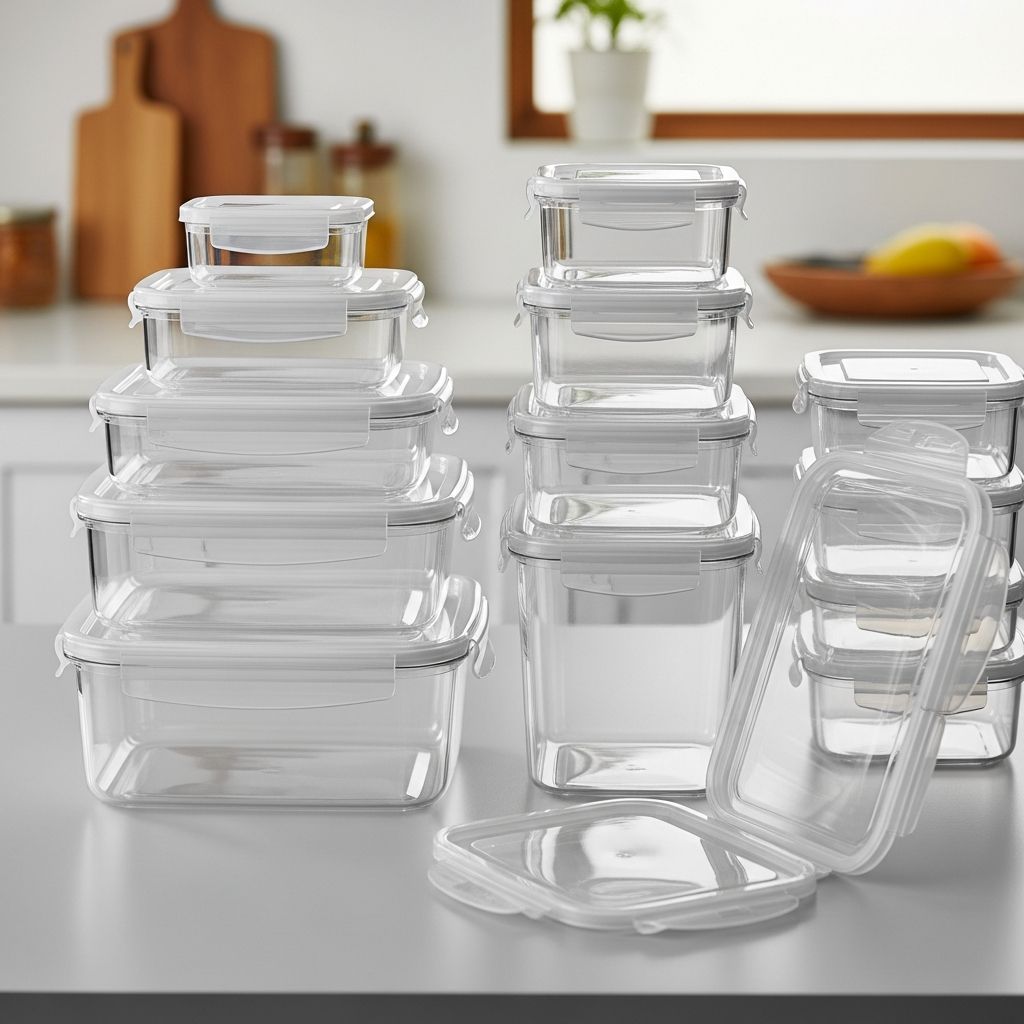
Plastic food storage containers are convenient for meal prep, leftovers, and on-the-go eating, but improper use can lead to chemical leaching into food, compromising safety. Understanding resin identification codes, handling guidelines, and maintenance practices is crucial for minimizing risks.
Know the Code
On the bottom of most plastic food storage containers, you’ll find a triangle symbol containing a number from 1 to 7, known as the resin identification code. This code indicates the type of plastic and its relative safety for food contact. Safer choices for repeated food use are plastics numbered
1 (PET)
,2 (HDPE)
,4 (LDPE)
, and5 (PP)
. The American Academy of Pediatrics advises avoiding codes3 (PVC)
,6 (PS)
, and7 (Other)
due to potential leaching of harmful chemicals like phthalates, styrene, and bisphenol A (BPA).- 1 (PET or PETE): Polyethylene terephthalate, common in single-use bottles. Marginally safe for food but not ideal for reuse or heating due to inconsistent manufacturing and potential contaminants.
- 2 (HDPE): High-density polyethylene, used for milk jugs and sturdy bottles. Generally safe, low leaching risk if food-grade and not exposed to heat or non-food items.
- 3 (PVC): Polyvinyl chloride, contains phthalates that migrate into food. Avoid entirely for food storage.
- 4 (LDPE): Low-density polyethylene, for squeezable bottles and wraps (avoid wraps). Safe for cold storage.
- 5 (PP): Polypropylene, in yogurt tubs and microwave-safe containers. Safe with heat tolerance, but avoid microwaving unless labeled.
- 6 (PS): Polystyrene, in foam cups and takeout boxes. Leaches styrene when heated; marginally safe cold only.
- 7 (Other): Miscellaneous, may include polycarbonate with BPA. Highest risk; avoid.
Always choose food-grade plastics marked for food contact to prevent transfer of non-food chemicals. Reuse only multi-use containers designed for it, as single-use plastics like code 1 break down over time.
Cleaning Plastic Food Storage Containers
Proper cleaning prevents bacterial growth and cross-contamination while extending container life. Discard any with deep scratches, cracks, warping, or persistent odors, as these harbor pathogens and absorb chemicals.
- Hand wash preferred: Use hot, soapy water and a soft sponge. Pay attention to grooves around lids and rims to remove residue. Avoid abrasive cleaners that scratch surfaces.
- Dishwasher safe only: Check for the label; top-rack placement is best to avoid warping. Lids that no longer seal tightly should be replaced.
- Odor removal: Soak in a solution of baking soda and water or vinegar overnight. If odors persist, retire the container.
Thorough washing between uses is essential, as NSF International emphasizes that unclean containers promote bacterial proliferation.
Storing Food in Plastic Containers
Label containers with contents and dates using a marker or tape. Store in cool, dry places away from heat sources like stoves or direct sunlight, which accelerate chemical migration.
| Food Type | Recommended Plastic Code | Storage Tips |
|---|---|---|
| Acidic foods (tomato sauce, citrus) | 2, 4, 5 | Avoid code 1; use glass if possible to prevent staining/leaching. |
| Fatty foods (dairy, oils) | 2, 5 | Minimize code 6 exposure; fats increase styrene absorption from PS. |
| Leftover meats | 2, 4, 5 | Air-tight seals; refrigerate within 2 hours. |
| Dry goods (grains, snacks) | Any food-grade | Ensure moisture-proof lids. |
Do not overcrowd fridge shelves to allow air circulation and prevent spills.
Freezing Food in Plastic Containers
Only use containers labeled
freezer-safe
, which are moisture-vapor resistant, leak-proof, and flexible to prevent cracking. Avoid single-use items like yogurt cups or milk cartons.- Leave ½-inch headspace for expansion.
- Portion into meal-sized amounts.
- Thaw in fridge, not at room temperature.
- HDPE (2) and PP (5) excel here due to durability.
Freezer burn occurs from air exposure; proper sealing maintains quality.
Microwaving Food in Plastic Containers
The U.S. Department of Agriculture (USDA) mandates using only
microwave-safe
labeled containers, typically glass, ceramic, or specific plastics like PP (5). Never microwave single-use plastics, foam, or non-labeled items, as heat causes warping and chemical release.Related Stories



- Vent lids to avoid explosions.
- Use microwave-safe covers or paper towels instead of plastic wrap.
- Avoid high-fat or acidic foods, which amplify leaching.
- PP withstands heat better; PS and PET do not.
Microwaving PP can alter food chemistry and migrate additives; use cautiously.
Alternatives to Plastic Food Storage Containers
For ultimate safety, opt for non-plastic options that don’t leach chemicals:
- Glass: Microwave, dishwasher, and oven-safe; inert and reusable.
- Stainless steel: Durable, non-toxic, ideal for lunches.
- Silicone: Flexible, heat-resistant up to 425°F.
- Ceramic: Toxin-free with proper glazes.
These materials resist heat, scratches, and odors better than plastics.
Health Risks of Improper Plastic Use
Chemicals like BPA, phthalates, and styrene from plastics mimic hormones, potentially causing endocrine disruption, reproductive issues, and chronic diseases. Cumulative exposure from multiple sources heightens risks, especially with heat or reuse. Studies show migration increases with temperature, storage time, and fat content.
Prefer lowest-risk plastics:
2 (HDPE), 4 (LDPE solid), 5 (PP)
. Minimize overall plastic use.Frequently Asked Questions (FAQs)
Which plastic numbers are safest for food storage?
Plastics 2 (HDPE), 4 (LDPE), and 5 (PP) are safest. Avoid 3, 6, and 7.
Can I reuse takeout containers?
Only if labeled multi-use and food-grade. Single-use degrades quickly; transfer food to safe containers.
Is it safe to microwave plastic?
Only if marked microwave-safe. Otherwise, chemicals leach into food.
How do I know if my container is food-grade?
Look for ‘food safe’ or fork/pitcher symbols. Avoid non-food item containers.
What if my plastic smells after washing?
Discard it; absorbed odors indicate degradation and potential bacterial harboring.
Final Tips for Safe Use
Inspect regularly, rotate stock, and transition to alternatives. Safe habits protect health long-term.
References
- Plastic Food Container Safety — National Library of Medicine, PMC. 2024. https://pmc.ncbi.nlm.nih.gov/articles/PMC11193405/
- How to Use Plastic Food Storage Containers — Academy of Nutrition and Dietetics. 2023-10-01. https://www.eatright.org/food/home-food-safety/safe-food-storage/how-to-use-plastic-food-storage-containers
- Keeping Food Safe When Using Plastic Containers — Michigan State University Extension. 2022-05-15. https://www.canr.msu.edu/news/keeping_food_safe_choosing_food_storage_containers
- Food Grade Plastic: Which Plastics Are Safe For Food Storage — Palmetto Industries. 2024. https://www.palmetto-industries.com/safe-food-grade-plastic/
- Food Storage Containers — NSF International. 2023. https://www.nsf.org/consumer-resources/articles/food-storage-containers
Similar Articles








Read full bio of medha deb