How To Wash Fruits And Vegetables: 9 Safe Methods
Expert tips on safely cleaning produce to remove dirt, bacteria, and pesticides while preserving freshness and nutrition.
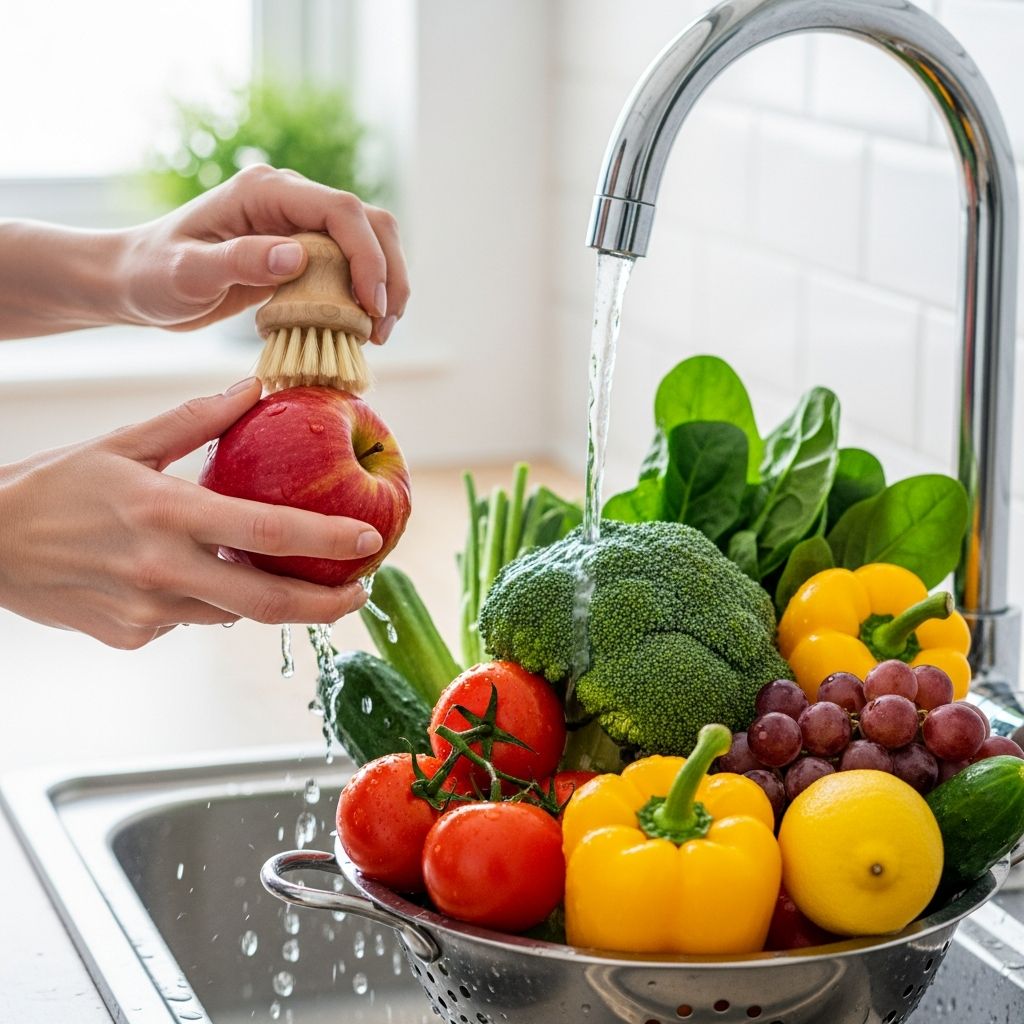
Washing fruits and vegetables properly is essential for removing dirt, bacteria, pesticides, and other contaminants that can cause foodborne illnesses. According to the Centers for Disease Control and Prevention, rinsing produce under running water significantly reduces harmful microorganisms while preserving nutritional value.
Why You Should Wash Fruits and Vegetables
Fresh produce can harbor bacteria like E. coli, Salmonella, and norovirus, as well as pesticide residues and physical debris such as soil or insects. The FDA emphasizes that even organic produce requires thorough cleaning since contaminants can transfer during handling, harvesting, or packaging. Washing not only prevents illness but also enhances safety for vulnerable groups like children, pregnant individuals, and the elderly.
Studies show that simple rinsing under cool running water removes up to 98% of surface bacteria on many fruits and vegetables. However, no method eliminates all microbes, especially if they penetrate porous skins or damaged areas. Prioritizing washing before consumption supports dietary goals, as fruits and vegetables provide vital vitamins, fiber, and antioxidants.
Start with Cleanliness: Prepare Your Kitchen
Before handling produce, wash your hands for at least 20 seconds with warm soapy water to avoid cross-contamination. Clean countertops, cutting boards, and utensils using hot soapy water. The USDA recommends starting with a sanitized workspace, as bacteria from these surfaces can transfer to food.
- Wash hands before and after preparing produce.
- Scrub cutting boards with hot water and soap.
- Use separate boards for produce and raw meats.
The Best Way to Wash Produce
The most effective method is rinsing under cool running water while gently rubbing the surface. Avoid soaps, detergents, or commercial washes, as they can leave harmful residues on porous produce—the FDA has not approved them for safety or efficacy.
For firm produce, use a clean vegetable brush under lukewarm running water (no more than 10 degrees colder than the produce to prevent microbe infiltration). Dry with a clean paper towel or salad spinner to further reduce bacteria.
General Washing Steps
- Remove outermost damaged or bruised leaves/parts and discard.
- Rinse under cool running water just before use.
- Rub or scrub gently for 10-20 seconds, depending on texture.
- Pat dry to remove excess moisture.
How to Wash Specific Fruits and Vegetables
Different produce types require tailored techniques to maximize cleanliness without compromising quality. Here’s a breakdown:
| Produce Type | Washing Method | Key Tips |
|---|---|---|
| Leafy Greens (Lettuce, Spinach) | Separate leaves, soak in cold water 1-2 minutes, rinse individually | Discard outer leaves; use vinegar solution (1/2 cup vinegar per 1 cup water) optionally, then rinse. |
| Berries (Strawberries, Blueberries, Grapes) | Run under cool running water 10-20 seconds; do not soak | Wash just before eating to prevent spoilage; use strainer for berries. |
| Melons (Cantaloupe, Watermelon) | Scrub rind thoroughly with brush under running water | Rough surfaces harbor bacteria; wash before cutting to avoid transfer. |
| Root Vegetables (Potatoes, Carrots) | Scrub with brush under lukewarm water or peel | Remove soil thoroughly; peeling optional for organics. |
| Firm Fruits (Apples, Cucumbers) | Rub under running water 10 seconds or peel | Wash even if peeling to prevent knife contamination. |
| Soft Fruits (Peaches, Plums) | Gently rub under cool water, pat dry | Avoid bruising; dry immediately. |
| Hot Peppers | Wash with gloves under running water | Prevent skin/eye irritation. |
| Mushrooms | Wipe with damp paper towel or soft brush | Avoid soaking to prevent sogginess. |
| Herbs | Swish in cool water bowl, pat dry | Dry thoroughly before storing. |
Related Stories



Should You Use Vinegar, Baking Soda, or Commercial Washes?
Vinegar solutions (1 part vinegar to 3 parts water) can reduce surface bacteria on leafy greens by up to 90%, but always follow with a plain water rinse to avoid taste changes. Baking soda may help with pesticide removal on apples, but evidence is limited—stick to running water for most cases.
Commercial fruit and vegetable washes lack FDA standardization and may not outperform water. The agency advises against them due to untested residues.
Common Washing Mistakes to Avoid
- Using hot water: It can cause thin-skinned produce to absorb contaminants.
- Washing too early: Store unwashed berries and greens to extend shelf life; moisture speeds spoilage.
- Soaking in sink: Sinks harbor bacteria—use a clean bowl.
- Ignoring peels: Rinse before peeling to avoid dragging dirt inside.
- Not drying: Excess water promotes bacterial growth.
Storing Produce Safely After Washing
Wash produce right before use, but if storing soiled items, dry thoroughly with paper towels. Refrigerate perishables below 40°F in crisper drawers. Pre-cut produce should be kept cold at the store and home to minimize risks.
Health Benefits and Risks of Unwashed Produce
Consuming unwashed produce contributes to thousands of foodborne illness cases annually. The CDC links outbreaks to contaminated leafy greens and melons. Proper washing mitigates these risks, encouraging higher fruit and vegetable intake for heart health, weight management, and disease prevention.
Diversify your intake to limit pesticide exposure from any single type. Even peeled produce benefits from rinsing.
Frequently Asked Questions (FAQs)
Do I need to wash pre-washed bagged salads?
Yes, rinse again under running water as bags may not guarantee sterility.
Can I use dish soap on produce?
No, soaps can be absorbed; plain water suffices.
How long does washing take?
10-20 seconds per item under running water is effective.
Should I wash organic produce?
Absolutely—organics can carry bacteria from soil or handling.
What if produce is bruised?
Cut away damaged areas before washing the rest.
Additional Tips for Food Safety
Incorporate washing into routines: select firm, unblemished produce and store properly. For cantaloupes, scrubbing is crucial due to netted rinds trapping microbes. These habits ensure safer, tastier meals.
References
- Guide to Washing Fresh Produce — USDA NIFA. 2023. https://www.nifa.usda.gov/sites/default/files/resource/Guide%20to%20Washing%20Fresh%20Produce508.pdf
- How should I wash my fruits and vegetables? — Ohio State University Wexner Medical Center. 2024. https://health.osu.edu/wellness/exercise-and-nutrition/washing-fruits-vegetables
- 7 Tips for Cleaning Fruits and Vegetables — U.S. Food and Drug Administration (FDA). 2024-07-22. https://www.fda.gov/consumers/consumer-updates/7-tips-cleaning-fruits-vegetables
- Here’s how to clean produce, according to a food safety expert — YouTube (WCCO CBS Minnesota). 2023. https://www.youtube.com/watch?v=wEjYrIWmdIk
Similar Articles








Read full bio of medha deb