How To Wash Your Face Properly: 6 Steps For Radiant Skin
Master the art of face washing with dermatologist-approved steps for healthier, glowing skin every day.
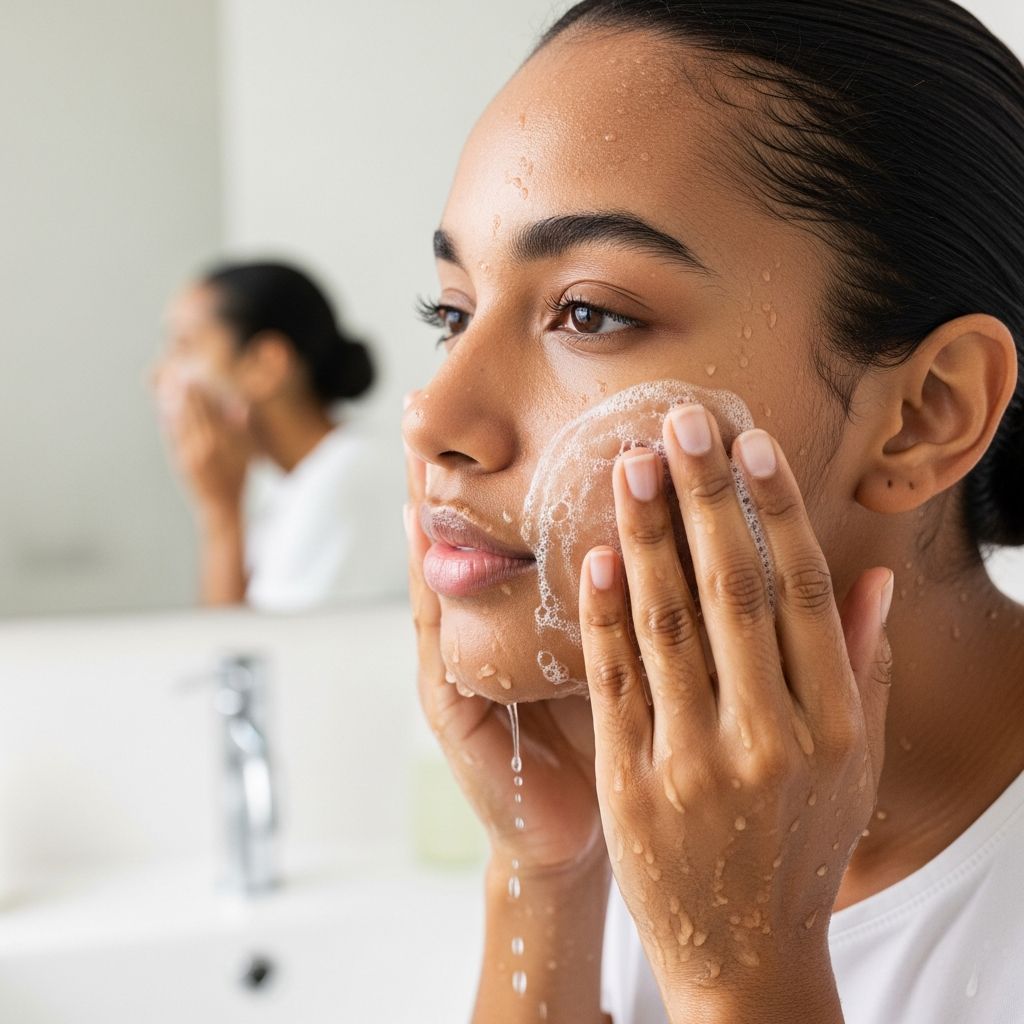
Proper face washing is a foundational step in any skincare routine, helping to remove dirt, oil, and impurities while preserving the skin’s natural barrier. Dermatologists emphasize that technique matters as much as the products used, as improper methods can lead to irritation, dryness, or breakouts. This guide outlines the essential steps, product choices, and best practices backed by experts to keep your skin healthy and radiant.
Why Proper Face Washing Matters
Your skin serves as the body’s first line of defense against environmental pollutants, bacteria, and excess oils. Daily accumulation of these elements can clog pores, leading to acne, dullness, or premature aging if not addressed. According to dermatological guidelines, washing your face correctly not only cleanses but also prepares the skin for subsequent products like moisturizers and treatments, enhancing their efficacy. Neglecting this can compromise the skin barrier, resulting in sensitivity or inflammation.
Gentle cleansing twice daily maintains balance without stripping natural oils, which is crucial for all skin types—oily, dry, combination, or sensitive. Experts note that consistent, proper washing promotes clearer complexion, reduces breakouts, and supports long-term skin health.
Choosing the Right Cleanser
Select a
gentle, non-abrasive cleanser
free from alcohol, harsh sulfates, or fragrances to prevent irritation. The choice depends on your skin type:- Oily or acne-prone skin: Opt for gel-based or foaming cleansers that control excess sebum without over-drying.
- Dry or sensitive skin: Choose cream or hydrating cleansers with ceramides or hyaluronic acid to maintain moisture.
- Combination skin: Balanced formulas that target the T-zone while nourishing drier areas.
- Normal skin: Mild, pH-balanced options suffice for everyday use.
Always patch-test new products. If irritation occurs, discontinue and consult a dermatologist for personalized recommendations. Look for labels indicating ‘non-comedogenic’ to avoid pore-clogging ingredients.
Step-by-Step Guide to Washing Your Face
Follow these dermatologist-recommended steps for optimal results:
- Wet your face with lukewarm water. Avoid hot water, which strips natural oils, or cold water, which fails to open pores effectively. Lukewarm water gently prepares the skin.
- Apply cleanser with fingertips. Dispense a pea-sized amount and massage gently in circular motions for 30-60 seconds, focusing on the T-zone, forehead, nose, and chin. Use only your fingers—avoid washcloths, sponges, or brushes, as they can cause micro-tears and irritation.
- Resist scrubbing. Harsh rubbing damages the skin barrier. Let the cleanser do the work through light massaging.
- Rinse thoroughly with lukewarm water. Ensure no residue remains, which can lead to dullness or milia.
- Pat dry gently. Use a clean, soft towel to dab—never rub—to preserve moisture and prevent wrinkles.
- Apply moisturizer immediately. Seal in hydration, especially if skin feels tight. Use a lightweight formula for oily skin or richer cream for dry types. Be extra gentle around the delicate eye area.
For evening routines, double cleanse if wearing makeup or sunscreen: start with an oil-based remover, followed by your regular cleanser.
How Often Should You Wash Your Face?
Dermatologists advise washing
twice daily
—once in the morning to refresh and remove overnight oils, and once at night to clear daily buildup. Additional washes are needed only after heavy sweating, such as post-workout or wearing helmets/hats, to prevent irritation from perspiration.Over-washing strips protective lipids, leading to dryness and compensatory oil production. Those with very oily skin may benefit from a midday rinse with water or micellar water, but avoid cleansers more than twice daily unless advised otherwise.
Related Stories



Face Washing for Different Skin Types
| Skin Type | Recommended Cleanser | Key Tips |
|---|---|---|
| Oily/Acne-Prone | Gel or salicylic acid-based | Focus on mattifying without drying; use morning and night. |
| Dry | Cream or oil cleansers | Hydrate post-wash; limit to twice daily max. |
| Sensitive | Fragrance-free, soothing (aloe/oat) | Patch test; minimal ingredients. |
| Combination | Gentle foaming or milky | Target oily areas lightly. |
| Normal | pH-balanced mild cleanser | Consistent routine suffices. |
Tailor your approach: sensitive skin benefits from fewer ingredients, while acne-prone types may need medicated options under professional guidance.
Common Face Washing Mistakes to Avoid
Even simple routines can go wrong. Steer clear of these pitfalls:
- Using hot water: Strips oils, causing rebound oiliness and irritation.
- Harsh tools: Washcloths or exfoliating gloves abrade skin; fingers are safest.
- Over-scrubbing: Leads to redness and barrier damage.
- Skipping moisturizer: Cleansing alone dries skin; always follow up.
- Inconsistent frequency: Too much or too little disrupts balance.
- Ignoring neck/décolletage: Extend routine downward for even results.
Avoid alcohol-based toners or astringents post-cleanse, as they exacerbate dryness.
Additional Tips for Healthy Skin
Sunscreen integration: Wash before morning application; reapply as needed without full re-cleansing.
Post-exercise care: Rinse sweat promptly to avoid clogged pores, especially under hats or helmets.
Travel tweaks: Use cleansing wipes for on-the-go, but follow with moisturizer.
Seasonal adjustments: Switch to richer cleansers in winter, lighter in summer.
For concerns like eczema or rosacea, seek board-certified dermatologist advice for customized regimens.
Frequently Asked Questions (FAQs)
What is the best way to wash your face?
Use lukewarm water, a gentle cleanser applied with fingertips, rinse thoroughly, pat dry, and moisturize. Limit to twice daily.
How many times a day should you wash your face?
Twice daily—morning and night—plus after sweating. Over-washing harms the skin barrier.
Should you use a washcloth to wash your face?
No, fingertips only to avoid irritation. Washcloths can harbor bacteria if not cleaned properly.
Is hot water bad for your face?
Yes, it strips natural oils. Always use lukewarm water.
Do you need to wash your face after sweating?
Yes, as soon as possible to prevent irritation from sweat and bacteria.
Conclusion
Incorporating proper face washing elevates your skincare game, fostering clearer, healthier skin. Consistency with gentle techniques yields lasting benefits—consult professionals for persistent issues.
References
- Face washing 101 — American Academy of Dermatology. 2023 (accessed 2026). https://www.aad.org/public/everyday-care/skin-care-basics/care/face-washing-101
- Essential Tips for Proper Face Washing — Charleston Dermatology. 2024 (accessed 2026). https://charlestondermatology.com/essential-tips-for-proper-face-washing/
Similar Articles








Read full bio of Sneha Tete