How To Whiten Teeth Naturally: 6 Safe Ways For A Whiter Smile
Discover safe, effective natural methods to brighten your smile at home using everyday ingredients like baking soda and oil pulling.
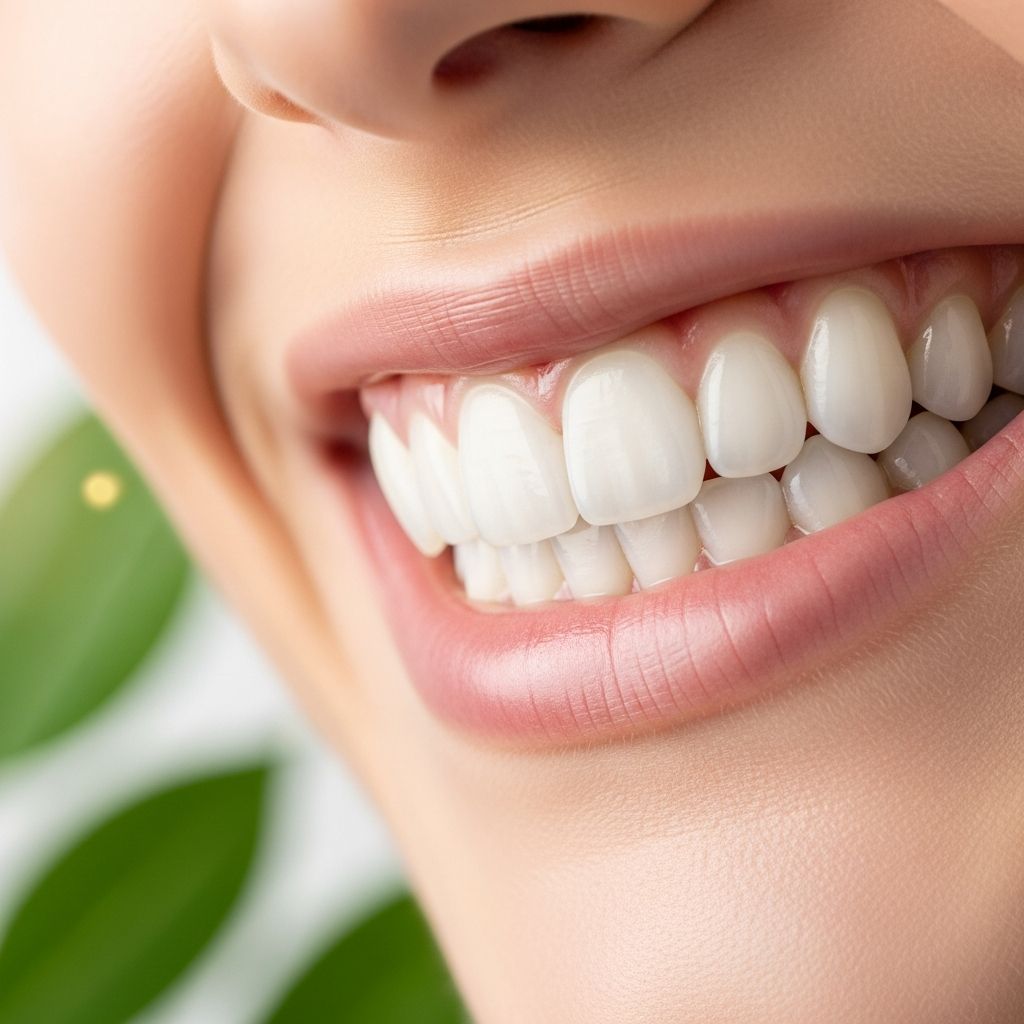
A bright, white smile boosts confidence, but professional whitening can be costly and harsh.
Natural teeth whitening methods
offer a gentler alternative using household items to remove surface stains safely.Teeth yellow due to enamel wear revealing dentin, staining from coffee, tea, wine, smoking, or aging. Extrinsic stains on the surface respond best to natural remedies, while intrinsic discoloration needs professional care.
Oil Pulling for Whiter Teeth
Oil pulling, an ancient Ayurvedic practice, involves swishing oil in your mouth to draw out toxins and bacteria, potentially lightening teeth.
- How to do it: Take 1 tablespoon of coconut, sesame, or sunflower oil. Swish for 15-20 minutes daily, then spit and rinse. Start with 5 minutes if new to it.
- Why it works: Oil binds to plaque and stains, reducing bacteria that cause discoloration. Studies show improved oral health, though whitening evidence is anecdotal.
The American Dental Association notes limited evidence for whitening but acknowledges benefits for plaque reduction. Avoid swallowing oil; use on an empty stomach for best results.
Baking Soda: A Safe Abrasive Whitener
**Baking soda (sodium bicarbonate)** polishes teeth gently, removing surface stains without excessive enamel wear.
- Method: Mix 1 teaspoon baking soda with water into a paste. Brush gently 2-3 times weekly, not daily to prevent over-abrasion.
- Evidence: A 2017 study confirmed it’s safe and effective for stain removal, also neutralizing acids and fighting bacteria.
Combine with your regular fluoride toothpaste for added protection. It’s one of the most researched natural whiteners.
Hydrogen Peroxide for Bleaching Power
Food-grade
hydrogen peroxide (3% solution)
acts as a mild bleach, killing bacteria and oxidizing stains.- Safe use: Dilute equal parts peroxide and water as a mouth rinse for 30-60 seconds, 2-3 times weekly. Or mix with baking soda for a paste.
- Cautions: May cause sensitivity; avoid if you have sensitive teeth or use long-term. Dentists use higher concentrations professionally.
Research supports its stain-removal efficacy, but moderation is key.
Fruits and Enzymes: Nature’s Polish
Enzymes in pineapples (bromelain) and papayas (papain) break down stains, while crunchy produce scrubs teeth.
- Strawberries: Mash with baking soda; apply 5 minutes weekly. Malic acid aids whitening.
- Pineapple/Papaya: Eat fresh or rub pulp gently. Avoid overdoing acidic fruits to protect enamel.
- Crunchy foods: Apples, carrots, celery, spinach increase saliva, neutralizing acids and cleaning teeth.
The ADA cautions against direct fruit rubbing due to acids, but eating them is beneficial.
Activated Charcoal: Trendy but Controversial
Activated charcoal adsorbs stains, popular in powders and toothpastes.
- Pros: Removes surface debris effectively short-term.
- Cons: Highly abrasive; lacks strong scientific backing for whitening and may erode enamel over time.
Dentists recommend limiting use; opt for formulated toothpastes over loose powder.
Related Stories



Turmeric Paste for Anti-Inflammatory Whitening
Despite its yellow color, turmeric’s curcumin reduces inflammation and polishes teeth.
- Recipe: Mix turmeric powder with water or lemon juice into a paste. Brush once daily, rinse thoroughly.
- Benefits: Antibacterial properties fight plaque; gentle abrasion whitens.
Use sparingly to avoid temporary staining; evidence is promising but preliminary.
Dietary Changes to Prevent Staining
What you eat impacts tooth color. Adopt habits for sustained whiteness.
| Stain-Causing Foods/Drinks | Alternatives & Tips |
|---|---|
| Coffee, tea, red wine, soda | Drink through straw; rinse mouth after. |
| Berries, tomato sauce, curry | Brush after meals; eat cheese to neutralize acids. |
| Tobacco | Quit or use whitening gum post-use. |
Increase water intake, fibrous veggies, and calcium-rich foods like dairy for enamel strength.
Daily Habits for a Brighter Smile
- Brush twice daily with whitening toothpaste containing mild abrasives or peroxides.
- Floss daily to remove interproximal stains.
- Use an electric toothbrush for better plaque removal.
- Visit dentist biannually for cleanings.
Combine natural methods with excellent hygiene for optimal results.
Risks and Precautions of Natural Whitening
While generally safe, overuse can harm enamel or cause sensitivity.
- Abrasion: Baking soda/charcoal – limit frequency.
- Acids: Lemon/vinegar erode enamel; avoid.
- Sensitivity: Peroxide – test small amounts.
- Consult dentist if pregnant, have restorations, or gum issues.
Professional whitening uses carbamide/hydrogen peroxide safely under supervision.
Do Natural Methods Really Work?
They excel at extrinsic stains but won’t match professional results for deep discoloration. Baking soda shows strongest evidence; consistency yields gradual improvement.
Frequently Asked Questions (FAQs)
Is baking soda safe for daily teeth whitening?
No, use 2-3 times weekly to avoid enamel wear. A 2017 study confirms safety in moderation.
Can oil pulling whiten teeth?
It reduces plaque and may lighten mildly, but ADA says evidence is limited. Combine with brushing.
Does activated charcoal damage enamel?
Yes, its abrasiveness can if overused. Stick to occasional use or ADA-approved products.
How long for natural whitening results?
2-6 weeks with consistent use. Results vary by stain type and habits.
When to see a dentist for whitening?
If no improvement, sensitivity persists, or for intrinsic stains.
References
- Are Natural Teeth Whitening Methods Safe and Effective? — Chestnut Dental. 2023. https://chestnutdental.com/blog/are-natural-teeth-whitening-methods-safe-and-effective/
- How to whiten your teeth naturally: 6 home remedies — Medical News Today. 2023-05-25. https://www.medicalnewstoday.com/articles/322421
- 6 Natural Ways to Safely Try Teeth Whitening for Sensitive Teeth — Next Level Dental Studio. 2023. https://www.nextleveldentalstudio.com/post/6-natural-ways-to-safely-try-teeth-whitening-for-sensitive-teeth
- Natural Teeth Whitening — MouthHealthy (ADA). 2023. https://www.mouthhealthy.org/all-topics-a-z/natural-teeth-whitening
- Tooth Whitening: What We Now Know — PMC (NIH). 2014-06-01. https://pmc.ncbi.nlm.nih.gov/articles/PMC4058574/
- Do Natural Teeth Whitening Remedies Really Work? — TF Dental. 2023. https://www.tfdental.net/dental-services/cosmetic/blog/do-natural-teeth-whitening-remedies-really-work
Similar Articles








Read full bio of medha deb