How to Whiten Teeth: 9 Methods That Work
Discover safe, effective teeth whitening methods from professional treatments to natural remedies for a brighter smile.
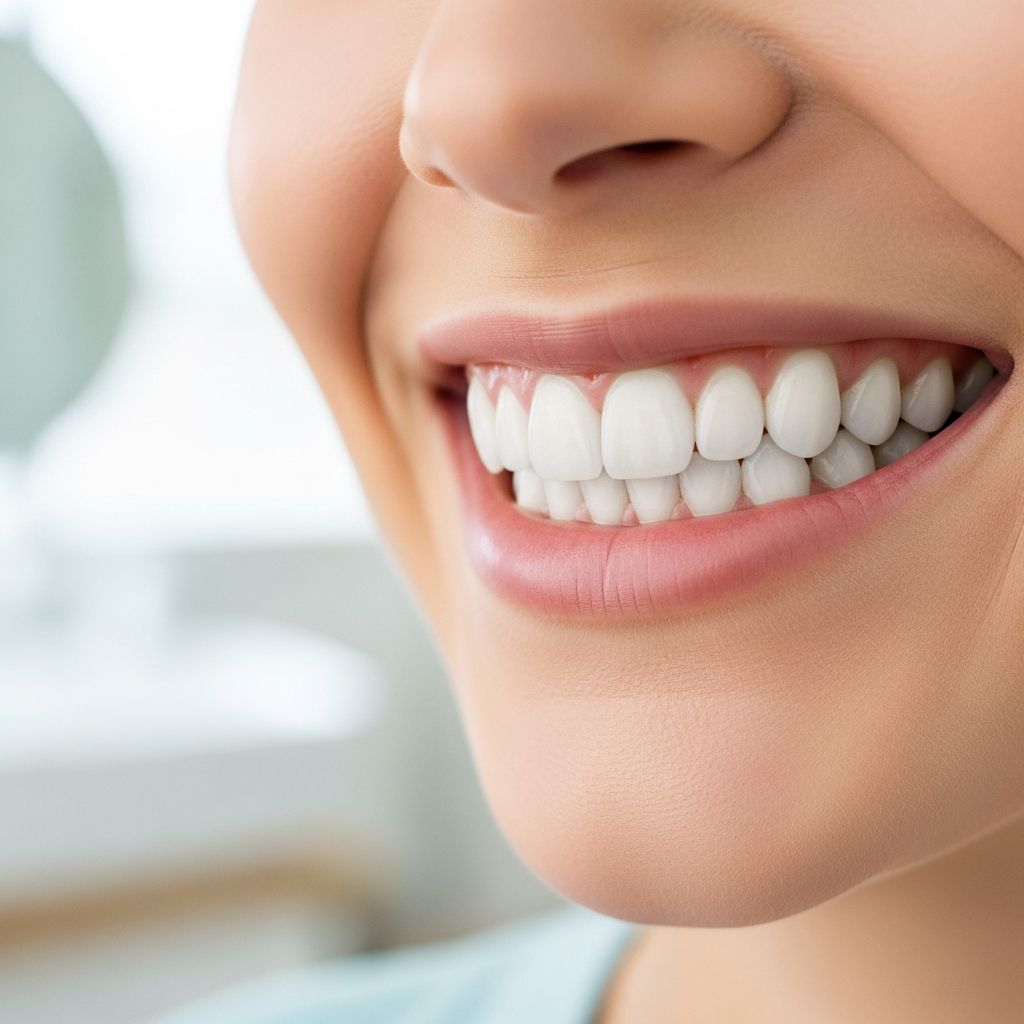
A radiant smile boosts confidence and leaves a lasting impression. Teeth whitening has surged in popularity as a simple cosmetic enhancement, with options ranging from professional dental procedures to convenient at-home products and even natural remedies. But not all methods deliver the same results, and safety is paramount to avoid damaging enamel or causing sensitivity.
This comprehensive guide covers
9 proven teeth whitening methods
, drawing from dental experts and scientific research. We’ll explore how each works, their effectiveness, potential side effects, and when to choose one over another. Whether you’re battling coffee stains or seeking a Hollywood-worthy glow, understanding the science behind whitening empowers smarter choices for long-lasting results.What Causes Teeth Staining?
Before diving into whitening solutions, it’s essential to understand tooth discoloration. Teeth stains fall into two categories:
extrinsic
(surface stains) andintrinsic
(deeper stains).- Extrinsic stains result from external factors like coffee, tea, red wine, tobacco, and plaque buildup. These affect the enamel, the hard outer layer of teeth.
- Intrinsic stains penetrate beneath the enamel, often due to aging, trauma, medications (like tetracycline), or excess fluoride during tooth development.
Whitening treatments target these stains differently: some remove surface debris, while others use bleaching agents to lighten deeper discoloration. Only natural teeth can be whitened—fillings, crowns, and veneers won’t change color and may need replacement for uniformity.
9 Effective Ways to Whiten Your Teeth
From dentist-supervised sessions to DIY hacks, here are the most reliable methods ranked by effectiveness and accessibility.
1. In-Office Professional Whitening
The gold standard for dramatic results,
in-office whitening
uses high-concentration peroxide gels (25-40% hydrogen peroxide) applied directly by a dentist. A protective barrier shields gums, and special lights or lasers accelerate the process, often yielding 5-10 shade improvements in one 60-90 minute session.How it works: Hydrogen peroxide penetrates enamel, breaking down stain molecules through oxidation. Results appear immediately and last 1-3 years with maintenance.
Pros: Fast, powerful, customized. Cons: Expensive ($500-$1,200), potential sensitivity. Ideal for severe stains or special events.
2. Dentist-Supplied At-Home Trays
Custom-fitted trays from your dentist hold lower-concentration gels (10-22% carbamide peroxide) for overnight or daytime wear over 1-2 weeks. These outperform OTC kits due to precise fit, minimizing gel waste and gum irritation.
Expect 4-8 shade lightening. Follow-up visits ensure optimal results. Cost: $300-$600.
3. Over-the-Counter Whitening Strips
Thin, flexible strips coated with 10% hydrogen peroxide adhere to teeth for 30 minutes daily over 1-2 weeks. ADA-approved brands like Crest 3D Whitestrips lighten by 2-4 shades.
Tips: Apply to dry teeth; avoid overuse to prevent uneven whitening on front teeth only.
4. Whitening Toothpastes
These mild abrasives (like silica) polish away extrinsic stains, with low-dose peroxides for bleaching. They maintain whiteness rather than transform it—expect subtle improvements over 4-6 weeks.
Related Stories



Look for ADA Seal of Acceptance to ensure safety. Not effective on intrinsic stains.
5. Whitening Pens and Gels
Portable brushes apply peroxide gels precisely to stains. Use 1-2 times daily for touch-ups. Results: 1-2 shades in weeks. Great for maintenance between professional treatments.
6. LED Whitening Kits
At-home kits pair gels with blue LED lights to boost peroxide activation. Sessions last 10-30 minutes daily for 7-14 days. Studies show modest enhancements over gel alone, lightening 2-3 shades.
Caution: Lights don’t dramatically outperform gels; choose kits with 10% carbamide peroxide.
7. Whitening Rinses and Mouthwashes
Hydrogen peroxide rinses (e.g., Listerine) reduce plaque and mildly bleach during daily swishes. Limited contact time means slower, subtler results—best as adjuncts.
8. Professional Cleaning First
A hygienist’s scaling and polishing removes tartar and surface stains, prepping teeth for whitening. Enhances all methods’ efficacy; recommended biannually.
9. Natural Remedies
Popular options include:
- Baking soda + lemon/strawberry: Abrasive acids scrub stains. Limited evidence; acidic overuse erodes enamel.
- Oil pulling (coconut oil): Swishing reduces bacteria but minimal whitening proof.
- Activated charcoal: Binds toxins but abrasive; risks enamel wear without strong clinical backing.
Experts advise moderation—natural doesn’t mean risk-free.
Side Effects and Safety Tips
Most whitening is safe when protocols are followed, but common issues include:
| Side Effect | Cause | Duration/Solution |
|---|---|---|
| Tooth Sensitivity | Peroxide opens dentin tubules | Temporary (1-3 days); use desensitizing paste, pause treatment |
| Gum Irritation | Gel overflow | 24-48 hours; rinse immediately, use custom trays |
| Enamel Damage | Overuse/abrasives | Prevent with moderation; avoid high-acid DIY |
Pregnant individuals, those with allergies, restorations, or severe sensitivity should consult dentists. Kids under 16? Avoid peroxides.
How to Maintain White Teeth
- Wait 48 hours post-whitening before staining foods (coffee, wine).
- Brush twice daily with whitening toothpaste; floss routinely.
- Use straws for dark drinks; rinse after meals.
- Touch up with strips every 4-6 months.
- Quit smoking/tobacco.
Who Should Avoid Teeth Whitening?
Not for everyone: those with untreated cavities, gum disease, or porcelain restorations. Thin enamel or recession increases risks. Always start with a dental checkup.
Frequently Asked Questions (FAQs)
Q: How long do whitening results last?
A: 6 months to 3 years, depending on habits and maintenance. Professional treatments endure longer.
Q: Is teeth whitening painful?
A: Generally no, but sensitivity affects 60-70% temporarily. Over-the-counter pain relief helps.
Q: Can yellow teeth become white?
A: Yes, via bleaching for intrinsic stains. Genetics limit max whiteness.
Q: Are natural remedies effective?
A: Mildly for surface stains, but lack peroxide power; risk enamel wear.
Q: What’s the safest at-home method?
A: ADA-approved strips or dentist trays minimize risks.
References
- The Truth About Teeth Whitening: What Works? — Palatine Dental Associates. 2023. https://www.palatinedentalassociates.com/the-truth-about-teeth-whitening-what-works/
- Whitening — American Dental Association (ADA). 2024-10-01. https://www.ada.org/resources/ada-library/oral-health-topics/whitening
- Tooth Whitening: What We Now Know — PMC / NIH. 2014-06-01. https://pmc.ncbi.nlm.nih.gov/articles/PMC4058574/
- Teeth Whitening: How It Works, Types, and Side Effects — Healthline. 2022-06-06. https://www.healthline.com/health/how-does-teeth-whitening-work
Similar Articles








Read full bio of Sneha Tete