How To Work Out In A Heatwave: 7 Essential Tips
Expert tips for safe summer exercise: stay hydrated, time your workouts wisely, and prevent heat-related illnesses during hot weather.
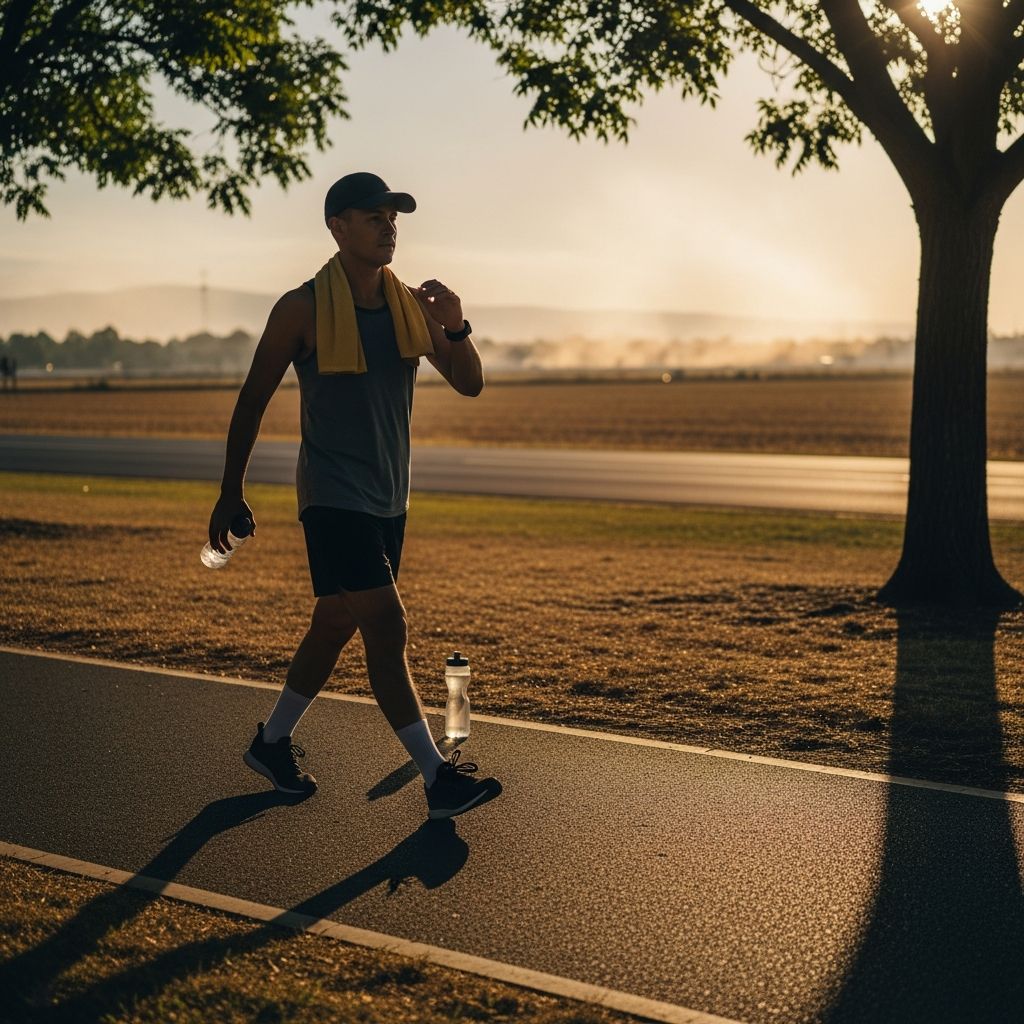
Exercising during a heatwave presents unique challenges as high temperatures and humidity impair your body’s ability to cool itself, increasing risks of dehydration and heat-related illnesses. With proper precautions like hydration, smart timing, and monitoring symptoms, you can maintain your fitness routine safely.
Why is it harder to exercise in hot weather?
Your body regulates temperature through sweating, but in hot, humid conditions, sweat evaporates slower, causing core temperature to rise faster during exercise. This forces your heart to pump harder to cool you, elevating heart rate by 10-20 beats per minute for every 1°C rise in temperature. Athletes and active individuals are particularly vulnerable, as intense activity amplifies heat production.
Humidity compounds the issue; at 80% relative humidity, sweat barely evaporates, making heat index—a measure combining temperature and humidity—a critical factor. For instance, 32°C (90°F) at 70% humidity feels like 41°C (106°F), heightening risks even for fit individuals. Heat acclimation takes 1-2 weeks, during which performance drops initially.
Stay hydrated
Hydration is the cornerstone of safe exercise in heat, as sweat losses can reach 1-2 liters per hour. Dehydration reduces blood volume, straining the cardiovascular system and impairing cooling.
- Pre-hydrate: Drink 16-20 oz (500-600 ml) of water 1-2 hours before exercise.
- During activity: Sip 5-7 oz (150-200 ml) every 10-15 minutes; for sessions over 60 minutes, use electrolyte drinks to replace sodium and potassium lost in sweat.
- Post-workout: Rehydrate with 16-24 oz per pound of body weight lost, monitored by weighing before and after.
Avoid caffeine, alcohol, and sugary drinks, which exacerbate dehydration. Urine color (pale yellow) indicates good hydration. Those on diuretics, like heart failure patients, should consult doctors to balance fluid intake.
Try different types of exercise
Adapt your routine to minimize heat stress by shifting to lower-intensity or indoor options.
- Water-based workouts: Swimming or aqua aerobics in pools or lakes cools via water conduction, ideal during peak heat.
- Indoor alternatives: Gym sessions with AC, yoga, or cycling provide cardio without sun exposure.
- Strength training: Focus on weights or bodyweight exercises in shaded areas, as they generate less metabolic heat than cardio.
Incorporate cross-training; for runners, try elliptical machines. During extreme heat, prioritize recovery days or active rest like walking in shade.
Avoid the hottest part of the day
Limit outdoor exercise between 10 a.m. and 4 p.m., when heat index peaks. Opt for dawn or dusk slots when temperatures drop 5-10°C.
Use heat index charts: Caution at 27°C (80°F), high risk above 32°C (90°F). Direct sun adds 5-10 units to perceived heat versus shade. Apps from the National Weather Service help plan accordingly.
Cool down your skin
Enhance evaporative cooling with strategic aids.
- Clothing: Light-colored, loose, moisture-wicking fabrics; avoid cotton. Hats, visors, and arm sleeves shield skin.
- Sunscreen: Broad-spectrum SPF 30+, reapplied every 2 hours or post-swim.
- Cooling techniques: Damp towels on neck/forehead, misting fans, or forearm immersion in cool water during breaks.
Related Stories



Post-exercise ice baths or cold showers aid recovery, but avoid ice-cold water during activity to prevent vasoconstriction.
Take it easy
Reduce intensity by 20-30% initially; perceived exertion rises in heat. Use the talk test: If you can’t speak full sentences, slow down.
Acclimate gradually: Start with 50% usual duration/intensity, building over 7-14 days. Take breaks every 10-15 minutes, especially for sessions >1 hour. Monitor heart rate; target 10 bpm lower than cool-weather max.
Who is most at risk?
Certain groups face higher dangers:
- Novices/unacclimated: Lack heat adaptation.
- Older adults/children: Poorer thermoregulation.
- Obese/ill individuals: Higher heat production, medications like diuretics increase dehydration risk.
- Heart conditions: Prefer indoor moderate exercise; daily weighing detects fluid loss.
Recognize the signs of heat-related illness
Heat illnesses form a spectrum from mild to life-threatening.
| Condition | Symptoms | Action |
|---|---|---|
| Heat cramps | Muscle pains, spasms | Rest, stretch, hydrate with electrolytes |
| Heat exhaustion | Heavy sweat, dizziness, nausea, headache, rapid pulse | Cool environment, elevate legs, rehydrate; seek medical if no improvement in 30 min |
| Heatstroke | Core temp >40°C, confusion, no sweat, seizures | Emergency: Cool immediately (ice packs), call 911 |
Stop at early signs like cramps or fatigue. Never ignore symptoms in others.
Frequently Asked Questions (FAQs)
Can I exercise in a heatwave if I’m fit?
Yes, but even athletes must adapt; start slow and monitor heat index.
How much water is enough during hot workouts?
5 oz every 10-15 min; adjust for sweat rate.
Is it safe to run in 35°C heat?
Only early/late, with precautions; prefer indoors if heat index >90°F.
What if I feel dizzy during exercise?
Stop, cool down, hydrate; seek help if persists.
How long to acclimate to heat?
1-2 weeks with gradual exposure.
References
- Heat and Athletes — Centers for Disease Control and Prevention (CDC). 2024. https://www.cdc.gov/heat-health/risk-factors/heat-and-athletes.html
- Stay Heart-Smart in the Heat: Summer Tips — Texas Heart Institute. 2023. https://www.texasheart.org/heart-health/heart-information-center/topics/hot-weather-exercise-tips/
- Summer Fitness: Tips for Safe Exercise in Hot Weather — PureView Health Center. 2024. https://www.pureviewhealthcenter.org/pureview-connect/summer-fitness-tips-for-safe-exercise-in-hot-weather
- Exercising in the Heat: How to Stay Safe — Mass General Brigham. 2024. https://www.massgeneralbrigham.org/en/about/newsroom/articles/prevent-overheating-during-workouts
- Exercise-Related Heat Illness — American Academy of Pediatrics (AAP). 2023. https://www.aap.org/globalassets/publications/coya/exercise_related_heat_illness_final_secured.1.0.pdf
Similar Articles








Read full bio of medha deb