How Video Games Can Be Beneficial for Your Health
Discover the surprising mental health benefits of video games, from stress relief and cognitive boosts to social connection and emotional resilience.
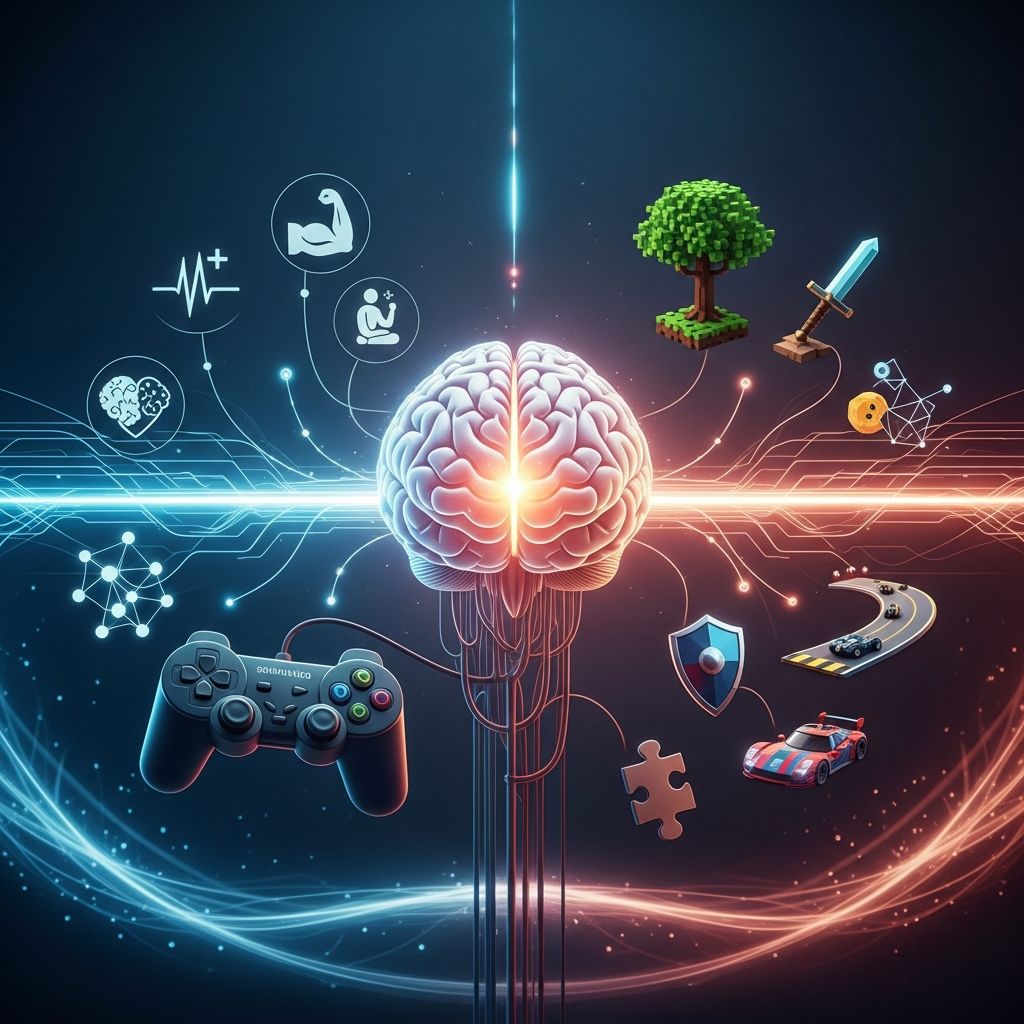
Video games have long been stereotyped as detrimental to health, but emerging research reveals their substantial benefits for mental well-being. From alleviating stress and anxiety to enhancing cognitive functions and fostering social connections, moderate gaming offers therapeutic value supported by scientific studies.
Reducing Stress and Anxiety
Playing video games serves as an effective mechanism for managing stress and negative emotions. Recent studies demonstrate that games help players distract from daily pressures, entering a state of flow that promotes relaxation and emotional regulation.
For college students, video game play has been linked to lower anxiety symptoms, particularly during high-stress periods like lockdowns. Cross-national research found that routine players with moderate anxiety experienced buffering effects, with 55.3% reporting reduced symptoms directly attributable to gaming. Social play—gaming with friends or family—further amplifies these benefits by providing connection and distraction from distress.
Exergames, which combine gaming with physical activity, match conventional exercise in reducing anxiety, making them a low-barrier option for mental health support. However, moderation is key; excessive play, especially sudden increases in gaming time, correlates with heightened anxiety in those with pre-existing conditions.
- Games induce flow states, fully engaging the mind and blocking out stressors.
- Social multiplayer modes strengthen emotional ties, mitigating isolation.
- Moderate sessions (not excessive) yield the strongest anxiety reductions.
Improving Mood and Emotional Resilience
Video games elevate mood and build emotional resilience by offering achievable goals and positive feedback loops. Unlike passive activities, gaming stimulates deeper brain regions, fostering perseverance and optimism in the face of failure.
Research from the American Psychological Association highlights gaming’s role in mood management across cognitive, motivational, and emotional domains. Players develop resilience through repeated challenges, mirroring real-world coping strategies. Nostalgia-evoking games, like Pokémon GO, further boost positive emotions by reconnecting players with fond memories.
For individuals with depression, commercial games show promise in symptom amelioration, with self-perceived efficacy predicting better outcomes. Strategic genres encourage critical thinking, countering depressive rumination.
Gameplay is described as the ‘direct emotional opposite of depression,’ activating engagement and achievement absent in low-mood states.
Mental Stimulation and Cognitive Benefits
Video games provide rigorous mental workouts, enhancing skills like problem-solving, memory, and attention. Complex games activate nearly every brain area, promoting higher-level thinking and strategic analysis.
A 2023 study confirmed video games predict improvements in mental flexibility, planning, visual working memory, visuospatial processing, fluid intelligence, and verbal working memory. Role-playing and strategy games particularly excel in building these competencies, with benefits transferable to real-life tasks.
| Cognitive Skill | Game Type Example | Benefit |
|---|---|---|
| Mental Flexibility | Puzzle Games | Adaptation to new rules and scenarios |
| Problem-Solving | Strategy RPGs | Decision-making under pressure |
| Working Memory | Action-Adventure | Improved retention and multitasking |
| Attention | First-Person Shooters | Enhanced focus and reaction time |
Related Stories



These gains are not limited to youth; adults benefit similarly, with games fostering lifelong cognitive health.
Mental Health Recovery and Trauma Support
Video games aid recovery from psychological trauma by acting as distractions and safe spaces for processing emotions. They support individuals with anxiety, depression, ADHD, and PTSD, offering immersive escapes that reduce pain perception.
Systematic reviews endorse game-based interventions for depressive disorders, noting clinically measurable reductions in symptoms. For PTSD, games provide controlled environments to rehearse coping, building resilience without real-world risks. Personal accounts echo this, with players reporting lighter moods and brain engagement unmatched by other therapies.
- Distraction from trauma triggers.
- Gradual exposure in narrative-driven games.
- ADHD management through structured challenges.
Social Interaction and Connection
Multiplayer gaming counters isolation, a key mental health risk factor. Online platforms enable bonds with friends and family, crucial during crises like COVID-19.
Social play correlates with lowered anxiety and depression, as players feel connected despite physical distance. Interviews reveal gaming as a vital link for maintaining intimacy and support networks. Unlike solo activities, cooperative modes enhance empathy and teamwork skills.
Genres like MMORPGs (massively multiplayer online role-playing games) excel here, blending social interaction with personal relevance for maximal benefits.
Physical Health Ties Through Gaming
Beyond mental perks, certain games promote physical activity. Exergames rival traditional workouts for anxiety relief while adding fun, improving overall health. Active titles like dance or sports simulations encourage movement, linking body and mind benefits.
Choosing the Right Games for Health
Not all games are equal; select based on needs. Strategic games for cognition, social ones for connection, relaxing titles for stress. Personal relevance ensures engagement, maximizing positives. Avoid excess—moderate play (1-2 hours daily) optimizes outcomes.
Frequently Asked Questions (FAQs)
Can video games really reduce anxiety and depression?
Yes, studies show moderate gaming lowers symptoms, especially via social play and flow states, though excessive use may worsen issues.
Are violent games bad for mental health?
No strong evidence supports this; many, including shooters, boost focus and resilience when played moderately.
How much gaming is healthy?
Moderation is key—routine, limited sessions (under 2 hours/day) yield benefits without risks.
Do video games help with ADHD or PTSD?
They provide distraction, structure, and skill-building, aiding management per research.
Can gaming replace therapy?
No, but it complements treatment, with evidence for game-based interventions.
Potential Risks and Balanced Approach
While beneficial, over-reliance leads to sleep issues, worsened depression, or addiction in vulnerable groups. Balance with real-world activities ensures sustained gains. Mental health professionals can guide therapeutic gaming.
In summary, video games, when approached mindfully, are powerful tools for health enhancement, challenging outdated stigmas with robust evidence.
References
- Emotional Benefits to Playing Video Games — Journal of Children’s Librarianship Services. 2023-07-18. https://jcls.org/2023/07/18/emotional-benefits-to-playing-video-games/
- The Positive Effect of Video-Game Play on College Students’ Anxiety — JMIR Serious Games. 2025. https://games.jmir.org/2025/1/e58857
- Are There Mental Health Benefits of Video Games? — WebMD. Accessed 2026. https://www.webmd.com/mental-health/mental-health-benefits-of-video-games
- Gaming for Mental Health: How It’s Helped a Healthline Writer — Healthline. 2023. https://www.healthline.com/health/video-games-for-mental-health
- The Benefits of Playing Video Games — American Psychological Association. 2014. https://www.apa.org/pubs/journals/releases/amp-a0034857.pdf
- The Surprising Truth about Video Games and Mental Health — WellPower. Accessed 2026. https://www.wellpower.org/blog/the-surprising-truth-about-video-games-and-mental-health/
Similar Articles








Read full bio of medha deb