How Vitamin C Supports a Healthy Immune System
Discover the vital role of vitamin C in boosting immunity, fighting infections, and promoting overall wellness through science-backed insights.
Vitamin C, also known as ascorbic acid, is a water-soluble vitamin essential for numerous bodily functions, particularly in maintaining a robust immune system. Research demonstrates that it plays a critical role in immune cell function, tissue repair, and antioxidant defense.
Health Benefits of Vitamin C
Research shows vitamin C is essential for the growth and repair of tissue all over the body. It helps heal wounds and repair and maintain healthy gums, skin, and cartilage—a type of firm tissue that covers the bones. As an antioxidant, vitamin C fights free radicals in the body, which may help prevent or delay certain cancers and heart disease while promoting healthy aging.
Beyond general health, vitamin C contributes to wound healing, iron absorption, mood improvement, and healthy skin maintenance. It also supports the immune system by protecting cells from oxidative damage.
Vitamin C and Immune Cell Function
Vitamin C contributes to immune defense by supporting various cellular functions of both the innate and adaptive immune systems. It accumulates in phagocytic cells like neutrophils, enhancing chemotaxis, phagocytosis, reactive oxygen species generation, and microbial killing. It is also needed for apoptosis and clearance of spent neutrophils, reducing potential tissue damage.
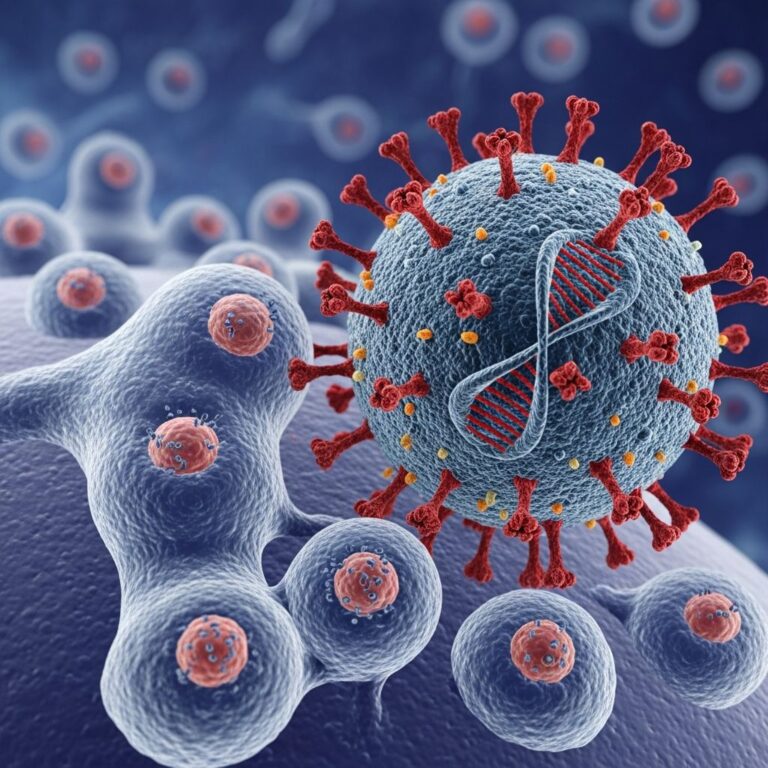
Recent research from The Ohio State University reveals that vitamin C promotes immune cell differentiation by enhancing DNA remodeling. It activates TET enzymes that remove methyl groups from DNA, particularly on the Prdm1 gene, enabling B cells to differentiate into antibody-producing plasma cells more efficiently.
- Neutrophil Protection: As an antioxidant, vitamin C shields neutrophils from oxidative stress during phagocytosis, when they produce reactive oxygen species (ROS) to destroy pathogens.
- Lymphocyte Support: It enhances differentiation and proliferation of B- and T-cells through gene regulation effects.
- Epigenetic Regulation: Vitamin C fine-tunes gene expression via TET enzymes, promoting proper immune cell maturation.
How Much Vitamin C Do You Need?
The Recommended Dietary Allowance (RDA) for vitamin C varies by age, sex, and life stage. Adult men need 90 mg per day, while adult women require 75 mg. Smokers should add 35 mg daily due to increased oxidative stress. Pregnant and lactating women need 85 mg and 120 mg, respectively.
| Group | RDA (mg/day) |
|---|---|
| Adult Men (19+) | 90 |
| Adult Women (19+) | 75 |
| Pregnant Women | 85 |
| Lactating Women | 120 |
| Smokers (add to RDA) | +35 |
Upper limits are 2,000 mg/day for adults to avoid side effects like diarrhea. Saturating plasma levels (100-200 mg/day) optimize immune cell function.
Food Sources of Vitamin C
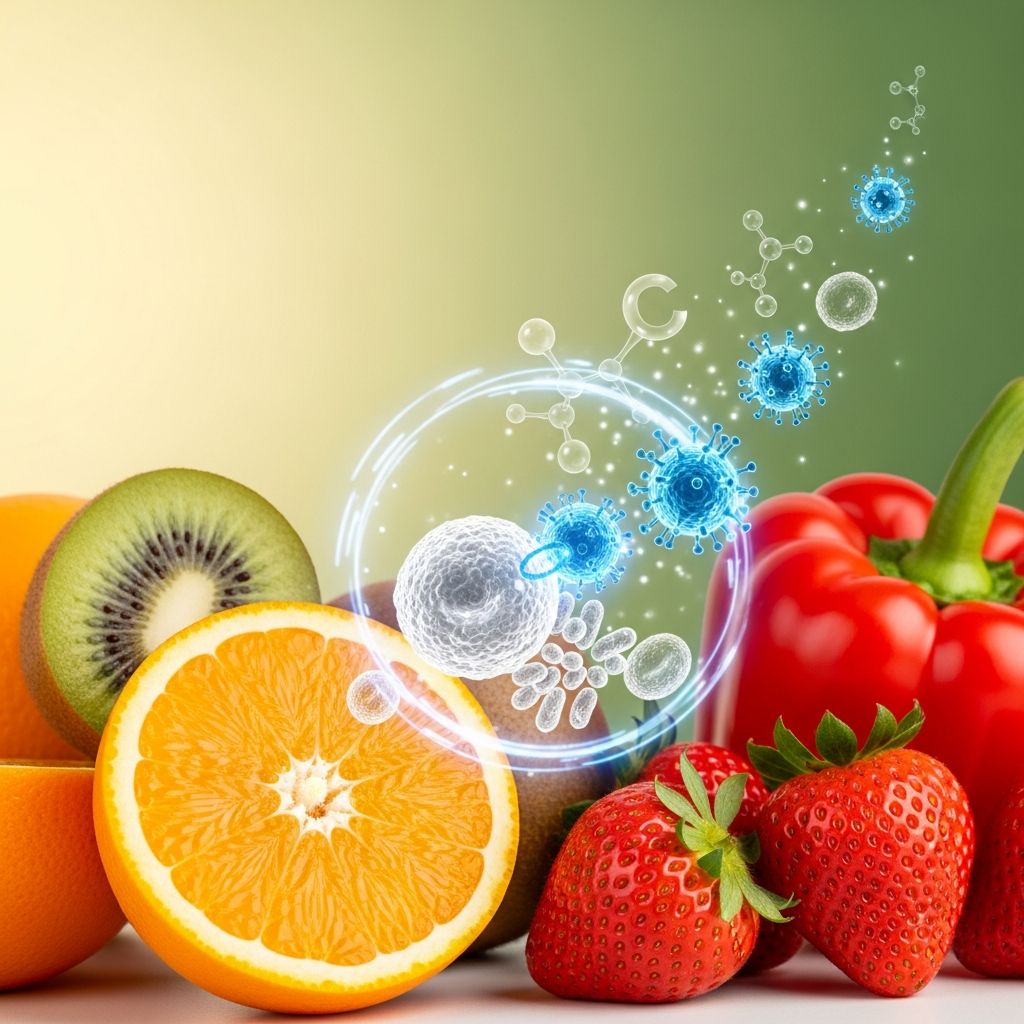
Vitamin C is abundant in fruits and vegetables. Aim for a variety to meet daily needs.
- Citrus Fruits: Oranges (70 mg per medium fruit), grapefruits (52 mg per half).
- Bell Peppers: Red (152 mg per cup raw), green (96 mg per cup raw).
- Berries: Strawberries (98 mg per cup), kiwi (71 mg per fruit).
- Vegetables: Broccoli (81 mg per cup cooked), Brussels sprouts (75 mg per cup).
- Other: Tomatoes (23 mg per cup), potatoes (27 mg per medium baked).
Heat and light degrade vitamin C, so consume raw or lightly cooked produce for maximum benefit.
Vitamin C and the Common Cold
Vitamin C deficiency impairs immunity and increases infection susceptibility. Infections deplete vitamin C levels due to inflammation and metabolic demands. Routine supplementation (100-200 mg/day) may prevent colds, while higher doses (3-4 g/day) at onset can shorten duration by relieving symptoms like chest pain and fever.
Related Stories



A study of Korean soldiers showed 6 g/day reduced cold risk by 20%. Prophylactic doses maintain plasma saturation for immune support.
Supplements
Supplements are useful for those with limited diets but whole foods provide cofactors. Forms include ascorbic acid, sodium ascorbate, and liposomal for better absorption. For infections, gram doses compensate for demand, though IV vitamin C shows promise in severe cases like ARDS.
Consult professionals before high-dose use, especially with conditions like kidney stones.
Choose Foods First
While supplements help, foods offer fiber, flavonoids, and other nutrients synergizing with vitamin C. A diet rich in produce supports optimal immunity without excess.
Frequently Asked Questions
Can vitamin C prevent colds?
Routine intake (100-200 mg/day) may reduce cold duration and severity, especially in stressed populations, but it doesn’t fully prevent them in everyone.
Is too much vitamin C harmful?
Excess (over 2,000 mg/day) can cause gastrointestinal upset. Those prone to kidney stones should be cautious.
Do I need supplements if I eat fruits?
A varied diet usually suffices, but smokers, athletes, or those with poor absorption may benefit from extras.
How does vitamin C boost immunity?
It enhances phagocyte function, lymphocyte proliferation, epithelial barriers, and epigenetic regulation for cell differentiation.
What’s the best food source?
Red bell peppers top the list at 152 mg per cup raw, followed by citrus and strawberries.
References
- Vitamin C promotes immune cell differentiation by enhancing DNA remodeling — The Ohio State University College of Medicine. 2023-10-10. https://medicine.osu.edu/news/vitamin-c-promotes-immune-cell-differentiation
- Vitamin C and Immune Function — PubMed (Anitra Carr & Silke Maggini). 2017-11-03. https://pubmed.ncbi.nlm.nih.gov/29099763/
- The Long History of Vitamin C: From Prevention of the Common Cold to Potential Aid in the Treatment of COVID-19 — Frontiers in Immunology. 2020-12-10. https://www.frontiersin.org/journals/immunology/articles/10.3389/fimmu.2020.574029/full
- How Vitamin C Supports a Healthy Immune System — Academy of Nutrition and Dietetics. 2023. https://www.eatright.org/health/essential-nutrients/vitamins/how-vitamin-c-supports-a-healthy-immune-system
- Does Getting More Vitamin C Really Keep You From Getting Sick? — Houston Methodist. 2020-04-01. https://www.houstonmethodist.org/blog/articles/2020/apr/does-getting-more-vitamin-c-really-keep-you-from-getting-sick/
- Vitamin C — Mayo Clinic. 2023-07-12. https://www.mayoclinic.org/drugs-supplements-vitamin-c/art-20363932
Similar Articles








Read full bio of medha deb