Hormones When You Lose Weight: 6 Key Changes To Expect
Understanding hormonal changes during weight loss and their impact on your body.
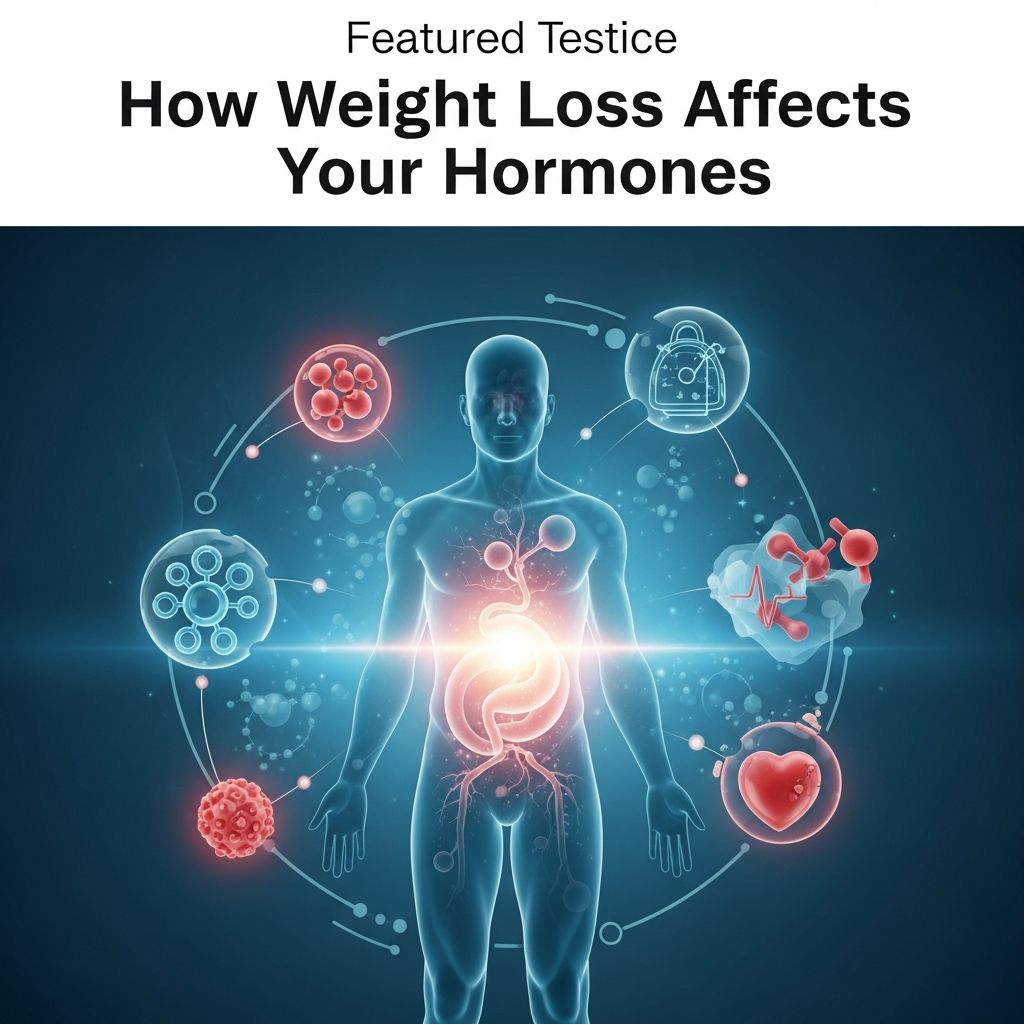
What Happens to Your Hormones When You Lose Weight
When you embark on a weight loss journey, your body undergoes numerous physiological changes. One of the most significant—and often overlooked—aspects of this transformation involves your hormones. These powerful chemical messengers regulate everything from your appetite and metabolism to your mood and energy levels. Understanding how weight loss affects your hormones can help you navigate the challenges that arise during the process and develop sustainable strategies for long-term success.
The Role of Hormones in Weight Management
Hormones act as your body’s communication system, sending signals that control hunger, satiety, energy expenditure, and fat storage. When you lose weight, these hormonal signals don’t simply adjust smoothly—instead, your body initiates a complex cascade of changes designed to protect your energy reserves and signal that you may be in a state of deprivation. This is why weight loss can feel increasingly difficult as you progress, and why maintaining weight loss often requires ongoing effort and awareness.
Several key hormones play crucial roles in weight management and are significantly affected by weight loss:
- Leptin: Often called the “satiety hormone,” leptin is produced by fat cells and signals fullness to your brain
- Ghrelin: Known as the “hunger hormone,” ghrelin increases appetite and is produced primarily in the stomach
- Insulin: This hormone regulates blood sugar and plays a critical role in fat storage and energy metabolism
- Cortisol: The stress hormone that influences metabolism and fat distribution
- Thyroid hormones: These regulate metabolic rate and energy production throughout your body
- Peptide YY: A hormone that promotes feelings of fullness and reduces appetite
Leptin and the Weight Loss Plateau
Leptin is perhaps the most critical hormone in the weight loss equation. This hormone is secreted by adipose (fat) tissue and travels to the brain to signal that your body has adequate energy stores. When leptin levels are adequate, your brain receives the message to stop eating and increase energy expenditure. However, when you lose weight, your fat cells shrink, and leptin production decreases proportionally.
This reduction in leptin triggers a cascade of metabolic adjustments that your body interprets as a threat to survival. Your brain responds by:
- Increasing hunger signals and food cravings
- Decreasing feelings of fullness and satisfaction from meals
- Reducing metabolic rate to conserve energy
- Increasing fatigue and reducing motivation for physical activity
- Promoting fat storage when calories are available
This compensatory response is why many people experience intense hunger and food obsession during weight loss, particularly as they approach their goal. It’s not a matter of willpower—it’s biology working against your weight loss efforts.
Ghrelin’s Role in Hunger and Appetite
While leptin signals fullness, ghrelin does the opposite. Produced primarily in the stomach lining, ghrelin increases before meals and signals the brain that it’s time to eat. During weight loss, ghrelin levels typically increase, making you feel hungrier and more preoccupied with food.
The elevation in ghrelin during weight loss can be dramatic, and this increased appetite persists even after significant weight loss has been achieved. Some research suggests that ghrelin levels may remain elevated even after weight has been stabilized, explaining why maintaining weight loss is often as challenging as losing it in the first place.
Related Stories



Strategies to manage ghrelin-related hunger include:
- Eating protein-rich foods at every meal to increase satiety
- Including fiber in your diet to slow gastric emptying
- Eating slowly and mindfully to allow leptin signaling time to reach your brain
- Getting adequate sleep, as sleep deprivation increases ghrelin
- Managing stress through exercise, meditation, or other relaxation techniques
- Staying hydrated, as thirst can be confused with hunger
Insulin Sensitivity and Metabolic Health
Insulin plays a dual role during weight loss. In the short term, a caloric deficit and weight loss generally improve insulin sensitivity, meaning your cells respond better to insulin signals. This is beneficial for blood sugar regulation and metabolic health. However, the relationship between insulin and weight loss is complex.
As weight loss progresses and your body enters conservation mode, your metabolic rate may decrease more than expected based on the amount of weight lost. This “adaptive thermogenesis” means your body is burning fewer calories at rest, making continued weight loss progressively more difficult. Insulin resistance can develop as an adaptation to energy restriction, making it harder to maintain stable blood sugar levels and energy throughout the day.
Maintaining muscle mass through strength training and consuming adequate protein can help preserve insulin sensitivity during weight loss and support a higher metabolic rate.
The Thyroid Hormone Connection
Your thyroid hormones—primarily T3 and T4—regulate your basal metabolic rate, the number of calories your body burns at rest. During significant caloric restriction and weight loss, thyroid hormone production can decrease substantially. This reduction in thyroid activity is another protective mechanism your body initiates in response to perceived energy deprivation.
The decrease in thyroid hormones during weight loss can result in:
- Reduced metabolic rate and increased difficulty losing weight
- Increased fatigue and cold sensitivity
- Slower cognitive function and mood changes
- Hair loss and skin changes
- Decreased motivation for exercise
To support thyroid health during weight loss, ensure adequate intake of iodine, selenium, and zinc, and avoid excessive caloric restriction. Very low-calorie diets are particularly likely to suppress thyroid function and should be undertaken only under medical supervision.
Cortisol and Stress-Related Weight Loss Challenges
Cortisol, your primary stress hormone, plays an important role in metabolism and fat distribution. While moderate cortisol is necessary for normal function, chronically elevated cortisol—often seen during strict dieting and weight loss efforts—can promote fat storage, particularly in the abdominal area.
High stress levels and elevated cortisol during weight loss can:
- Increase cravings for high-calorie, highly palatable foods
- Promote visceral fat accumulation around organs
- Impair sleep quality, which further dysregulates appetite hormones
- Reduce immune function and increase inflammation
- Decrease motivation and increase emotional eating
Managing stress through regular physical activity, adequate sleep, mindfulness practices, and social connection is essential for successful, sustainable weight loss.
Peptide YY and Other Satiety Hormones
Beyond leptin and ghrelin, several other hormones influence appetite and satiety. Peptide YY (PYY), released by the intestines in response to nutrient intake, signals fullness and reduces subsequent food intake. During weight loss, PYY responses may be blunted, contributing to increased hunger and reduced satisfaction from meals.
Other important satiety hormones include cholecystokinin (CCK), released by the small intestine in response to fat and protein, and glucagon-like peptide-1 (GLP-1), which slows gastric emptying and promotes satiety. Supporting the production and signaling of these hormones involves consuming adequate protein, healthy fats, and fiber.
Sex Hormones and Weight Loss
Estrogen and testosterone also play significant roles in weight regulation and are affected by weight loss. In women, estrogen influences fat distribution and metabolism, and significant weight loss can affect estrogen levels, potentially impacting menstrual cycles and bone health. In men, weight loss can improve testosterone levels, which positively impacts metabolism and muscle maintenance.
Women may experience particular challenges during and after weight loss, including hormonal fluctuations that vary across the menstrual cycle and the potential for nutrient deficiencies affecting hormone production. Ensuring adequate nutrition is particularly important for women undergoing significant weight loss.
Strategies for Managing Hormonal Changes During Weight Loss
Understanding the hormonal changes that accompany weight loss empowers you to implement strategies that work with your body rather than against it:
Prioritize Adequate Protein Intake
Protein is the most satiating macronutrient and increases thermogenesis, meaning your body burns calories digesting it. Consuming adequate protein preserves lean muscle mass, supports hormonal health, and helps manage hunger hormones. Aim for protein at every meal and snack.
Include Fiber-Rich Foods
Fiber slows digestion, promotes satiety, and supports healthy gut bacteria, which influence metabolism and hormone production. Include vegetables, fruits, legumes, and whole grains in your diet.
Avoid Extreme Caloric Restriction
Very low-calorie diets trigger excessive metabolic suppression and hormonal dysregulation. Instead, aim for a moderate deficit of 500-750 calories per day, which promotes sustainable weight loss while minimizing hormonal disruption.
Incorporate Strength Training
Resistance exercise preserves muscle mass, supports metabolic rate, and improves insulin sensitivity. Strength training three to four times weekly provides significant metabolic benefits during weight loss.
Prioritize Sleep Quality
Sleep deprivation elevates ghrelin and increases appetite while suppressing leptin signaling. Aim for seven to nine hours nightly to support hormonal balance and weight loss success.
Manage Stress Effectively
Chronic stress elevates cortisol, promoting fat storage and undermining weight loss efforts. Incorporate stress-management practices like meditation, yoga, or regular social connection.
Stay Hydrated
Drinking adequate water supports metabolic function, can increase feelings of fullness, and helps distinguish true hunger from thirst.
Frequently Asked Questions
Q: How long does it take for hormones to adjust after weight loss?
A: Hormonal adjustments begin almost immediately when you create a caloric deficit, but full adjustment can take months to years. Some hormonal changes, like elevated ghrelin, may persist even after weight has been maintained for extended periods.
Q: Can hormonal imbalances prevent weight loss?
A: Yes, significant hormonal imbalances—such as thyroid dysfunction, PCOS, or cortisol dysregulation—can make weight loss extremely difficult. If you’re struggling despite consistent effort, consult a healthcare provider to assess your hormonal health.
Q: Why do I feel hungrier as I lose weight?
A: As fat mass decreases, leptin production declines while ghrelin increases, creating a biological drive to eat more. This is a natural adaptive response and doesn’t indicate failure—it reflects your body’s survival mechanisms.
Q: Does hormone replacement therapy affect weight loss?
A: Hormone replacement therapy can influence weight loss and distribution. If you’re undergoing HRT, discuss weight loss goals with your healthcare provider, as they may need to adjust treatment.
Q: Are there supplements that help regulate appetite hormones?
A: While some supplements are marketed for appetite control, the most effective approaches involve dietary changes and lifestyle modifications. Consult a registered dietitian before starting any supplement.
References
- The Role of Leptin in Obesity and the Potential of Leptin-Replacement Therapy — National Center for Biotechnology Information (NCBI). 2022. https://pubmed.ncbi.nlm.nih.gov/
- Ghrelin and Weight Regulation: Physiological and Pathophysiological Considerations — Journal of Clinical Investigation. 2018. https://www.jci.org/
- Adaptive Thermogenesis and the Metabolic Adaptation to Energy Restriction — American Journal of Clinical Nutrition. 2020. https://academic.oup.com/ajcn
- The Effects of Caloric Restriction on Thyroid Hormone Metabolism — Nutrients Journal. 2021. https://www.mdpi.com/journal/nutrients
- Protein Intake and Satiety During Weight Loss: A Systematic Review — Advances in Nutrition. 2019. https://academic.oup.com/advances
- Sleep Deprivation and Its Effects on Appetite-Regulating Hormones — Sleep Medicine Reviews. 2022. https://www.sciencedirect.com/journal/sleep-medicine-reviews
Similar Articles








Read full bio of medha deb