Wound Healing: 4 Stages, Timeline, And Care Tips
Understand the four stages of wound healing and how your body repairs itself.
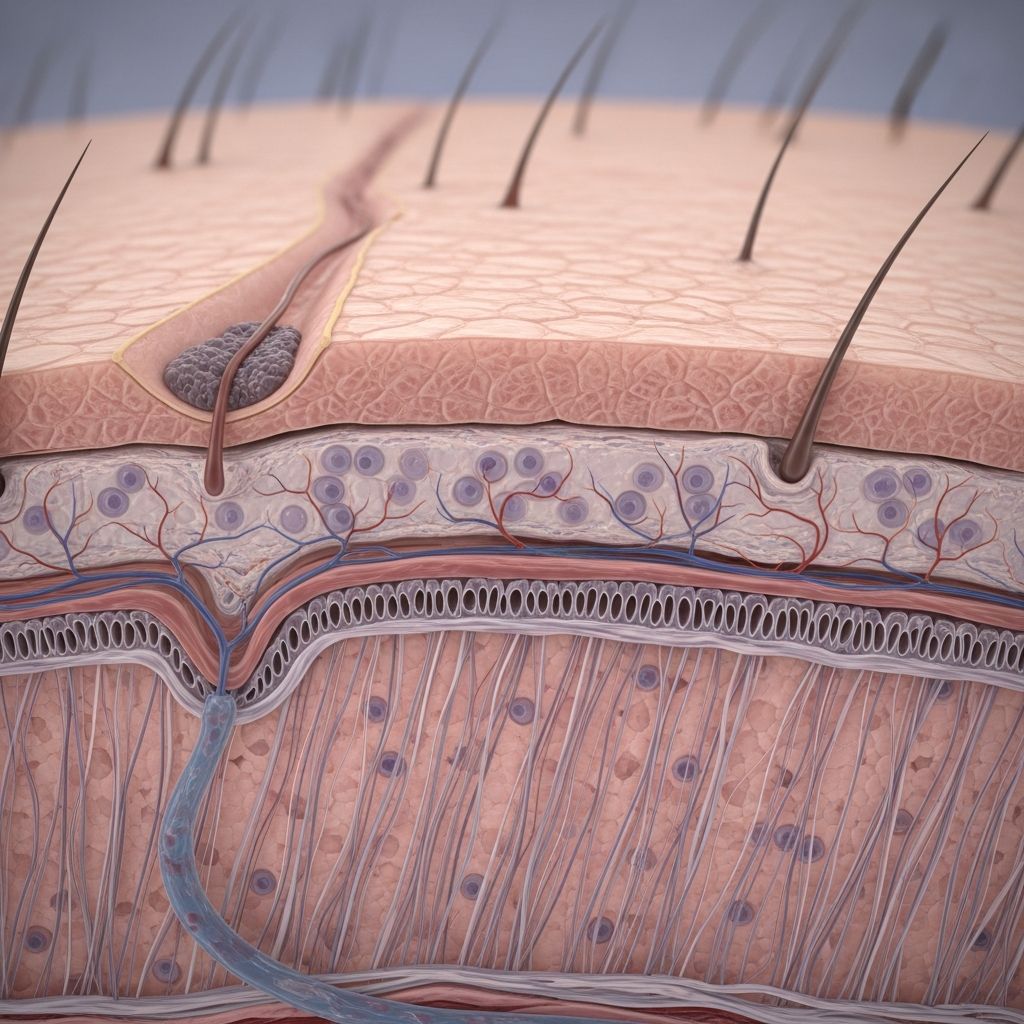
How Wounds Heal: Understanding Your Body’s Repair Process
When you experience a cut, scrape, or other skin injury, your body automatically activates a complex biological process to repair the damage. Wound healing is a remarkable series of coordinated events that involves multiple cell types, biochemical signals, and specialized tissues working together seamlessly. Understanding how this process works can help you better care for injuries and recognize when something might need medical attention.
The healing process doesn’t happen all at once. Instead, your body progresses through distinct phases, each with specific biological objectives and characteristics. From the moment you sustain an injury until the scar fully matures, your body is constantly working to restore the integrity of your skin and underlying tissues.
The Four Stages of Wound Healing
Wound healing occurs in four interconnected stages, each playing a vital role in the overall recovery process. These stages overlap and work in coordination with one another, though they do follow a general sequence.
Stage 1: Hemostasis – Stopping the Bleeding
The first stage of wound healing begins immediately when you sustain an injury. Hemostasis is your body’s emergency response to prevent excessive blood loss and seal the wound.
When skin is broken, blood vessels in the injured area immediately begin to narrow through a process called vasoconstriction. This narrowing reduces blood flow to the area and is the first line of defense against bleeding. Within seconds to minutes of the injury, your body initiates the clotting cascade.
Platelets, which are specialized blood cells responsible for clotting, quickly gather at the wound site and clump together to form a temporary plug. This platelet aggregation creates a physical barrier that helps seal the wound. Subsequently, a protein called fibrin is activated through a complex coagulation pathway. Fibrin acts like biological “glue,” creating a mesh-like network that traps platelets and reinforces the clot. This combination of platelets and fibrin forms a scab—the protective covering that seals the wound and prevents further blood loss.
The hemostasis stage typically completes within minutes of injury, though the clot continues to strengthen over the following hours. This stage is crucial for survival, particularly with larger or deeper wounds.
Stage 2: Inflammation – Cleaning and Defending
Once bleeding has stopped, your body transitions into the inflammatory phase, which typically lasts several days. During this stage, your body focuses on cleaning the wound and preparing it for repair.
In the early hours following injury, blood vessels around the wound expand to increase blood flow to the area. This increased circulation brings oxygen and essential nutrients while delivering infection-fighting white blood cells. The expanded vessels may cause the area to appear red, swollen, and feel warm—signs that the inflammatory process is actively working.
The immune response is a critical component of this stage. White blood cells called macrophages arrive at the wound site and begin their cleanup work. These specialized cells engulf dead tissue, bacteria, and other foreign material through a process called phagocytosis. As macrophages work, they release chemical messengers known as growth factors and cytokines that promote tissue repair and coordinate the healing response.
Related Stories



You may notice clear fluid accumulating in or around the wound during this stage. This exudate is a normal part of healing—it contains proteins, antibodies, and white blood cells that protect against infection and support tissue recovery. Some swelling, redness, and mild discomfort during this phase indicate that your immune system is actively engaged in defense and cleanup.
Stage 3: Proliferation – Rebuilding and Growth
The proliferative or fibroblastic stage begins around day five to seven after the injury and can last several weeks. This is when your body begins the actual reconstruction of damaged tissue.
During this phase, specialized cells called fibroblasts become active and begin synthesizing new collagen—the primary structural protein in skin and connective tissue. Collagen provides the scaffolding upon which other cells build new tissue. As collagen accumulates, it strengthens the wound and helps the edges begin to contract and draw together.
Simultaneously, a process called neovascularization occurs, where new blood vessels form through angiogenesis. These fresh capillaries restore blood flow to the newly forming tissue, delivering oxygen and nutrients necessary for growth. The combination of new collagen, new blood vessels, and increasing cellular activity creates granulation tissue—the temporary tissue that fills the wound.
Reepithelialization also occurs during this phase, as epithelial cells migrate from the wound edges and underlying tissue layers to cover the wound. Initially, only a thin layer of new skin forms, but this gradually thickens and strengthens over time. You may notice the wound develops a raised, reddish scar during this stage. This appearance is normal and reflects the active rebuilding happening beneath the surface.
Stage 4: Maturation and Remodeling – Strengthening
The maturation phase typically begins around week three and can continue for up to 12 months or longer, particularly with larger wounds. During this extended period, your body refines and strengthens the healed tissue.
In this stage, excess collagen is gradually removed and remodeled, while the scar tissue undergoes significant changes. The scar typically becomes flatter, paler, and less noticeable over time as the wound matures. The new tissue gradually gains tensile strength, reaching approximately 80% of the original tissue strength after about 11 to 14 weeks, though it may never fully return to 100% of its pre-injury strength.
You may experience itching, tightness, or stretching sensations during maturation as the tissue remodels and the scar contracts. These sensations are normal as your body continues its repair work. The decreased blood supply to the area during this phase means the scar will appear less red and the surrounding skin returns to a more normal appearance.
Wound Healing Timeline
The duration of wound healing varies significantly depending on multiple factors. Most simple wounds heal within three months, though the healing process technically continues much longer.
| Healing Stage | Typical Duration | Key Events |
|---|---|---|
| Hemostasis | Minutes | Blood clotting, scab formation |
| Inflammation | Several days | White blood cell activity, debris removal |
| Proliferation | 5-20 days to several weeks | Collagen production, new tissue formation |
| Maturation | 3 weeks to 12+ months | Collagen remodeling, scar maturation |
Factors that influence healing speed include wound size and depth, age, overall health, nutrition status, blood circulation, infection presence, and the type of wound. Open wounds generally take longer to heal than closed wounds because they must first fill with new tissue from the bottom up. According to medical research, the new skin and tissue formed during healing reaches approximately 80% of the strength of uninjured tissue.
Factors Affecting Wound Healing
Several factors can either accelerate or slow the wound healing process. Understanding these factors helps explain why some injuries heal quickly while others take longer.
Factors That Support Healing
Proper nutrition, particularly adequate protein and vitamin C intake, supports collagen synthesis and cell repair. Maintaining good blood circulation through regular movement and cardiovascular health ensures oxygen and nutrients reach the wound. Adequate hydration keeps tissues supple and supports cellular function. Young age generally correlates with faster healing due to more efficient cellular processes and better blood circulation. Managing stress and getting sufficient sleep both support immune function and tissue repair.
Factors That Impair Healing
Chronic diseases like diabetes can slow healing by affecting blood sugar levels and immune function. Smoking reduces oxygen availability to tissues by constricting blood vessels. Poor nutrition deprives the body of building blocks needed for repair. Certain medications can interfere with clotting or immune function. Pressure on the wound, tissue swelling, infection, and dehydration can all complicate recovery. Advanced age sometimes correlates with slower healing due to decreased cellular efficiency.
Wound Care and Treatment
Proper wound care significantly impacts healing speed and outcomes. Basic wound management includes gentle cleansing with sterile saline or appropriate wound cleanser to remove debris and bacteria without damaging new tissue.
Keeping the wound covered with appropriate dressing protects it from contamination while maintaining proper moisture levels. Various specialized dressings exist for different wound types—from simple adhesive bandages for minor cuts to advanced hydrogel dressings for more serious wounds. Changing dressings as directed and keeping the area clean prevents infection.
For slow-healing wounds, medical treatments may include:
– Medications and therapies to improve blood flow- Compression therapy to reduce swelling- Wound debridement, which involves removing dead or damaged tissue to promote healing- Special topical ointments designed to accelerate healing- Advanced dressings and skin coverings- Hyperbaric oxygen therapy for certain wound types
Signs of Infection and Complications
While some inflammation is normal during healing, certain signs indicate infection or complications requiring medical attention:
– Increasing redness that spreads beyond the original wound
– Excessive swelling that doesn’t improve
– Pain that intensifies rather than decreases
– Pus, yellow drainage, or foul-smelling discharge
– Warmth or heat radiating from the wound
– Fever or chills accompanying the wound
– The wound not showing signs of healing after several weeks
Infected wounds require prompt medical treatment, including cleansing, possible debridement of infected tissue, and antibiotic medications—either oral antibiotics or topical antibiotic ointments depending on severity.
Special Wound Healing Considerations
Different wound types may heal differently. Primary wounds—those with clean, well-approximated edges—typically heal faster than secondary wounds where tissue loss requires the wound to fill from within. Surgical incisions generally heal well because they have minimal tissue damage and clean edges. Burns, ulcers, and large traumatic wounds may require specialized treatment and take significantly longer to heal.
Frequently Asked Questions
Q: How long does it take for a wound to completely heal?
A: Most simple wounds heal within three months, but complete maturation of scar tissue can continue for up to 12 months or longer. The timeline depends on wound size, depth, and individual healing factors.
Q: Is it normal for a wound to be red and swollen?
A: Yes, redness and swelling during the inflammatory stage (first few days) are normal signs that your immune system is actively working to clean and heal the wound. If swelling and redness persist beyond a few days or intensify, seek medical evaluation.
Q: Should I keep a wound covered or let it air out?
A: For most wounds, keeping them covered with an appropriate dressing is preferable. Covered wounds heal faster and are protected from contamination and additional injury. Only very minor surface scrapes might benefit from air exposure.
Q: Why does my scar itch as it heals?
A: Itching during the maturation stage is common and indicates active collagen remodeling and nerve regeneration. Avoid scratching, as this can damage healing tissue. Moisturizing the area can sometimes help reduce itching.
Q: Can I prevent scars from forming?
A: Some scarring is inevitable with most wounds, but you can minimize it by keeping the wound clean, protecting it from infection, avoiding tension on the wound edges, and following proper wound care instructions.
Q: When should I see a doctor about a wound?
A: Seek medical attention for deep wounds, wounds with uncontrolled bleeding, signs of infection, wounds caused by dirty or rusty objects, animal bites, or any wound not showing improvement after several weeks.
Conclusion
Wound healing is a sophisticated biological process that your body performs automatically and efficiently most of the time. By understanding the four stages—hemostasis, inflammation, proliferation, and maturation—you gain insight into why wounds behave the way they do during recovery. The initial redness, swelling, and drainage are normal protective responses, while the gradual fading and flattening of scars reflects ongoing tissue remodeling.
Proper wound care, including keeping the area clean and protected, supports your body’s natural healing abilities. Most wounds heal well with basic home care, though some situations require professional medical attention. By recognizing the signs of normal healing versus complications, you can help ensure the best possible outcome for any injury. Remember that individual healing rates vary based on age, health status, and other factors, so patience with the process is important as your remarkable body works to repair itself.
References
- Stages of Wound Healing: Timeline — Healthline. 2023. https://www.healthline.com/health/skin/stages-of-wound-healing
- Wound Healing — Healthify New Zealand. 2024. https://healthify.nz/health-a-z/w/wound-healing
- Wound Healing Phases — National Center for Biotechnology Information (NCBI). 2024. https://www.ncbi.nlm.nih.gov/books/NBK470443/
- Wound Healing — Johns Hopkins Diabetes Guide. 2024. https://www.hopkinsguides.com/hopkins/view/Johns_Hopkins_Diabetes_Guide/547150/all/Wound_Healing
Similar Articles








Read full bio of Sneha Tete