How You Feel at Different Stages of Menstrual Cycle
Understand the four phases of your menstrual cycle and how hormonal changes influence your physical, emotional, and mental well-being each month.
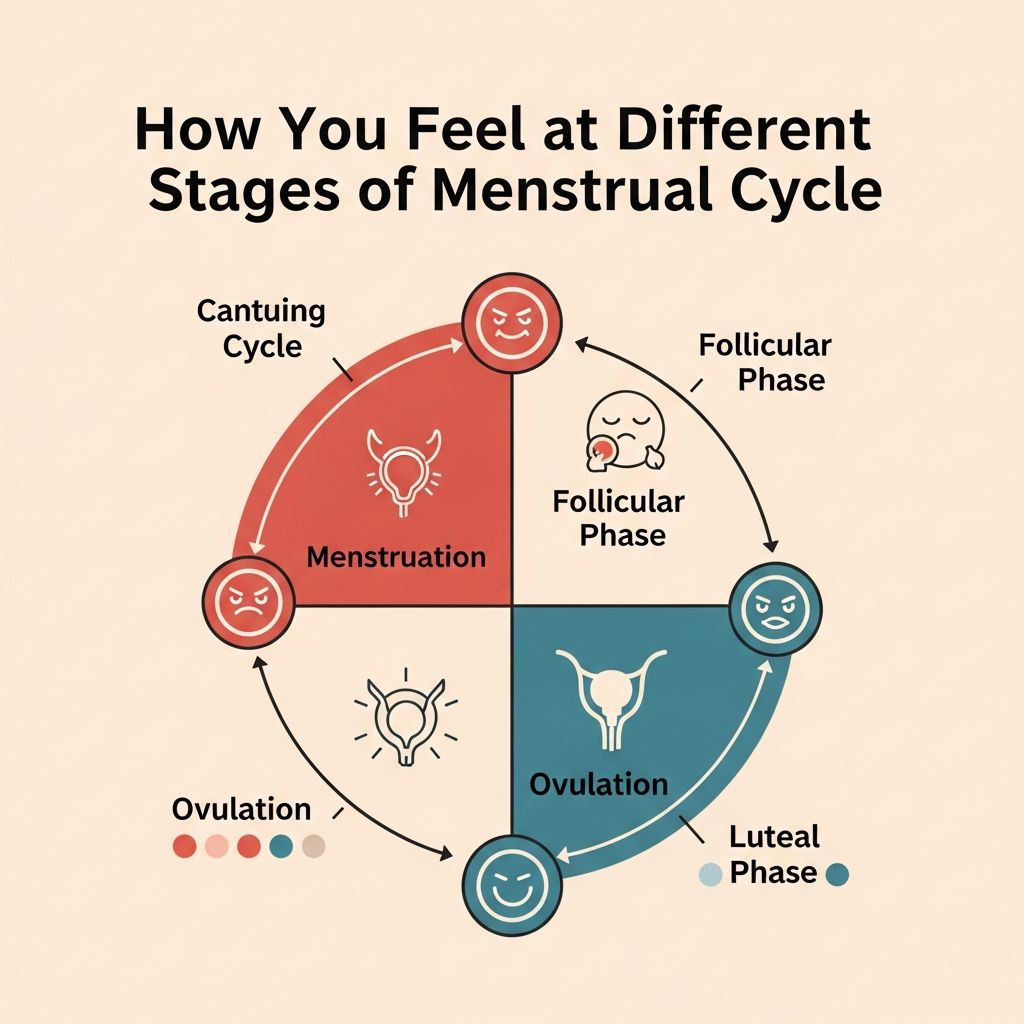
The menstrual cycle is a natural, monthly process governed by hormonal fluctuations that prepare the body for potential pregnancy. Typically lasting 21 to 35 days, it consists of four distinct phases: menstrual, follicular, ovulation, and luteal. These phases influence physical sensations, energy levels, mood, sleep quality, and even libido, varying from person to person. Understanding these stages empowers you to track symptoms, predict challenges like PMS, and align lifestyle choices—such as exercise, diet, and rest—with your body’s rhythm for optimal well-being.
Hormones like estrogen and progesterone rise and fall predictably. Estrogen generally boosts energy and mood, while progesterone can promote calm but also trigger irritability or bloating when levels drop. Serotonin, the ‘feel-good’ neurotransmitter, may also fluctuate, affecting emotional stability. Cycle tracking apps or journals help identify patterns, especially if irregular, and signal when to consult a doctor for issues like severe pain or absent periods. This article breaks down each phase, detailing common feelings, symptoms, and tips to feel your best.
What Happens During Each Menstrual Cycle Phase?
Your cycle begins on day 1 of bleeding and repeats monthly. The menstrual and follicular phases overlap initially, while ovulation marks the midpoint, followed by the luteal phase. Here’s a detailed look at physical, mental, and emotional experiences in each.
Phase 1: Menstrual Phase (Days 1-5)
The menstrual phase starts with shedding of the uterine lining, causing bleeding that lasts 3-7 days on average. Hormone levels, including estrogen and progesterone, are low at the outset, rapidly shifting as the cycle restarts. This transition can feel draining or relieving, depending on individual sensitivity. Many report fatigue from blood loss and prostaglandin release, which contracts the uterus but also causes cramps.
Physical symptoms:
- Cramps in the lower abdomen or back, ranging from mild to debilitating
- Bleeding, often heaviest days 2-3
- Fatigue and low energy due to iron loss and disrupted sleep
- Bloating and water retention
- Tender, swollen breasts
- Headaches or migraines
- Muscle aches and joint pain
- Poor sleep from discomfort or night sweats
Mental and emotional symptoms: Mood dips, irritability, or brain fog are common as serotonin adjusts to low hormones. Some feel emotionally raw or anxious.
How to feel better: Prioritize rest with warm baths, heating pads for cramps, and iron-rich foods like spinach or red meat to combat fatigue. Gentle yoga or walks aid circulation without overexertion. Over-the-counter NSAIDs like ibuprofen reduce prostaglandins and pain. Hydrate and limit caffeine/salt to ease bloating.
Phase 2: Follicular Phase (Days 1-13/14)
Overlapping with menstruation, the follicular phase spans from day 1 to ovulation, averaging 13-15 days but variable (10-22 days). Follicles in the ovaries mature, stimulated by rising follicle-stimulating hormone (FSH), producing estrogen to rebuild the uterine lining. This estrogen surge often brings renewed vitality.
As bleeding tapers, many feel a shift toward positivity. Dr. Joyce Gottesfeld notes this as a ‘quiet’ phase where energy builds, motivation returns, and exercise feels easier.
Physical symptoms:
- Increasing energy and stamina
- Better sleep quality as hormones stabilize
- Reduced bloating post-period
- Clearer skin from estrogen’s anti-inflammatory effects
- Heightened libido toward phase end
Mental and emotional symptoms:
Related Stories



- Boosted mood, happiness, and optimism
- Increased confidence and focus
- Motivation for social activities or goals
How to feel better: Capitalize on high energy with strength training, HIIT, or outdoor runs. Eat nutrient-dense meals with complex carbs, proteins, and healthy fats to fuel follicle growth. This phase suits productivity and self-care like skincare routines.
Phase 3: Ovulation Phase (Day 14, 1-2 Days)
Ovulation occurs around cycle midpoint when a mature egg releases from the ovary, triggered by luteinizing hormone (LH) surge atop peak estrogen. Basal body temperature rises slightly (0.5-1°F), cervical mucus turns clear and stretchy like egg whites, signaling fertility.
This brief phase often feels peak-performance: social, confident, and energetic, thanks to estrogen zenith. Mittelschmerz (ovulation pain) affects some.
Physical symptoms:
- Mild one-sided cramps or twinges
- Higher basal body temperature
- Changes in vaginal discharge (fertile mucus)
- Peak energy and pain tolerance
- Breast tenderness
Mental and emotional symptoms:
- Heightened confidence and charisma
- Feeling more social and outgoing
- Libido spike
How to feel better: Enjoy cardio, dancing, or team sports. Track ovulation with apps using BBT or LH strips if trying to conceive/avoid pregnancy. Antioxidant-rich foods like berries support egg quality.
Phase 4: Luteal Phase (Days 15-28)
Post-ovulation, the ruptured follicle forms the corpus luteum, secreting progesterone (with some estrogen) to thicken uterine lining for implantation. If no pregnancy, it regresses around day 25, dropping hormones and triggering PMS/menstruation. Luteal length is consistent at 12-14 days.
Progesterone calms early on but PMS hits late as levels crash, causing irritability for many.
Physical symptoms:
- Bloating and weight gain (water retention)
- Breast tenderness/swelling
- Food cravings (sweet/salty)
- Constipation or digestive shifts
- Acne flare-ups
- Insomnia or vivid dreams
- Headaches
Mental and emotional symptoms:
- Irritability, anxiety, or mood swings
- Brain fog or low motivation
- Depression-like feelings (PMDD in severe cases)
How to feel better: Opt for low-impact exercise like Pilates or swimming. Balance blood sugar with small, frequent meals high in magnesium (nuts, greens) to curb cravings. Calcium/vitamin B6 supplements may ease PMS; consult a doctor. Prioritize 7-9 hours sleep and stress reduction via meditation.
Menstrual Cycle Phases Comparison Table
| Phase | Days (Avg) | Key Hormones | Energy/Mood | Common Symptoms |
|---|---|---|---|---|
| Menstrual | 1-5 | Low E/P | Low/Tired | Cramps, bleeding, fatigue |
| Follicular | 1-14 | Rising E | High/Positive | Energy up, better sleep |
| Ovulation | 14 | Peak E, LH surge | Peak/Social | Discharge change, libido up |
| Luteal | 15-28 | High P, then drop | Variable/PMS | Bloating, cravings, irritability |
Frequently Asked Questions (FAQs)
Is it normal to feel different emotions each cycle phase?
Yes, hormonal shifts directly impact serotonin and brain chemistry, causing mood variations. Tracking reveals your patterns.
How can I track my menstrual cycle phases?
Use apps like Clue or Flo, journal symptoms, monitor BBT, or test LH. Cycles average 28 days but range 21-35.
What if my symptoms are severe?
Consult a doctor for heavy bleeding, extreme pain, or PMDD. Conditions like endometriosis may underlie issues.
Does exercise help across phases?
Yes—gentle in menstrual/luteal, vigorous in follicular/ovulation to match energy.
Can diet influence cycle feelings?
Absolutely; anti-inflammatory foods reduce PMS, while balanced macros stabilize mood.
References
- 4 phases of the menstrual cycle: How to feel your best around your … — Kaiser Permanente Healthy. 2023. https://healthy.kaiserpermanente.org/southern-california/health-wellness/healtharticle.phases-of-the-menstrual-cycle
- Menstrual Cycle Walkthrough: Phases & Hormonal Regulation — Amoeba Sisters (YouTube). 2025-02-28. https://www.youtube.com/watch?v=h36poEtEbi4
- The menstrual cycle — Better Health Channel (Vic.gov.au). Accessed 2026. https://www.betterhealth.vic.gov.au/health/conditionsandtreatments/menstrual-cycle
- How to study the menstrual cycle — PubMed Central (NIH). 2021-08-01. https://pmc.ncbi.nlm.nih.gov/articles/PMC8363181/
- Menstrual Cycle (Normal Menstruation): Overview & Phases — Cleveland Clinic. Accessed 2026. https://my.clevelandclinic.org/health/articles/10132-menstrual-cycle
- The Menstrual Cycle: Menstruation, Ovulation, and How Pregnancy … — ACOG. Accessed 2026. https://www.acog.org/womens-health/infographics/the-menstrual-cycle
Similar Articles








Read full bio of medha deb