HPV Vaccination: Protection Against Cancer-Causing Viruses
Comprehensive guide to HPV vaccines, vaccination schedules, and cancer prevention strategies.
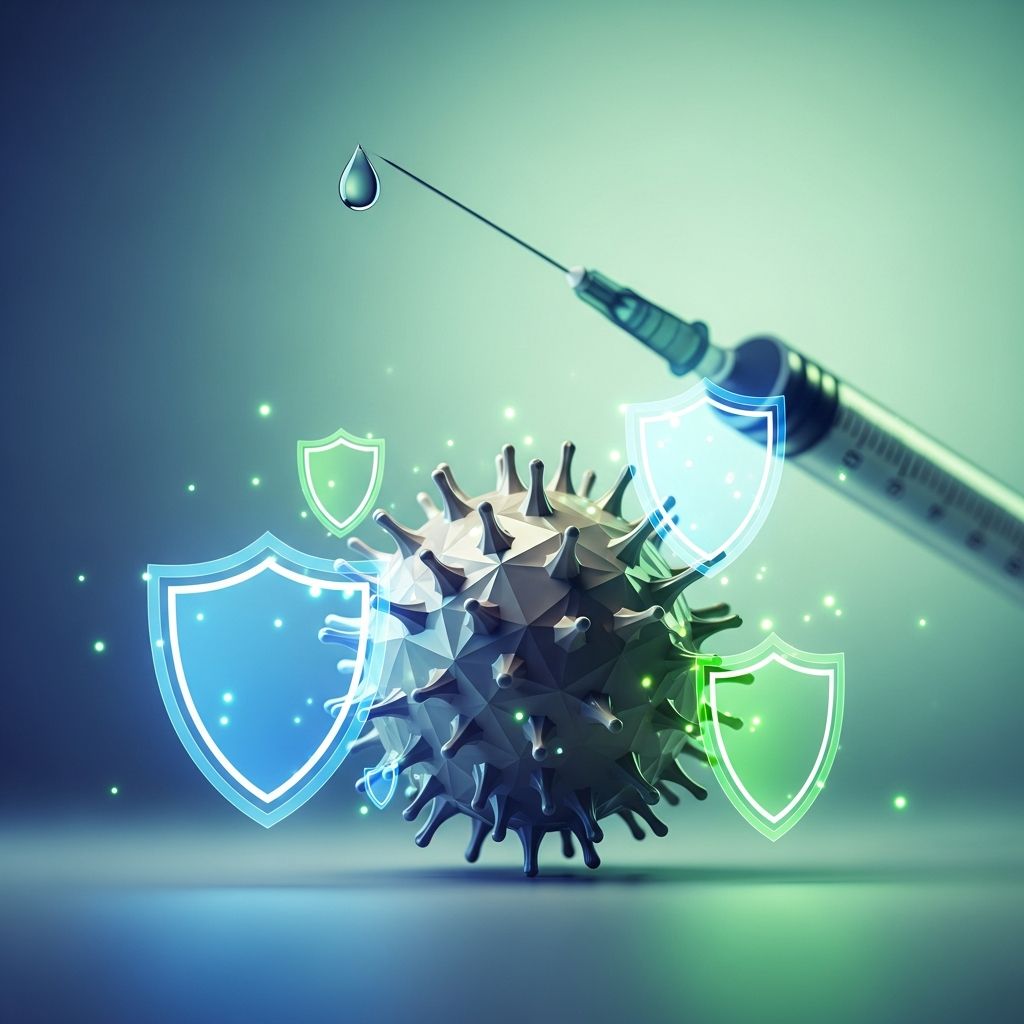
Human papillomavirus (HPV) represents a significant public health concern, contributing to various cancers and diseases affecting both women and men worldwide. Fortunately, modern medical science has developed highly effective vaccines to combat this viral threat. HPV vaccination stands as one of the most successful preventive health interventions available today, offering protection against multiple cancer types when administered at appropriate ages.
What You Need to Know About HPV and Its Health Impacts
HPV is a common virus that can be transmitted through sexual contact. While many people clear HPV infections naturally, persistent infection with certain high-risk types can lead to serious health complications. The virus is responsible for causing various cancers including cervical, vaginal, vulvar, anal, penile, and oropharyngeal cancers. Additionally, HPV causes benign conditions such as genital warts.
The emergence of effective vaccines has fundamentally changed our ability to prevent HPV-related diseases. These vaccines work by triggering the immune system to develop protective antibodies before exposure to the virus occurs, making them prophylactic rather than therapeutic interventions.
Exceptional Effectiveness of Modern HPV Vaccines
HPV vaccines demonstrate remarkable protective efficacy that exceeds most other vaccines in current use. When administered to individuals who have not previously been exposed to specific HPV types, these vaccines provide greater than 99% protection. The nine-valent vaccine formulation protects against more than 99% of HPV disease related to genotypes 6, 11, 16, and 18, while offering up to 96.7% protection for genotypes 31, 33, 45, 52, and 58.
Research has consistently shown that vaccination can prevent more than 90% of six HPV-related cancers when individuals receive the vaccine at recommended ages. Studies demonstrate that the vaccine provides close to 100% protection against infections, precancers, and cancers caused by the HPV types included in the formulation.
Age-Based Vaccination Strategies and Recommendations
Adolescent Vaccination Programs
The optimal window for HPV vaccination occurs before sexual activity begins. Healthcare providers routinely recommend vaccination for boys and girls between ages 9 and 12. The Centers for Disease Control and Prevention (CDC) specifically suggests routine vaccination at age 11 or 12, with the possibility of beginning as early as age 9.
Special emphasis has been placed on starting vaccination at age 9 to increase the likelihood of completing the entire series by age 13. This age-targeted approach maximizes immune response and ensures comprehensive protection during the critical years before potential HPV exposure.
Catch-Up Vaccination for Older Adolescents and Adults
The CDC recommends catch-up HPV vaccinations for all individuals through age 26 who have not been fully vaccinated. Unvaccinated individuals up to age 26 should receive the vaccine series regardless of sexual activity history, prior HPV exposure, or sexual orientation.
The FDA has expanded approval for the nine-valent vaccine to include individuals aged 9 through 45 years. For those aged 27 to 45, healthcare providers can engage in shared clinical decision-making with patients to determine whether vaccination may provide benefit based on individual risk factors and likelihood of acquiring new HPV infections.
Related Stories



Understanding Dosing Schedules and Vaccine Administration
Two-Dose Schedule for Younger Recipients
Individuals who receive their first HPV vaccine dose before age 15 require only two doses. The immune response developed at this age produces antibody levels equivalent to those achieved with three doses in older recipients. The critical timing requirement involves spacing the two doses 6 to 12 months apart.
The six-month interval between doses is essential for ensuring adequate immune titers and durability of protection. If the interval between doses falls below five months, a third dose becomes necessary. Studies confirm that two doses administered six months apart in individuals aged 9–14 years result in antibody titers equal to those in individuals aged 15–26 years who received three doses.
Three-Dose Schedule for Older Recipients
Individuals who receive their first dose at age 15 or older require three complete doses. The vaccination schedule follows this timeline:
- First dose at baseline (month 0)
- Second dose given 1–2 months after the first dose
- Third dose administered 6 months after the first dose
This extended schedule allows the immune system adequate time to develop comprehensive protection through multiple exposures to the vaccine antigens.
Vaccine Formulations and Available Options
The FDA has approved three distinct HPV vaccine formulations that differ in the number of HPV serotypes they target. The nine-valent vaccine, currently the only HPV vaccine available in the United States, provides the broadest protection by covering nine different HPV types. This formulation is approved for use in individuals aged 9 through 45 years.
The nine-valent vaccine contains proteins from HPV types 6, 11, 16, 18, 31, 33, 45, 52, and 58. Each dose also includes other ingredients such as amorphous aluminum hydroxyphosphate sulfate, yeast protein, sodium chloride, and other pharmaceutical excipients.
Important Considerations for Vaccination Decisions
Vaccination Following Previous HPV Exposure
Individuals with documented prior HPV infection should still receive vaccination. Although the vaccine demonstrates reduced effectiveness in previously infected individuals, protection against remaining HPV types remains important since prior exposure to all nine vaccine types is highly unlikely. Even if testing shows positive HPV DNA results, vaccination is still recommended through age 26.
Notably, HPV DNA testing is not recommended before vaccination. This approach simplifies the vaccination process and ensures that potentially uninfected individuals receive full protection without delays related to testing procedures.
Special Populations and Circumstances
HPV vaccination can be safely administered to breastfeeding women through age 26 who have not been previously vaccinated. Pregnancy represents the primary circumstance in which HPV vaccination should be deferred; however, routine pregnancy testing before vaccination is not required.
Children with histories of sexual abuse or assault should receive HPV vaccination as early as possible, beginning at age 9 years. This recommendation reflects the importance of providing protection before potential viral exposure through trauma.
Concurrent Vaccine Administration
The HPV vaccine can be administered simultaneously with other vaccines. This flexibility allows healthcare providers to streamline immunization visits and improve vaccination completion rates among adolescents and adults.
Addressing Common Questions About HPV Vaccination
Can I receive the vaccine if I’ve already had HPV?
Yes, vaccination remains beneficial for individuals with prior HPV exposure. Since the current nine-valent vaccine protects against nine different types, you likely have not been exposed to all of them. The vaccine can still provide protection against cancer-causing types you have not encountered.
How many doses do I actually need?
The number of doses depends on your age when starting the series. Those beginning before age 15 typically need only two doses spaced 6 to 12 months apart, while individuals starting at age 15 or older need three doses administered over a six-month period. If younger recipients space their doses less than five months apart, a third dose becomes necessary.
Is HPV vaccination recommended for adults over 26?
The FDA approves the vaccine for use through age 45. For those between 27 and 45, shared clinical decision-making with healthcare providers can help determine whether vaccination is appropriate based on individual risk factors and the likelihood of acquiring new HPV infections.
When should vaccination ideally occur?
The ideal timing for HPV vaccination is before a person becomes sexually active. This ensures maximum protection before potential exposure to the virus. The CDC recommends routine vaccination at ages 11–12, though vaccination can begin at age 9.
Clinical Outcomes and Real-World Impact
More than 75% of U.S. parents have chosen to protect their children from HPV-related cancers through vaccination. This widespread adoption reflects growing confidence in vaccine safety and effectiveness. The vaccine has demonstrated its ability to prevent anogenital cancers and genital warts in both women and men, with emerging data suggesting it may also decrease the incidence of oropharyngeal cancer.
HPV vaccines represent prophylactic interventions designed to prevent disease rather than treat existing conditions. Current research continues to investigate potential therapeutic applications, though available evidence does not yet support their use in treating recurrent disease.
Summary of Key Vaccination Information
| Age Group | Number of Doses | Dose Spacing | Key Considerations |
|---|---|---|---|
| Ages 9–14 | 2 doses | 6–12 months apart | Ideal age group; strong immune response |
| Ages 15–26 | 3 doses | 0, 1–2 months, 6 months | Catch-up vaccination recommended; test not required |
| Ages 27–45 | 3 doses | 0, 1–2 months, 6 months | Shared decision-making; based on individual risk |
Making Informed Vaccination Decisions
HPV vaccination represents one of the most significant advances in cancer prevention available today. The decision to vaccinate should be made in consultation with healthcare providers who can address individual circumstances, answer specific questions, and provide personalized recommendations based on age, health status, and personal risk factors.
Parents considering vaccination for adolescents and adults contemplating catch-up vaccination can be assured that modern HPV vaccines have undergone rigorous testing and continuous monitoring for safety. The protective benefits substantially outweigh potential risks for the vast majority of individuals across the recommended age range.
References
- Human Papillomavirus Vaccination — American College of Obstetricians and Gynecologists (ACOG). 2020-08-01. https://www.acog.org/clinical/clinical-guidance/committee-opinion/articles/2020/08/human-papillomavirus-vaccination
- HPV vaccine: Who needs it, how it works — Mayo Clinic. 2024. https://www.mayoclinic.org/diseases-conditions/hpv-infection/in-depth/hpv-vaccine/art-20047292
- GARDASIL 9 Vaccine Schedule — Merck Sharp & Dohme Corp. 2024. https://www.gardasil9.com/patient-pd/what-is-gardasil-9/gardasil9-schedule/
- HPV Vaccine Recommendations — HPV Roundtable. 2024. https://hpvroundtable.org/hpv-vaccines-recommendations/
- A Guide to Improving HPV Vaccination Rates Among Patients Ages 18-26 — U.S. Department of Health & Human Services, Office on Women’s Health. 2024. https://womenshealth.gov/hpvclinicpackage
Similar Articles








Read full bio of Sneha Tete