HPV Vaccine: Age, Schedule, Importance & Side Effects
Complete guide to HPV vaccination: age recommendations, schedules, benefits, and what to expect.
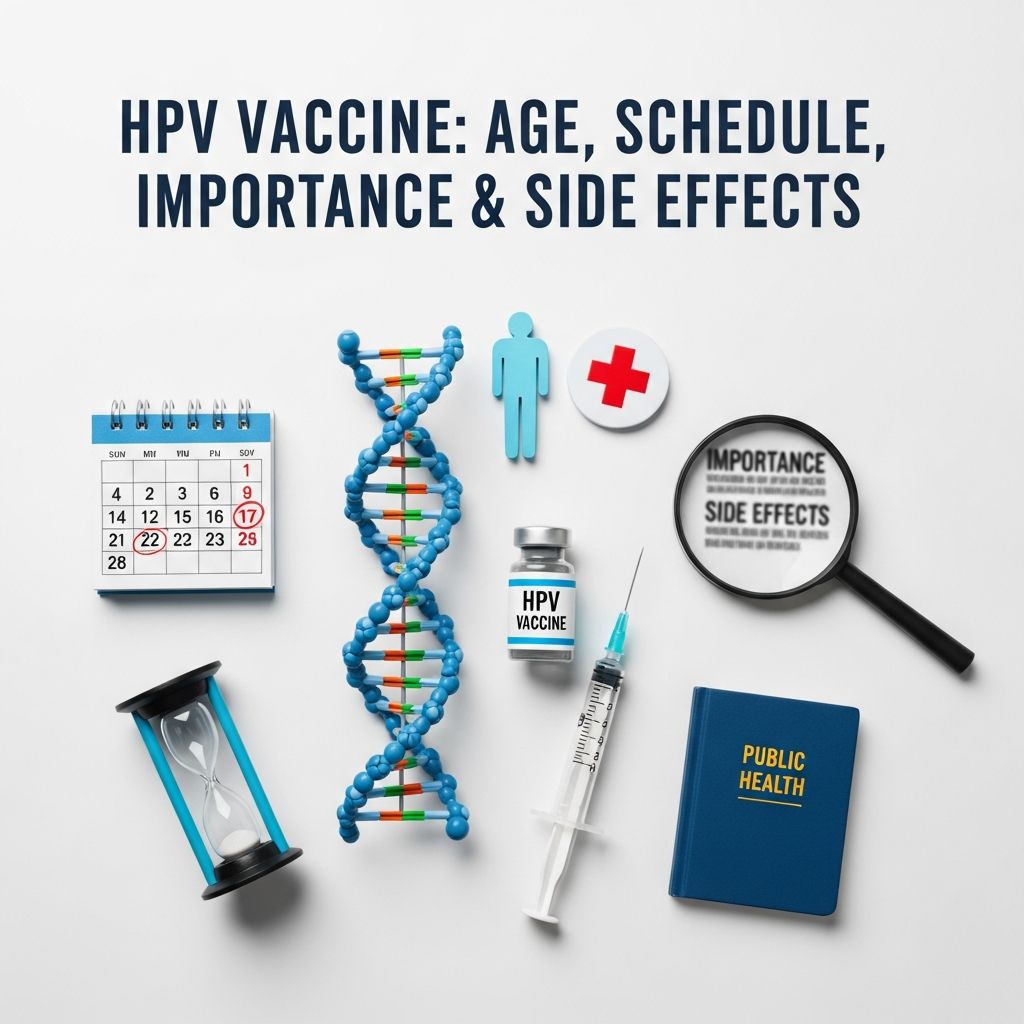
HPV Vaccine: Protecting Against Cervical Cancer and More
The human papillomavirus (HPV) vaccine is one of the most significant advances in preventive medicine, offering protection against infections that can lead to serious health complications. HPV is a common sexually transmitted infection that can cause cervical cancer, as well as cancers affecting the vagina, vulva, penis, anus, and throat. Beyond cancer prevention, the vaccine also protects against genital warts. Understanding the HPV vaccine, its schedule, age recommendations, and potential side effects is crucial for making informed health decisions.
What Is HPV and Why Is Vaccination Important?
Human papillomavirus is one of the most common sexually transmitted infections, with most sexually active individuals exposed to the virus at some point in their lives. While many HPV infections clear on their own, certain high-risk strains can progress to serious cancers. The vaccine works by preventing infections before exposure occurs, making early vaccination particularly effective. It’s important to note that the vaccine prevents infections but does not treat existing HPV infections or cancers.
The HPV vaccine can protect you from strains you haven’t encountered before, including both high-risk types that can progress to cancer and low-risk types that typically cause benign conditions like genital warts. Immunization against HPV can prevent up to 70% of HPV-related cervical cancer cases, making it an extraordinarily valuable preventive measure.
Age Recommendations for HPV Vaccination
Healthcare authorities have established clear age guidelines for HPV vaccination based on sexual exposure patterns and immune response optimization. The Centers for Disease Control (CDC) recommends that vaccination ideally begin around ages 11 or 12, before individuals become sexually active. However, the vaccine can be safely administered as early as age 9.
The HPV vaccine is recommended for people ages 9 to 45, with different scheduling considerations based on age groups. For individuals aged 9 to 14, a 2-dose schedule is recommended, where the second dose is administered 6 to 12 months after the first. Those aged 15 and older, including adults up to age 45, require a 3-dose vaccination series.
Getting vaccinated around age 11 or 12 is optimal because your immune response to the vaccine is strongest at this age, and vaccination before sexual activity ensures maximum protection. However, adults up to age 45 can still benefit from vaccination if they haven’t previously received the vaccine or haven’t completed the series.
HPV Vaccine Types and What They Protect Against
Currently, Gardasil 9 is the only HPV vaccine available in the United States. This advanced vaccine targets nine different HPV types: 6, 11, 16, 18, 31, 33, 45, 52, and 58. These nine strains are responsible for approximately 90% of cervical cancer cases and most cases of genital warts.
The vaccine provides protection against several serious health conditions:
– Cervical cancer- Vaginal cancer- Vulvar cancer- Anal cancer- Throat (oropharyngeal) cancer- Genital warts
Everyone, regardless of sex, should get vaccinated before they’re exposed to HPV through sexual activity. The vaccine is equally important for men and women, as both sexes can develop HPV-related cancers and transmit the virus to partners.
Related Stories



HPV Vaccination Schedule and Dosing
Standard Vaccination Schedule
The HPV vaccination schedule depends on your age when you begin the series:
| Age Group | Number of Doses | Dosing Schedule |
|---|---|---|
| Ages 9-14 | 2 doses | Second dose 6-12 months after first dose |
| Ages 15-45 | 3 doses | Second dose at 2 months; third dose at 6 months after first dose |
| Immunocompromised (any age) | 3 doses | Follow standard 3-dose schedule regardless of age |
All three doses should be completed within a six-month period when applicable. It’s essential to keep appointments for follow-up doses, as timely administration ensures optimal immune protection. If you miss a scheduled dose, consult with your healthcare provider about the best way to complete the series.
Administration and What to Expect
The HPV vaccine is administered as an injection into a muscle, typically in your upper arm or thigh, by a qualified healthcare professional. After receiving each dose, you will be observed for 15 minutes. During this observation period, you may be asked to sit or lie down, as some individuals experience fainting after vaccination.
Before each vaccination, you will receive a Vaccine Information Statement that contains important details about the vaccine and potential side effects. It’s recommended to read this information carefully, as the content may be updated periodically to reflect new safety data or recommendations.
Side Effects and Safety Considerations
Common Side Effects
The HPV vaccine is generally well-tolerated, with most side effects being mild and temporary. Common side effects may include:
– Pain, redness, or swelling at the injection site- Mild fever- Headache- Muscle aches- Fatigue
These side effects typically resolve within a few days and can be managed with over-the-counter pain relievers or fever reducers as recommended by your healthcare provider.
Important Medical Considerations
Before receiving the HPV vaccine, inform your healthcare provider if you have any of the following conditions:
– Active fever or infection- Hemophilia or bleeding disorders- HIV infection or AIDS- Immune system problems or immunocompromised status- Low platelet count- Allergies to yeast or other vaccine components- Pregnancy or plans to become pregnant- Current breast-feeding- Unusual reactions to previous vaccinations
If you are pregnant or attempting to become pregnant, it’s best to delay vaccination until after delivery. While the vaccine hasn’t been shown to harm pregnancy, more data is available for vaccinating non-pregnant individuals. Breast-feeding is not a contraindication to HPV vaccination.
Special Populations and Considerations
Immunocompromised Individuals
People with weakened immune systems due to conditions like HIV/AIDS or those undergoing immunosuppressive therapy should follow the 3-dose vaccination schedule regardless of age. This ensures adequate immune response and protection.
Children and Adolescents
While the HPV vaccine may be prescribed for children as young as 9 years old, parents and caregivers should discuss vaccination with their pediatrician. Research demonstrates that vaccination during childhood provides significant protection in future adult relationships and can be lifesaving.
HPV Vaccination and Cancer Screening
An important clarification: even after receiving the HPV vaccine, regular cervical cancer screening remains absolutely necessary. The vaccine provides excellent protection from most HPV-related infections, but no vaccine protects against all high-risk HPV strains. Anyone with a cervix still needs routine screening, including Pap tests and HPV tests, to catch and treat cervical cancer in early stages when it’s curable.
Vaccination and routine cervical cancer screening are complementary approaches that work together to prevent this disease. The vaccine significantly reduces cancer risk, while screening catches any infections that do occur before they progress to cancer.
Do You Need Gardasil 9 If You Received Earlier Vaccines?
Many people who received earlier HPV vaccines (Gardasil or Cervarix) wonder whether they need Gardasil 9, which protects against more HPV strains. The CDC currently does not recommend additional vaccinations for those who completed earlier vaccine series. The earlier versions protect against the most high-risk strains of HPV, and alongside regular Pap and HPV tests, these vaccines provide excellent protection against cervical cancer.
Why Everyone Should Consider HPV Vaccination
The HPV vaccine represents one of our most powerful weapons against cervical cancer and other HPV-related cancers. The vaccine offers protection before exposure and helps prevent cancers that can develop years or decades later. Protecting men helps protect women and other partners, as vaccination reduces transmission rates throughout the community.
The vaccine is safe, effective, and has undergone rigorous testing and monitoring. Millions of people worldwide have safely received HPV vaccination, with significant reductions in HPV-related diseases documented in vaccinated populations.
Frequently Asked Questions About HPV Vaccination
Q: Can I get HPV from the vaccine?
A: No, you cannot get HPV from the vaccine. The vaccine contains no live virus and works by training your immune system to recognize and fight certain HPV strains.
Q: Will the vaccine treat an existing HPV infection?
A: No, the vaccine prevents infections but does not treat existing HPV infections or cervical cancer. It’s most effective when given before any sexual exposure.
Q: Is the HPV vaccine safe?
A: Yes, the HPV vaccine has an excellent safety profile. It’s been administered to millions of people worldwide with extensive monitoring systems in place to detect any safety concerns.
Q: Can adults over 45 get the HPV vaccine?
A: The official recommendations extend to age 45. Adults over 45 should consult with their healthcare provider, as individual circumstances and medical history may warrant vaccination.
Q: How long does HPV vaccine protection last?
A: Studies show that protection persists for many years after completing the vaccine series. Long-term follow-up studies continue to monitor the duration of immunity.
Q: Should boys and men get the HPV vaccine?
A: Yes, HPV vaccination is recommended for males ages 9-21, with catch-up vaccination available through age 45. Men can develop HPV-related cancers and transmit the virus to partners, making vaccination beneficial for both personal health and community protection.
Q: What should I do if I miss a scheduled dose?
A: Contact your healthcare provider immediately to reschedule. It’s important to complete the full vaccination series for optimal protection, though some flexibility exists in the timing between doses.
References
- HPV Vaccine: Age, Schedule, Importance & Side Effects — Cleveland Clinic. 2025. https://my.clevelandclinic.org/health/treatments/21613-hpv-vaccine
- An update on cervical cancer prevention and screening guidelines — Cleveland Clinic Journal of Medicine, Vol. 86, No. 3. 2019. https://www.ccjm.org/content/86/3/173
- Human Papillomavirus Quadrivalent Vaccine: Who Can Get It & When — Cleveland Clinic. 2025. https://my.clevelandclinic.org/health/drugs/20334-human-papillomavirus-quadrivalent-vaccine-suspension-for-injection
- The HPV vaccine: Understanding and addressing barriers to vaccination — Cleveland Clinic Journal of Medicine, Vol. 87, No. 9. 2020. https://www.ccjm.org/content/87/9/545
- HPV (Human Papillomavirus): Causes, Symptoms & Treatment — Cleveland Clinic. 2025. https://my.clevelandclinic.org/health/diseases/11901-hpv-human-papilloma-virus
Similar Articles








Read full bio of Sneha Tete