HS Flare-Up: Symptoms, Triggers, Management
Understand Hidradenitis Suppurativa flare-ups: symptoms, common triggers, duration, and proven strategies to manage and prevent painful episodes effectively.
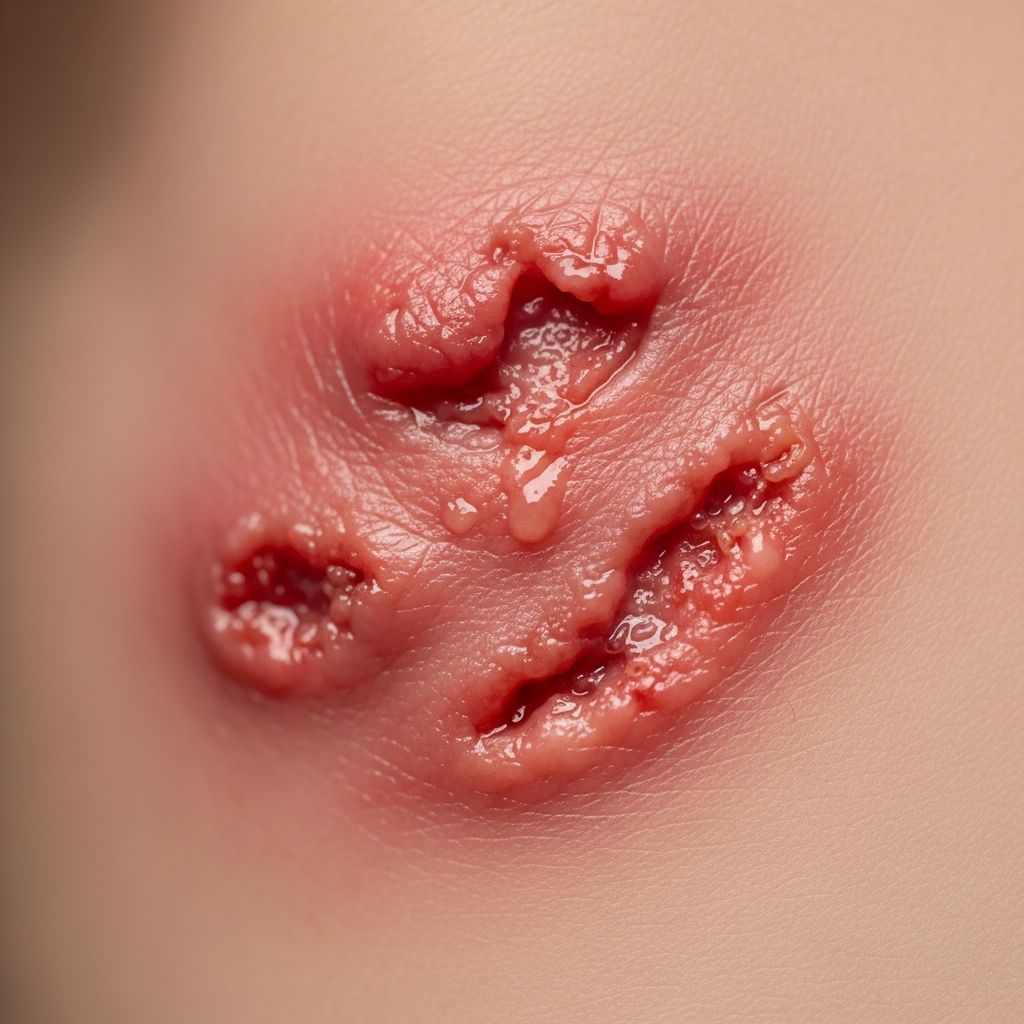
Hidradenitis Suppurativa (HS) flare-ups are sudden, intense episodes of worsening symptoms characterized by painful nodules, abscesses, swelling, and drainage in areas like armpits, groin, and under breasts. These flares can significantly disrupt daily life but can be managed with trigger identification, lifestyle adjustments, and medical interventions.
What Is an HS Flare-Up?
An
HS flare-up
refers to a temporary but sharp increase in the severity and frequency of HS symptoms, often feeling like an “attack” on the skin. Unlike steady-state HS, flares involve rapid onset of new or worsening lesions, heightened pain, and inflammation that can last from hours to weeks. While chronic HS involves recurring boils and tunnels under the skin, flares represent acute exacerbations triggered by specific factors, making symptoms unpredictable and debilitating.HS is a chronic inflammatory skin condition affecting hair follicles in apocrine-gland bearing areas. Flares differ from everyday symptoms by their intensity—patients often report inability to wear clothes, sleep, or move comfortably. Early recognition allows for quicker intervention to shorten duration and reduce scarring.
Symptoms of an HS Flare-Up
HS flare-ups manifest with a range of skin and systemic symptoms. Core signs include:
- Painful nodules and abscesses: Deep, red, tender lumps that grow quickly and may rupture, releasing pus and foul-smelling fluid.
- Swelling and redness: Inflamed skin around lesions, sometimes with heat.
- Drainage and tunneling: Formation of sinus tracts connecting lesions, leading to chronic leakage.
- Severe pain: Throbbing or burning that worsens with movement or pressure.
- Fever and fatigue: Systemic response in severe cases, mimicking infection.
Additional symptoms can include itching, restricted mobility in affected areas, anxiety from visible drainage, and secondary infections. Symptoms peak within 1-3 days and may involve multiple sites simultaneously.
| Symptom | Severity During Flare | Usual Duration |
|---|---|---|
| Painful Nodules | High (8-10/10) | 3-10 days |
| Swelling/Redness | Moderate-High | 2-7 days |
| Drainage | Variable | Up to 2 weeks |
| Fatigue/Fever | Moderate | 1-5 days |
This table summarizes common flare symptoms based on patient reports and clinical observations.
Common Triggers of HS Flare-Ups
HS flares are often provoked by identifiable triggers, though some occur idiopathically. Understanding personal triggers is crucial for prevention. Key triggers include:
- Stress: Emotional or physical stress alters immune responses and hormone levels, exacerbating inflammation. Chronic stress is linked to gut-skin axis disruptions.
- Dietary factors: High-glycemic foods, dairy, brewer’s yeast, and nightshades may promote insulin spikes and inflammation in sensitive individuals.
- Hormonal changes: Menstrual cycles, pregnancy, or menopause fluctuate androgens, worsening HS in hormonally driven cases.
- Friction and sweating: Tight clothing, heat, and moisture irritate follicles in intertriginous areas.
- Infections or illness: Viral/bacterial illnesses or immune suppression can precipitate flares.
- Smoking and medications: Nicotine constricts vessels; certain drugs like lithium may trigger episodes.
Triggers vary; keeping a flare diary helps identify patterns. Research emphasizes modifiable factors like diet and stress management for flare reduction.
How Long Does an HS Flare-Up Last?
HS flare duration ranges from 2-10 days on average, with mild episodes resolving in 24-48 hours and severe ones extending to 2-4 weeks. Factors prolonging flares include untreated infections, multiple triggers, or advanced HS stages (Hurley III). Most patients report peak symptoms at 3-5 days, followed by gradual improvement if managed promptly.
Longer flares (>2 weeks) signal need for medical evaluation to rule out complications like cellulitis or squamous cell carcinoma risk in chronic tunnels. Proactive management can halve typical duration.
Related Stories



When to See a Doctor for an HS Flare-Up
Seek immediate care if flares involve:
- Fever >100.4°F, chills, or rapid swelling suggesting infection.
- Inability to bear weight or severe pain unresponsive to OTC meds.
- Signs of spreading redness/streaks (cellulitis).
- Frequent flares disrupting quality of life.
- New symptoms like weight loss or joint pain (possible comorbidity).
Routine dermatologist visits are recommended every 3-6 months for HS patients. Incision/drainage or biologics like adalimumab may be needed for recurrent flares.
How to Manage and Calm an HS Flare-Up
Immediate Relief Strategies
- Warm compresses: Apply 10-15 minutes several times daily to reduce pain and promote drainage.
- OTC pain relief: Ibuprofen or acetaminophen for inflammation and pain.
- Topical treatments: Clindamycin lotion or benzoyl peroxide washes to curb bacteria.
- Loose clothing: Cotton fabrics to minimize friction.
Lifestyle and Prevention Tips
Long-term control involves:
- Trigger avoidance: Low-glycemic, anti-inflammatory diet (e.g., Mediterranean); stress reduction via yoga/meditation.
- Hygiene: Gentle cleansing with antibacterial soap; avoid picking lesions.
- Weight management: Reducing BMI alleviates skin folds and hormone issues.
- Quit smoking: Improves outcomes significantly.
Medical Treatments
For persistent flares: Oral antibiotics (tetracycline), hormonal therapies (spironolactone), biologics, or surgery for tunnels.
Prevention Strategies for HS Flares
Preventive measures focus on daily habits:
- Track symptoms in a journal.
- Incorporate probiotics for gut health.
- Exercise moderately to reduce stress without overheating.
- Consider metformin for insulin resistance in obese patients.
Multidisciplinary care (dermatology, rheumatology, nutrition) optimizes outcomes.
Frequently Asked Questions (FAQs)
What causes an HS flare-up?
Common causes include stress, diet (dairy, sugar), hormones, friction, and infections. Triggers are individual-specific.
How long does an HS flare-up last?
Typically 2-10 days, but severe cases may last weeks. Early intervention shortens duration.
How can I stop an HS flare-up quickly?
Use warm compresses, NSAIDs, topical antibiotics, and rest the area. Avoid triggers.
Is HS flare-up the same as an infection?
Not always; flares are inflammatory but can lead to secondary infections requiring antibiotics.
Can diet prevent HS flares?
Yes, avoiding high-FODMAP or inflammatory foods helps many patients reduce flare frequency.
References
- IBS Flare-Up: Symptoms, Causes, Duration & Treatment — Nerva Health. 2024. https://www.nervahealth.com/post/calm-ibs-flare-up
- Fibromyalgia flares: Warning signs, tips, and treatments — Medical News Today. 2024-10-15. https://www.medicalnewstoday.com/articles/315646
- Osteoarthritis Flares — PubMed Central / NIH. 2023-10-01. https://pmc.ncbi.nlm.nih.gov/articles/PMC10523485/
- A Brief Guide to Managing Pain Flare Ups — MTP Health. 2024. https://www.mtphealth.com.au/blog/a-brief-guide-to-managing-pain-flare-ups
- COPD Flare-Ups — Kaiser Permanente. 2025. https://healthy.kaiserpermanente.org/health-wellness/health-encyclopedia/he.copd-flare-ups.hw164243
Similar Articles








Read full bio of Sneha Tete