Human Bites: Causes, Symptoms, and Treatment
Comprehensive guide to understanding, identifying, and treating human bite wounds and infections.
Human Bites: Clinical Overview
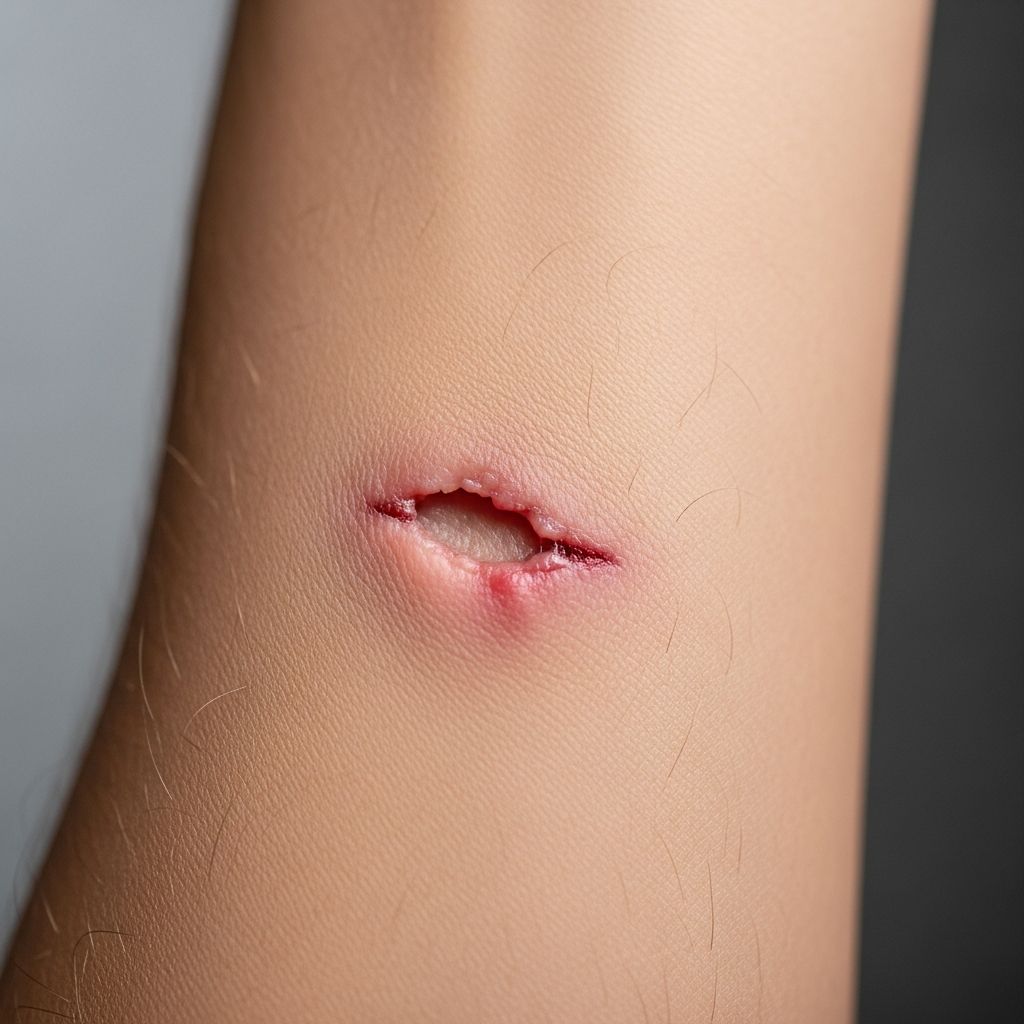
A human bite occurs when human teeth penetrate the skin, either intentionally through forceful biting or unintentionally during accidents. Human bites represent a significant clinical concern due to their substantially elevated risk of infection compared to other types of bite wounds. The extensive bacterial flora present in the human mouth and on skin surfaces makes these wounds particularly susceptible to developing serious infections if not properly managed.
Causes of Human Bites
Human bites can occur in various contexts, ranging from intentional acts to accidental injuries. Understanding the circumstances surrounding bite wounds is important for clinical assessment and determining whether reporting or specialist evaluation may be necessary.
- Violent behavior, often associated with alcohol consumption
- Domestic violence and child abuse situations
- Rough play in daycare and school settings
- Accidental contact during sports or recreational activities
- Occupational exposures in certain professions
Clinical Presentation by Age Group
The location, pattern, and characteristics of human bite wounds vary significantly across different age groups, which can provide important diagnostic clues.
Pediatric Presentations
Children often sustain bite wounds as a result of rough play and interaction with peers. These wounds typically appear on the face, upper arms, and trunk. A critical clinical indicator is the inter-canine distance—the distance between the two canine teeth marks. If a bite mark shows an inter-canine distance of 3 centimeters or more, this suggests the bite was inflicted by an adult, raising significant concerns for potential abuse and warranting further investigation and appropriate reporting.
Adolescent Presentations
Adolescents frequently present with a distinctive type of human bite injury known as closed fist injuries, where the teeth have scratched or punctured the knuckles during altercation. These injuries typically manifest as small lacerations, particularly over the third and fourth metacarpophalangeal joints or the proximal interphalangeal joints, usually on the dominant hand. This pattern is clinically important because the hand is often contaminated with environmental bacteria, and the closed fist mechanism drives oral bacteria deep into tissue planes, creating high-risk wounds for serious infection.
Symptoms and Signs
The clinical appearance and symptoms of human bite wounds vary depending on the depth and severity of tissue penetration.
Local Manifestations
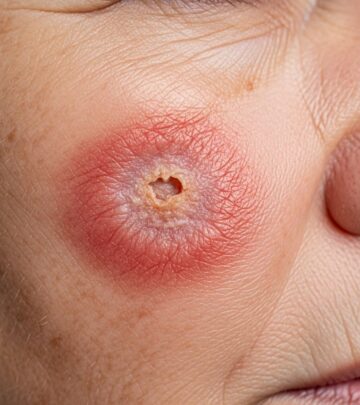
The area surrounding a bite wound will typically be painful and tender to touch. The bite itself results in a characteristic semi-circular or oval red patch on the skin. Bruising is frequently associated with bite wounds due to the blunt trauma component of the injury. The appearance can range from superficial marks with minimal skin disruption to deeper puncture wounds that penetrate multiple tissue layers.
Signs of Infection
Recognizing early signs of infection is crucial for timely intervention. Infected bite wounds typically present with:
- Increasing pain, redness, and warmth at the bite site
- Purulent drainage or pus from the wound
- Swelling and edema extending beyond the immediate bite area
- Systemic symptoms such as fever or lymphadenopathy
- Cellulitis spreading from the wound site
Infection Risk and Microbiology
Human bites carry a substantially higher infection risk than animal bite wounds, making them a particular concern in clinical practice. This elevated risk results from the extensive and diverse bacterial flora present in the human mouth and on human skin.
Microbial Flora
One study examining 50 patients with infected human bite wounds found that on average, four bacterial isolates were cultured per wound. This polymicrobial nature of human bite infections makes treatment more complex than simple monobacterial infections. The pathogens cultured from human bite wounds include both aerobic bacteria (those requiring oxygen) and anaerobic bacteria (those thriving in oxygen-poor environments), reflecting the complex environment of the oral cavity.
Infection Risk Factors
Certain characteristics of bite wounds significantly increase the likelihood of infection developing. Research has demonstrated that bite wounds with a depth greater than 3 millimeters or those that have penetrated the skin have a threefold increase in infection rates compared to superficial wounds. Wounds that do not penetrate the skin are generally not a cause for medical concern unless abuse is suspected; resulting bruising will typically heal independently without intervention.
Complications of Bite Wound Infections
When human bite wounds become infected, potentially serious complications can develop if treatment is delayed or inadequate. These complications extend beyond localized infection and can involve deeper structures and systemic manifestations.
- Cellulitis with spreading inflammation and erythema
- Abscess formation requiring drainage
- Osteomyelitis if bone is involved or bacteria spread to bone
- Septic arthritis affecting nearby joints
- Tenosynovitis (infection of tendon sheaths)
- Bacteremia or sepsis in severe untreated cases
- Permanent scarring and cosmetic deformity
- Nerve or tendon damage from the initial injury
Management and Treatment
Initial Assessment and Hospital Evaluation
Patients presenting with infected bite wounds on initial evaluation require hospital assessment and appropriate therapeutic intervention. Even bite wounds without obvious signs of infection require careful evaluation and management to prevent infection development.
Wound Cleaning and Preparation
Initial management begins with thorough wound cleansing and preparation:
- Gently cleanse the wound with warm water to remove debris and contaminants
- Remove any hair, dirt, or foreign material from the wound
- Debride loose or damaged skin around the bite perimeter
- Allow the wound to bleed freely if not heavily bleeding, as this helps flush bacteria from deeper tissues
- Pat dry and apply appropriate dressing
Antibiotic Therapy
Antibiotic treatment is a cornerstone of human bite wound management. Even if a bite wound does not appear infected at the time of evaluation, prophylactic oral antibiotics for 3–5 days are recommended, particularly when specific risk factors are present. The choice of antibiotic should target the polymicrobial flora likely to be present in human oral flora.
First-Line Agent
The agent of choice for human bite wound infection is amoxicillin-clavulanate, which provides coverage against both aerobic and anaerobic bacteria while also addressing Eikenella corrodens, a fastidious gram-negative rod commonly found in human oral flora.
Alternative Agents
When amoxicillin-clavulanate is contraindicated or the patient has relevant allergies, alternative regimens include:
- Doxycycline combined with metronidazole, providing activity against Eikenella corrodens (doxycycline) and anaerobic bacteria (metronidazole)
- Other combinations of antibiotics with appropriate spectrum covering oral anaerobes and aerobic bacteria
Follow-Up and Monitoring
If signs of infection are detected during follow-up evaluation, the course of antibiotics should be extended and repeat wound swabs taken for culture and sensitivity testing. This approach allows for targeted therapy adjustment based on actual microbial identification and antibiotic susceptibilities.
Tetanus Prophylaxis
Tetanus protection is an important component of bite wound management. Tetanus immune globulin and tetanus toxoid should be offered to patients with fewer than two primary tetanus immunizations. Patients without a recent booster (within the last five years) should receive tetanus toxoid alone to ensure protection against tetanus in the setting of a potentially contaminated wound.
Additional Considerations
Depending on the circumstances and risk factors, additional interventions may be necessary:
- Blood testing to screen for infection
- Radiographic imaging (X-rays) to evaluate for bone damage or foreign bodies such as a fractured tooth
- Specialist consultation if tendon or nerve damage is suspected
- Special treatment if the person who inflicted the bite is known to have hepatitis or HIV to prevent transmission
- Wound closure with stitches for deeper wounds after appropriate cleaning
- Detailed wound care instructions for ongoing management and optimal healing
Frequently Asked Questions
Q: Why do human bites have a higher infection risk than animal bites?
Human bites carry elevated infection risk due to the extensive and diverse bacterial flora present in the human mouth and on human skin. When teeth penetrate skin, these bacteria are directly inoculated into tissue planes. Unlike some animal bites that may primarily involve mechanical trauma, human bites introduce a complex polymicrobial inoculum directly into the wound, making infection much more likely without proper treatment.
Q: What should I do if I suspect a bite wound is becoming infected?
If you observe signs of infection such as increasing pain, redness, warmth, swelling, pus drainage, or systemic symptoms like fever, seek medical evaluation promptly. Do not attempt to self-treat a potentially infected bite wound, as delays in appropriate antibiotic therapy can lead to serious complications including cellulitis, abscess formation, or systemic infection.
Q: How long does antibiotic treatment typically last for a human bite?
Prophylactic antibiotic courses for uninfected or minimally infected bites typically last 3–5 days. If active infection develops, the duration may be extended based on clinical response and microbial culture results. Always follow your healthcare provider’s specific recommendations for your individual situation.
Q: What is the significance of the inter-canine distance in bite mark analysis?
The inter-canine distance—the distance between the two canine tooth marks—provides information about the size of the teeth that created the bite. An inter-canine distance of 3 centimeters or more indicates the bite was likely inflicted by an adult, which raises important clinical suspicions for abuse when bite injuries are found on a child. This measurement can help distinguish accidental peer bites from intentional or abusive injuries.
Q: Do all human bites require antibiotic treatment?
While not every minor bite requires treatment, prophylactic antibiotics are recommended for most human bites that break the skin, particularly those involving puncture wounds, bites deeper than 3 millimeters, or bites located in areas prone to complications such as the hand. Your healthcare provider can assess your specific wound and advise on whether antibiotics are indicated in your case.
Q: What should I expect during wound healing?
With appropriate treatment, most bite wound infections resolve within 7–10 days. However, deeper bites may result in scarring and could potentially damage nearby structures including tendons or nerves. Proper wound care, infection prevention, and follow-up medical evaluation are essential for optimal healing outcomes.
References
- Human bites — DermNet NZ. Accessed January 2026. https://dermnetnz.org/topics/human-bite
- Animal and human bites — Healthify New Zealand. Accessed January 2026. https://healthify.nz/health-a-z/a/animal-and-human-bites
- Antibiotic Guide: choices for common infections — Best Practice Advocacy Centre New Zealand. 2023. https://bpac.org.nz/antibiotics/guide.aspx
Similar Articles



Read full bio of medha deb