HGH (Human Growth Hormone): What It Is, Benefits & Side Effects
Comprehensive guide to HGH: understanding its role, benefits, medical uses, and potential side effects.
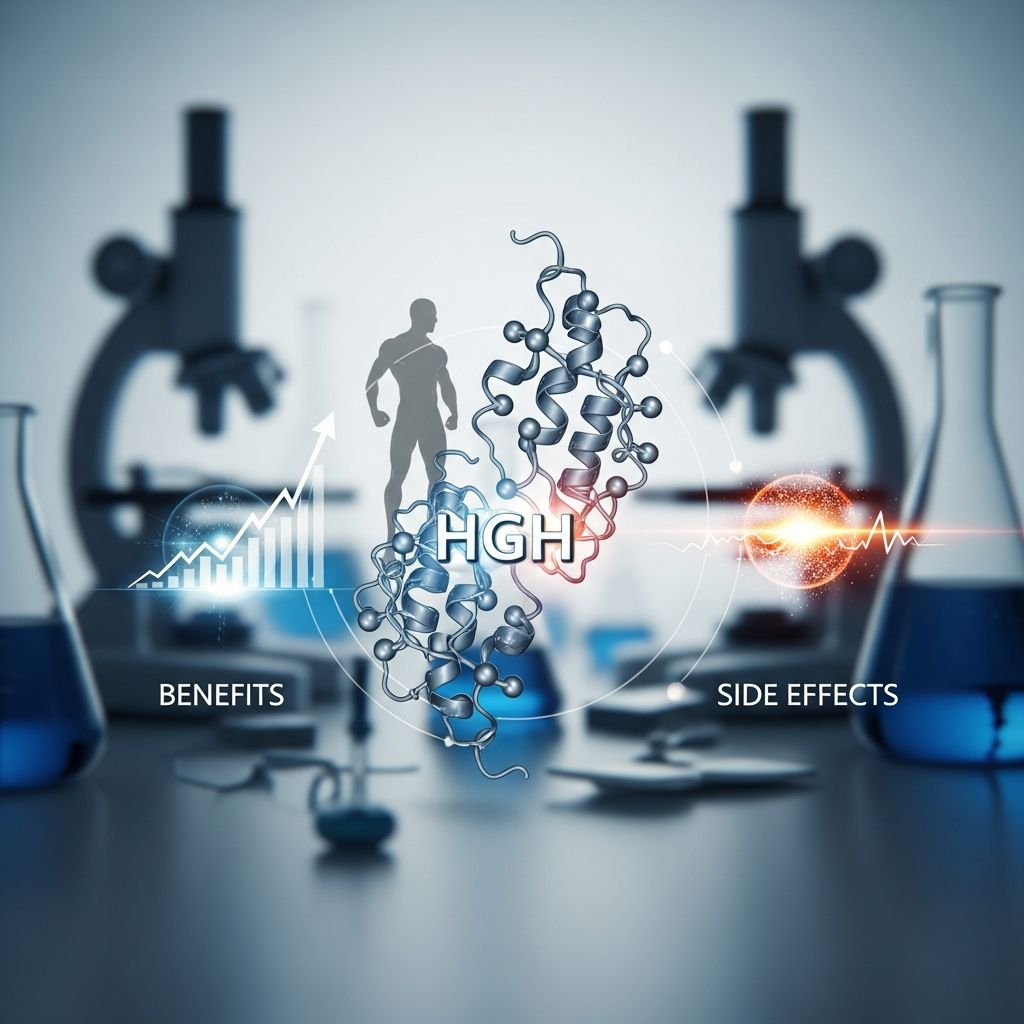
Understanding Human Growth Hormone (HGH)
Human growth hormone (HGH) is a natural hormone produced by your pituitary gland, a small gland located at the base of your brain. This powerful hormone plays crucial roles throughout your body, promoting growth in children, maintaining normal body structure and composition in adults, and regulating metabolism in both age groups. Understanding HGH and its functions is essential for recognizing how it contributes to your overall health and development.
The pituitary gland releases HGH in short bursts or pulses throughout the day and night. This rhythmic release pattern is controlled by two hormones produced by your hypothalamus: growth hormone-releasing hormone (GHRH), which stimulates HGH release, and somatostatin, which inhibits or prevents HGH release. This intricate regulatory system ensures that your body maintains appropriate HGH levels for optimal health and function.
How HGH Release Is Regulated
Your body carefully controls HGH release through various physiological signals and conditions. In healthy people, HGH release is inhibited by hyperglycemia (elevated blood sugar levels) and stimulated by several factors, including sleep, physical stress, exercise, hypoglycemia (low blood sugar), and amino acids. This means that your HGH levels naturally increase during sleep and physical activity, which is why adequate rest and regular exercise are important for maintaining healthy hormone levels.
The circadian rhythm also plays a significant role in HGH secretion, with higher levels typically occurring during the deep sleep phases. This natural pattern is one reason why sleep quality is so important for growth in children and metabolic health in adults. Understanding these regulatory mechanisms helps explain why lifestyle factors like sleep, exercise, and nutrition are fundamental to maintaining healthy HGH levels.
Primary Functions of Human Growth Hormone
HGH serves two main functions in your body: stimulating growth (primarily in children) and impacting metabolism (how your body converts food into energy). Human growth hormone triggers growth in nearly every tissue and organ in your body, but it is most well-known for its growth-promoting effects on cartilage and bone, especially during adolescence and puberty.
At the cellular level, HGH works by signaling specialized cells in cartilage called chondrocytes and cells in bone called osteoblasts to increase their replication. This increased cell division allows bones and cartilage to lengthen and thicken, resulting in increased height and skeletal growth. Beyond skeletal growth, HGH also promotes muscle development, affects fat distribution, influences organ growth, and plays important roles in metabolism and energy regulation.
Synthetic HGH: FDA-Approved Medical Applications
Healthcare providers use a synthetic form of HGH, sometimes called recombinant HGH, to treat certain medical conditions. This synthetic version is created in a laboratory and is bioidentical to the natural hormone your body produces. The U.S. Food and Drug Administration (FDA) has approved synthetic HGH for treatment of specific conditions in both children and adults.
Related Stories



HGH Treatment in Children
In children, healthcare providers prescribe synthetic HGH to treat several conditions:
– Growth hormone deficiency (GHD)- Turner syndrome- Chronic kidney disease- Prader-Willi syndrome- Small for gestational age- Idiopathic short stature in some cases
Growth hormone deficiency is the most common hormonal disorder causing slow growth in children. When diagnosed early, typically before the onset of puberty, HGH therapy can help children achieve near-normal adult height. Many children gain four or more inches during the first year of treatment and three or more inches during the subsequent two years, with growth rates gradually decreasing thereafter.
HGH Treatment in Adults
In adults, providers prescribe synthetic HGH to treat:
– Adult growth hormone deficiency- Short bowel syndrome- Muscle-wasting associated with HIV/AIDS- Certain metabolic and body composition disorders
Adult HGH deficiency can result from damage to the pituitary gland, genetic mutations, or other underlying medical conditions. Treatment in adults focuses on normalizing metabolism, improving body composition, and maintaining bone density and muscle mass.
How HGH Therapy Works
Synthetic HGH is administered through daily injections, typically given subcutaneously (under the skin). Your healthcare provider will determine the appropriate dose based on your individual needs, blood test results, and response to treatment. Most patients receive injections at home, often administered before bedtime to mimic the natural peak in HGH secretion that occurs during sleep.
After injection, HGH circulates throughout your body. It then stimulates your liver to produce insulin-like growth factor 1 (IGF-1), a key growth factor that performs many of HGH’s effects on growth and metabolism. Healthcare providers monitor IGF-1 levels through blood tests to assess whether the HGH therapy is working effectively and to determine if dose adjustments are needed.
HGH therapy is typically long-term, often lasting for several years. For children with growth hormone deficiency, treatment usually continues until they reach their adult height, at which point the therapy may be discontinued. Regular follow-up appointments with your healthcare provider are essential to monitor growth progress, adjust medication doses as needed, and ensure the treatment remains effective and safe.
Expected Results and Timeline
The results of HGH therapy develop gradually over time. Most patients begin to see noticeable changes within six to twelve months of starting treatment. After one to two years of therapy, growth rates often double—progressing from less than one or two inches per year to two to four inches or more per year. The rate of growth then slowly decreases over subsequent years of treatment.
For children with growth hormone deficiency treated early (ideally before puberty), the prognosis is excellent. Timely intervention allows them to experience a good growth spurt and reach their full growth potential. The earlier the condition is diagnosed and treated, the better the chance that a child will grow to near-normal adult height.
Diagnostic Process for HGH Deficiency
Diagnosing growth hormone deficiency involves several steps and tests. When you visit your pediatrician or healthcare provider with concerns about growth, they will take measurements of height and weight and track growth over time. Your provider will also inquire about family history, nutritional status, developmental stage, and other factors that influence growth.
If HGH deficiency is suspected, your doctor will order blood tests to measure insulin-like growth factor 1 (IGF-1), which is produced by the liver and serves as a good indicator of growth hormone sufficiency. If IGF-1 levels are low and clinical suspicion for GHD is strong based on factors such as nutrition, developmental stage, and growth rate, your healthcare provider will perform a growth hormone stimulation test. This specialized test helps confirm the diagnosis by evaluating how your pituitary gland responds to stimulation.
Safety and Side Effects of Synthetic HGH
Modern laboratory-produced HGH is considered safe when prescribed and monitored by a qualified healthcare provider. However, like all medications, synthetic HGH can have potential side effects, particularly when misused or when doses are inappropriate.
Common side effects may include injection site reactions such as redness, swelling, or discomfort. Some patients experience mild joint or muscle pain, particularly when beginning therapy. Headaches, nausea, and fluid retention can occur in some individuals. These side effects are typically mild and often diminish as the body adjusts to the medication.
More serious side effects are uncommon when HGH is used as prescribed for legitimate medical conditions. However, misuse of HGH—such as using it without a prescription, taking excessive doses, or using it for non-medical purposes like athletic enhancement—can lead to serious complications including carpal tunnel syndrome, joint pain, increased risk of diabetes, elevated cholesterol levels, and in rare cases, development of certain cancers.
This is why it is critically important to use synthetic HGH only under the supervision of a qualified healthcare provider and to never self-administer or obtain HGH without a valid prescription. Your healthcare provider will regularly monitor your response to treatment, check your blood work, and adjust your dose to ensure you’re receiving the appropriate amount for your specific condition.
Special Considerations for Children
Children receiving HGH therapy require regular monitoring and follow-up care. Your child’s care team will track growth measurements at each visit and adjust the treatment plan as needed. Some children experience emotional challenges related to their growth condition, including depression or low self-esteem upon diagnosis. Reputable treatment centers provide access to social workers and pediatric psychologists to help children work through these emotions and provide families with strategies to offer appropriate support and encouragement.
Typically, once a child reaches their adult height, they discontinue HGH therapy. However, in special cases, additional testing may be performed to determine whether growth hormone replacement will be needed into adulthood. If continued treatment is necessary, the healthcare team helps transition the patient into adult care with appropriate specialists.
Adult Growth Hormone Deficiency and Treatment Transition
Most children do not require continued growth hormone therapy as adults. However, some individuals develop adult-onset GHD or had childhood GHD that persists into adulthood. In these cases, HGH therapy may continue into adulthood with appropriate monitoring and dose adjustments. Adult HGH treatment focuses more on metabolic outcomes and quality of life rather than height achievement.
Adults receiving HGH therapy should have regular blood work monitoring, cardiovascular assessments, and metabolic evaluations. The goals of adult treatment typically include improving body composition, enhancing metabolic function, maintaining bone density, and supporting overall quality of life.
Important Safety Precautions
Synthetic HGH is available only by prescription and should never be taken without explicit medical authorization from your healthcare provider. The black market for HGH is significant, and counterfeit or contaminated products pose serious health risks. Additionally, using HGH for purposes other than treating diagnosed medical conditions—such as athletic enhancement or anti-aging—can result in serious health consequences and is generally illegal.
If you or your child are experiencing symptoms related to growth hormone deficiency or excess, it is important to consult with a qualified healthcare provider. Hormonal conditions can be complex and require specialized diagnostic expertise and careful medical management.
Frequently Asked Questions About HGH
Q: What is the difference between natural HGH and synthetic HGH?
A: Natural HGH is produced by your pituitary gland and released in pulses throughout the day. Synthetic HGH is a laboratory-created version that is bioidentical to natural HGH. Synthetic HGH is administered through injections to treat specific medical conditions under medical supervision.
Q: How often are HGH injections given?
A: Most patients require daily HGH injections, typically administered before bedtime to mimic the natural peak in hormone secretion during sleep. Your healthcare provider will determine the appropriate injection schedule based on your individual needs.
Q: Can HGH therapy increase height in adults?
A: HGH therapy does not significantly increase height in adults because the growth plates in the bones have already closed. However, adult HGH therapy can improve body composition, metabolism, bone density, and overall quality of life in people with documented growth hormone deficiency.
Q: How long does HGH therapy last?
A: In children with growth hormone deficiency, treatment typically continues until they reach adult height, which may take several years. In adults with GHD, treatment is often long-term and may continue indefinitely with appropriate monitoring and dose adjustments.
Q: What are the risks of using HGH without a prescription?
A: Using HGH without a prescription is dangerous and illegal. Risks include serious side effects such as increased risk of diabetes, joint pain, carpal tunnel syndrome, elevated cholesterol, and potentially increased cancer risk. Additionally, black market HGH may be counterfeit, contaminated, or unsafe.
Q: How is growth hormone deficiency diagnosed?
A: Diagnosis involves clinical evaluation, growth measurements over time, blood tests measuring IGF-1 levels, and specialized growth hormone stimulation tests. Your healthcare provider will assess your complete medical history and growth pattern before confirming a diagnosis.
Conclusion
Human growth hormone is a vital hormone that plays essential roles in growth, metabolism, and overall health. While your body naturally produces HGH, synthetic versions are available as prescription medications for treating specific medical conditions like growth hormone deficiency, Turner syndrome, and other disorders affecting growth and metabolism. When prescribed appropriately and monitored by qualified healthcare providers, synthetic HGH therapy can help children grow to their full potential and help adults maintain healthy metabolism and body composition. However, synthetic HGH should never be used without medical supervision or for non-medical purposes. If you or your child have concerns about growth or suspect growth hormone deficiency, consult with a qualified endocrinologist or pediatric endocrinologist who can provide proper diagnosis and treatment recommendations.
References
- HGH (Human Growth Hormone): What It Is, Benefits & Side Effects — Cleveland Clinic. 2022-06-21. https://my.clevelandclinic.org/health/articles/23309-human-growth-hormone-hgh
- Growth Hormone Deficiency (GHD): Symptoms & Treatment — Cleveland Clinic. 2022-06-21. https://my.clevelandclinic.org/health/diseases/23343-growth-hormone-deficiency-ghd
- What’s the Best Age for Your Kid To Start Growth Hormone Treatment? — Cleveland Clinic Health. https://health.clevelandclinic.org/best-age-growth-hormone-treatment
- What To Expect With Growth Hormone Therapy for Your Child — Cleveland Clinic Health. https://health.clevelandclinic.org/growth-hormone-side-effects
- Get Growth Hormone Deficiency Care | Cleveland Clinic Children’s — Cleveland Clinic Children’s. https://my.clevelandclinic.org/pediatrics/services/growth-hormone-deficiency-treatment
- Hormones: What They Are, Function & Types — Cleveland Clinic. https://my.clevelandclinic.org/health/articles/22464-hormones
Similar Articles








Read full bio of medha deb