Human Metapneumovirus (HMPV): Symptoms, Treatment & Prevention
Complete guide to understanding HMPV: transmission, symptoms, diagnosis, and management strategies.
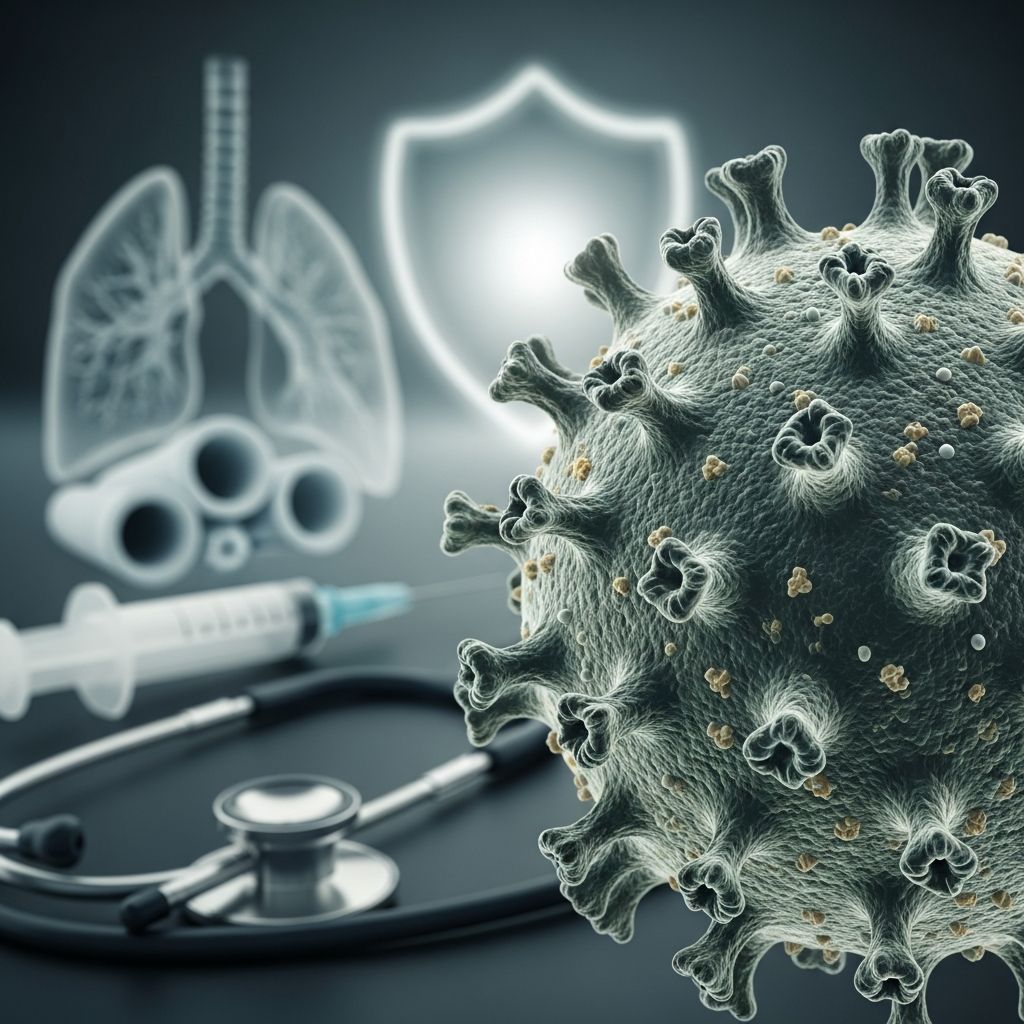
What Is Human Metapneumovirus (HMPV)?
Human metapneumovirus (HMPV) is a respiratory virus that causes acute respiratory tract infections in humans. HMPV belongs to the Pneumoviridae family within the Metapneumovirus genus and is closely related to avian metapneumovirus. Although the virus was formally identified in 2001 by Dutch researchers who isolated it from respiratory specimens of young children with acute respiratory infections, serologic studies have revealed that HMPV had been circulating in human populations for at least 50 years prior to its discovery.
HMPV is an underrecognized respiratory pathogen that primarily affects specific populations, including young children, older adults aged 65 years and older, and individuals with weakened immune systems. The virus follows distinct seasonal patterns in the United States, with circulation beginning in winter and lasting through spring. Despite its prevalence and significant health burden, HMPV often remains underdiagnosed due to its clinical similarity to other respiratory viruses and the lack of routine diagnostic testing in many healthcare settings.
How Does HMPV Spread?
HMPV spreads from person to person through multiple transmission routes. Understanding these transmission methods is essential for implementing effective prevention strategies. The primary modes of transmission include:
- Respiratory droplets from coughing and sneezing from an infected individual
- Direct personal contact, such as touching or shaking hands with an infected person
- Contact with contaminated surfaces followed by touching the mouth, nose, or eyes
Close contact with infected individuals poses the highest risk for transmission. Respiratory droplets can travel short distances when an infected person coughs or sneezes, making environments with high population density particularly susceptible to viral spread. Additionally, the virus can survive on contaminated surfaces, creating opportunities for indirect transmission when individuals touch these surfaces and subsequently touch their face.
Symptoms of Human Metapneumovirus
Mild Symptoms
In most cases, HMPV presents with mild, cold-like symptoms that develop after an incubation period of 3 to 6 days. The typical clinical manifestations of mild HMPV infection include:
- Cough
- Fever
- Nasal congestion or runny nose
- Sore throat
- Sneezing
- Nausea and vomiting
- Diarrhea
These symptoms generally resolve without medical intervention within 7 to 10 days. Most patients experience mild, self-limiting illness, with symptom duration typically ranging from two to five days. Coughing may persist slightly longer than other symptoms.
Severe Symptoms
Although the majority of HMPV infections remain mild, certain populations experience more severe clinical manifestations. Vulnerable groups, including infants younger than 6 months, adults aged 65 years or older, and immunocompromised individuals, face significantly elevated risk for severe disease. Severe HMPV presentations can include:
- Wheezing and asthma exacerbations
- Severe shortness of breath or difficulty breathing
- Bronchitis and bronchiolitis
- Pneumonia
- Severe bronchiolitis (potentially fatal in rare cases, particularly in young children)
- Exacerbation of chronic lung diseases such as asthma and COPD
- Severe fatigue
Immunocompromised patients, including those undergoing chemotherapy, organ transplant recipients, and individuals with HIV/AIDS, face the highest risk for prolonged illness and severe complications, potentially including life-threatening respiratory failure.
Who Is at Risk for Severe HMPV Infection?
Certain populations experience disproportionate risk for developing severe HMPV disease requiring hospitalization and intensive medical intervention. Risk groups include:
- Infants and young children, particularly those younger than 6 months
- Adults aged 65 years and older
- Individuals with compromised immune systems due to chemotherapy, immunosuppressive medications, or organ transplantation
- Patients with HIV/AIDS or other immunodeficiency conditions
- Individuals with chronic lung diseases such as asthma or COPD
- People with chronic heart disease or other significant comorbidities
Related Stories



Healthcare providers should maintain heightened clinical suspicion for severe HMPV disease in these populations and implement appropriate diagnostic testing and monitoring protocols.
Diagnosis and Testing for HMPV
Diagnostic Challenges
HMPV diagnosis presents significant clinical challenges due to its clinical similarity to other respiratory viruses, including respiratory syncytial virus (RSV), influenza, and parainfluenza. The overlapping symptom profiles—including cough, fever, and nasal congestion—make clinical differentiation extremely difficult without laboratory confirmation. Furthermore, coinfections with multiple respiratory viruses can occur simultaneously, further complicating the diagnostic process and potentially delaying appropriate patient management.
Laboratory Testing Methods
Accurate laboratory testing is essential for distinguishing HMPV from other pathogens and guiding appropriate clinical management. The gold standard diagnostic method for HMPV detection is real-time reverse transcription quantitative polymerase chain reaction (RT-qPCR), which offers superior sensitivity and specificity. RT-qPCR assays detect HMPV RNA from respiratory specimens and can identify all known HMPV genetic lineages, making this molecular technique instrumental in both epidemiologic studies and clinical diagnostics.
Alternative diagnostic approaches include direct detection of viral genome through nucleic acid amplification tests (NAAT) and direct detection of viral antigens in respiratory secretions using immunofluorescence or enzyme immunoassay methods. Healthcare professionals should consider HMPV testing during winter and spring months when viral circulation is highest, particularly when clinical symptoms suggest respiratory infection and other viral etiologies have been excluded.
Treatment Options for HMPV
Supportive Care
Currently, no specific antiviral therapy has received approval for treatment of HMPV infections. Medical management primarily focuses on supportive care to alleviate symptoms and maintain adequate oxygenation and hydration. For patients with mild HMPV infection, over-the-counter medications including acetaminophen or ibuprofen may reduce fever and relieve associated pain and discomfort. Decongestants and cough suppressants may provide symptomatic relief, while adequate rest and fluid intake facilitate recovery.
Severe HMPV Management
Hospitalization becomes necessary for patients with severe HMPV infection, particularly infants, older adults, and immunocompromised individuals. Supportive measures in hospital settings may include oxygen therapy to maintain adequate oxygen saturation levels, intravenous fluid administration for hydration, and corticosteroids to reduce airway inflammation. Close monitoring, potentially including intensive care unit (ICU) admission, may be warranted for patients with significant respiratory compromise or those at high risk for serious complications.
Investigational Therapies
Emerging research suggests potential therapeutic approaches for immunocompromised patients with severe HMPV infection. Case studies indicate that ribavirin in combination with intravenous immunoglobulin may provide clinical benefit for select immunocompromised patients. Additional investigational agents currently under study include fusion inhibitors targeting the HMPV F protein, which plays a critical role in viral entry into host cells, and gamma-Fagarine, an agent that influences viral binding through heparan sulfate proteoglycan and lysosomal pH interactions.
Prevention Strategies
Although no vaccine currently exists to prevent HMPV infection, implementing evidence-based prevention measures can significantly reduce transmission risk. Recommended prevention strategies include:
- Frequent and thorough hand washing with soap and water, particularly before eating and after respiratory contact
- Avoiding touching the face, eyes, nose, and mouth with unwashed hands
- Regular cleaning and disinfection of frequently touched surfaces and objects
- Staying home when sick to prevent transmission to others in the community
- Practicing proper respiratory hygiene by covering cough and sneezes with tissues or the elbow
- Maintaining physical distance from individuals with respiratory symptoms when possible
Recovery Timeline
Recovery timelines from HMPV infection vary based on disease severity and individual patient factors. Most individuals with mild HMPV infection experience symptom resolution within two to five days, with complete recovery typically occurring within 7 to 10 days without medical complications. However, some symptoms, particularly coughing, may persist slightly longer than other manifestations. If symptoms do not improve after several days or if fever persists beyond three days, medical consultation is advisable to rule out complications or secondary infections.
HMPV vs. Similar Respiratory Viruses
| Feature | HMPV | COVID-19 | RSV | Influenza |
|---|---|---|---|---|
| Transmission | Respiratory droplets, direct contact, contaminated surfaces | Respiratory droplets, aerosol | Respiratory droplets, direct contact | Respiratory droplets, direct contact |
| Seasonality | Winter and spring (seasonal) | Year-round (with variants) | Fall and winter | Winter months |
| Antiviral Treatment | None approved | Multiple options available | Limited options (ribavirin) | Neuraminidase inhibitors available |
| Vaccine Available | No | Yes | No | Yes |
| Typical Duration | 7-10 days | Variable, potentially longer | 7-10 days | 5-7 days |
Frequently Asked Questions About HMPV
Q: What is the incubation period for HMPV?
A: The estimated incubation period for HMPV is 3 to 6 days from exposure to symptom onset. This means infected individuals may transmit the virus to others before realizing they are ill.
Q: Can HMPV be fatal?
A: While HMPV is rarely fatal in the general population, severe bronchiolitis can be life-threatening in rare cases, particularly in very young children or severely immunocompromised individuals. Proper medical monitoring and supportive care significantly reduce severe outcomes.
Q: Is there a vaccine for HMPV?
A: Currently, no vaccine exists to prevent HMPV infection. Prevention relies on implementing good hygiene practices, surface cleaning, and limiting exposure to infected individuals.
Q: How long am I contagious with HMPV?
A: Individuals are typically contagious during the symptomatic phase and potentially for several days after symptom onset. Staying home while sick helps prevent transmission to vulnerable populations.
Q: Should I seek medical attention for HMPV?
A: Medical consultation is recommended if symptoms persist beyond several days, if fever lasts more than three days, if you belong to a high-risk group, or if symptoms worsen. Severe symptoms including significant difficulty breathing warrant immediate medical attention.
Q: Can HMPV cause complications?
A: In vulnerable populations, HMPV can lead to complications including bronchitis, bronchiolitis, pneumonia, and exacerbation of chronic respiratory conditions. Immunocompromised individuals face the highest risk for severe complications.
Q: How is HMPV treated?
A: No specific antiviral medication is approved for HMPV treatment. Management focuses on supportive care including fever reduction, adequate hydration, rest, and oxygen therapy if needed. Hospitalization may be necessary for severe cases.
References
- Clinical Insights Into Human Metapneumovirus — U.S. Pharmacist. 2024. https://www.uspharmacist.com/article/clinical-insights-into-human-metapneumovirus
- About Human Metapneumovirus — Centers for Disease Control and Prevention (CDC). 2024. https://www.cdc.gov/human-metapneumovirus/about/index.html
- Human Metapneumovirus (HMPV): Symptoms, Treatment and Risks — WebMD. 2024. https://www.webmd.com/lung/what-is-human-metapneumovirus
- Understanding Human Metapneumovirus (HMPV) — International Journal of Current Microbiology and Applied Sciences. 2025. https://www.ijcmas.com/14-7-2025/Shyamala%20Ravikoti,%20et%20al.pdf
- Human Metapneumovirus by PCR — Cleveland Clinic Laboratories. 2024. https://clevelandcliniclabs.com/test/human-metapneumovirus-by-pcr/
Similar Articles








Read full bio of Sneha Tete