Humerus Fracture: Upper Arm Fracture Treatment
Complete guide to humerus fractures: symptoms, diagnosis, treatment options, and recovery.
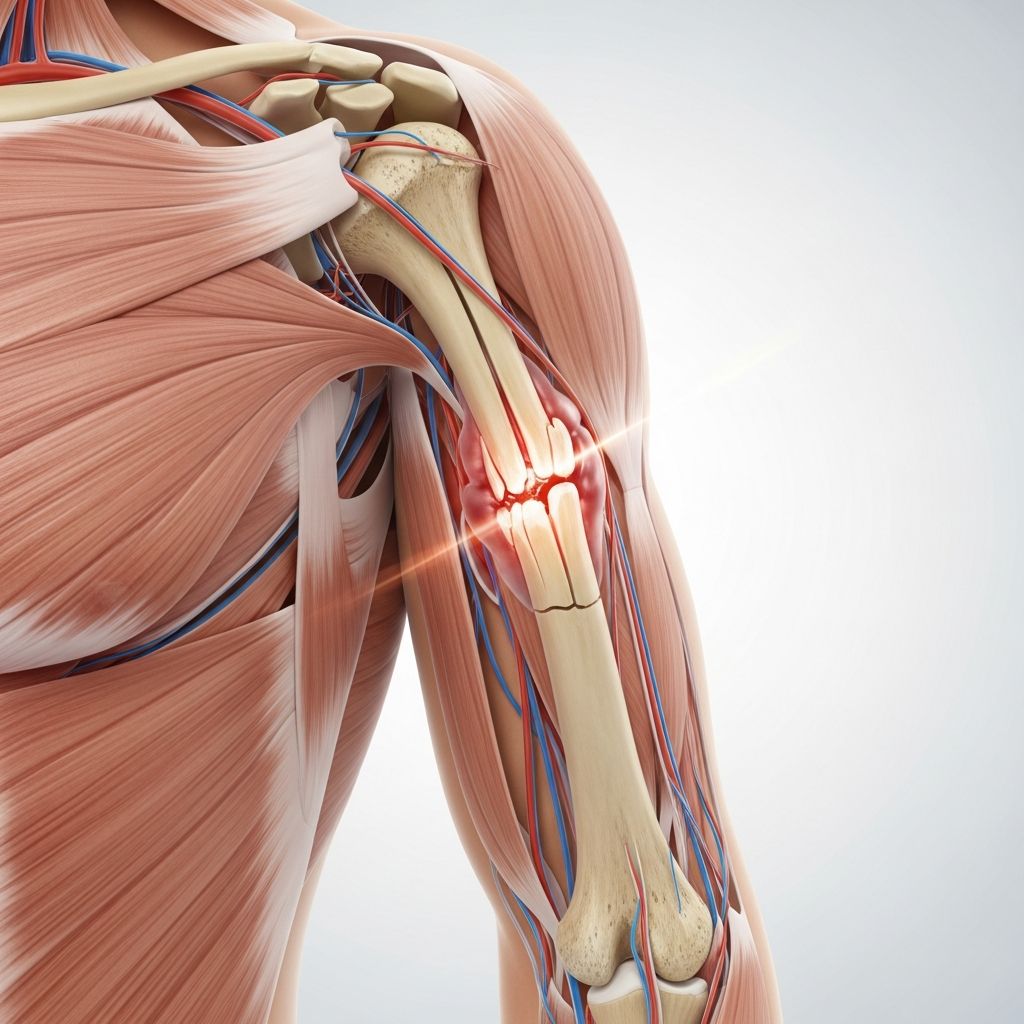
Understanding Humerus Fracture: Upper Arm Fracture
A humerus fracture, commonly referred to as a broken upper arm bone, is a significant orthopedic injury that affects the long bone in your upper arm. The humerus extends from your shoulder to your elbow and serves as a critical structural component for arm mobility and function. When this bone breaks, it can range from a simple fracture to a complex break with multiple fragments, each requiring different treatment approaches. Understanding the nature of humerus fractures, their symptoms, and available treatment options is essential for patients seeking optimal recovery outcomes.
What is a Humerus Fracture?
The humerus is the primary bone of the upper arm, connecting the shoulder joint to the elbow joint. A humerus fracture occurs when this bone breaks due to trauma, falls, direct impact, or in some cases, underlying bone conditions. Humerus fractures are classified into three main categories based on their location: proximal humerus fractures (near the shoulder), humeral shaft fractures (middle section), and distal humerus fractures (near the elbow). Each type presents unique challenges and may require different treatment strategies. The severity of a humerus fracture can vary significantly, from hairline cracks to complete breaks with bone fragments displaced from their normal position.
Causes and Risk Factors
Humerus fractures typically result from traumatic incidents such as falls, motor vehicle accidents, or direct blows to the arm. Falls are particularly common causes, especially in older adults whose bones may be more fragile due to osteoporosis or other bone density issues. Individuals engaged in high-impact activities or sports face increased risk of sustaining humerus fractures. Additionally, people with underlying conditions affecting bone health, such as osteoporosis, bone tumors, or metastatic cancer, are at heightened risk for fractures even from minor trauma. Age is also a significant factor, with both children and elderly individuals experiencing higher fracture rates, though through different mechanisms.
Symptoms of a Humerus Fracture
Recognizing the symptoms of a humerus fracture is crucial for seeking prompt medical attention. The primary symptom is severe pain in the upper arm, which typically worsens significantly with any attempt to move the arm. Patients may feel or hear a distinctive snap or cracking sound at the moment of injury. Additional symptoms include immediate swelling and bruising around the injury site, visible deformity or abnormal positioning of the arm, and severe limitation in arm movement. In some cases, the pain can be so intense that patients experience nausea, dizziness, or fainting. Some individuals may also report numbness or tingling in the forearm or hand, particularly if nerves have been affected by the fracture.
Diagnosis of Humerus Fractures
Diagnosing a humerus fracture begins with a comprehensive medical history and physical examination. Your healthcare provider will ask about how the injury occurred and assess your pain level and range of motion. The primary diagnostic tool is X-ray imaging, which provides clear visualization of the bone and helps determine the exact location, type, and severity of the fracture. In some cases, particularly with complex fractures, computed tomography (CT) scans may be ordered to obtain more detailed three-dimensional images of the bone fragments. These imaging studies are essential for developing an appropriate treatment plan and determining whether surgery is necessary.
Related Stories



Treatment Options for Humerus Fractures
Non-Surgical Treatment
Many humerus fractures can be successfully treated without surgery. Non-surgical treatment typically begins with immediate immobilization of the arm using a sling or splint to prevent further injury and reduce pain. Your healthcare provider will prescribe pain management medications to control discomfort during the initial healing phase. You’ll wear the sling or splint continuously for approximately one to three weeks after the injury, then gradually reduce usage as healing progresses over six to twelve weeks. During this period, your arm remains relatively immobile to allow the bone fragments to align properly and begin the healing process. Non-surgical treatment is often appropriate for simple, non-displaced fractures or in cases where surgical risks outweigh potential benefits.
Surgical Treatment
Surgery becomes necessary when bone fragments are significantly displaced, misaligned, or when the fracture involves multiple fragments that cannot heal properly with immobilization alone. Several surgical approaches exist for treating humerus fractures. Percutaneous fixation involves inserting pins through the skin into the bones to hold them in proper alignment. Internal fixation uses screws or metal plates to secure the broken bone pieces together, providing stable fixation that allows earlier mobilization. In severe cases, particularly when the humeral head is crushed or severely damaged, partial shoulder replacement (arthroplasty) may be recommended, where the damaged bone is removed and replaced with an artificial humeral head. The choice of surgical technique depends on the fracture type, severity, patient age, and overall health status.
Nerve and Vascular Considerations
Approximately one in three proximal humerus fractures may damage nerves in the area, while about two out of every ten humeral shaft fractures damage the radial nerve. Fortunately, seven out of ten people with radial nerve injuries recover completely without surgical intervention. However, if nerve damage is suspected, your healthcare provider will conduct specialized testing to assess nerve function. Vascular injuries are rare but can occur with humeral shaft fractures, requiring emergency medical intervention if the brachial artery is compromised.
Immediate Emergency Care
If you suspect a humerus fracture, immediate first aid is crucial. Stop all movement and immobilize the arm using a sling or by carefully supporting it with your other arm. Apply ice to the injury site to reduce swelling, keeping the ice on for 15-20 minute intervals. Avoid any attempts to straighten or manipulate the arm, as this can worsen the injury. Seek immediate emergency medical attention, particularly if you experience severe pain, visible deformity, numbness, tingling, or signs of poor circulation such as coldness or color changes in your hand or fingers.
Recovery and Rehabilitation Process
Initial Recovery Phase
The initial recovery phase focuses on pain management, swelling reduction, and protecting the fracture site. During the first week, your primary goal is to keep your arm immobilized and follow your healthcare provider’s pain management recommendations. You may experience significant bruising, swelling, and stiffness, which are normal parts of the healing process. Your healthcare provider will monitor your healing progress through follow-up appointments and may order repeat X-rays to ensure the bone is healing properly.
Physical Therapy and Rehabilitation
Physical therapy plays a vital role in humerus fracture recovery, beginning within the first few weeks after injury or surgery. Your physical therapist will design a customized rehabilitation program based on your specific fracture type and treatment method. For non-surgical cases, early passive range-of-motion exercises begin within the first week, with external rotation limited to 30-40 degrees for the first three weeks to protect the fracture. As healing progresses, active-assisted mobilization exercises begin around three to five weeks, followed by active range-of-motion exercises at four weeks when adequate fracture healing has occurred. Strengthening exercises targeting the rotator cuff and shoulder muscles begin around eight to twelve weeks, with functional exercises and gradual return to activities progressing thereafter.
Post-Surgical Rehabilitation
Post-surgical rehabilitation follows a more structured phase-based approach. Phase I (1-4 weeks after surgery) focuses on pain control, swelling management, and restoring passive shoulder range of motion while maintaining elbow, wrist, and hand function. Phase II (4-8 weeks) aims for full shoulder passive range of motion and initiation of gentle active exercises. Phase III (8-12 weeks) emphasizes progressive strengthening with increasing resistance and functional activities. Phase IV (12+ weeks) involves advanced strengthening with compound movements and return to normal functional and sporting activities.
Recovery Timeline
The recovery timeline for humerus fractures varies depending on the fracture type, treatment method, and individual healing capacity. Generally, fracture healing requires six to twelve weeks. However, complete functional recovery typically takes several months. Most people can expect gradual improvements in pain and mobility over the first three to six months, with continued progress possible for up to a year. Return to work depends on the physical demands of your job, typically ranging from eight to sixteen weeks for physical labor. Return to sports and recreational activities occurs later in recovery, usually after twelve weeks or when your healthcare provider and physical therapist confirm adequate strength and range of motion.
Long-Term Outcomes and Complications
Most humerus fractures heal well with appropriate treatment, whether surgical or non-surgical. However, complications can occur in some cases. Non-union, where the bone fails to heal properly, or malunion, where the bone heals in an incorrect position, may require additional surgery. Nerve injuries, while often resolving spontaneously, can persist and may require further evaluation or surgical intervention if recovery doesn’t occur within expected timeframes. Shoulder stiffness is a common complication that typically improves with continued physical therapy and rehabilitation. If you experience persistent problems with bone healing or ongoing arm dysfunction, discuss these concerns with your healthcare provider to determine if additional interventions are necessary.
Frequently Asked Questions
Q: How long does a humerus fracture take to heal?
A: Humerus fractures typically take six to twelve weeks to heal sufficiently for most activities, though complete functional recovery may take several months. The exact timeline depends on the fracture severity, treatment method, and individual healing rates.
Q: Can a broken humerus heal without surgery?
A: Yes, many humerus fractures heal successfully without surgery through immobilization with slings or casts combined with physical therapy. Simple, non-displaced fractures particularly respond well to conservative treatment.
Q: What activities should I avoid during recovery?
A: During initial recovery, avoid all movements that stress the injured arm, lifting heavy objects, contact sports, and high-impact activities. Follow your healthcare provider’s specific restrictions based on your fracture type and recovery stage.
Q: Will I regain full arm function after a humerus fracture?
A: Most people achieve full or near-full arm function with appropriate treatment and rehabilitation. You should expect complete recovery with proper physical therapy and adherence to your healthcare provider’s recommendations.
Q: What are the signs of complications after treatment?
A: Watch for persistent severe pain despite treatment, increasing swelling or redness, numbness or tingling that worsens, signs of infection, or significant loss of arm function. Contact your healthcare provider immediately if you experience any of these symptoms.
Q: Can a nerve injury from a humerus fracture heal on its own?
A: Many nerve injuries recover spontaneously over time, with most radial nerve injuries resolving without surgical intervention. However, nerve healing can be slow, taking six to twelve months in some cases. Your healthcare provider will monitor nerve function and determine if additional treatment is needed.
Q: When can I return to work after a humerus fracture?
A: Return to work timing depends on your job’s physical demands. Desk work may be possible within weeks, while physically demanding jobs typically require eight to sixteen weeks of recovery.
References
- Humeral Shaft Fracture (Broken Upper Arm Bone) — Orthopaedic Trauma Association. 2025. https://ota.org/for-patients/find-info-body-part/3731
- Proximal Humerus Fractures — Physiopedia. 2025. https://www.physio-pedia.com/Proximal_Humerus_Fractures
- Broken Upper Arm: Symptoms, Treatment, Complications — Patient.info. 2025. https://patient.info/bones-joints-muscles/broken-upper-arm
- Proximal Humerus Fracture — NHS TIMS. 2023. https://www.tims.nhs.uk/wp-content/uploads/2023/03/Proximal-Humerus-Fracture.pdf
- Humerus Fracture: Types, Symptoms & Treatment — Cleveland Clinic. 2025. https://my.clevelandclinic.org/health/diseases/22990-humerus-fracture
- Upper Arm Fractures — Merck Manuals. 2025. https://www.merckmanuals.com/home/injuries-and-poisoning/fractures/upper-arm-fractures
- Broken Arm – Symptoms and Causes — Mayo Clinic. 2025. https://www.mayoclinic.org/diseases-conditions/broken-arm/symptoms-causes/syc-20353260
Similar Articles








Read full bio of medha deb