Hunched Posture In Parkinson’s Disease: Expert Strategies
Explore the causes, consequences, and effective strategies for managing forward-leaning posture in Parkinson's to enhance mobility and quality of life.
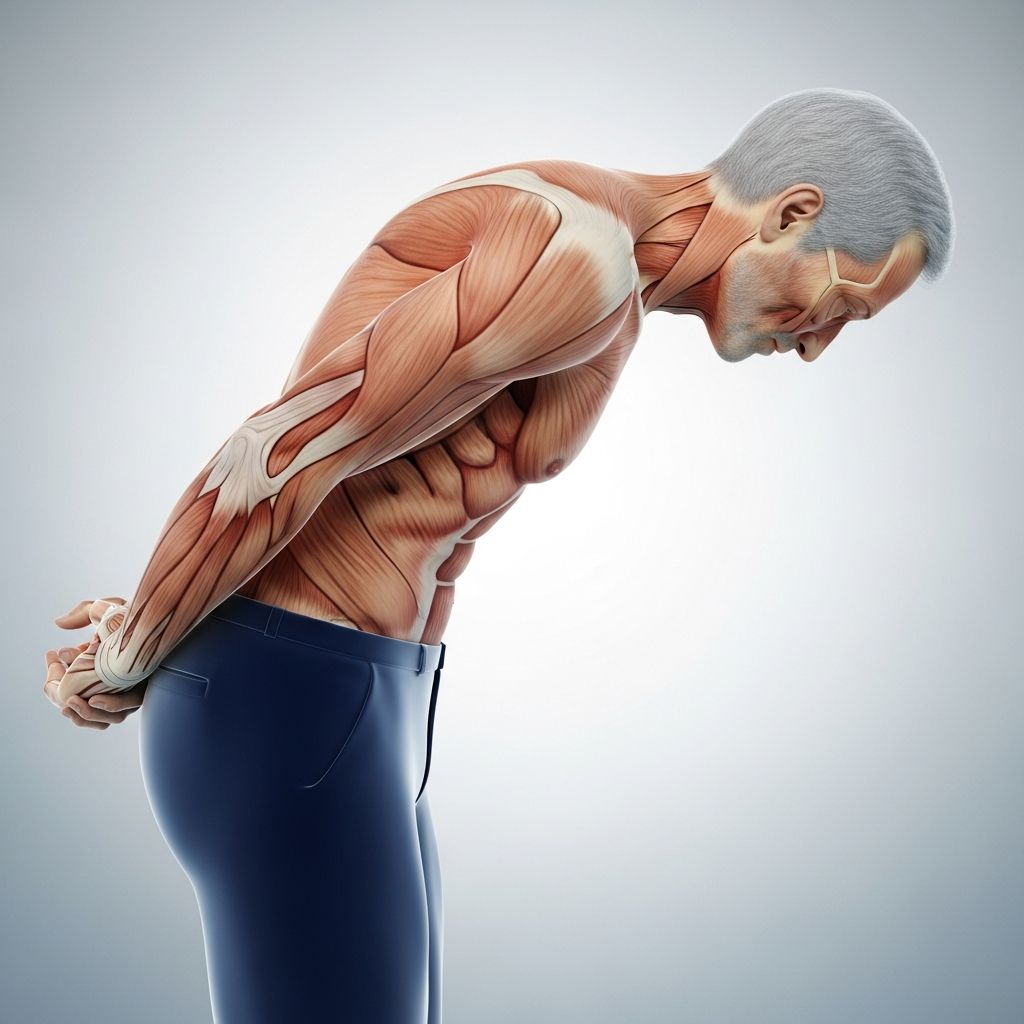
Forward-leaning or hunched posture emerges as a prominent motor symptom in Parkinson’s disease, altering body alignment and daily function due to impaired automatic muscle control.Hunched posture involves rounded shoulders, a reduced lumbar curve, and a protruding head, often progressing unnoticed until it impacts balance and comfort.
Neurological Roots of Postural Changes
Parkinson’s disease disrupts the basal ganglia, which regulate involuntary movements like maintaining upright stance. Without these cues, the body defaults to flexion, pulling the trunk forward. Muscle rigidity—a core symptom—stiffens muscles, resisting extension and promoting a bent position.
Medication fluctuations exacerbate this during “off” periods when dopamine levels drop, intensifying rigidity and flexion. Prolonged static positions or task focus further entrenches poor alignment, as the brain overlooks postural corrections.
Variations in Postural Deformities
Beyond general hunching, specific deformities occur:
- Camptocormia: Marked forward trunk flexion while standing or walking, resolving supine. It stems from trunk muscle imbalance.
- Pisa Syndrome: Lateral trunk tilt, worsening upright and easing when lying down, potentially linked to cognitive shifts.
These affect a subset of patients, with severity varying; subtle stoops evolve into pronounced bends, signaling progression.
Health Consequences of Forward Lean
Hunched posture triggers cascading issues. Misaligned spine curves cause chronic neck, back, and shoulder pain from sustained strain.
Compressed chest limits diaphragmatic breathing, reducing lung capacity, speech projection, and volume—compounding hypophonia and masking. Flexibility loss hinders arm elevation for grooming or rising from seats.
Critically, forward center of mass heightens fall risk via instability, a leading injury cause in Parkinson’s. Socially, it impairs eye contact, fostering isolation alongside emotional toll on self-image.
Assessing Postural Decline
Early detection aids intervention. Loved ones often spot subtle shifts before self-awareness dawns. Clinicians use scales like the Unified Parkinson’s Disease Rating Scale (UPDRS) postural items or timed up-and-go tests for instability.
| Early Signs | Advanced Indicators |
|---|---|
| Slight shoulder rounding | Marked trunk flexion |
| Reduced arm swing | Balance loss on turns |
| Mild head drop | Frequent near-falls |
Regular monitoring tracks progression and therapy efficacy.
Daily Habits to Counter Hunching
Proactive adjustments preserve alignment. Set reminders for posture checks hourly, using mirrors or apps. Alternate positions during seated tasks, incorporating standing breaks.
- Position screens at eye level to avoid neck crane.
- Use lumbar supports in chairs.
- Practice “tall” posture: ears over shoulders, shoulders over hips.
Mindfulness during walks—visualize a string pulling the head upward—counters flexion.
Targeted Exercise Regimens
Exercise counters rigidity and builds extensor strength. Focus on big, exaggerated movements to retrain automaticity.
- Wall Angels: Stand against wall, slide arms up/down like snow angels, 10 reps. Strengthens upper back.
- Cat-Cow Stretch: On all fours, alternate arching/dropping back, 8 cycles. Improves spinal mobility.
- Shoulder Rolls: Roll shoulders backward 10x, then forward. Releases tension.
- Balance Challenges: Single-leg stands, progressing to eyes closed, 20s/side.
Related Stories



Aim for 30 minutes daily; yoga or tai chi enhance proprioception.
Therapeutic and Medical Interventions
Physical therapy tailors programs, emphasizing LSVT BIG for amplified movements. Occupational therapy adapts environments for ease.
Medications optimizing dopamine control minimize “off” episodes. In severe cases, botulinum toxin targets overactive flexors, or deep brain stimulation stabilizes posture.
Orthotics like posture-correcting braces offer temporary aid, best with therapy.
Building a Supportive Routine
Integrate strategies holistically. Morning routines with stretches prime the day; evening wind-downs release tension.
Caregiver involvement—gentle cues without nagging—boosts adherence. Group classes foster community, combating isolation.
Track progress via journals or apps, noting pain, falls, and ease in tasks. Adjust with professionals quarterly.
Frequently Asked Questions
Can hunched posture be reversed in Parkinson’s?
Full reversal is rare in advanced stages, but consistent exercises and therapy significantly improve alignment and function.
How does posture affect breathing in Parkinson’s?
Forward lean restricts chest expansion, shallowing breaths and weakening voice—address via posture work and respiratory exercises.
Are falls inevitable with stooped posture?
No; targeted balance training and environmental mods reduce risk by 30-50% per studies.
What role do medications play in posture?
They alleviate rigidity during “on” times but fluctuations worsen hunching—timed dosing helps.
Is surgery an option for severe deformities?
Deep brain stimulation benefits select cases with postural instability unresponsive to meds.
Long-Term Outlook and Prevention
Early management slows progression, preserving independence. Multidisciplinary care—neurologists, therapists, support groups—optimizes outcomes. Lifestyle factors like aerobic exercise delay motor decline.
Empowerment through education equips patients; resources from organizations like the Parkinson’s Foundation guide personalized plans.
References
- Stooped Posture – Parkinson’s Foundation — Parkinson’s Foundation. 2023. https://www.parkinson.org/understanding-parkinsons/movement-symptoms/stooped-posture
- Parkinson’s and Posture — The Rehab Team NZ. 2023. https://therehabteam.co.nz/blog/parkinsons-and-posture
- Parkinson’s Stooped Posture: What You Need to Know — The Parkinson’s Plan. 2024. https://theparkinsonsplan.com/parkinsons-stooped-posture-what-you-need-to-know/
- Early symptoms of Parkinson’s disease — Mayo Clinic Health System. 2024-02-23. https://www.mayoclinichealthsystem.org/hometown-health/speaking-of-health/early-symptoms-of-parkinsons-disease
- Parkinson’s disease – Symptoms and causes — Mayo Clinic. 2025. https://www.mayoclinic.org/diseases-conditions/parkinsons-disease/symptoms-causes/syc-20376055
- Posture and Parkinson’s — Parkinson’s UK. 2023. https://www.parkinsons.org.uk/research/blog/experts/posture-and-parkinsons
Similar Articles








Read full bio of medha deb