Hyaluronic Acid: Benefits, Uses & Side Effects
Complete guide to hyaluronic acid: discover its skin benefits, medical uses, and safety profile.
Understanding Hyaluronic Acid
Hyaluronic acid (HA), also known as hyaluronan, is a naturally occurring polysaccharide polymer that plays a vital role in maintaining the body’s connective tissues. This remarkable molecule is found throughout the human body, with approximately half of all HA located in the skin cells. As a complex chain-like molecule with unique structural properties, hyaluronic acid has become increasingly popular in both medical treatments and skincare products due to its exceptional ability to bind to and retain water, holding up to 1,000 times its weight in moisture.
The chemical structure of hyaluronic acid acts as a scaffold that enables growth and regeneration of damaged tissue, making it essential for maintaining skin elasticity, promoting wound healing, lubricating joints, and supporting overall connective tissue health. This versatile compound has been the subject of extensive scientific research, revealing its importance not only for cosmetic purposes but also for therapeutic applications in treating various medical conditions.
What Is Hyaluronic Acid?
Hyaluronic acid is a glycosaminoglycan, a type of carbohydrate polymer that exists naturally throughout the body. As a polymer, HA is characterized by its long and complex chain-like molecular structure, which creates multiple attachment points for other chemical compounds. This unique architecture allows the molecule to function as both a hydration agent and a structural support system for tissues.
The remarkable water-binding capacity of hyaluronic acid is one of its most distinguishing features. Just a quarter teaspoon of pure HA can hold approximately one and a half gallons of water. This extraordinary property makes it an ideal ingredient for skincare formulations and medical applications targeting dehydration and tissue repair. The molecule’s ability to attract and retain moisture helps maintain skin plumpness, flexibility, and overall health while supporting the structural integrity of connective tissues throughout the body.
Key Benefits of Hyaluronic Acid
Skin Hydration and Moisture Retention
One of the most significant benefits of hyaluronic acid is its unparalleled hydrating capability. HA functions as a humectant, drawing moisture from the environment and deeper skin layers to the epidermis, where it plumps the skin and maintains hydration levels for extended periods. This intensive hydration helps reduce the appearance of fine lines and wrinkles while improving overall skin texture and radiance. Regular use of hyaluronic acid products can result in noticeably softer, smoother skin with restored hydration, transforming dull, dehydrated complexions into more youthful and vibrant appearances.
Skin Elasticity and Firmness
By maintaining optimal hydration levels, hyaluronic acid supports skin elasticity and firmness. Well-hydrated skin retains its structural integrity and bounce, preventing the sagging appearance that often accompanies dehydration. The molecule works to keep skin cells plump and supported, much like a well-hydrated grape compared to a dried raisin. This plumping effect can significantly improve the appearance of skin texture and reduce the visibility of age-related concerns.
Wound Healing and Tissue Repair
Hyaluronic acid plays a crucial role in the body’s natural wound healing process. During tissue injury, HA accumulation increases at the wound site, supporting the body’s repair mechanisms. The molecule facilitates the proliferation and migration of epithelial keratinocytes, which work to seal defects, prevent fluid loss, and exclude infection. Additionally, HA’s anti-inflammatory properties help redirect blood flow to damaged areas, promoting faster and more efficient tissue regeneration. This makes hyaluronic acid valuable not only for topical skincare but also for supporting the body’s intrinsic healing capabilities.
Related Stories



Joint Health and Lubrication
Hyaluronic acid is a natural component of synovial fluid, the lubricant found in joints throughout the body. In this capacity, HA acts as a shock absorber and friction reducer, maintaining joint mobility and comfort. For individuals with arthritis or joint degeneration, hyaluronic acid injections—known as viscosupplementation—can help replace lost lubrication and cushion the joint. Research suggests that HA may also possess chondroprotective properties, potentially slowing the progression of joint deterioration and helping to maintain long-term joint health.
Anti-inflammatory and Antioxidant Effects
Beyond its hydrating properties, hyaluronic acid demonstrates anti-inflammatory and antioxidant effects that further enhance its therapeutic potential. These properties help calm inflammation, protect skin from free radical damage, and support overall skin health. By modulating inflammatory responses, HA contributes to a more balanced skin environment and may help reduce conditions characterized by inflammation or reactive skin.
How Hyaluronic Acid Works
The effectiveness of hyaluronic acid stems from its unique molecular properties and biological interactions. When applied topically or injected therapeutically, HA molecules work through multiple mechanisms to deliver their benefits. The polymer’s chain-like structure creates numerous sites where water molecules can bind, creating a hydration reservoir that sustains moisture in the skin for hours. This water-binding capacity is unaffected by environmental humidity, making HA effective in various climatic conditions.
At the cellular level, hyaluronic acid interacts with cell surface receptors, particularly CD44, which facilitates cellular uptake and biological activity. This interaction triggers various beneficial responses, including increased collagen synthesis, enhanced cell proliferation, and improved tissue healing. The molecule also plays a regulatory role in leukocyte recruitment and inflammatory responses, helping to coordinate the body’s healing process and minimize excessive inflammation.
Molecular Weight and Skin Penetration
An important consideration in hyaluronic acid products is molecular weight, which directly influences penetration depth and effectiveness. Hyaluronic acid exists in various molecular weights, typically ranging from low molecular weight (under 500 kDa) to high molecular weight (above 1,000 kDa). Lower molecular weight HA molecules penetrate the skin more readily, reaching deeper layers where they can provide enhanced hydration and improve fine lines, particularly around delicate areas like the eyes. High molecular weight HA forms a hydrating film on the skin surface, providing immediate plumping effects and moisture barrier support.
Studies have demonstrated that topical products containing low molecular weight hyaluronic acid result in significantly improved wrinkle depth and noticeably more hydrated, elastic skin. The selection of molecular weight in product formulations should be tailored to specific skin concerns and desired outcomes, as different weights provide complementary benefits when used in combination.
Uses of Hyaluronic Acid
Skincare Applications
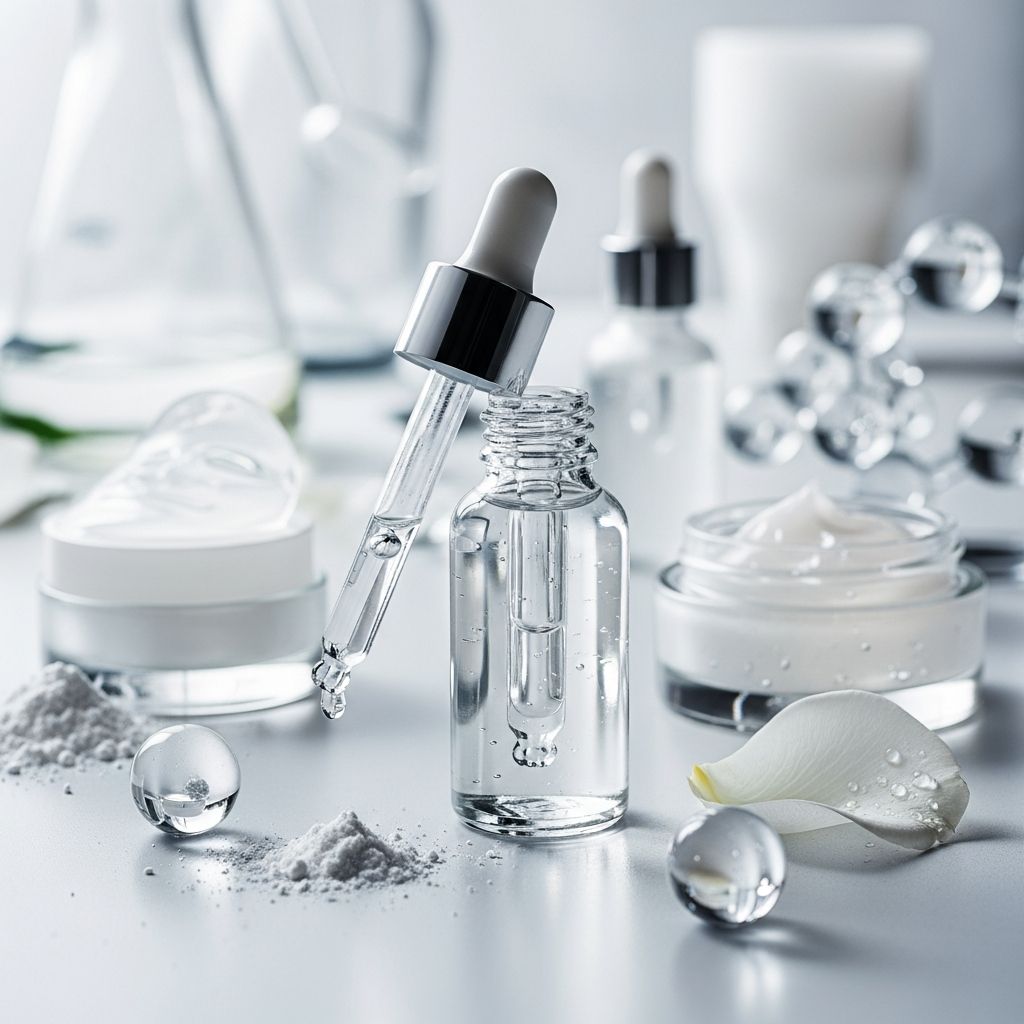
Hyaluronic acid has become a cornerstone ingredient in modern skincare routines, available in numerous formulations including serums, moisturizers, masks, and toners. As the natural production of HA in the body diminishes with age, topical application helps supplement this depletion, addressing concerns such as dry skin, reduced elasticity, and wrinkles. Skincare products containing hyaluronic acid are suitable for most skin types, including sensitive, acne-prone, and combination skin, making it a versatile addition to virtually any skincare regimen.
Medical and Therapeutic Uses
Beyond cosmetic applications, hyaluronic acid serves important medical purposes. Hyaluronic acid injections, known as viscosupplementation, are used to treat osteoarthritis of the knee by replacing lost synovial fluid and providing lubrication to the joint. These intra-articular injections can help ease knee pain, improve mobility, and potentially slow the progression of arthritis. Healthcare providers may also recommend hyaluronic acid for other joints affected by degenerative conditions.
In wound care and tissue repair, hyaluronic acid accelerates the healing process by supporting the body’s natural regenerative mechanisms. It is used in advanced wound dressings and therapeutic applications to promote faster tissue restoration and minimize scarring. Additionally, dermatologists sometimes utilize HA fillers for facial rejuvenation, as injections can restore volume, smooth wrinkles, and enhance facial contours with results that appear natural and refreshed.
Potential Side Effects and Considerations
Hyaluronic acid is generally well-tolerated and considered safe for most individuals when used appropriately. Topical applications rarely cause adverse reactions, though some people with extremely sensitive skin may experience mild irritation. When applied correctly, HA products typically enhance skin comfort and hydration without negative side effects.
For injectable applications, minor side effects may include temporary redness, swelling, bruising, or tenderness at the injection site. These reactions typically resolve within days to weeks and are considered normal responses to injection therapy. More serious complications are rare but can include infection or allergic reactions in sensitive individuals.
It is important to note that product efficacy depends on several factors, including molecular weight, concentration, and formulation. An older study surprisingly found that specific types of HA at certain concentrations actually decelerated wound healing compared to other treatments, highlighting that skincare science involves complex variables. The concentration and molecular size of hyaluronic acid significantly influence its effectiveness, making product selection an important consideration.
Choosing Hyaluronic Acid Products
When selecting hyaluronic acid skincare products, several factors should be considered to maximize benefits. Look for products that specify the molecular weight of HA included, as both low and high molecular weight varieties offer distinct advantages. Products combining multiple molecular weights often provide comprehensive hydration benefits at both surface and deeper skin layers.
The concentration of hyaluronic acid in the product also matters; higher concentrations typically deliver more pronounced hydrating effects. Additionally, consider complementary ingredients that enhance HA’s benefits. Vitamin C helps protect skin from free radicals, antioxidants like resveratrol calm inflammation, and humectants support moisture retention. Quality formulations often combine hyaluronic acid with these synergistic ingredients to maximize skincare results.
Hyaluronic Acid in Different Skin Types
One of the advantages of hyaluronic acid is its suitability for virtually all skin types. For dry skin, HA provides essential hydration and helps restore moisture balance. Those with oily or acne-prone skin benefit from HA’s lightweight hydration without clogging pores or exacerbating breakouts. Sensitive skin types tolerate HA well due to its gentle, non-irritating nature. Combination skin benefits from HA’s ability to balance moisture levels across different facial zones without creating excess oiliness in already balanced areas.
Frequently Asked Questions About Hyaluronic Acid
Q: What is the difference between hyaluronic acid and hyaluronate?
A: These terms are used interchangeably. Hyaluronic acid, hyaluronate, and hyaluronan all refer to the same naturally occurring compound. The terminology varies in scientific and commercial contexts, but they describe the identical molecule.
Q: Can hyaluronic acid be used with other active ingredients?
A: Yes, hyaluronic acid works well with most skincare actives, including vitamin C, retinol, niacinamide, and peptides. In fact, HA enhances the delivery and effectiveness of other beneficial ingredients while providing foundational hydration.
Q: How long does it take to see results from hyaluronic acid?
A: Immediate hydration effects are often noticeable within the first application, with skin appearing plumper and more radiant. Long-term improvements in fine lines, elasticity, and skin texture typically develop over several weeks of consistent use.
Q: Is hyaluronic acid safe during pregnancy?
A: Topical hyaluronic acid is considered safe during pregnancy and breastfeeding. However, injectable applications should be discussed with healthcare providers. Always consult with your physician before starting new treatments during pregnancy.
Q: How should hyaluronic acid be applied for best results?
A: Apply hyaluronic acid serum to damp skin, then follow with a moisturizer to seal in hydration. This layering technique maximizes the hydrating benefits and helps HA penetrate more effectively into the skin.
Q: Does hyaluronic acid work in dry climates?
A: Yes, hyaluronic acid’s water-binding capacity functions independently of environmental humidity. It draws moisture from deeper skin layers and the air, making it effective even in arid conditions.
Conclusion
Hyaluronic acid represents a remarkable natural compound with scientifically-supported benefits for skin health, joint function, and tissue repair. Its exceptional water-binding capacity, structural support properties, and biological activity make it valuable for both cosmetic enhancement and therapeutic applications. Whether used in topical skincare formulations or injectable medical treatments, hyaluronic acid continues to demonstrate its role as an essential component of healthy skin and connective tissue. By understanding how to select and utilize HA products appropriately, individuals can harness its benefits to achieve more youthful, hydrated, and healthy skin while supporting overall wellness.
References
- Hyaluronan: More than just a wrinkle filler — National Center for Biotechnology Information (NCBI). 2015. https://pmc.ncbi.nlm.nih.gov/articles/PMC4847620/
- Hyaluronic acid — EBSCO Health Research Starters. 2024. https://www.ebsco.com/research-starters/health-and-medicine/hyaluronic-acid
- Knee Gel Injections (Viscosupplementation): Uses & Side Effects — Cleveland Clinic. 2024. https://my.clevelandclinic.org/health/procedures/knee-gel-injections-viscosupplementation
- Popular Skin Care Ingredients Explained — Cleveland Clinic Health. 2024. https://health.clevelandclinic.org/skin-care-ingredients-explained
- Hyaluronic Acid: What It Takes to Get Youthful Skin — Glowing Results Skin Spa. 2024. https://glowingresultsskinspa.com/blog/hyaluronic-acid/
- The Science Behind Hyaluronic Acid: Why Your Skin Craves This Ingredient — Patchology. 2024. https://www.patchology.com/blogs/the-blog/6-benefits-of-hyaluronic-acid-a-deep-dive-into-the-ingredients
Similar Articles








Read full bio of medha deb