Hyaluronic Acid Implant: What To Expect And Aftercare
Discover hyaluronic acid implants: safe, non-surgical dermal fillers for smoothing wrinkles, restoring volume, and enhancing facial contours effectively.
A
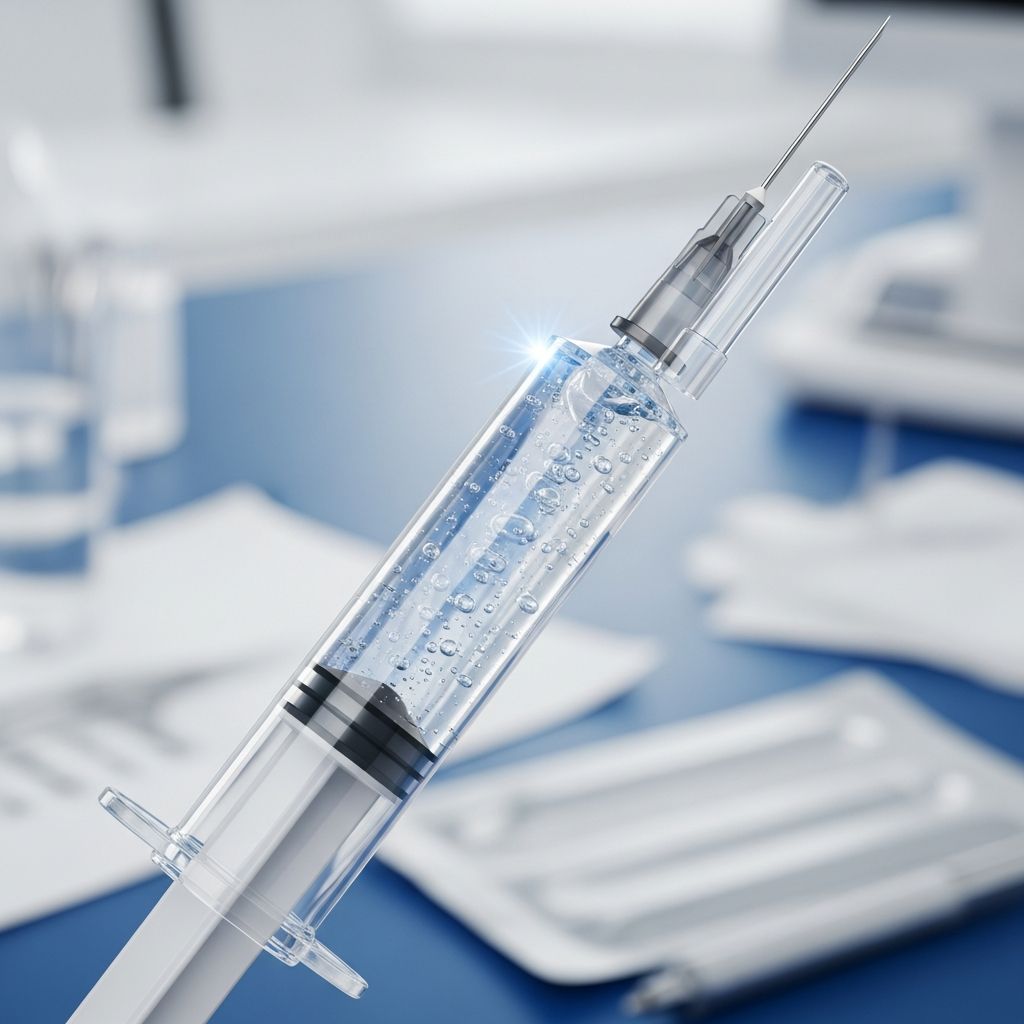
hyaluronic acid implant
is a non-surgical cosmetic procedure designed to soften facial lines, furrows, and depressions by injecting tiny quantities of hyaluronic acid into the dermis using very fine needles. This biocompatible substance, naturally present in the body, immediately increases dermal volume, hydrates the skin, and smooths contours, with effects lasting up to 6-12 months depending on the product and treatment area.What is hyaluronic acid?
Hyaluronic acid (HA) is a naturally occurring glycosaminoglycan, a key component of the extracellular matrix in skin, joints, and eyes, capable of binding up to 1,000 times its weight in water for superior hydration and lubrication. In the human body, an average 70 kg adult contains about 15 grams of HA, with one-third turned over daily through synthesis and degradation. Medically, HA’s biocompatibility enables diverse applications, from dermal fillers to joint injections and ophthalmic solutions.
Produced by fibroblasts and other cells, HA maintains tissue structure, facilitates cell migration, and modulates inflammation. In cosmetic dermatology, cross-linked HA formulations create stable gels resistant to enzymatic breakdown, ideal for implants that restore volume lost due to aging.
What is a hyaluronic acid implant used for?
Hyaluronic acid injections improve skin contour and reduce depressions from scars, injury, or age-related lines. Common uses include:
- Smoothing
nasolabial folds
(smile lines) and marionette lines. - Enhancing
lip volume
and defining borders for fuller, natural-looking lips. - Filling
cheek hollows
andtear troughs
to restore youthful contours. - Correcting
perioral wrinkles
(smoker’s lines) and fine facial lines. - Improving acne scars, surgical scars, or traumatic depressions.
- Non-surgical rhinoplasty for minor dorsal humps or tip refinement.
These implants provide immediate results, with HA attracting water to plump the area gradually over 1-2 weeks for optimal effect.
Who is suitable for hyaluronic acid therapy?
Almost all individuals are suitable for HA therapy due to its identical chemical structure across species, making allergic reactions extremely rare—no skin allergy test is typically needed, unlike bovine collagen. Ideal candidates include those with:
- Moderate to severe facial wrinkles or volume loss.
- Realistic expectations for temporary results (6-18 months).
- No active skin infections, autoimmune diseases, or bleeding disorders.
Pregnant or breastfeeding women should defer treatment. Consultation with a qualified dermatologist or plastic surgeon ensures suitability.
Procedure for hyaluronic acid implant
The procedure is quick, office-based, and minimally invasive:
- Consultation: Assessment of face, discussion of goals, and product selection (e.g., higher density for cheeks, softer for lips).
- Preparation: Topical numbing cream applied 20-30 minutes prior; many HA products contain lidocaine for comfort.
- Injection: Fine needles or cannulas deliver 0.5-3 mL per area, taking 15-60 minutes depending on zones treated.
- Post-care: Ice application to minimize swelling; avoid makeup, exercise, or alcohol for 24 hours.
No downtime is required; patients resume normal activities immediately.
Products used for hyaluronic acid implant
Numerous FDA-approved HA fillers vary by cross-linking degree, particle size, and concentration:
Related Stories



| Product | Brand Examples | Best For | Duration |
|---|---|---|---|
| Monophasic (cohesive) | Juvederm Ultra, Restylane Silk | Lips, fine lines | 6-12 months |
| Biphasic (particles) | Restylane Lyft, Perlane | Cheeks, deep folds | 12-18 months |
| Vycross technology | Juvederm Voluma | Cheek augmentation | Up to 24 months |
Choice depends on viscosity: softer gels for superficial placement, firmer for structural support.
Effects of hyaluronic acid implant
Results are immediate yet progressive: initial volume from the gel, enhanced by HA’s water-binding over days. Skin appears hydrated, smoother, and more youthful. Effects last 6-12 months typically, longer in static areas like cheeks. Maintenance with top-up treatments every 6-12 months sustains results.
Side effects of hyaluronic acid implant
HA implants are safe, with low complication rates:
- Common (temporary): Redness, swelling, bruising, tenderness (resolve in 2-7 days).
- Rare: Infection, allergic reaction (<1%), vascular occlusion if improperly injected.
- Tyndall effect: Bluish tint from superficial placement (correctable with hyaluronidase).
Serious risks like necrosis are minimized by expert injectors using cannulas.
Alternatives to hyaluronic acid implant
- Other fillers: Calcium hydroxylapatite (Radiesse), poly-L-lactic acid (Sculptra) for collagen stimulation.
- Neuromodulators: Botox for dynamic wrinkles.
- Laser resurfacing or microneedling for skin texture.
- Surgical options: Facelift for significant sagging.
- Topicals: HA serums for mild hydration.
History of hyaluronic acid implant
HA was isolated in 1934 from bovine vitreous humor. First cosmetic use in 1996 with Restylane in Europe; FDA approval followed in 2003. Advances in cross-linking (e.g., Vycross) extended duration and safety.
Prevention of hyaluronic acid implant complications
Choose board-certified providers; discuss anatomy and aspirations. Post-care includes avoiding blood thinners pre-treatment and massage if lumps form.
FAQs
Is hyaluronic acid implant painful?
Minimal discomfort due to fine needles and anesthetic; feels like a pinch.
How long do HA fillers last?
6-24 months, varying by product, area, and metabolism.
Can HA dissolve naturally?
Yes, via hyaluronidase enzyme if reversal needed.
Are HA fillers safe?
Highly safe when administered by experts; biocompatible and reversible.
Who should avoid HA implants?
Those with active infections, allergies to lidocaine, or unrealistic expectations.
References
- Decoding Hyaluronic Acid: Its Biological Function and Uses — HTL Biotechnology. 2023. https://htlbiotech.com/blog/decoding-hyaluronic-acid-its-biological-function-and-uses/
- Hyaluronic acid — Wikipedia. 2023-10-15. https://en.wikipedia.org/wiki/Hyaluronic_acid
- Hyaluronic acid: Uses, Interactions, Mechanism of Action — DrugBank Online. 2024. https://go.drugbank.com/drugs/DB08818
- Hyaluronic acid therapy. Fillers — DermNet NZ. 2024. https://dermnetnz.org/topics/hyaluronic-acid-implant
- Hyaluronic Acid: What It Is, Benefits, How To Use & Side Effects — Cleveland Clinic. 2023-05-12. https://my.clevelandclinic.org/health/articles/22915-hyaluronic-acid
Similar Articles








Read full bio of medha deb