Hyaluronic Acid Skincare: Benefits, Side Effects & More
Discover hyaluronic acid's powerhouse hydration benefits, proven skin effects, safe usage tips, and minimal side effects for all skin types.
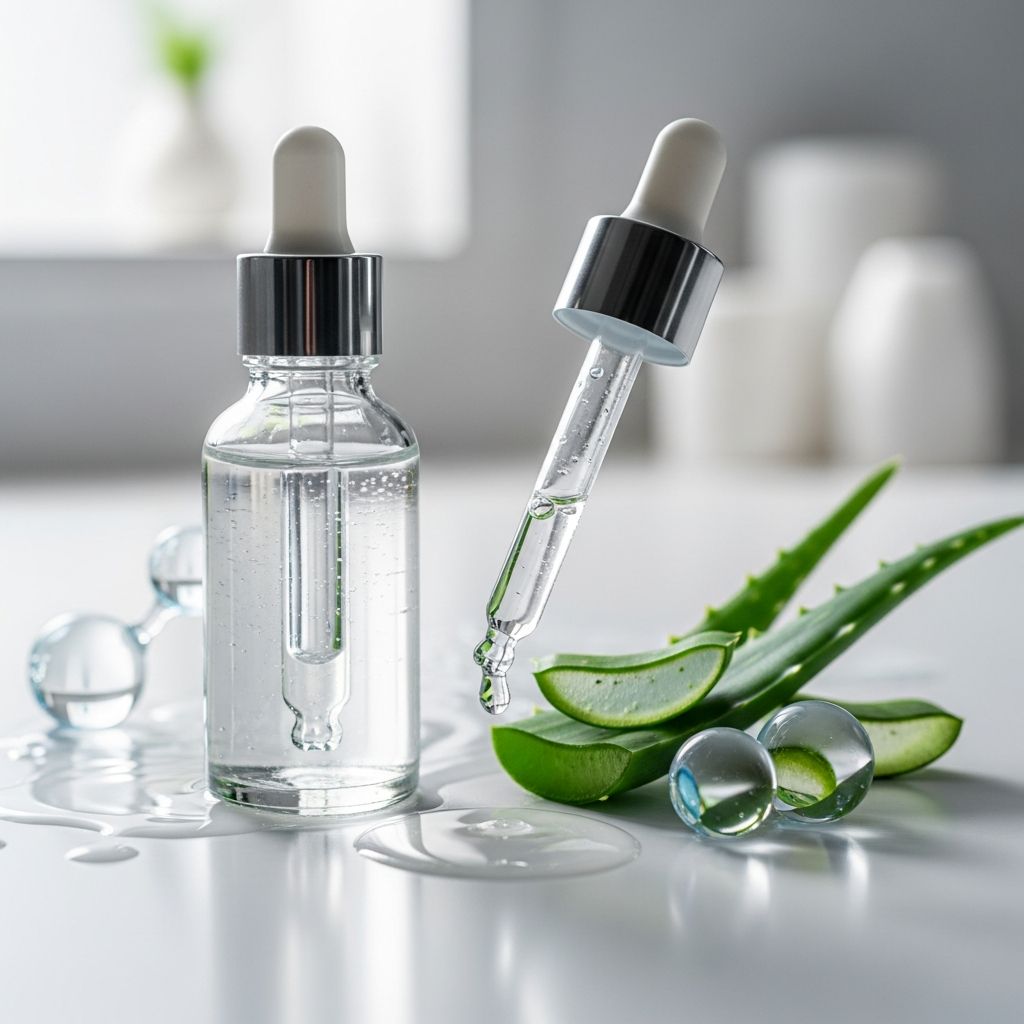
Hyaluronic acid (HA) is a naturally occurring substance in the body renowned for its exceptional ability to retain moisture, holding up to 1,000 times its weight in water. In skincare, it delivers intense hydration, plumps skin, and supports a youthful appearance, making it a staple ingredient for dry, aging, or compromised skin barriers.
What is hyaluronic acid?
Hyaluronic acid is a glycosaminoglycan, a type of molecule found throughout the body’s connective tissues, including the skin, eyes, and joints. It functions as a humectant, drawing water into the skin to maintain plumpness and elasticity. As we age, natural HA levels decline, leading to dryness, fine lines, and sagging—topical skincare products replenish this loss effectively.
Produced by fibroblasts in the dermis, HA forms a gel-like matrix that cushions cells and facilitates nutrient transport. In the skin, it comprises about 50% of the total HA in the body, contributing to a smooth, hydrated surface. Unlike some fillers, skincare HA is non-invasive and biocompatible.
What does hyaluronic acid do for the skin?
Hyaluronic acid primarily hydrates the skin by attracting and binding moisture from the environment and deeper layers, strengthening the barrier against transepidermal water loss (TEWL). This results in immediate plumping, reducing the visibility of fine lines and improving texture.
- Deep hydration: Multi-molecular weight HA penetrates multiple skin layers—low weights target deeper dermis, high weights hydrate the surface—for comprehensive moisture.
- Barrier repair: Enhances skin resilience against environmental stressors like UV damage.
- Antioxidant support: Neutralizes free radicals from sun exposure, preventing premature aging.
Research confirms HA improves skin smoothness, elasticity, and overall hydration after consistent use.
Benefits of hyaluronic acid in skincare
The benefits of HA extend beyond basic moisturizing, offering multifaceted support for various skin concerns. It’s suitable for all skin types, including sensitive, acne-prone, or eczema-affected skin, due to its gentle, non-comedogenic nature.
Hydration and plumping
HA’s moisture-binding capacity instantly plumps skin, minimizing dehydration lines. A 2021 study of 40 women aged 30-65 with photoaged skin found twice-daily topical HA improved hydration, smoothness, and fine lines after six weeks.
Anti-aging effects
By boosting collagen production indirectly through hydration and reducing matrix degradation, HA diminishes wrinkles and improves firmness. It’s particularly effective for sun-damaged skin, fortifying the barrier against UV-induced aging.
Wound healing and scar reduction
HA promotes faster wound closure by delivering water and nutrients to injury sites. For acne scars or minor wounds, it accelerates healing and fades marks.
Other benefits
- Improves elasticity and tightness.
- Supports eye area hydration for tear trough rejuvenation.
- Reduces inflammation in conditions like rosacea.
How to use hyaluronic acid in your skincare routine
Incorporate HA after cleansing and toning, on damp skin for optimal absorption. Apply serums first, followed by moisturizers to seal in hydration. Use morning and night.
Related Stories



| Step | Product Type | Tips |
|---|---|---|
| Cleanse | Gentle cleanser | Pat skin dry, leave slightly damp. |
| Tone | Hydrating toner | Preps skin for HA. |
| Serum | HA serum (multi-weight) | 2-3 drops, pat in gently. |
| Moisturize | Occlusive cream | Locks in HA moisture. |
| Protect (AM) | Sunscreen SPF 30+ | Prevents HA breakdown. |
Avoid layering HA over thick oils initially; start simple to build tolerance.
What are the side effects of hyaluronic acid?
Topical HA is exceptionally safe, with rare allergic reactions since it’s body-identical. Most users experience no adverse effects.
- Common (topical): Mild redness, itching, or tingling—usually from formulation irritants, not HA.
- Injections (fillers): Bruising, swelling, pain, bumps—procedure-related, resolve in days.
- Rare: Allergic reactions; patch test new products.
Those with scleroderma should avoid topical HA, as it may worsen ulcers. Radiation therapy patients risk complications.
Is hyaluronic acid safe during pregnancy and breastfeeding?
Limited data exists, but topical HA is likely safe due to low systemic absorption. Oral supplements or injectables warrant caution—consult a healthcare provider.
Hyaluronic acid vs other skincare ingredients
| Ingredient | Key Benefit | Best For | Vs HA |
|---|---|---|---|
| Glycerin | Humectant | Dry skin | Similar hydration; HA holds more water. |
| Retinol | Cell turnover | Wrinkles | HA hydrates without irritation. |
| Vitamin C | Antioxidant | Brightening | HA pairs well for barrier support. |
| Niacinamide | Barrier repair | Sensitive skin | Complements HA for calming. |
HA layers compatibly with most actives, enhancing their efficacy.
Best hyaluronic acid products
- Serums: Multi-molecular weight options for all-day hydration.
- Moisturizers: Creams with HA + ceramides for dry skin.
- Masks: Overnight treatments for intensive repair.
- For acne-prone: Lightweight, non-comedogenic gels.
Choose pH-balanced (5-6) formulas; vegan-sourced HA preferred.
Frequently Asked Questions (FAQs)
What skin types can use hyaluronic acid?
All types, including oily, dry, sensitive, and acne-prone. It’s non-irritating and won’t clog pores.
Can hyaluronic acid cause breakouts?
Rarely; issues stem from heavy bases. Opt for lightweight serums.
How often should I apply HA?
Twice daily. Reapply if skin feels tight.
Does HA work on mature skin?
Yes, it replenishes lost HA, plumping wrinkles effectively.
Is oral HA effective for skin?
Limited evidence; topical is superior for direct benefits.
Conclusion
Hyaluronic acid stands as a cornerstone of modern skincare, offering safe, science-backed hydration and repair. Integrate it thoughtfully for lasting skin health.
References
- Hyaluronic Acid: Benefits, Uses, And Potential Side Effects — Women’s Health Magazine. 2023-10-01. https://www.womenshealthmag.com/beauty/a46803777/hyaluronic-acid-benefits/
- Hyaluronic acid: What is it, what it treats, and side effects — Nebraska Medicine. 2023-01-01. https://www.nebraskamed.com/health/healthy-lifestyle/facial-plastic-surgery/hyaluronic-acid-what-is-it-what-it-treats-and-side
- Hyaluronic Acid: Where to Use, How to Use & Side Effects — Dr. Sabrina. 2023-01-01. https://drsabrina.com/blogs/skin-care/hyaluronic-acid
- Hyaluronic acid: Uses, side effects, and risks — Medical News Today. 2023-08-30. https://www.medicalnewstoday.com/articles/326385
- What Does Hyaluronic Acid Do To Your Skin? — Houston Skin. 2022-01-01. https://houstonskin.com/blog/what-does-hyaluronic-acid-do-to-your-skin/
- HYALURONIC ACID – Uses, Side Effects, and More — WebMD. 2024-01-01. https://www.webmd.com/vitamins/ai/ingredientmono-1062/hyaluronic-acid
- Hyaluronic Acid: What It Is, Benefits, How To Use & Side Effects — Cleveland Clinic. 2023-05-15. https://my.clevelandclinic.org/health/articles/22915-hyaluronic-acid
Similar Articles








Read full bio of Sneha Tete