Hydralazine for High Blood Pressure (Apresoline)
Comprehensive guide to Hydralazine (Apresoline) for managing high blood pressure, including uses, dosage, side effects, and precautions.
Hydralazine, commonly known by the brand name
Apresoline
, is a medication classified as a vasodilator used primarily to treathigh blood pressure
(hypertension). It works by relaxing and widening blood vessels, allowing blood to flow more easily, which reduces blood pressure and eases the workload on the heart. This drug is often prescribed alongside other antihypertensives because it is not typically a first-line treatment due to its side effect profile and sympathetic nervous system stimulation.About hydralazine tablets
Hydralazine tablets are available in strengths of 10 mg, 25 mg, and 50 mg for oral administration. They are designed for long-term management of moderate to severe hypertension, particularly when other agents like ACE inhibitors, ARBs, calcium channel blockers, or thiazide diuretics are insufficient or contraindicated. Unlike some antihypertensives, hydralazine does not cure high blood pressure but helps control it, requiring continuous use even if symptoms improve.
Key facts about hydralazine
- Hydralazine starts to work within 1-2 hours when taken orally, with peak effects in 1-4 hours.
- Common brand name: Apresoline.
- Dosage adjustment is necessary based on blood pressure response and patient tolerance, often higher in rapid acetylators.
- Not recommended as monotherapy; usually combined with beta-blockers or diuretics to counter reflex tachycardia.
- Available also as injectable form for hypertensive emergencies.
About high blood pressure
High blood pressure, or hypertension, affects millions worldwide and is a major risk factor for heart disease, stroke, kidney damage, and heart failure. It often has no symptoms, earning it the nickname ‘silent killer.’ Normal blood pressure is below 120/80 mmHg; hypertension is diagnosed at 130/80 mmHg or higher. Untreated, it strains arteries and organs. Lifestyle changes like diet, exercise, and weight management are first-line, but medications like hydralazine are essential for many.
How hydralazine works for high blood pressure
Hydralazine is a direct-acting
vasodilator
that primarily relaxes arteriolar smooth muscle, reducing peripheral vascular resistance. This lowers blood pressure but triggers a reflex increase in heart rate, cardiac output, and stroke volume via baroreceptor-mediated sympathetic activation. It has no direct cardiac effects but may increase renal and coronary blood flow. In heart failure, it boosts cardiac output by decreasing systemic vascular resistance. For hypertensive crises, IV hydralazine rapidly reduces pressure, though agents like labetalol or nitroprusside are preferred for predictability.How and when to take hydralazine
Take hydralazine exactly as prescribed, usually 2-4 times daily with or without food. Swallow tablets whole with water; do not crush or chew. For hypertensive emergencies, IV administration is used under medical supervision, aiming to reduce mean systolic BP by no more than 25% in the first hour. Regular blood pressure and heart rate monitoring is crucial.
Dosage
| Condition | Initial Adult Dose | Maintenance Dose |
|---|---|---|
| Essential Hypertension (Oral) | 10-25 mg 2-4 times daily | 50-100 mg 4 times daily (max 300 mg/day) |
| Hypertensive Emergency (IV) | 10-20 mg IV over 1-2 min | Repeat every 4-6 hours as needed |
| Heart Failure (with Isosorbide) | 37.5 mg with 20 mg isosorbide 3-4 times daily | Titrate up |
Dosage must be individualized; slower acetylators may require lower doses to avoid toxicity. In eclampsia, used with other agents.
Missed dose
If you miss a dose, take it as soon as remembered unless near the next dose. Do not double up. Consistent timing helps maintain steady blood levels.
Common questions about how to use hydralazine
How long does it take to work? Oral effects begin in 1-2 hours, peaking at 1-4 hours; IV acts within minutes.
Related Stories



Can it be taken with food? Yes, food may enhance absorption slightly.
Dosage for hydralazine
The dosage varies by condition, age, and response. For hypertension, start low and titrate up while monitoring for side effects like tachycardia. Pediatric doses are weight-based, typically 0.75-1 mg/kg/day divided. Elderly patients may need lower doses due to reduced clearance.
Who can and cannot take hydralazine tablets
Who can take hydralazine
- Adults and children with moderate-severe hypertension.
- Patients with heart failure (HFrEF) in combination therapy.
- Hypertensive urgency/emergency (IV).
Who cannot take it
- Those with known hypersensitivity to hydralazine.
- Coronary artery disease (due to reflex tachycardia).
- Mitral valve rheumatic heart disease.
Use caution in lupus history, renal impairment, or rapid acetylator status.
Pregnancy and breastfeeding with hydralazine tablets
Hydralazine is FDA Pregnancy Category C; used in eclampsia/preeclampsia for BP control. Animal studies show uterine effects, but benefits often outweigh risks. Limited data in breastfeeding; monitor infant for hypotension.
Side effects of hydralazine tablets
Hydralazine can cause common and serious side effects. Report persistent issues to your doctor.
Common side effects
These affect more than 1 in 100 people:
- Headache, flushing, palpitations.
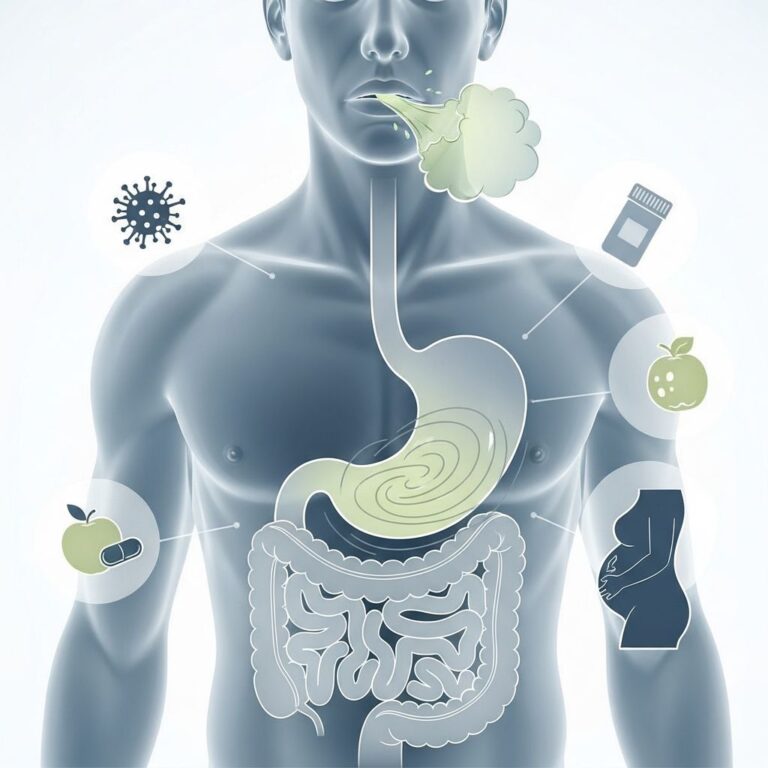
- Tachycardia, nausea, vomiting.
- Loss of appetite, diarrhea.
Serious side effects
Immediate medical attention needed:
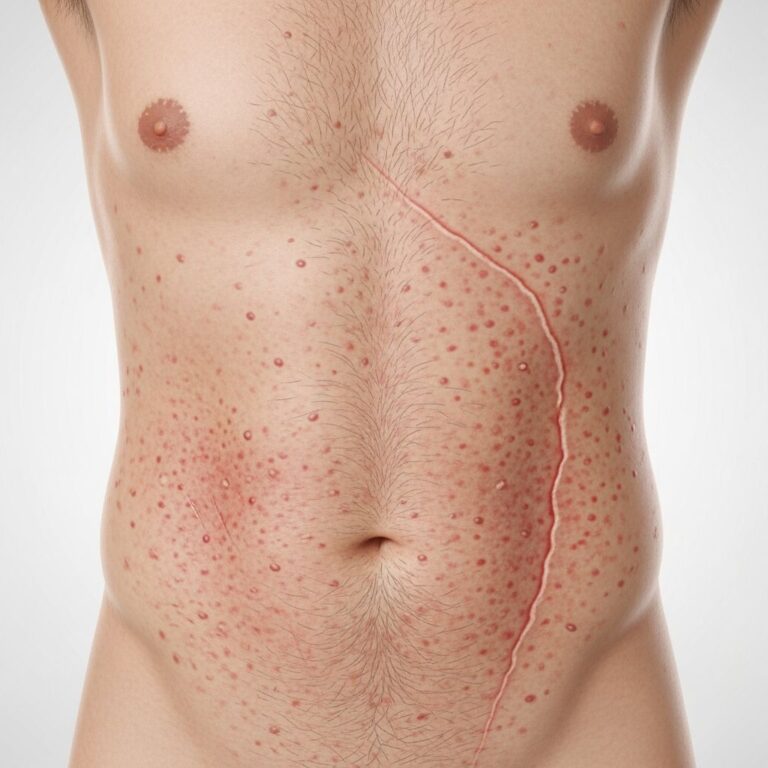
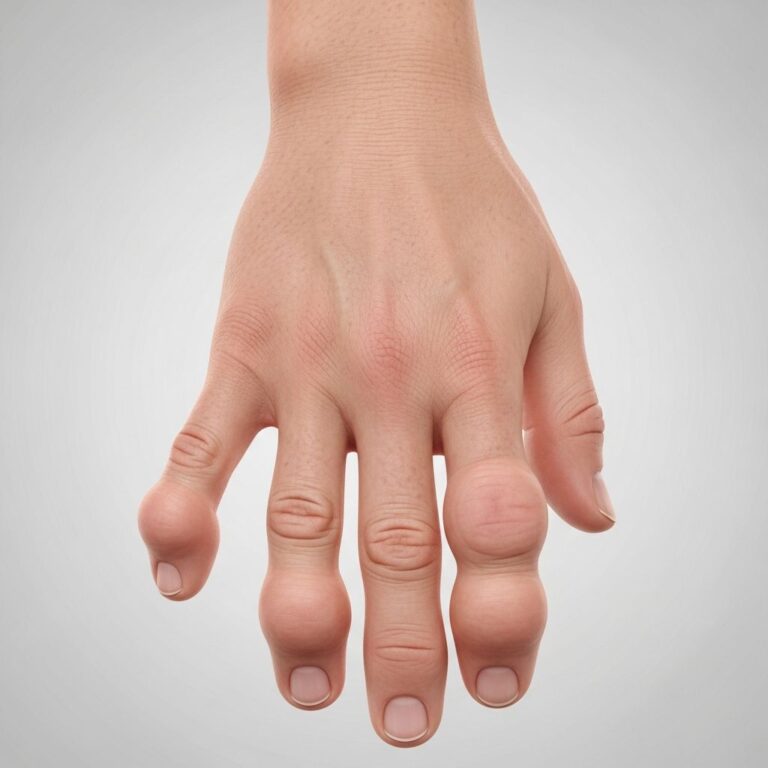
- Drug-induced lupus (arthralgia, rash, fever; reversible).
- Severe hypotension, angina.
- Peripheral neuropathy (paresthesia).
- Blood disorders (anemia, leukopenia).
In uremia, rapid dosing can cause marked hypotension. PRN use in hospitals shows 22% overtreatment risk.
Side effects table
| Frequency | Symptoms |
|---|---|
| Common (>10%) | Headache, tachycardia |
| Uncommon (1-10%) | Nausea, flushing |
| Rare | Lupus-like syndrome |
How to cope with side effects of hydralazine
- Headache: Rest, hydrate, use paracetamol (avoid NSAIDs if renal issues).
- Fast heartbeat: Sit/lie down, beta-blocker may be added.
- Nausea: Take with food, antiemetics if needed.
- Lupus symptoms: Stop drug, test ANA; usually resolves.
Blood pressure and heart rate checks are vital.
Interactions – medicines and hydralazine
Hydralazine interacts with:
- Other antihypertensives (additive hypotension).
- MAOIs (hypertensive crisis).
- QT-prolonging drugs (arrhythmia risk).
- Diazepam (increased effects).
Inform your doctor of all medications.
Common questions about hydralazine
Is hydralazine a blood thinner? No, it’s a vasodilator.
Can it cause weight gain? Not typically; monitor fluid retention.
Does it affect kidneys? Increases renal flow usually, but caution in impairment.
Frequently Asked Questions (FAQs)
Q: Why is hydralazine used with other drugs?
A: To counteract reflex tachycardia and enhance efficacy.
Q: How often is blood pressure monitored?
A: Regularly, especially initially and with dose changes.
Q: Is hydralazine safe long-term?
A: Yes, with monitoring for lupus and neuropathy.
Q: What if BP rises after PRN dose?
A: Rare (3-7%), consult doctor; may indicate tachyphylaxis.
Q: Alternatives for hypertensive crisis?
A: Labetalol, nicardipine preferred over hydralazine.
References
- Hydralazine: uses, dosing, warnings, adverse events, interactions — MedCentral. Accessed 2026. https://www.medcentral.com/drugs/monograph/8662-382246/hydralazine-oral
- Retrospective review of the use of as-needed hydralazine — NIH/PMC. 2018-05-25. https://pmc.ncbi.nlm.nih.gov/articles/PMC5933643/
- Hydralazine: MedlinePlus Drug Information — MedlinePlus/NIH. Accessed 2026. https://medlineplus.gov/druginfo/meds/a682246.html
- Hydralazine – Together by St. Jude™ — St. Jude. Accessed 2026. https://together.stjude.org/en-us/treatment-tests-procedures/medicines-list/hydralazine.html
- Hydralazine – StatPearls — NCBI Bookshelf. Accessed 2026. https://www.ncbi.nlm.nih.gov/books/NBK470296/
Similar Articles








Read full bio of medha deb