Hydrate Right
Learn how to drink the right amount of fluids before, during and after exercise to optimize performance and prevent dehydration.
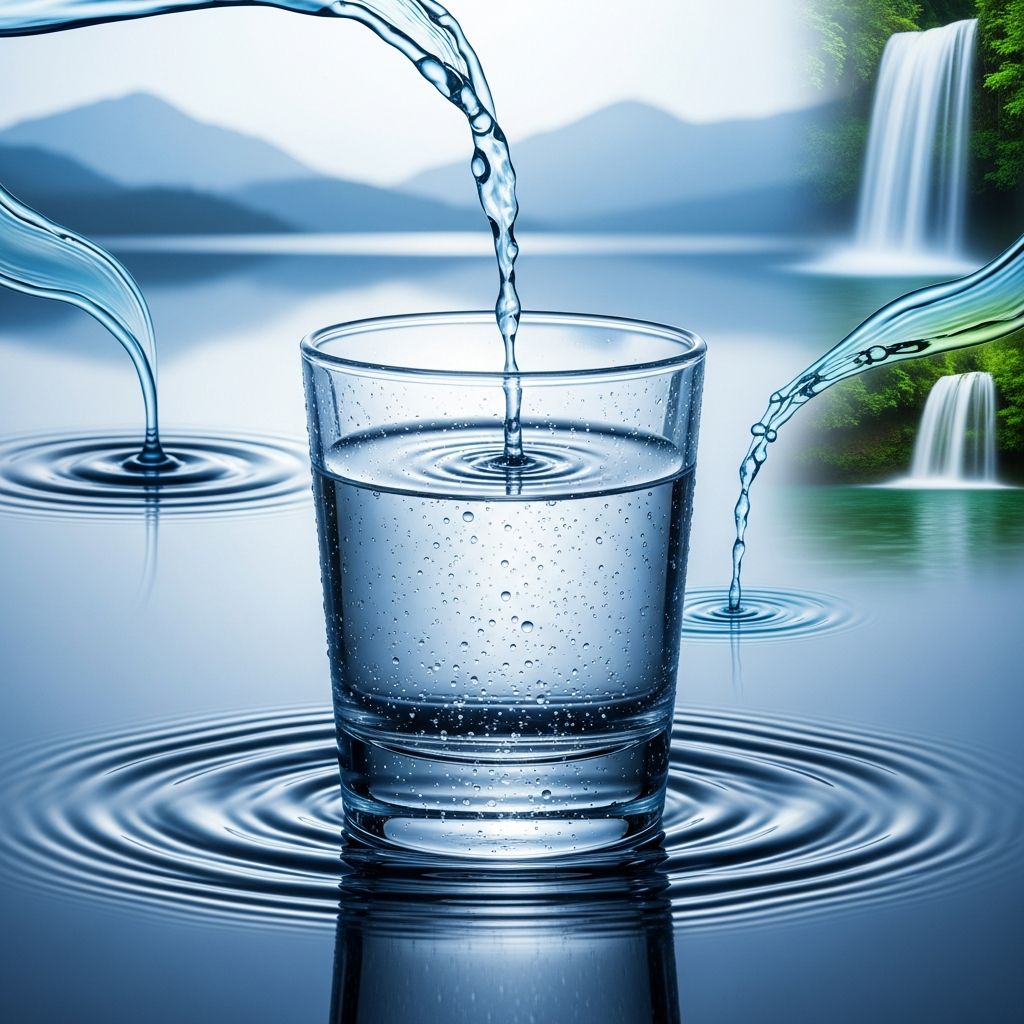
Proper hydration is crucial for normal body function and optimal physical performance. Drinking the right amount of fluid before, during, and after physical activity ensures your body has what it needs to perform effectively while minimizing risks like dehydration, over-hydration, heat illness, and injury.
Sports dietitians play a key role in helping athletes develop personalized hydration plans tailored to individual needs, enhancing training and competition outcomes. This article explores hydration goals, practical monitoring methods, strategies to minimize dehydration, effective fluid replacement, considerations for over-hydration, and tips for everyday hydration during exercise.
Hydration Goals
The primary aim of hydration is to prevent dehydration without causing over-hydration, known as hyponatremia. Hydration needs differ based on factors like age, sex, activity level, climate, and health status. Individualized plans consider thirst, urine color, fluid intake, sweat loss, and body weight changes.
Adequate daily water intake for healthy adults is about 11.5 cups (2.7 liters) for women and 15.5 cups (3.7 liters) for men, including water from food and beverages. Approximately 20% comes from food, so women need around 9 cups and men 13 cups of beverages daily. During exercise, goals shift to replacing losses in real-time.
- Urine color: Pale or light-colored urine, especially first morning void, signals good hydration. Dark, apple-juice-like urine indicates under-hydration.
- Sweat loss: Weigh before and after exercise; 1 pound lost equals about 16-24 ounces of fluid to replace. Aim to lose no more than 2% body weight to avoid performance dips.
These markers help athletes stay ahead of dehydration, which impairs endurance, strength, and cognitive function even at mild levels (1-2% loss).
Minimize Dehydration
Dehydration can strike during any activity, regardless of weather or visible sweat. It occurs when fluid lost through sweat isn’t adequately replaced, leading to performance drops beyond 2% body weight loss. Even swimmers, pool users, or winter skiers dehydrate because sweat happens to regulate body temperature, often unnoticed in water or cold.
Start exercise well-hydrated: Drink 16-20 ounces of water or sports drink 2-3 hours before, 8-10 ounces 10-15 minutes prior, and sip during to match sweat rate. Thirst is a late signal—don’t wait for it.
| Activity Type | Hydration Risk | Prevention Tip |
|---|---|---|
| Swimming | Hidden sweat loss | Drink before, during breaks, after; ignore water immersion myth. |
| Hot Weather Runs | High sweat rate | Weigh pre/post; replace 16 oz per pound lost. |
| Winter Sports | Dry air, heavy clothing | Sip warm fluids; monitor urine. |
| Gym Workouts | Indoor heat buildup | Keep bottle handy; check weight change. |
Mild dehydration (1%) affects mood, concentration, and energy; even 2% hurts athletic output. Chronic under-hydration risks kidney stones, infections, and constipation.
Fluid Replacement
Rehydrate strategically: Drink during exercise to maintain hydration, prioritizing ingestion over pouring water externally—only drinking cools internally. For sessions under 1 hour, water suffices; for longer or intense efforts, sports drinks provide electrolytes (sodium, potassium) and carbs to sustain performance.
Before exercise: 16-20 oz, 2-3 hours prior; 8-10 oz, 10-15 min before.
During exercise: 7-10 oz every 10-20 minutes. Adjust for sweat rate (e.g., heavy sweaters need more).
After exercise: 16-24 oz per pound lost, within 2 hours; include sodium-rich foods/drinks for retention.
Sports drinks are ideal for prolonged activity (>60 min, moderate-high intensity) as they replace sodium lost in sweat, preventing cramps and hyponatremia. Plain water works for shorter bouts but lacks electrolytes for heavy sweaters.
- Water: Best for low-intensity/short sessions.
- Sports drinks: Carbs (6-8% concentration), sodium (100-200 mg/8 oz) for endurance.
- Recovery: Milk or chocolate milk for protein/electrolytes post-workout.
Overhydration Risks
Overzealous drinking risks hyponatremia—low blood sodium from diluted electrolytes, causing nausea, headaches, seizures, or worse. Rare but serious, especially in endurance events where athletes drink excessively without salt replacement.
Balance intake with losses: Don’t exceed 1.5 liters/hour; monitor weight gain as a red flag. Symptoms include bloating, confusion; treat by stopping fluids, seeking medical help.
Daily Hydration Tips
Beyond exercise, water comprises 60% of body weight, aiding digestion, joints, temperature regulation. Factors increasing needs: Activity, heat, altitude, illness, pregnancy.
High-water foods (90-100%):
- Fruits: Watermelon, strawberries, cantaloupe.
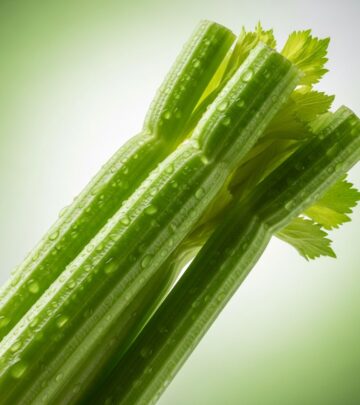
- Veggies: Lettuce, celery, spinach.
- Drinks: Water, sparkling water, fat-free milk.
70-89% water: Bananas, oranges, carrots, yogurt.
Habits: Drink with meals, set reminders, replace sugary drinks with water. Urine pale/light yellow confirms adequacy. Mayo Clinic notes thirst plus food fluids often suffice for most.
Frequently Asked Questions (FAQs)
Do I need 8 glasses of water daily?
No fixed rule—thirst guides most healthy people. Women: ~9 cups beverages; men: ~13 cups, including food. Adjust for activity.
Can I get dehydrated swimming?
Yes, sweat mixes with water unnoticed. Drink before, during breaks, after.
When to choose sports drinks over water?
For >1 hour intense exercise; provides carbs/electrolytes.
How do I check sweat rate?
Weigh nude pre/post exercise (no fluids/food); 1 lb loss = 16-24 oz to replace.
Signs of over-hydration?
Weight gain during activity, nausea, headache—stop drinking, add salt.
Consult a Professional
For personalized plans, see a registered dietitian nutritionist (RDN). Factors like health conditions alter needs. Use Academy tools to find experts.
References
- Hydrate Right — Academy of Nutrition and Dietetics. Accessed 2026. https://www.eatright.org/fitness/physical-activity/exercise-nutrition/hydrate-right
- How Much Water Do You Need? — Academy of Nutrition and Dietetics. Accessed 2026. https://www.eatright.org/health/essential-nutrients/water/how-much-water-do-you-need
- Water: How much should you drink every day? — Mayo Clinic. Accessed 2026. https://www.mayoclinic.org/healthy-lifestyle/nutrition-and-healthy-eating/in-depth/water/art-20044256
- Wellness Tips: Hydration — National Lutheran Health. 2020-06-12. https://www.nationallutheran.org/wp-content/uploads/2020/06/Wellness-Tips-6.12.20.pdf
- Water — Academy of Nutrition and Dietetics. Accessed 2026. https://www.eatright.org/health/essential-nutrients/water
Similar Articles



Read full bio of medha deb