Hydration And Eczema: Practical Water Guide For Better Skin
Discover how proper water intake can support skin health and potentially ease eczema symptoms through better hydration and barrier function.
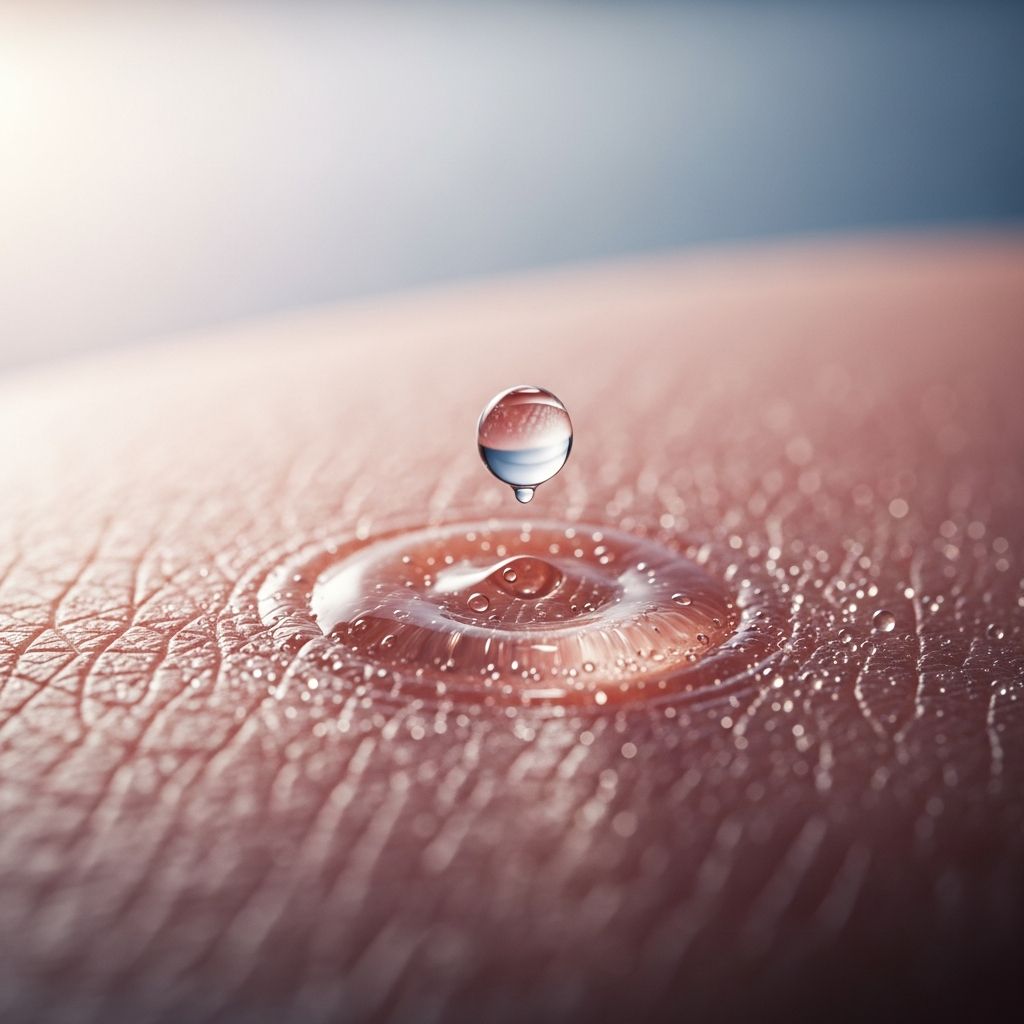
Drinking sufficient water daily plays a supportive role in maintaining skin health, particularly for those with eczema, by promoting hydration from within and aiding the skin’s natural barrier functions.
Understanding Eczema and the Need for Internal Hydration
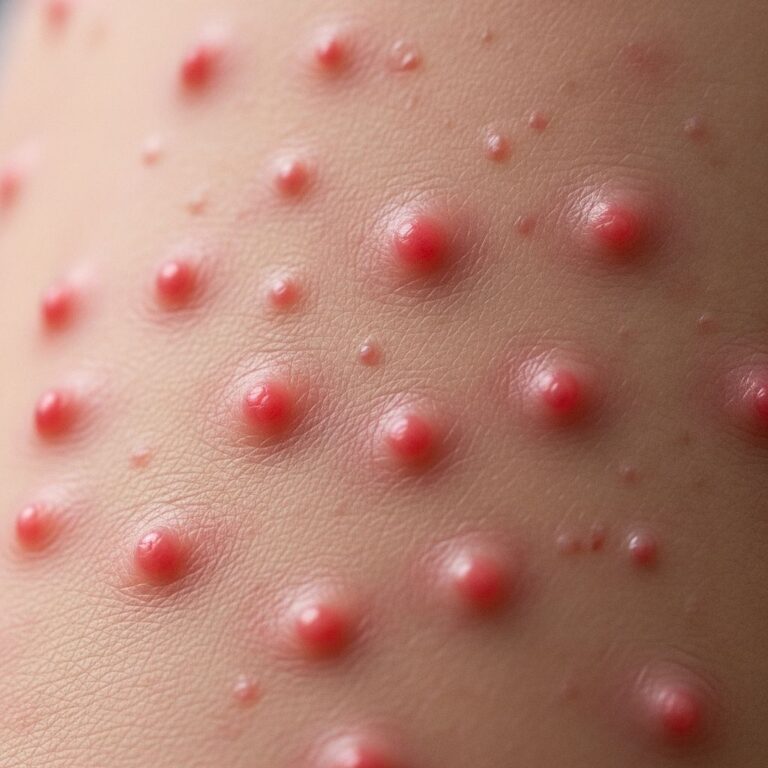
Eczema, also known as atopic dermatitis, is a chronic inflammatory skin condition characterized by dry, itchy, and inflamed patches. The skin barrier in eczema sufferers is often compromised, leading to increased water loss and vulnerability to irritants. While topical treatments are primary, internal hydration through water consumption can help replenish moisture levels systemically.
Research indicates that adequate dietary water intake positively influences skin physiology, especially in individuals with lower baseline consumption. For eczema patients, this can mean reduced transepidermal water loss (TEWL) and improved biomechanical properties like elasticity.
How Water Intake Influences Skin Physiology
Water is fundamental to skin cell function, comprising about 64% of the skin’s composition. When consumed adequately, it travels through the bloodstream to support cellular hydration, particularly in the stratum corneum, the outermost layer that acts as a protective barrier.
- Enhances Skin Hydration: Higher water inputs improve superficial and deep skin hydration, countering the dryness central to eczema.
- Supports Biomechanics: Studies show better skin extensibility and firmness with increased intake, helping skin resist cracking.
- Flushes Toxins: Proper hydration aids in eliminating waste, potentially reducing inflammation triggers for eczema flares.
In a controlled study, participants supplementing their diet with 2 liters of water daily over four weeks exhibited measurable improvements in skin hydration and mechanics, most pronounced in low-water drinkers.
Daily Water Recommendations for Skin Health
General guidelines suggest 2-3 liters of water per day for adults, but eczema patients may benefit from the higher end, especially during flares or dry climates. Factors like body weight, activity level, and climate influence needs.
| Factor | Recommended Intake | Reason for Eczema Patients |
|---|---|---|
| Baseline Adult | 2-2.5 L/day | Maintains hydration baseline |
| Active Lifestyle | 3+ L/day | Compensates sweat loss |
| Hot/Dry Climate | 3-4 L/day | Prevents excessive TEWL |
| Eczema Flare | 2.5-3.5 L/day | Supports barrier repair |
These amounts align with European Food Safety Authority references, emphasizing consistent intake over sporadic high volumes.
Dehydration’s Impact on Eczema-Prone Skin
Insufficient water leads to systemic dehydration, where the body prioritizes vital organs, leaving skin last. This manifests as tightness, dullness, increased itchiness, and exacerbated eczema symptoms like cracking and inflammation.
Dehydrated skin shows higher TEWL, weakening the barrier and allowing allergens to penetrate, triggering flares. One study noted no significant TEWL changes in healthy skin with varied intake, but eczema skin is more sensitive.
Scientific Evidence Linking Water to Skin Improvements
Peer-reviewed research provides objective data. A PMC study stratified participants by water consumption, finding that adding 2L daily improved hydration and biomechanics after 30 days, particularly in low-intake groups.
Another investigation combined water intake with moisturizers, observing trends toward higher stratum corneum hydration (SCH) in high-intake groups, though moisturizers showed stronger effects. Mineral water studies suggest slight benefits over tap for density, but evidence is limited.
Related Stories



Critically, while benefits exist, they are not dramatic for well-hydrated individuals, and severe dehydration must be addressed first.
Practical Strategies to Increase Water Consumption
Meeting hydration goals requires habit-building:
- Start with a glass upon waking to kickstart metabolism.
- Infuse water with cucumber, lemon, or mint for flavor and added antioxidants that support skin repair.
- Set phone reminders every 2 hours.
- Track intake via apps to ensure 8-12 cups daily.
- Opt for room-temperature water to avoid shocking sensitive skin systems.
For eczema, avoid hard water if possible, as it can disrupt the skin’s acid mantle and worsen irritation.
Complementary Habits for Optimal Skin Hydration
Hydration works best alongside other practices:
- Topical Moisturizers: Lock in internal hydration; ceramide-based for barrier repair.
- Humidifiers: Maintain indoor humidity at 40-60% to reduce evaporative loss.
- Dietary Support: Water-rich foods like watermelon (92% water) provide electrolytes.
- Avoid Triggers: Limit caffeine/alcohol, which dehydrate.
Summer heat amplifies needs; increase intake to counter sweat-induced dryness.
Water Quality Considerations for Sensitive Skin
Not all water is equal. Hard water with high minerals can leave residue, clogging pores and irritating eczema skin. Filtered or soft water preserves the skin’s pH balance (around 5.5), reducing flare risks.
Mineral-rich waters may offer trace benefits for collagen support, but evidence is preliminary.
Monitoring Progress and When to Seek Help
Track skin changes over 4 weeks: less itchiness, improved plumpness indicate success. If no improvement, consult a dermatologist—hydration supports but doesn’t replace treatments.
Severe symptoms warrant medical review, as uncontrolled eczema risks infection.
Frequently Asked Questions
Does drinking more water cure eczema?
No, but it supports symptom management by improving hydration and barrier function.
How much water is too much?
Over 4-5L daily without need can dilute electrolytes; balance with food sources.
Can infused waters help more than plain?
Yes, additions like vitamin C sources boost antioxidant protection for skin.
Is bottled water better for eczema?
Soft, filtered options reduce irritants compared to hard tap water.
When do I see results from better hydration?
Typically 2-4 weeks, per biomechanical studies.
Conclusion
Incorporating mindful hydration into eczema care fosters resilient skin. Consistent intake, paired with proven strategies, empowers better daily comfort.
References
- Drinking Water and Positive Effects on Your Skin — Water.com. 2023. https://www.water.com/education/drinking-water-and-positive-effects-on-your-skin/
- Dietary water affects human skin hydration and biomechanics — PMC (PubMed Central). 2015-08-01. https://pmc.ncbi.nlm.nih.gov/articles/PMC4529263/
- The Hydration Connection: How Water Intake Impacts Skin Health — Forefront Dermatology. 2023. https://forefrontdermatology.com/the-hydration-connection-how-water-intake-impacts-skin-health/
- Hydration & Skin Health: How Does Water Affect Our Skin — Just Water. 2024. https://justwater.com/blogs/news/hydration-skin-health-how-does-water-affect-our-skin
- Health Debunked: Does Drinking Water Help Your Skin? — GoodRx. 2024. https://www.goodrx.com/health-topic/dermatology/does-drinking-water-help-your-skin
- Does Drinking Water Really Help Your Skin? — WebMD. 2023. https://www.webmd.com/beauty/features/drink-water-skin
- Effect of Amount of Daily Water Intake and Use of Moisturizer on … — PMC (PubMed Central). 2024. https://pmc.ncbi.nlm.nih.gov/articles/PMC11148315/
Similar Articles








Read full bio of Sneha Tete