Hydrocele: Causes, Symptoms, Diagnosis & Treatment
Understanding hydrocele: fluid buildup in the scrotum, symptoms, diagnosis methods, and effective treatment options.
What Is a Hydrocele?
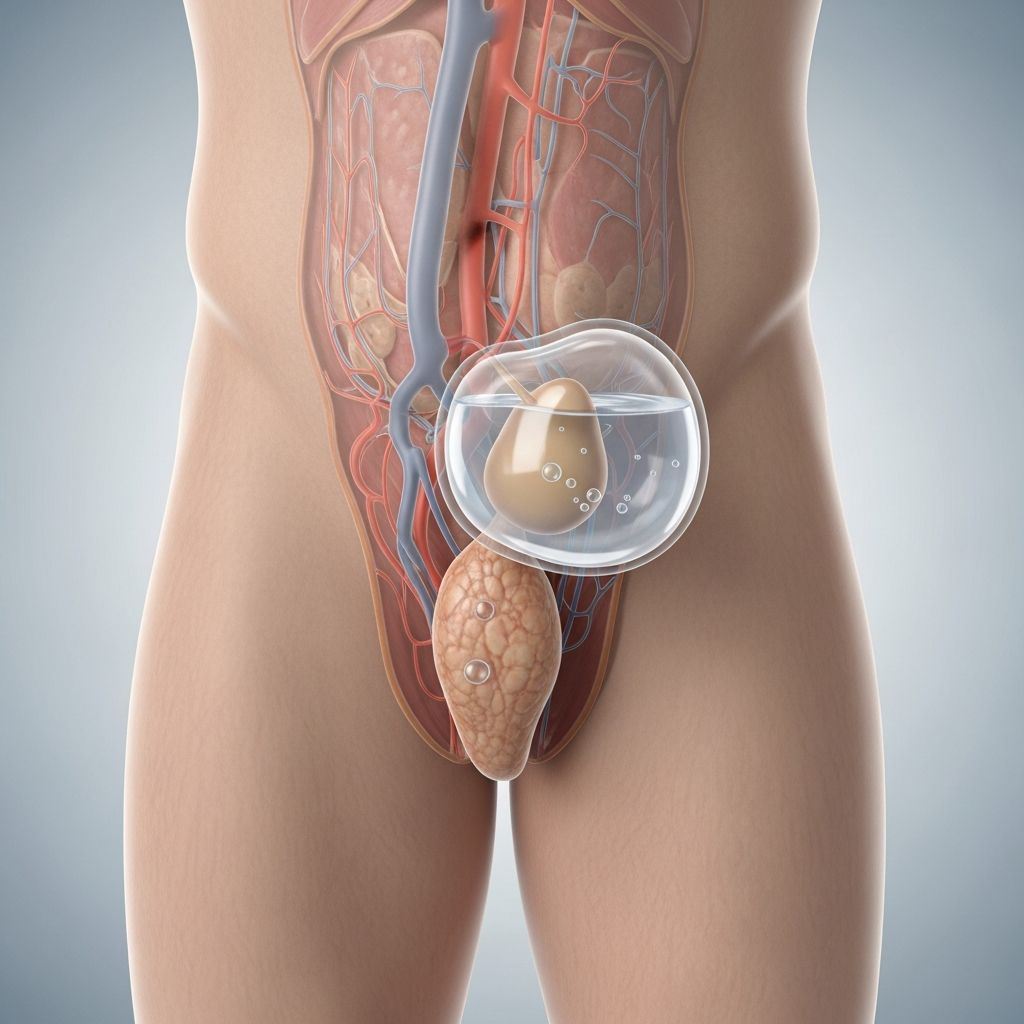
A hydrocele is a medical condition in which an abnormal collection of fluid accumulates within the tunica vaginalis, a thin membrane surrounding the testicle. This fluid buildup causes noticeable swelling in the scrotum, the external pouch of skin that holds the testicles. The condition is characterized by a painless enlargement of the scrotum, though some individuals may experience discomfort or a feeling of heaviness in the affected area.
Hydrocele is one of the most common causes of scrotal swelling in males. While the condition itself is typically not dangerous, it can cause significant concern due to the visible enlargement of the scrotum. The swelling may be mild or pronounced, depending on the amount of fluid that has accumulated. Understanding this condition is essential for recognizing symptoms early and seeking appropriate medical evaluation.
How Common Is Hydrocele?
Hydrocele represents a significant portion of urological presentations, particularly in newborn boys and adult men. The condition affects approximately 1% of adult males, making it a relatively common urological issue. However, the prevalence is considerably higher in newborn boys, affecting nearly 10% of male infants at birth. This higher incidence in newborns is due to incomplete closure of a membrane during fetal development, which typically resolves on its own within the first year of life.
The prevalence of hydrocele increases with age, and it can develop at any point during a man’s lifetime. Certain risk factors and underlying conditions can increase the likelihood of developing a hydrocele, making it important for men to be aware of potential causes and seek medical attention if they notice scrotal swelling.
Causes of Hydrocele
Hydroceles can develop through different mechanisms depending on the age of the individual affected. Understanding the underlying causes is crucial for determining the appropriate treatment approach.
Hydrocele in Infants
In newborn boys, hydrocele occurs due to the incomplete closure of the processus vaginalis, a thin membrane that normally closes during fetal development. This membrane creates a channel between the abdominal cavity and the scrotum. When this closure doesn’t happen completely, abdominal fluid can flow into the scrotal area, causing fluid accumulation. In most cases, this membrane closes naturally within the first 12 to 18 months of life, and the hydrocele resolves without intervention.
Hydrocele in Older Children, Teenagers, and Adults
In older children, teenagers, and adults, hydroceles develop through different mechanisms. The primary causes include injury to or inflammatory infection of the scrotum. Trauma to the groin area can trigger fluid accumulation, as can various infections or inflammatory conditions affecting the scrotal region. Additionally, certain medical conditions and surgical procedures can lead to hydrocele development in this population.
Unlike the congenital hydroceles seen in infants, acquired hydroceles in older individuals typically require medical evaluation to determine the underlying cause and appropriate treatment strategy. Some hydroceles in this age group may persist and require surgical intervention if they become symptomatic or cause significant discomfort.
Related Stories



Symptoms of Hydrocele
The primary symptom of hydrocele is swelling in the scrotum, which can range from mild to severe. The main manifestations include:
- Visible enlargement or bulging of the scrotum
- A sensation of heaviness or fullness in the scrotal area
- Discomfort or mild pain, particularly when sitting or walking
- Embarrassment or self-consciousness regarding the visible swelling
It’s important to note that hydrocele typically does not cause severe pain. However, if a hydrocele becomes very large, it may cause discomfort due to the weight and pressure of the accumulated fluid. In most cases, individuals with hydrocele remain asymptomatic from a pain perspective but are troubled by the visible enlargement.
Some individuals may not notice any symptoms at all, discovering the condition only during a routine physical examination or when seeking medical attention for other reasons. The absence of symptoms doesn’t necessarily mean treatment isn’t needed, especially if the swelling is causing functional difficulties or psychological distress.
Diagnosis of Hydrocele
A healthcare provider can diagnose hydrocele through a combination of clinical examination and, when necessary, diagnostic imaging. The diagnostic process is typically straightforward and non-invasive.
Physical Examination
During the physical examination, the healthcare provider will ask detailed questions about your symptoms and medical history. The provider will perform specific maneuvers to assess the hydrocele:
- Apply gentle pressure to the groin area to assess fluid accumulation
- Ask you to cough to observe changes in the swelling
- Shine a specialized light through the scrotum (transillumination) to highlight any abdominal fluid in the area
Transillumination is a particularly useful diagnostic tool for hydrocele. When light is shined through the scrotum, the accumulated fluid allows light to pass through, creating a characteristic glow. This finding is highly suggestive of hydrocele and helps distinguish it from other causes of scrotal swelling.
Ultrasound Examination
While most hydroceles can be diagnosed through physical examination alone, ultrasound imaging may be recommended in certain situations. Ultrasound provides detailed visualization of the scrotal contents and can confirm the diagnosis, measure the amount of fluid present, and rule out other conditions such as testicular tumors or other abnormalities that might cause similar symptoms.
Ultrasound is particularly useful when the clinical diagnosis is unclear or when the healthcare provider wants to assess for underlying conditions that may have caused the hydrocele. This imaging modality is non-invasive, safe, and provides excellent visualization of the scrotal structures.
When Should Treatment Be Considered?
Not all hydroceles require treatment. A healthcare provider typically monitors a hydrocele without intervention unless specific circumstances warrant surgical repair. Treatment becomes necessary when:
- The hydrocele causes pain or significant discomfort
- The swelling makes walking or performing daily activities difficult
- The visible enlargement causes embarrassment or psychological distress
- The hydrocele is associated with an underlying condition requiring intervention
- In infants, the hydrocele persists beyond 12 to 18 months of age
Many hydroceles, particularly those present at birth, resolve spontaneously without any intervention. Therefore, healthcare providers often recommend a watchful waiting approach initially, especially in asymptomatic cases. However, if the hydrocele causes functional or psychological problems, or if it doesn’t resolve within the expected timeframe, surgical treatment may be recommended.
Treatment Options for Hydrocele
Treatment approaches for hydrocele vary depending on the severity of symptoms, the underlying cause, and individual patient factors. Both conservative and surgical options are available.
Conservative Management
For asymptomatic or mildly symptomatic hydroceles, conservative management is often recommended. This approach involves regular monitoring by a healthcare provider to ensure the condition doesn’t worsen. Patients are typically advised to wear supportive underwear to help manage any discomfort associated with the swelling. Most hydroceles in infants resolve naturally without intervention during the first 12 to 18 months of life.
Surgical Treatment: Hydrocelectomy
When hydrocele requires intervention, surgical repair through hydrocelectomy is the most effective long-term solution. A hydrocelectomy is a surgical procedure designed to remove or repair the hydrocele by draining the accumulated fluid and repairing or closing the affected membrane.
Surgical Approach
The standard surgical technique involves making a small incision in the scrotum to access the affected area. The accumulated fluid is then drained using suction, and the sac is either repaired or the membrane is closed to prevent fluid reaccumulation. The procedure typically takes less than an hour to complete.
Minimally invasive approaches using laparoscopy may also be employed in certain cases. These techniques involve smaller incisions and allow surgeons to visualize the internal structures using specialized cameras and instruments, potentially reducing recovery time and post-operative discomfort.
Surgical Considerations for Infants
In infants, hydrocelectomy focuses on closing the processus vaginalis, the thin membrane that failed to close properly during fetal development. The surgeon makes a small incision in the groin area and carefully closes this membrane to prevent fluid from flowing between the abdomen and scrotum. This procedure is typically recommended only if the hydrocele persists beyond 12 to 18 months of age.
Risks and Complications of Hydrocelectomy
While hydrocelectomy is generally a safe procedure, like all surgical interventions, it carries certain risks and potential complications. Understanding these risks helps patients make informed decisions about treatment.
- Infection at the surgical site
- Bruising and swelling in the scrotal area
- Healing complications
- Recurrence of hydrocele (though this is relatively rare)
- Temporary discomfort or soreness after surgery
- Reaction to anesthesia
The recurrence rate for hydrocele after surgical repair is generally low when performed by experienced urologists, typically less than 2% with modern surgical techniques. Most complications are minor and resolve with appropriate post-operative care and follow-up.
Recovery After Hydrocelectomy
Recovery from hydrocelectomy is generally straightforward, with most patients returning to normal activities relatively quickly. Full recovery typically takes at least two or more weeks, though many patients experience significant improvement within the first few days.
Immediately following surgery, patients are taken to a recovery area for observation and pain management. Most hydrocelectomy procedures are performed on an outpatient basis, allowing patients to go home the same day. A responsible adult should be available to drive the patient home following the procedure.
During the initial recovery period, patients should follow their healthcare provider’s instructions carefully, including activity restrictions, wound care, and medication management. Gradual return to normal activities, with clearance from the healthcare provider, helps ensure proper healing and minimizes the risk of complications.
Frequently Asked Questions
Q: Can hydrocele go away on its own?
A: In infants, hydroceles often resolve spontaneously within the first 12 to 18 months of life as the processus vaginalis closes naturally. In older children and adults, hydroceles typically persist and may require surgical intervention if they cause symptoms or functional problems.
Q: Does hydrocele affect fertility or sexual function?
A: Hydrocele itself typically does not affect fertility or sexual function. However, if the underlying cause involves infection or inflammation, it may potentially impact fertility. Any concerns about fertility should be discussed with a healthcare provider.
Q: How long does hydrocelectomy surgery take?
A: The procedure usually takes less than an hour to complete. Most patients can return home the same day as the surgery.
Q: Is hydrocele surgery painful?
A: The surgery itself is not painful due to anesthesia. After surgery, patients may experience mild discomfort or soreness that can be managed with pain medications prescribed by their healthcare provider.
Q: What activities should I avoid after hydrocelectomy?
A: Patients should avoid strenuous activities, heavy lifting, intense exercise, and sexual activity for a period recommended by their healthcare provider, typically one to two weeks following surgery.
Q: Can hydrocele come back after surgery?
A: While recurrence is possible, it is relatively rare with modern surgical techniques. The recurrence rate is typically less than 2% when the procedure is performed by an experienced urologist.
Q: Is hydrocele a serious condition?
A: Hydrocele is not typically a serious or life-threatening condition. However, it can cause discomfort and concern due to visible swelling. Any scrotal swelling should be evaluated by a healthcare provider to rule out other more serious conditions.
Q: How is hydrocele diagnosed?
A: Hydrocele is primarily diagnosed through physical examination, including transillumination of the scrotum. Ultrasound imaging may be recommended to confirm the diagnosis and rule out other conditions.
References
- Hydrocele: Causes, Symptoms, Diagnosis & Treatment — Cleveland Clinic. 2024. https://my.clevelandclinic.org/health/diseases/16294-hydrocele
- Hydrocele – Diagnosis and Treatment — Mayo Clinic. 2024. https://www.mayoclinic.org/diseases-conditions/hydrocele/diagnosis-treatment/drc-20363971
- Hydrocelectomy: Purpose, Procedure, Risks & Recovery — Cleveland Clinic. 2024. https://my.clevelandclinic.org/health/procedures/16232-hydrocelectomy
- Communicating Hydrocele: Causes, Symptoms & Treatment — Cleveland Clinic. 2024. https://my.clevelandclinic.org/health/diseases/16303-communicating-hydrocele
- Hydrocele – Symptoms, Diagnosis and Treatment — BMJ Best Practice. 2024. https://bestpractice.bmj.com/topics/en-us/1104
Similar Articles








Read full bio of Sneha Tete