Hydrocelectomy: Purpose, Procedure, Risks & Recovery
Complete guide to hydrocelectomy surgery: understanding the procedure, risks, and recovery process.
Understanding Hydrocelectomy: A Complete Guide
A hydrocelectomy is a surgical procedure designed to remove or repair a hydrocele, which is a fluid-filled sac that surrounds your testicle. This common urological procedure typically takes less than an hour to complete and offers significant relief from the discomfort and swelling associated with hydroceles. While all surgical procedures carry some degree of risk, hydrocelectomies have a high success rate and excellent long-term outcomes for patients seeking a permanent solution to this condition.
It’s completely normal to feel worried, anxious, or even afraid about any type of surgery, especially one involving sensitive body parts. Healthcare providers understand these feelings and are committed to explaining the procedure thoroughly, including expected outcomes and the recovery process, to help you feel more confident and prepared.
What Is a Hydrocele?
A hydrocele is a buildup of fluid around a testicle that causes swelling in the scrotum. This condition is remarkably common, particularly in newborns, with approximately 10% of all newborn males having a hydrocele at birth. In adults, hydroceles occur in about 1% of men, typically developing after age 40. While many hydroceles resolve on their own without treatment, others persist and may require surgical intervention.
When Is a Hydrocelectomy Necessary?
In infants, a hydrocele typically occurs due to the incomplete closure of a membrane between the scrotum and the lining of the abdominal cavity, known as the processus vaginalis. When this membrane doesn’t close properly, fluid can accumulate around the testicle. In infants, a hydrocelectomy focuses specifically on closing this thin membrane to prevent fluid from continuing to accumulate.
In older children, teens, and adults, hydroceles can develop from various causes, and a healthcare provider can often monitor the condition without immediate treatment. However, a hydrocelectomy becomes necessary when:
- The hydrocele swelling causes pain or discomfort
- The condition makes walking or normal physical activity difficult
- The swelling is embarrassing or affects quality of life
- The hydrocele appears after 12 months of age in children
If a hydrocele appears after 12 months of age, a hydrocelectomy is usually necessary to prevent complications and provide lasting relief. Many hydroceles that develop in older children or adults do so following an injury or infection, making surgical repair the most effective long-term solution.
The Hydrocelectomy Procedure
Pre-Surgery Preparation
Before your hydrocelectomy, it’s essential to follow specific pre-operative instructions to ensure the best possible outcome. To reduce your risk of infection, thoroughly wash your scrotum and groin with soap and clean water the day before surgery and again on the morning of your procedure. This simple but important step significantly reduces the risk of post-operative complications.
The Surgical Team
A hydrocelectomy team generally consists of multiple healthcare professionals working together to ensure your safety and comfort. An anesthesiologist will be responsible for placing you under general anesthesia to make you comfortable throughout the procedure. You’ll be asleep during the entire surgery and won’t feel any pain. Before the surgery begins, intravenous lines will be placed in your arm to provide fluids and any medications required during the procedure. You’ll also have a tube inserted in your throat to regulate your breathing during general anesthesia.
Related Stories



The Surgical Process
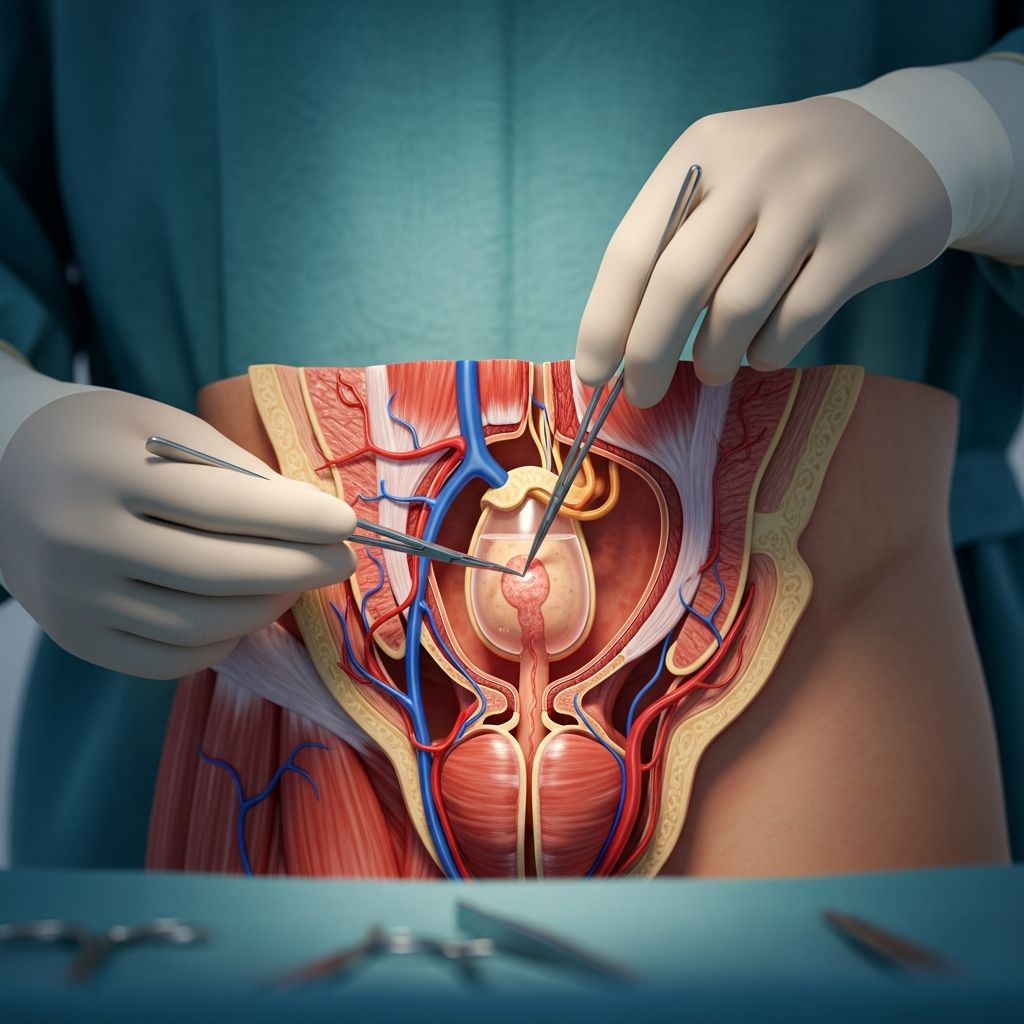
In most cases, a hydrocelectomy takes less than an hour to complete. Once you’re under anesthesia, the urologist will make a small incision in the scrotum. The surgeon then uses suction to drain the hydrocele fluid carefully. The sac is then repaired or sealed to prevent fluid from reaccumulating. The procedure can also be performed as a minimally invasive procedure using a laparoscope, a thin tube with a tiny camera at the end that allows the surgeon to see the inside of the scrotum on an external video monitor. Small instruments can be inserted through keyhole incisions to perform the repair with minimal tissue trauma.
After the hydrocelectomy is complete, a healthcare provider will cover your stitches with bandages, and the anesthesiologist will stop administering anesthesia. The entire process is designed to be as efficient and minimally invasive as possible while ensuring complete resolution of the hydrocele.
Recovery After Hydrocelectomy
Immediate Post-Surgery
After your hydrocelectomy is complete, you’ll be moved to a recovery room where healthcare providers will wait for you to wake up, manage your pain, and monitor your overall health. In most cases, a hydrocelectomy is an outpatient procedure, meaning you can go home the same day as the surgery. Your doctor may install a small tube in your scrotum to allow fluids to drain properly during the healing process.
You’ll need someone to drive you home, as you won’t be able to operate a vehicle safely after general anesthesia. If you had general anesthesia, you may feel sedated and nauseated initially, and your throat may be sore from the breathing tube. These effects typically subside within a few hours.
Recovery Timeline
Full recovery from a hydrocelectomy may take two or more weeks, depending on the surgical technique used and individual healing factors. Most patients experience mild discomfort and swelling during the first few days following surgery. Over-the-counter pain medications, as prescribed by your healthcare provider, can effectively manage post-operative discomfort. Wearing supportive athletic underwear during recovery helps minimize swelling and provides comfort.
Activity Restrictions
During your recovery period, you should avoid strenuous physical activity, heavy lifting, and intense exercise for at least one to two weeks. Sexual activity should be postponed for a similar period to allow proper healing. Light walking and normal daily activities can typically be resumed within a few days, as tolerated. Your healthcare provider will give you specific guidelines based on your individual recovery progress.
Advantages of Hydrocelectomy
Hydrocelectomies offer numerous advantages for patients seeking relief from hydroceles:
- High success rate with lasting, long-term relief
- Relatively quick outpatient procedure with same-day discharge
- Minimal pain and discomfort during recovery
- Fast return to normal daily activities
- Permanent solution to hydrocele problems
- Improved comfort and quality of life
- Resolution of swelling and associated symptoms
Surgery is the most long-lasting repair option, with a much lower hydrocele recurrence rate compared to other treatment methods. This makes hydrocelectomy the gold standard treatment for hydroceles that cause symptoms or complications.
Risks and Complications
While hydrocelectomy is a relatively safe procedure, all surgeries carry some degree of risk. It’s important to understand potential complications before undergoing the procedure. Possible risks include:
- Anesthesia risks: Complications related to general anesthesia administration
- Infection: Bacterial infection at the incision site, though rare with proper post-operative care
- Bruising and swelling: Normal post-operative swelling and bruising typically resolve within weeks
- Healing issues: Delayed wound healing in some patients
- Recurrence: In rare cases, the hydrocele may return even after successful surgery
- Nerve damage: Potential damage to nerves in the surgical area
- Bleeding or hematoma: Excessive bleeding or blood collection at the surgical site
Serious complications are uncommon, especially when patients follow post-operative instructions carefully and maintain good hygiene during the healing process. To minimize your risk of infection, continue to wash your scrotum and groin gently with soap and clean water throughout your recovery period.
Success Rate and Long-Term Outlook
Hydrocelectomies have a high success rate, with over 95% of procedures resulting in full, complication-free recovery, particularly when performed using modern laser or minimally invasive methods. The long-term outlook is very good, with most patients experiencing permanent relief from hydrocele symptoms. This strong success rate reflects why healthcare providers often recommend early correction of symptomatic hydroceles—because surgery offers both immediate comfort and long-term relief with minimal risk.
Frequently Asked Questions
Q: How long does hydrocelectomy surgery take?
A: In most cases, a hydrocelectomy takes less than an hour to complete. The procedure is typically performed as an outpatient surgery, allowing you to return home the same day.
Q: Will I need to stay overnight in the hospital?
A: No, hydrocelectomy is usually performed as an outpatient procedure. Once providers determine that you no longer require monitoring, they’ll discharge you to go home the same day as surgery. However, you’ll need someone to drive you home.
Q: How long is the recovery period?
A: Full recovery typically takes two or more weeks. Most patients can resume light activities within a few days and return to normal activities within one to two weeks, depending on the surgical technique used and individual healing.
Q: What type of anesthesia is used?
A: Hydrocelectomy typically requires general anesthesia, which means you’ll be completely unconscious for the surgery. An anesthesiologist will monitor your vital signs throughout the procedure.
Q: Can a hydrocele come back after surgery?
A: While rare, it is possible for a hydrocele to recur even after successful surgery. However, surgical treatment has a much lower recurrence rate compared to non-surgical options, making it the most reliable long-term solution.
Q: What should I do to prepare for surgery?
A: Thoroughly wash your scrotum and groin with soap and clean water the day before and the morning of your hydrocelectomy. Follow all pre-operative instructions provided by your healthcare team, and arrange for someone to drive you home after surgery.
Q: When can I return to normal activities?
A: Light walking and normal daily activities can typically be resumed within a few days. Strenuous physical activity, heavy lifting, and sexual activity should be postponed for at least one to two weeks to allow proper healing.
Q: Is hydrocelectomy a permanent solution?
A: Yes, hydrocelectomy is considered the gold standard technique for treating hydroceles and provides a permanent, long-lasting solution. Surgery offers the most reliable outcome with excellent success rates exceeding 95%.
References
- Hydrocelectomy: Purpose, Procedure, Risks & Recovery — Cleveland Clinic. 2024. https://my.clevelandclinic.org/health/procedures/16232-hydrocelectomy
- Hydrocele: Causes, Symptoms, Diagnosis & Treatment — Cleveland Clinic. 2024. https://my.clevelandclinic.org/health/diseases/16294-hydrocele
- Communicating Hydrocele: Causes, Symptoms & Treatment — Cleveland Clinic. 2024. https://my.clevelandclinic.org/health/diseases/16303-communicating-hydrocele
- Hydrocelectomy: Recovery, Complications, Procedure, and More — Healthline. 2024. https://www.healthline.com/health/hydrocelectomy
- A Minimally Invasive Treatment for Hydroceles and Spermatoceles — PubMed Central. 2022. https://pubmed.ncbi.nlm.nih.gov/34968574/
Similar Articles








Read full bio of Sneha Tete