Hydrocephalus: Causes, Symptoms, Diagnosis & Treatment
Comprehensive guide to understanding hydrocephalus, its symptoms, diagnosis methods, and treatment options for better patient outcomes.
Understanding Hydrocephalus: A Complete Medical Guide
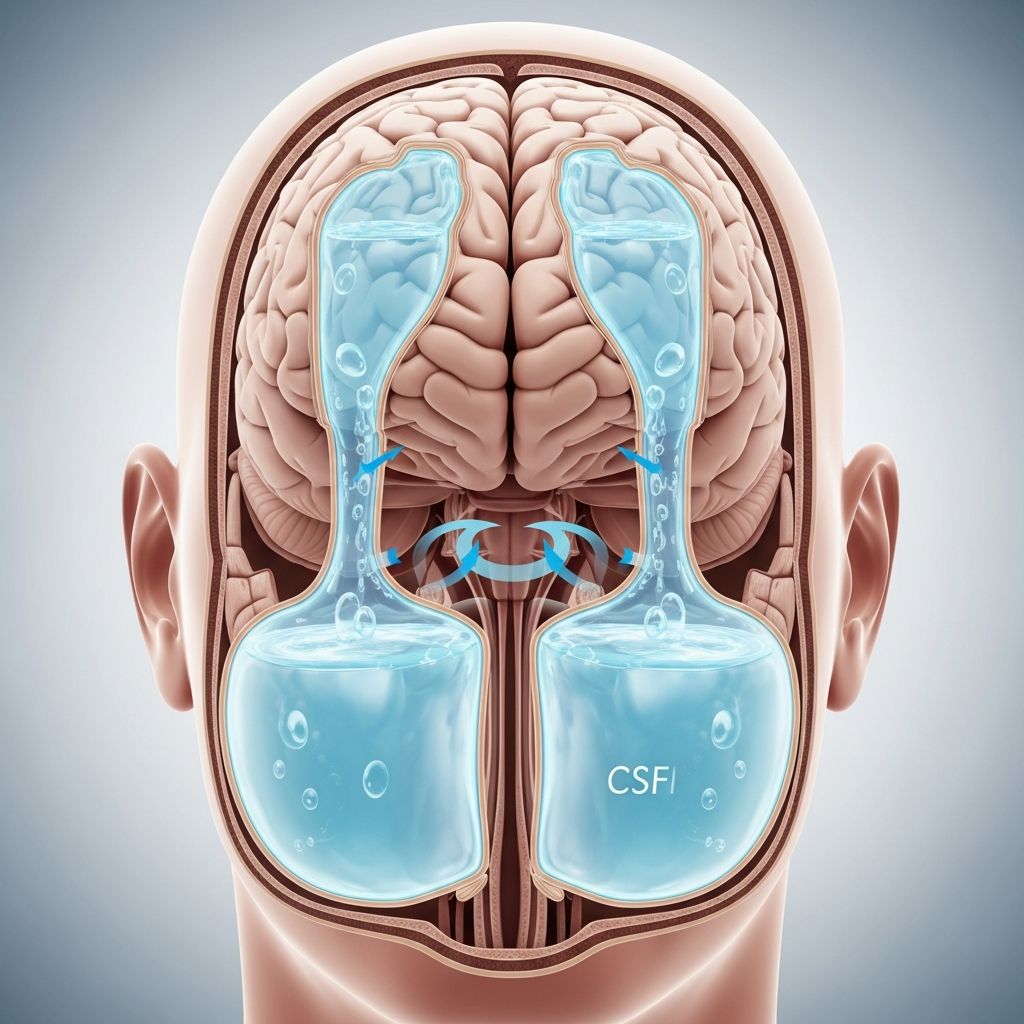
Hydrocephalus is a chronic neurological condition characterized by an abnormal accumulation of cerebrospinal fluid (CSF) within the brain’s ventricles. This condition develops when there is an imbalance between the production and absorption of cerebrospinal fluid, leading to increased intracranial pressure and potential damage to brain tissue. Understanding hydrocephalus is essential for patients, families, and caregivers to recognize symptoms early and seek appropriate medical intervention.
What is Hydrocephalus?
Hydrocephalus occurs when cerebrospinal fluid—a clear fluid that surrounds and protects the brain and spinal cord—accumulates abnormally within the ventricles of the brain. The ventricles are four connected cavities within the brain that produce and circulate cerebrospinal fluid. This fluid serves multiple critical functions, including cushioning the brain against injury, removing metabolic waste products, and maintaining proper intracranial pressure.
When the balance between CSF production and absorption becomes disrupted, fluid builds up within the ventricles. This accumulation increases intracranial pressure, which can compress brain tissue and lead to various neurological symptoms. The severity and progression of hydrocephalus depend on how quickly fluid accumulates and the underlying cause of the condition.
Types of Hydrocephalus
Hydrocephalus is classified into two main types based on the location of the cerebrospinal fluid obstruction:
Communicating Hydrocephalus
Communicating hydrocephalus occurs when cerebrospinal fluid flow is blocked after it exits the ventricles. In this type, the fluid can circulate between the ventricles but cannot be properly absorbed in the subarachnoid space surrounding the brain and spinal cord. This typically results from impaired absorption of CSF rather than an anatomical blockage within the ventricular system.
Non-Communicating Hydrocephalus
Non-communicating hydrocephalus, also known as obstructive hydrocephalus, occurs when cerebrospinal fluid flow is blocked within or along the narrow passages connecting the brain’s ventricles. This blockage prevents fluid from freely circulating between different ventricular chambers, causing fluid accumulation upstream of the obstruction.
Causes of Hydrocephalus
Hydrocephalus can develop at any age and may result from various underlying conditions. The causes differ significantly between congenital and acquired hydrocephalus:
Congenital Causes
Congenital hydrocephalus develops before birth or shortly after due to structural brain abnormalities. Neural tube defects, spinal bifida, Chiari malformation, and aqueductal stenosis represent common congenital causes. Additionally, intrauterine infections, genetic disorders, and developmental abnormalities can predispose infants to hydrocephalus.
Acquired Causes
Acquired hydrocephalus develops later in life following specific medical events or conditions. Traumatic brain injury can damage brain tissue and disrupt normal cerebrospinal fluid circulation. Stroke, intracranial bleeding, and meningitis represent significant causes of acquired hydrocephalus. Brain tumors, whether primary or metastatic, can obstruct fluid flow or impair CSF absorption. Surgical removal of brain tumors may also lead to hydrocephalus development. Subarachnoid hemorrhage, head trauma complications, and post-surgical adhesions further contribute to acquired hydrocephalus cases.
Symptoms and Signs
Hydrocephalus symptoms vary depending on age, disease progression, and individual tolerance to increased intracranial pressure. Early recognition of these signs enables prompt medical evaluation and intervention.
Related Stories



Symptoms in Infants
Infants with hydrocephalus may display a bulging or tense fontanelle (soft spot on the head), unusual head growth, and a high-pitched cry. Poor feeding, sleepiness, and developmental delays may also occur. Parents should monitor for separation of skull sutures and excessive head circumference growth.
Symptoms in Children and Adults
Children and adults often experience headaches, particularly upon waking, which may be accompanied by nausea or vomiting. Balance problems, coordination difficulties, and gait disturbances frequently develop. Vision changes, including blurred vision or difficulty with eye movement, represent important warning signs. Cognitive changes, such as difficulty concentrating, memory problems, and personality changes, may develop gradually. In some cases, incontinence and progressive developmental delays occur.
Symptoms in Normal Pressure Hydrocephalus
Normal pressure hydrocephalus (NPH) presents a unique clinical picture, particularly affecting elderly individuals. The classic triad includes gait disturbance (often described as a “magnetic” or shuffling gait), cognitive decline, and urinary incontinence. These symptoms often mimic other conditions like Alzheimer’s disease or Parkinson’s disease, leading to frequent misdiagnosis. Memory problems, slowed thinking, and personality changes may precede the characteristic gait abnormality.
Diagnosis and Evaluation
Accurate diagnosis of hydrocephalus requires careful clinical evaluation combined with neuroimaging studies. A thorough medical history and physical examination form the foundation of the diagnostic process.
Imaging Studies
Computed tomography (CT) scans provide rapid assessment of ventricular size and can identify acute complications. Magnetic resonance imaging (MRI) offers superior soft tissue detail and helps identify the underlying cause of hydrocephalus. Ultrasound may be used in infants before fontanelle closure. These imaging studies reveal enlarged ventricles and signs of increased intracranial pressure.
Specialized Diagnostic Tools
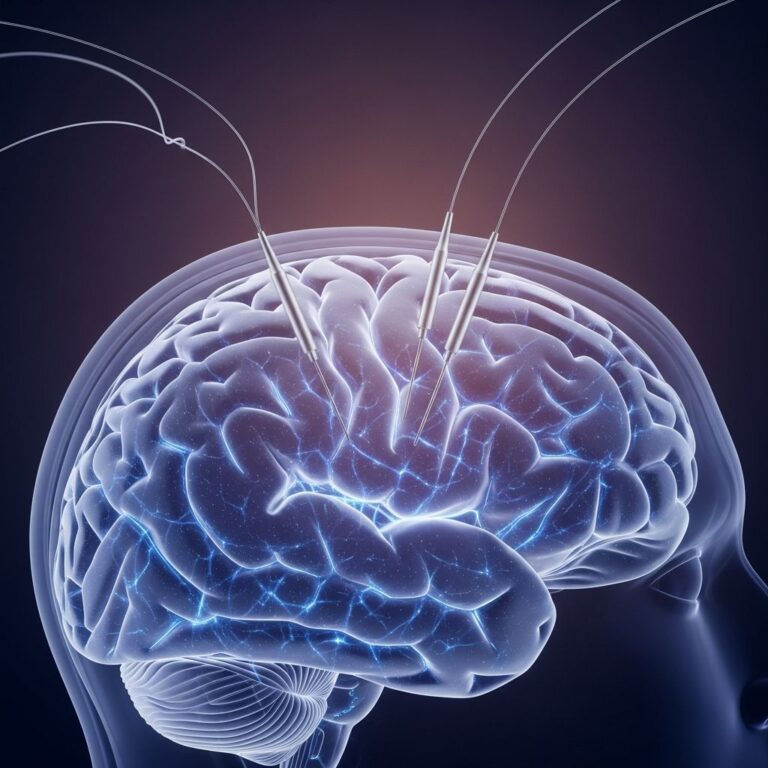
Intracranial pressure (ICP) monitoring may be utilized to measure pressure within the skull. External ventricular drains (EVDs) serve dual purposes as both diagnostic and therapeutic devices, allowing physicians to assess CSF characteristics and monitor pressure trends. Shuntograms, or shunt patency studies, evaluate whether existing shunt systems function properly by tracking fluid flow through the shunt catheter. Continuous lumbar cerebrospinal fluid drainage represents a diagnostic procedure particularly valuable for normal pressure hydrocephalus, helping predict potential response to shunt surgery.
Laboratory Assessment
Analysis of cerebrospinal fluid obtained during diagnostic procedures may reveal infection, bleeding, or other abnormalities. Opening pressure measurement during lumbar puncture helps assess intracranial pressure indirectly.
Treatment Options
Treatment strategies for hydrocephalus depend on the underlying cause, severity, and individual patient factors. Approaches range from conservative management to surgical interventions.
Surgical Management: Shunt Systems
Shunt systems represent the most common treatment for hydrocephalus. A shunt consists of two catheters connected by a one-way valve system that diverts excess cerebrospinal fluid to another body cavity where it can be absorbed. Several shunt types exist:
Ventriculoperitoneal (VP) Shunts: The most frequently used shunt type, VP shunts drain fluid from the brain’s ventricles into the peritoneal cavity (abdomen). This location offers excellent absorption capacity and accessibility for adjustments or revisions.
Ventriculoatrial (VA) Shunts: These shunts direct cerebrospinal fluid into the right atrium of the heart. VA shunts are typically reserved for patients who cannot tolerate VP shunts or have abdominal complications.
Ventriculopleural (VPL) Shunts: Fluid is diverted into the pleural space surrounding the lungs. This option may be considered in specific clinical situations.
Lumboperitoneal (LP) Shunts: These shunts drain fluid from the lumbar spine into the peritoneal cavity. They may be used in selected cases where ventricular access presents challenges.
Alternative Procedures
Endoscopic third ventriculostomy (ETV) creates a direct communication between the third ventricle and the subarachnoid space, allowing cerebrospinal fluid to bypass obstructions. This procedure works best for non-communicating hydrocephalus with specific anatomical configurations. Choroid plexus ablation reduces cerebrospinal fluid production and may be combined with ETV in certain cases.
Management of Complications
Shunt complications require prompt recognition and treatment. Shunt infections necessitate antibiotics and often shunt revision surgery. Shunt malfunction—including obstruction, disconnection, or valve failure—requires urgent evaluation and surgical correction. Overdraining occurs when excessive fluid is withdrawn, causing subdural hematoma or slit ventricles. Underdraining results in persistent hydrocephalus symptoms. Modern adjustable shunts allow non-invasive pressure regulation adjustments.
Living with Hydrocephalus
Individuals with hydrocephalus benefit from comprehensive management strategies that extend beyond surgical treatment. Developing personalized emergency plans documenting specific symptoms, medical contacts, and action steps ensures rapid response to potential complications. Regular follow-up appointments with neurosurgeons and neurologists enable early detection of shunt problems or disease progression.
Many individuals with hydrocephalus experience headaches and chronic pain requiring specialized management approaches. Tracking symptoms using validated tools helps healthcare providers optimize treatment. Maintaining adequate hydration, prioritizing sleep, and managing stress contribute to overall well-being. Exercise and physical activity, when adapted to individual tolerance, support cardiovascular health and mood management.
Effective self-advocacy empowers patients to communicate their needs to healthcare providers, employers, and educational institutions. Explaining hydrocephalus to teachers, friends, and colleagues helps others understand accommodation needs and recognize warning signs. Building a supportive network of healthcare professionals, family, and community resources enhances quality of life and treatment outcomes.
Research and Future Directions
The Johns Hopkins Hydrocephalus and Cerebral Fluid Center continues over a century of groundbreaking research into cerebrospinal fluid disorders. Current research focuses on understanding normal CSF flow dynamics and identifying what goes wrong in hydrocephalus. Experimental studies using tracers track fluid movement under normal and abnormal conditions, informing the design of improved shunt systems and drainage approaches.
Advances in diagnostic technology include novel ultrasound techniques that use burr holes created during surgery as windows to visualize the brain non-invasively during outpatient clinic visits. Researchers are investigating biomarkers in cerebrospinal fluid that might differentiate patients likely to benefit from treatment from those with less favorable prognoses. Understanding these distinctions could optimize patient selection for surgery and predict long-term outcomes.
Ongoing clinical trials examine the efficacy of existing treatments and test innovative approaches. Research into shunt occlusion causes drives development of improved catheter designs offering greater reliability. Enhanced diagnostic protocols aim to reduce misdiagnosis of normal pressure hydrocephalus, particularly in elderly populations where symptoms mimic dementia or movement disorders.
Frequently Asked Questions
Q: Can hydrocephalus be cured?
A: While hydrocephalus cannot be completely cured, it can be effectively managed through surgical intervention, particularly shunt placement. Treatment aims to restore normal cerebrospinal fluid circulation and prevent symptoms. Success depends on treating the underlying cause when possible.
Q: Is hydrocephalus life-threatening?
A: Untreated hydrocephalus can be life-threatening as increased intracranial pressure damages brain tissue. However, with appropriate medical management and treatment, individuals with hydrocephalus can lead productive lives with good quality outcomes.
Q: How often do shunt complications occur?
A: Shunt complications are relatively common, with approximately 40% of patients experiencing complications within the first two years. However, modern shunt designs and improved surgical techniques have reduced complication rates. Regular monitoring enables early detection and prompt intervention.
Q: Can adults develop hydrocephalus?
A: Yes, adults can develop hydrocephalus through acquired causes including trauma, stroke, tumor, infection, or bleeding. Normal pressure hydrocephalus particularly affects elderly individuals and often goes undiagnosed due to symptom overlap with other conditions.
Q: What should I do if I suspect shunt malfunction?
A: Seek immediate medical attention if experiencing sudden headaches, vomiting, vision changes, fever, or behavior changes. These symptoms suggest possible shunt malfunction requiring urgent evaluation. Contact your neurosurgeon or visit an emergency department without delay.
Q: Are there any activity restrictions with hydrocephalus?
A: Most individuals with hydrocephalus can participate in regular activities and exercise. Discuss specific activities with your healthcare provider to ensure safety. Contact sports and activities with high injury risk may require modifications or protective equipment.
References
- Overview of the Johns Hopkins Hydrocephalus and Cerebral Fluid Center — Johns Hopkins Medicine. 2024. https://www.hopkinsmedicine.org/neurology_neurosurgery/centers_clinics/cerebral-fluid/
- Clinical Features and Diagnosis of Normal Pressure Hydrocephalus — Johns Hopkins University. 2023. https://pure.johnshopkins.edu/en/publications/clinical-features-and-diagnosis-of-normal-pressure-hydrocephalus/
- Hydrocephalus Resource Library: Comprehensive Patient Support — Hydrocephalus Association. 2025. https://www.hydroassoc.org/hydrocephalus-library/
- Researchers Reduce Shunt Maintenance for Hydrocephalus Patients — Johns Hopkins University Applied Physics Laboratory. 2015. https://www.jhuapl.edu/news/news-releases/150211-researchers-reduce-shunt-maintenance-hydrocephalus-patients
- CNS Shunt Infections Clinical Guidelines — Johns Hopkins ABX Guide. 2024. https://www.hopkinsguides.com/hopkins/view/Johns_Hopkins_ABX_Guide/540503/all/CNS_Shunt_Infections
- Hydrocephalus Fact Sheet: Pediatric Epilepsy Surgery Alliance — Epilepsy Surgery Alliance. 2017. https://epilepsurgeryalliance.org/wp-content/uploads/2017/06/Hydrocephalus-Fact-Sheet-1.pdf
Similar Articles








Read full bio of Sneha Tete