Hydrocephalus: Causes, Symptoms, Diagnosis & Treatment
Understanding hydrocephalus: Learn about causes, symptoms, diagnosis methods, and surgical treatment options.
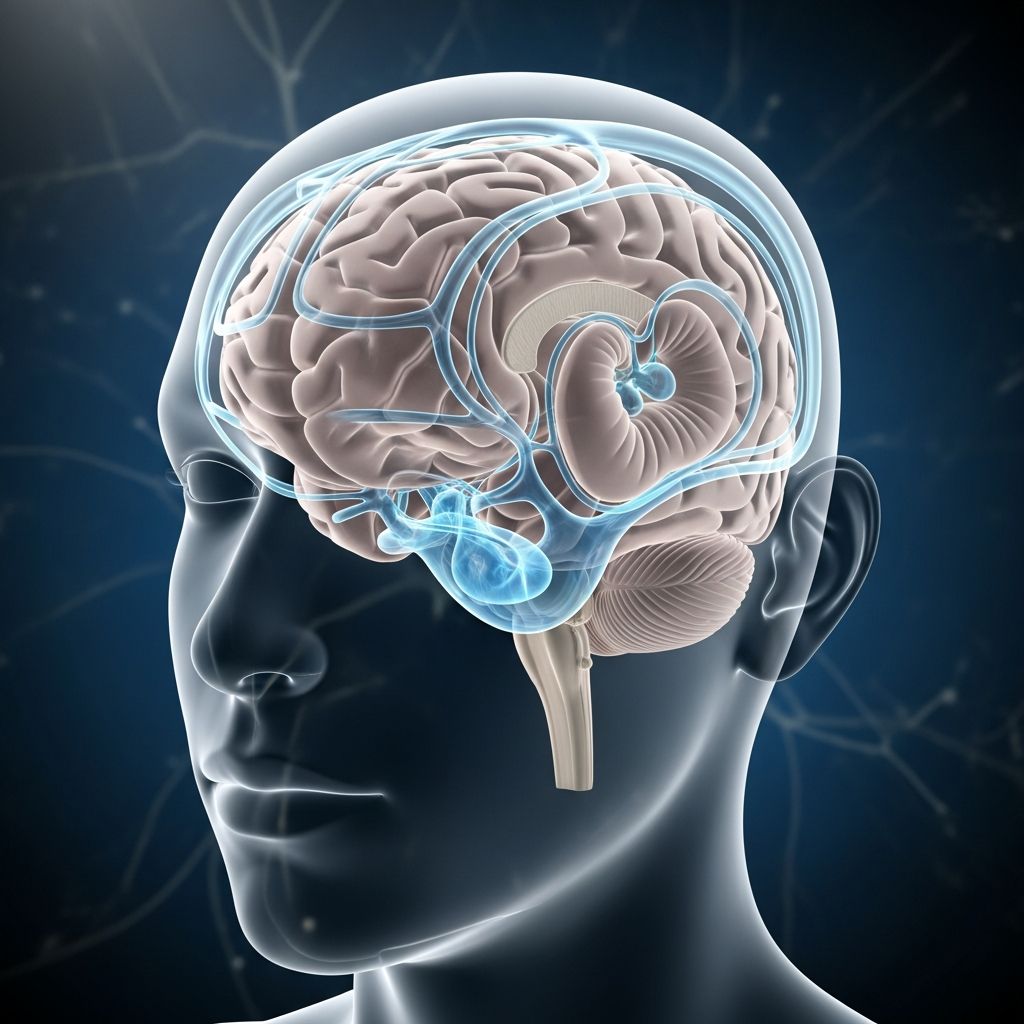
What Is Hydrocephalus?
Hydrocephalus is a serious medical condition characterized by the excessive accumulation of cerebrospinal fluid (CSF) within cavities of your brain called ventricles. This clear, colorless fluid normally flows through your brain and spinal cord, providing cushioning and protection. However, when CSF builds up instead of being reabsorbed into your body, it causes your ventricles to widen, putting harmful pressure on the tissues of your brain. The increased pressure can interfere with normal brain function and cause a range of neurological symptoms. While there is currently no cure for hydrocephalus, the condition can be effectively treated through surgical intervention.
Who Can Develop Hydrocephalus?
Contrary to common misconceptions, hydrocephalus is not limited to newborns. The condition, often referred to as “water on the brain,” can develop in people of any age—from infants to elderly adults. Hydrocephalus in newborns and children is typically congenital, present from birth, but acquired hydrocephalus can occur at any point in life due to various triggering events.
Types of Hydrocephalus
Hydrocephalus is classified into several categories based on its cause and onset:
- Congenital Hydrocephalus: Present from birth, often due to genetic or developmental factors
- Acquired Hydrocephalus: Develops after birth due to head injuries, tumors, infections, or stroke
- Normal Pressure Hydrocephalus (NPH): A progressive condition that develops slowly over time, most common in adults over 65
- Obstructive Hydrocephalus: Occurs when fluid flow is blocked within the ventricular system
Causes of Hydrocephalus
Several factors can trigger the development of hydrocephalus. Understanding these causes is essential for prompt diagnosis and treatment. Common causes include head injuries from accidents or trauma, which can disrupt normal fluid dynamics. Brain or spinal cord tumors can block the natural flow of cerebrospinal fluid, causing accumulation. Stroke can damage brain tissue and interfere with fluid absorption. Infections like meningitis can cause inflammation that affects fluid circulation. Additionally, developmental abnormalities present at birth, genetic conditions, and complications from previous brain surgery can all lead to hydrocephalus.
Symptoms of Hydrocephalus
The symptoms of hydrocephalus vary depending on the age of the patient and the progression of the condition. In infants and children, signs may include an unusually large head, bulging fontanels (soft spot on the baby’s head), vomiting, poor feeding, and developmental delays. In older children and adults, symptoms may manifest differently.
Common symptoms in older individuals include:
- Persistent headaches
- Nausea and vomiting
- Fatigue and excessive tiredness
- Balance problems and difficulty walking (gait disturbances)
- Memory loss and forgetfulness
- Cognitive decline and mild dementia
- Vision problems and eye movement difficulties
- Incontinence and bladder control issues
The severity and combination of symptoms depend on how quickly the fluid accumulates and how much pressure develops within the skull. Rapid accumulation typically produces more severe symptoms, while gradual buildup in conditions like normal pressure hydrocephalus may cause subtle symptoms that are often mistaken for signs of normal aging.
How Is Hydrocephalus Diagnosed?
Accurate diagnosis of hydrocephalus requires a comprehensive evaluation by experienced healthcare providers. The diagnostic process typically begins with a detailed patient history and physical examination.
Initial Assessment
During your first appointment, your healthcare provider will ask detailed questions about your symptoms, medical history, and whether you have experienced any head injuries, accidents, or previous neurological events. They will also inquire about any tests you may have already undergone. This comprehensive history provides crucial context for understanding your condition.
Physical and Neurological Examination
Your provider will conduct thorough physical and neurological exams to assess your motor function, sensory responses, reflexes, and overall neurological status. These examinations help establish a baseline and identify specific neurological deficits that may indicate hydrocephalus.
Related Stories



Imaging Tests
Several imaging studies are essential for diagnosing hydrocephalus and identifying its underlying cause:
- CT (Computed Tomography) Scan: Provides detailed cross-sectional images of the brain, clearly showing enlarged ventricles and fluid accumulation
- MRI (Magnetic Resonance Imaging): Offers high-resolution images of brain tissue and fluid distribution, helping to identify specific causes and assess the extent of ventricular enlargement
- Ultrasound: Particularly useful in infants, as ultrasound can penetrate the fontanels before they close
Additional Diagnostic Procedures
Beyond standard imaging, your healthcare team may employ additional tests to confirm the diagnosis and measure pressure levels. Intracranial pressure (ICP) monitoring measures the pressure inside your skull to determine if fluid accumulation is causing harmful pressure on brain tissue. A fundoscopic exam allows your provider to examine the optic nerve at the back of your eye, as increased intracranial pressure can cause visible changes to the optic disc. For normal pressure hydrocephalus specifically, a lumbar puncture (spinal tap) or extended lumbar drain may be performed to remove a small amount of CSF and observe whether symptoms temporarily improve, which can help confirm the diagnosis.
Treatment Options for Hydrocephalus
Currently, brain surgery is the only effective treatment for hydrocephalus. While this may sound daunting, modern neurosurgical techniques offer excellent outcomes with experienced surgical teams. There are two primary surgical approaches used to treat hydrocephalus.
Shunt Placement Surgery
Shunt placement is the most common surgical treatment for hydrocephalus. During this procedure, your surgical team implants a flexible tube called a shunt into your brain to redirect excess cerebrospinal fluid away from the brain and ventricles. The shunt system consists of three main components: a ventricular catheter (placed inside the fluid-filled ventricles), a valve that regulates fluid flow and pressure, and a distal catheter that carries the fluid to another area of your body where it can be safely absorbed.
In most cases, the distal catheter drains fluid into the peritoneal cavity (abdominal cavity), where the peritoneum—a membrane that surrounds abdominal organs—absorbs the fluid. This is called a ventriculoperitoneal (VP) shunt and is the most commonly used approach. Alternatively, the catheter may drain into the chest cavity, where the pleural membrane surrounding the lungs absorbs the fluid, or in some cases into the right atrium of the heart.
The shunt system works continuously to maintain proper fluid balance and reduce intracranial pressure, thereby alleviating symptoms and preventing further brain damage.
Endoscopic Third Ventriculostomy (ETV)
An alternative surgical approach for certain cases is endoscopic third ventriculostomy. In this procedure, your surgical team uses an endoscope—a thin, lighted tube with a video camera on the end—to create a small opening in the floor of the third ventricle. This opening allows cerebrospinal fluid to bypass the obstruction and flow naturally around the brain and spinal cord, thereby relieving pressure and reducing swelling.
The advantages of ETV include the fact that it does not damage any nerves and restores more natural fluid circulation patterns. This approach is particularly useful when hydrocephalus is caused by an obstruction blocking normal fluid flow. The procedure typically takes one to two hours, and patients often experience significant symptom relief following successful ventriculostomy.
Recovery and Outlook After Hydrocephalus Treatment
Following hydrocephalus surgery, you can expect a recovery period during which your brain adjusts to normal fluid dynamics. Most patients require hospitalization for a few days following shunt placement or ventriculostomy. Physical and cognitive recovery varies depending on the severity of symptoms before surgery and the duration of elevated intracranial pressure.
Many patients experience significant improvement in symptoms following successful treatment. Headaches often resolve, cognitive function may improve, and balance and walking typically normalize. However, any permanent brain damage that occurred before treatment may not completely reverse. Despite this, successful hydrocephalus treatment almost always results in substantially improved quality of life and prevents further neurological deterioration.
Why Specialized Care Matters
Diagnosing and treating hydrocephalus requires the expertise of a multidisciplinary team of specialized providers working closely together. This collaborative approach ensures comprehensive evaluation and optimal treatment outcomes. Your care team may include neurosurgeons specializing in brain surgery, neurologists expert in brain conditions, pediatric specialists (if treating a child), neuroradiologists interpreting imaging studies, and nurses with expertise in neurological care. When these specialists work together, they can provide patient-centered care that addresses your specific needs and goals throughout the diagnostic and treatment process.
Frequently Asked Questions About Hydrocephalus
Q: Is hydrocephalus only a condition that affects babies?
A: No. While hydrocephalus is often associated with newborns, it can develop in people of any age. Adults can develop acquired hydrocephalus following head injuries, strokes, infections, or tumors. Normal pressure hydrocephalus typically affects adults over 65.
Q: Can hydrocephalus be cured?
A: Currently, there is no cure for hydrocephalus, but it can be effectively treated through surgical intervention. Treatment options include shunt placement and endoscopic third ventriculostomy, both of which manage the condition and relieve symptoms.
Q: What is the difference between a shunt and ventriculostomy?
A: A shunt is an artificial tube system that diverts excess cerebrospinal fluid to another body cavity where it can be absorbed. Ventriculostomy creates a natural opening in the brain to allow fluid to flow freely without an artificial device. The choice depends on the specific cause of hydrocephalus and individual patient factors.
Q: How long does hydrocephalus surgery take?
A: Shunt placement typically takes one to two hours, with most patients requiring a hospital stay of two to three days. Ventriculostomy also typically takes one to two hours. Recovery times vary based on individual factors and the extent of symptoms before surgery.
Q: What are the risks of hydrocephalus surgery?
A: While all surgery carries some risk, serious complications from hydrocephalus surgery are relatively uncommon when performed by experienced neurosurgeons. Potential risks include infection, bleeding, and shunt malfunction. Your surgeon will discuss specific risks and benefits during your consultation.
Q: Will my symptoms completely go away after treatment?
A: Many patients experience significant improvement in symptoms following successful hydrocephalus treatment. However, any permanent brain damage that occurred before treatment may persist. Overall, successful treatment results in substantially improved quality of life and prevents further neurological decline.
References
- Hydrocephalus: What It Is, Causes, Symptoms, Diagnosis & Treatment — Cleveland Clinic. 2024. https://my.clevelandclinic.org/health/diseases/17334-hydrocephalus
- Hydrocephalus – Symptoms and Causes — Mayo Clinic. 2024. https://www.mayoclinic.org/diseases-conditions/hydrocephalus/symptoms-causes/syc-20373604
- Normal Pressure Hydrocephalus (NPH): Symptoms & Treatment — Cleveland Clinic. 2024. https://my.clevelandclinic.org/health/diseases/15849-normal-pressure-hydrocephalus-nph
- Ventriculostomy: What It Is, Purpose, Procedure & Risks — Cleveland Clinic. 2024. https://my.clevelandclinic.org/health/procedures/ventriculostomy
- Get Hydrocephalus Treatment — Cleveland Clinic. 2024. https://my.clevelandclinic.org/services/hydrocephalus-treatment
- Normal Pressure Hydrocephalus (NPH) – Cleveland Clinic London — Cleveland Clinic London. 2024. https://clevelandcliniclondon.uk/clinical-institutes/neurosciences/normal-pressure-hydrocephalus
Similar Articles








Read full bio of medha deb