Hydrocephalus: Symptoms, Causes, Diagnosis, and Treatment
Understand hydrocephalus: from fluid buildup in the brain to life-saving treatments and long-term management strategies.
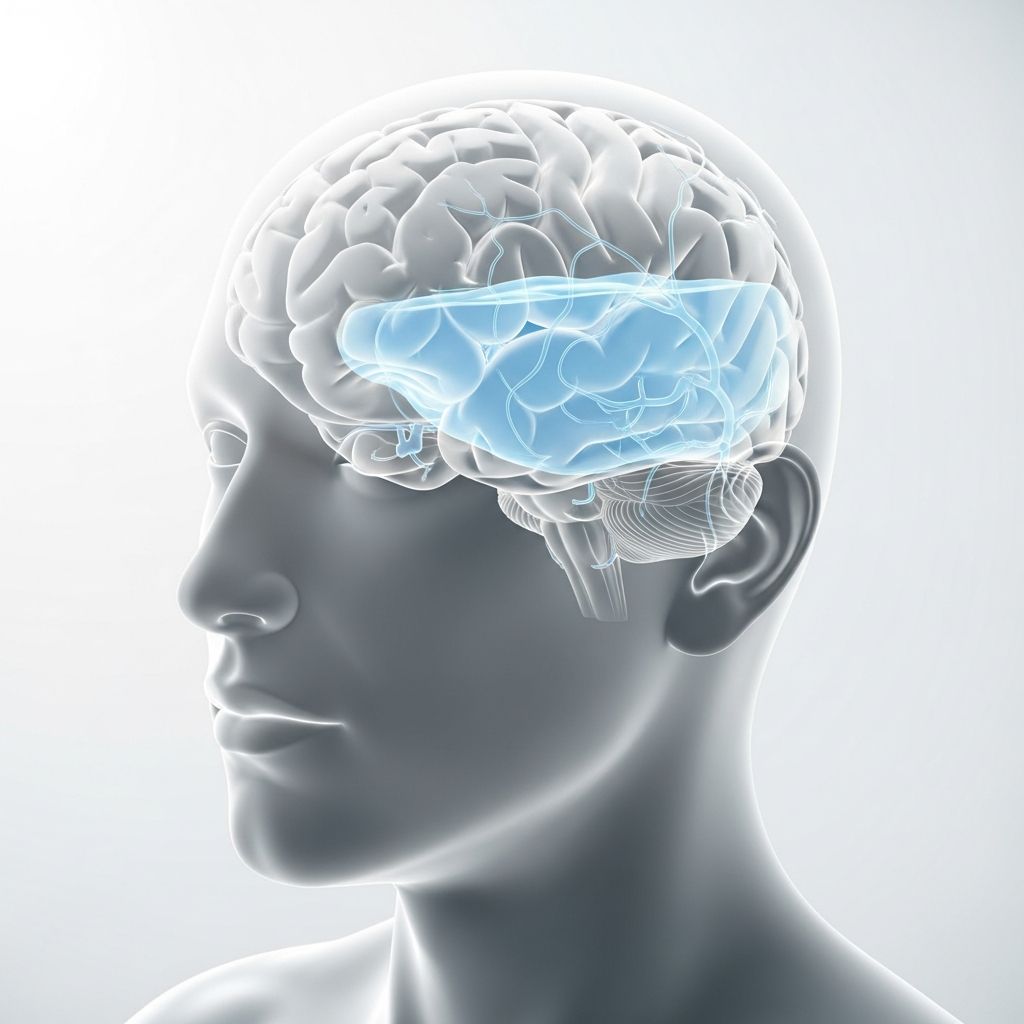
Hydrocephalus is a neurological condition characterized by the abnormal accumulation of cerebrospinal fluid (CSF) in the brain’s ventricles, leading to increased pressure that can impair brain function.
What Is Hydrocephalus?
Hydrocephalus, often referred to as “water on the brain,” involves an excess buildup of CSF within the brain’s hollow cavities known as ventricles. This fluid normally cushions the brain, delivers nutrients, removes waste, and maintains pressure balance. When production exceeds absorption or flow is obstructed, ventricles enlarge, pressing on brain tissues and potentially causing developmental delays, cognitive issues, or physical impairments.
The condition affects people of all ages but is most common in infants and adults over 60. In infants, it often manifests as rapid head enlargement due to unfused skull bones; in older individuals, it may present subtly without significant pressure elevation, as in normal pressure hydrocephalus (NPH).
Symptoms of Hydrocephalus
Symptoms vary significantly by age and hydrocephalus type, reflecting the brain regions affected by pressure.
Symptoms in Infants
Infants under one year exhibit telltale signs due to their soft skull:
- Rapid increase in head circumference
- Bulging fontanelle (soft spot)
- Prominent scalp veins
- Sunset eyes (downward gaze)
- Irritability, poor feeding, vomiting, and lethargy
- Seizures or muscle tone issues
These result from ventricular expansion stretching the skull.
Symptoms in Older Children
As skull bones fuse, pressure manifests differently:
- Persistent headaches
- Nausea and vomiting
- Balance and coordination problems
- Developmental delays in milestones like walking or talking
- Vision disturbances
Untreated, it leads to cognitive decline.
Symptoms in Adults
Adult symptoms, particularly NPH in those over 60, include the classic triad:
- Gait instability (magnetic walk)
- Urinary incontinence
- Dementia-like cognitive changes (memory loss, mood swings)
Headaches, vision issues, and balance problems also occur.
Causes of Hydrocephalus
Hydrocephalus arises from disruptions in CSF dynamics: overproduction (rare), poor absorption, or blockage.
Congenital Hydrocephalus
Present at birth, often due to:
- Spina bifida
- Aqueductal stenosis (narrowed CSF pathway)
- Brain malformations (Dandy-Walker, Chiari)
- Intrauterine infections or prematurity complications
These block CSF flow from production sites.
Acquired Hydrocephalus
Develops postnatally from:
- Brain tumors or intraventricular hemorrhage
- Meningitis or other CNS infections
- Head trauma
- Stroke-related bleeding
Inflammation or injury impairs absorption.
Normal Pressure Hydrocephalus (NPH)
Common in seniors, linked to prior brain injury, hemorrhage, or idiopathic causes. Ventricles enlarge with minimal pressure rise, possibly from altered CSF resorption.
Types of Hydrocephalus
Classification aids targeted treatment:
- Obstructive (Non-communicating): Blockage within ventricles or pathways (e.g., aqueductal stenosis).
- Communicating: Normal flow but poor absorption (e.g., post-infection).
- Normal Pressure (NPH): Enlarged ventricles in elderly with low pressure.
- Compensated/Arrested: Stabilized ventricles without progression, requiring monitoring.
Related Stories



How Is Hydrocephalus Diagnosed?
Diagnosis combines clinical evaluation and imaging:
- Neurological Exam: Assesses head size, eye movements, gait, cognition.
- Ultrasound (Infants): Measures ventricular size via fontanelle.
- CT/MRI Scans: Visualize ventricle dilation, blockages, tumors.
- Lumbar Puncture: Tests CSF pressure/response in NPH suspects.
Early detection is critical to prevent irreversible damage.
Treatment for Hydrocephalus
Surgery is primary; medications manage symptoms temporarily.
Shunt Placement
The gold standard: A flexible tube diverts excess CSF to the abdomen (VP shunt) or heart (VA shunt), with a valve regulating flow. Success rates are high, but 40-50% require revisions due to malfunction, infection, or growth.
Endoscopic Third Ventriculostomy (ETV)
For obstructive cases, creates a new CSF pathway bypassing blockage. Shunt-free option for select patients.
Temporary Measures
Lumbar drains or serial taps relieve acute pressure.
| Treatment | Best For | Pros | Cons |
|---|---|---|---|
| Shunt | All types | Effective long-term drainage | Infection risk, revisions needed |
| ETV | Obstructive | No hardware, lower infection | Not for all; failure rate ~30% |
| Lumbar Drain | Acute/NPH trial | Temporary relief | Invasive, short-term |
Living With Hydrocephalus
Post-treatment, patients need lifelong monitoring:
- Regular imaging/shunt checks
- Prompt infection/headache reporting
- Therapies for developmental/cognitive delays
- Lifestyle: Avoid contact sports, manage comorbidities
Many lead normal lives; prognosis improves with early intervention.
Complications and Prognosis
Untreated: Brain damage, vision loss, death. Treated: 80%+ good outcomes in infants if prompt. Adults with NPH improve post-shunt in 60-80%. Risks include shunt failure (common in growing children), infections (5-10%).
Frequently Asked Questions (FAQs)
What causes hydrocephalus in babies?
Mainly congenital issues like spina bifida, aqueductal stenosis, or prematurity complications leading to CSF blockage.
Can hydrocephalus be cured?
Not cured but managed effectively with shunts or ETV, preventing progression and symptoms.
Is hydrocephalus fatal?
Potentially if untreated; timely surgery yields excellent survival and quality of life.
How is normal pressure hydrocephalus different?
Occurs in elderly with gait/incontinence/dementia triad, low pressure, often idiopathic.
Can adults develop hydrocephalus suddenly?
Yes, from tumors, bleeds, or infections.
References
- Hydrocephalus — Rady Children’s Health. Accessed 2026. https://www.rchsd.org/health-article/hydrocephalus/
- Hydrocephalus — Baylor Scott & White Health. Accessed 2026. https://www.bswhealth.com/conditions/hydrocephalus
- Hydrocephalus — Nemours KidsHealth. Accessed 2026. https://kidshealth.org/en/parents/hydrocephalus.html
- What is Hydrocephalus? Symptoms, Causes, and Treatments — Hydrocephalus Association. Accessed 2026. https://www.hydroassoc.org/about-hydrocephalus/
- Hydrocephalus — Florida Department of Health (.gov). Accessed 2026. https://www.floridahealth.gov/diseases-and-conditions/disease/hydrocephalus/
- Hydrocephalus – Symptoms and causes — Mayo Clinic. 2023-10-20. https://www.mayoclinic.org/diseases-conditions/hydrocephalus/symptoms-causes/syc-20373604
Similar Articles








Read full bio of Sneha Tete