Hydrocolloid Patches: Your Guide to Treating Acne
Learn how hydrocolloid patches work, their benefits, and effectiveness for treating acne blemishes.
Understanding Hydrocolloid Patches: What Are They?
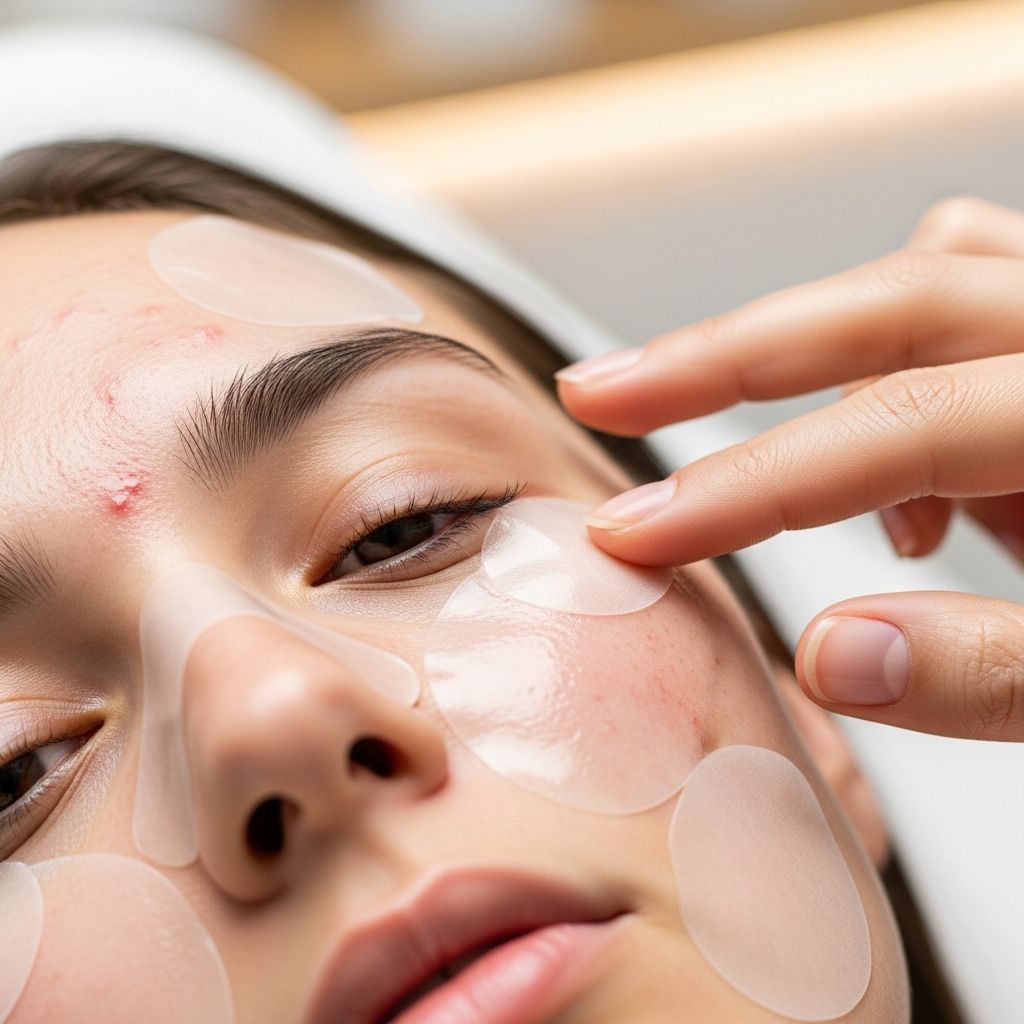
Hydrocolloid patches have become increasingly popular as a non-invasive acne treatment option. These small, adhesive dressings are specifically designed to target open pimples and superficial acne lesions. A hydrocolloid is a polymer—a substance that forms a gel when mixed with water—that creates a moist healing environment on the skin. Originally developed for general wound care, including treating leg ulcers and pressure sores, healthcare professionals discovered their effectiveness for acne treatment in recent years.
The patches come in various shapes and sizes to accommodate different types of blemishes and skin concerns. Unlike traditional acne treatments that focus solely on killing bacteria, hydrocolloid patches take a different approach by creating optimal conditions for the skin to heal itself.
The Composition and Construction of Hydrocolloid Patches
Understanding what goes into hydrocolloid patches helps explain why they work so effectively for acne. These patches consist of multiple layers, each serving a specific purpose in the healing process.
The outer layer of a hydrocolloid patch is typically made from polyurethane film, which provides protection against bacteria and potential infection. This protective barrier prevents external contaminants from reaching the affected area while allowing the patch to remain flexible and comfortable to wear.
The inner layer contains the hydrocolloid material itself, which possesses unique absorptive properties. This layer can absorb fluid that leaks from a pimple, such as pus or discharge, drawing it away from the skin surface. The moisture from the hydrocolloid gel simultaneously promotes healing and protects your skin from infection, making it a dual-action treatment.
Some advanced formulations include additional compounds, such as gelatin and cortex extracts, which provide antibacterial properties that further enhance the healing process. Medical-grade patches with added ingredients like benzoyl peroxide are also available, though research on their additional benefits is still limited.
How Do Hydrocolloid Patches Work?
The mechanism of action behind hydrocolloid patches is relatively straightforward yet highly effective. When applied to an open pimple, the patch creates a moist, protective environment that supports the skin’s natural healing process. This is fundamentally different from the dry, exposed conditions that typically characterize untreated acne.
Here’s how the process works:
- Moisture absorption: The hydrocolloid gel draws moisture and exudate from the pimple, reducing swelling and promoting faster healing. The absorbed fluid reacts with the gel-like substance, often creating a visible white bubble on the patch surface.
- Barrier protection: By covering the pimple, the patch prevents you from picking or popping it, which can cause additional skin damage and scarring.
- Moist wound healing: The patch maintains a hydrated environment, which is scientifically proven to accelerate the healing process compared to exposing the blemish to air.
- Immune activation: The hydrophilic and colloidal properties of hydrocolloid dressings activate immune cells such as granulocytes and monocytes, supporting the body’s natural defense mechanisms.
Effectiveness: What Does Research Show?
Scientific research has provided encouraging evidence regarding the effectiveness of hydrocolloid patches for acne treatment. In a comparative study, researchers tested hydrocolloid pimple patches against surgical tape on individuals with mild to moderate acne. Participants changed their patches every two days for one week, and the results clearly demonstrated the superiority of hydrocolloid patches.
The hydrocolloid patches proved better at:
- Reducing overall acne severity
- Filtering out more ultraviolet (UV) radiation, which helps prevent skin cancer and melanoma
- Controlling redness, oiliness, dark pigmentation, and sebum production on days 3, 5, and 7 of treatment
- Providing superior absorption compared to other commercial non-hydrocolloid acne patches
Related Stories



Additional research examining hydrocolloid patches made with gelatin and cortex extracts showed that these formulations helped heal skin cells more quickly due to their antibacterial properties. A study cited by Medical News Today found that participants using hydrocolloid dressings experienced a statistically significant larger reduction in inflammation and acne severity, along with considerable improvements in oiliness and pigmentation around the affected area.
However, it’s important to note that while promising, there is still limited published research directly examining the benefits of hydrocolloid patches specifically for acne vulgaris. Most evidence comes from their established effectiveness in general wound healing, with research on acne applications still developing. Despite this, early findings consistently support their use for inflammatory acne and open lesions.
Best Types of Acne for Hydrocolloid Patches
Hydrocolloid patches work most effectively on specific types of acne characterized by fluid-filled blemishes. Understanding which acne types respond best to this treatment helps you determine if patches are right for your skin.
Hydrocolloid patches work well for:
- Papules: Small, red bumps that are tender to touch
- Pustules: Papules with visible pus at the center—these are ideal candidates for hydrocolloid patches
- Open pimples: Any pimple with visible fluid or discharge responds well to hydrocolloid treatment
- Superficial acne lesions: Minor skin troubles and surface-level blemishes heal effectively with these patches
Limitations: What Hydrocolloid Patches Cannot Treat
While hydrocolloid patches offer significant benefits for certain types of acne, it’s crucial to understand their limitations. These patches are not a universal solution for all acne-related skin concerns.
Hydrocolloid patches are ineffective for:
- Cystic acne: Painful, pus-filled cysts that sit deep beneath the skin do not respond to hydrocolloid patches.
- Blackheads and whiteheads: Patches cannot treat comedonal acne caused by clogged pores.
- Closed comedones: Blemishes without visible fluid or openings are not suitable for hydrocolloid treatment.
- Acne prevention: These patches treat existing blemishes but cannot prevent future acne flare-ups.
For these types of acne, alternative treatments such as topical retinoids, salicylic acid, or professional dermatological procedures may be more appropriate. Consulting with a dermatologist can help you determine the best treatment approach for your specific acne type.
Who Should Avoid Hydrocolloid Patches?
Although hydrocolloid patches are generally safe and well-tolerated, certain individuals should exercise caution or avoid them altogether.
Sensitive skin: If you have particularly sensitive or reactive skin, hydrocolloid patches may cause irritation or dryness at the affected area. The adhesive used in these patches can trigger reactions in some people, so it’s wise to perform a patch test first or consult with a dermatologist before widespread use.
Hypersensitivity to dressing materials: Some individuals may experience allergic reactions to the materials used in hydrocolloid patches. If you notice any signs of an allergic reaction—such as increased redness, swelling, or itching beyond the original blemish—discontinue use immediately.
Risk of anaerobic infections: Individuals prone to anaerobic infections should use hydrocolloid dressings with caution, as the sealed environment created by the patch may create favorable conditions for certain types of bacterial growth.
Proper Application and Usage Guidelines
For optimal results, proper application of hydrocolloid patches is essential. Following these guidelines will maximize the patches’ effectiveness and minimize potential adverse effects.
- Start with clean skin: Wash your face with a gentle cleanser and pat dry completely before application
- Apply to open pimples only: Ensure the pimple is open and has visible fluid before applying the patch
- Avoid other products: Do not apply serums, moisturizers, or other skincare products directly under the patch, as they can reduce adhesion
- Replace regularly: Change your patch every 6-8 hours or as recommended by the manufacturer, or when it turns white or becomes saturated
- Leave them alone: Resist the urge to pick, touch, or peel at the patch, as this can compromise its effectiveness and damage the healing skin
- Duration of treatment: Depending on the pimple’s severity, you may need to use patches for several days until the blemish resolves
The patches work best when you commit to leaving them undisturbed. Just as with any wound, pimples heal fastest when left alone and not picked or popped.
Combining Hydrocolloid Patches with Other Treatments
While hydrocolloid patches are effective standalone treatments, many dermatologists recommend incorporating them into a comprehensive skincare routine. You can use patches alongside other acne treatments for enhanced results, though care should be taken to avoid over-treating the affected area.
Consider pairing hydrocolloid patches with:
- Gentle facial cleansers designed for acne-prone skin
- Non-irritating moisturizers that won’t clog pores
- Sunscreen with at least SPF 30 (particularly important since patches provide UV protection)
- Targeted acne treatments applied to surrounding skin, not under the patch
Frequently Asked Questions
Q: Why do hydrocolloid patches turn white?
A: The white appearance is the hydrocolloid material reacting with the fluid (pus and discharge) absorbed from your pimple. This is a sign that the patch is working and absorbing exudate from the blemish. Once the patch becomes saturated and turns white, it’s time to replace it with a fresh one.
Q: Can hydrocolloid patches make acne worse?
A: Hydrocolloid patches are designed to help heal blemishes and should not worsen your acne. However, if you have very sensitive skin, the adhesive could potentially cause irritation in some cases. If you notice increased irritation or worsening conditions, discontinue use and consult a dermatologist.
Q: How long does it take for hydrocolloid patches to work?
A: Many people notice visible improvement within 6-8 hours of application, with more significant results appearing over 2-3 days of consistent use. However, the timeline varies depending on the pimple’s severity and your individual skin healing capacity.
Q: Can I use hydrocolloid patches with makeup?
A: It’s best to avoid applying makeup directly over the patch, as this can reduce adhesion and effectiveness. However, you can apply makeup to surrounding skin. Some people prefer using patches at night to avoid this concern.
Q: Are hydrocolloid patches safe to use long-term?
A: Hydrocolloid patches are safe for regular use on open pimples. However, they’re most effective as a targeted treatment for active blemishes rather than a preventive measure. For persistent acne, consider consulting a dermatologist about comprehensive treatment options.
Q: Do all hydrocolloid patches work the same way?
A: While the core mechanism is similar, different brands and formulations may have varying levels of effectiveness. Some include additional active ingredients like benzoyl peroxide or plant extracts that may enhance results. Experimentation with different products can help you find the best option for your skin.
Key Takeaways
Hydrocolloid patches represent a scientifically-supported, non-invasive approach to treating certain types of acne. By creating a moist, protected healing environment, these patches absorb fluid from open pimples while preventing further damage from picking or popping. They’re particularly effective for papules and pustules—small red bumps and pimples with visible pus—among people with mild to moderate acne.
However, they’re not a universal solution. Those with cystic acne, blackheads, or closed comedones will need alternative treatments. Similarly, individuals with very sensitive skin should exercise caution. Despite their limitations, hydrocolloid patches offer a convenient, affordable, and evidence-based option for managing active acne blemishes as part of a comprehensive skincare routine.
References
- Hydrocolloid Patches for Pimples: What to Know — WebMD. 2025. https://www.webmd.com/skin-problems-and-treatments/acne/what-are-hydrocolloid-patches-for-pimples
- How Hydrocolloid Bandages Heal Acne & Minor Wounds — Band-Aid. 2025. https://www.band-aid.com/first-aid-info/first-aid-basics/how-do-hydrocolloid-bandages-work
- Are Pimple Patches Really a Quick Fix for Acne? — University Hospitals. 2025. https://www.uhhospitals.org/blog/articles/2025/09/are-pimple-patches-really-a-quick-fix-for-acne
- Narrative Review of the Use of Hydrocolloids in Dermatology — National Institutes of Health. 2025. https://pmc.ncbi.nlm.nih.gov/articles/PMC11856799/
- Hydrocolloid dressings, bandages, and patches — Medical News Today. 2025. https://www.medicalnewstoday.com/articles/hydrocolloid
- What Is in Hydrocolloid Bandages, and How Are They Used? — Healthline. 2025. https://www.healthline.com/health/what-is-in-hydrocolloid-bandages
Similar Articles








Read full bio of Sneha Tete