Hydrocortisone Foam Enema: Practical Guide For Relief
Comprehensive guide to using hydrocortisone acetate foam enema for managing rectal inflammation and ulcerative proctitis effectively.
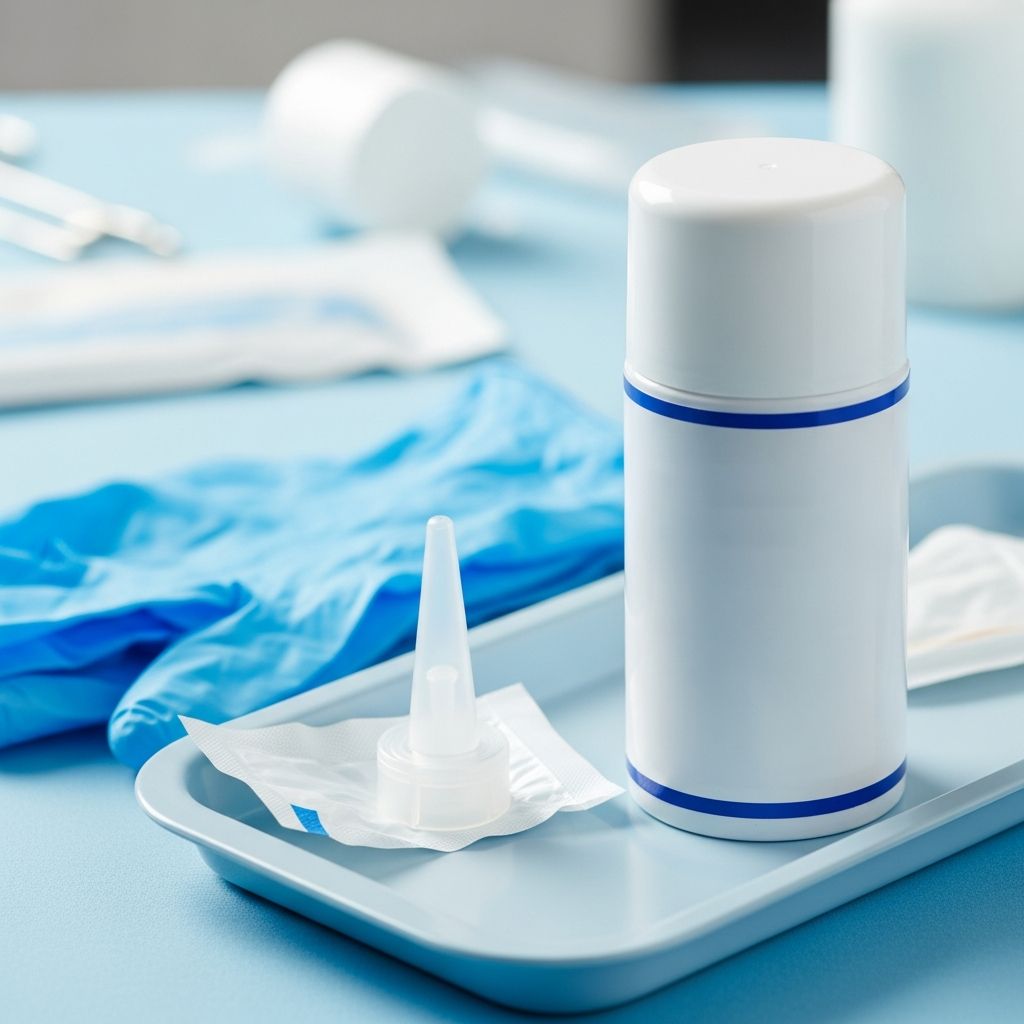
Hydrocortisone acetate foam enema serves as an adjunctive treatment for inflammatory conditions affecting the lower rectum, particularly ulcerative proctitis. This topical corticosteroid delivery method allows direct application to the affected area, minimizing systemic exposure compared to oral steroids.
Understanding the Medication and Its Core Purpose
Hydrocortisone acetate is a synthetic corticosteroid that mimics the body’s natural anti-inflammatory hormones. In foam enema form, it is formulated at a 10% concentration, with each application delivering about 900 mg of foam containing 80 mg of hydrocortisone equivalent. The foam spreads effectively up to 10 cm into the rectum, providing localized relief from swelling, pain, and irritation.
Primarily indicated for patients who struggle to retain liquid enemas, this foam adheres well to mucosal surfaces, enhancing therapeutic contact time. It reduces the production of inflammatory chemicals in the rectal lining, alleviating symptoms like urgency, bleeding, and discomfort associated with distal ulcerative proctitis.
Conditions Treated with Rectal Hydrocortisone Foam
- Ulcerative Proctitis: Inflammation limited to the rectum’s distal portion, often causing rectal bleeding, mucus discharge, and tenesmus.
- Proctitis: General rectal inflammation from various causes, including infections or inflammatory bowel disease.
- Adjunctive Therapy: Used alongside oral or systemic treatments for better symptom control in mild to moderate cases.
While not a cure, it promotes mucosal healing and symptom remission, typically showing improvement within 5-7 days of consistent use.
Step-by-Step Administration Guidelines
Proper technique ensures optimal efficacy and comfort. Always shake the aerosol canister well before use and follow these steps:
- Assume a left-side lying position with knees drawn up to the chest for easy access.
- Remove the cap from the rectal applicator and attach it securely to the canister nozzle.
- Fill the applicator by inverting the canister and pressing to dispense foam until full (avoid overfilling to prevent blockage).
- Gently insert the applicator tip about 5-7 cm into the rectum, aiming toward the navel.
- Push the canister plunger to release the foam slowly, then withdraw the applicator.
- Remain on your side for at least 30 minutes, ideally retaining the foam overnight for maximum absorption.
Use once daily, preferably at bedtime, for 2-3 weeks or as prescribed. Clean the applicator thoroughly after each use with warm water to prevent foam buildup.
Dosage Recommendations and Treatment Duration
| Condition | Typical Dosage | Duration |
|---|---|---|
| Ulcerative Proctitis | 1 applicator (80 mg hydrocortisone) nightly | 2-3 weeks, then every other day if needed |
| Proctitis | 1-2 applications daily | Up to 6 weeks in severe cases |
| Maintenance | Every other day | Until symptoms resolve |
Symptoms often improve in 5-7 days, but full mucosal healing may take 2-3 months. Do not abruptly stop; taper under medical supervision to avoid rebound inflammation.
Potential Benefits Over Other Forms
Foam enemas offer advantages for retention-challenged patients:
- Less messy and easier to retain than liquid enemas.
- Lower systemic absorption reduces risks like adrenal suppression seen with oral steroids.
- Quick onset: Relief in about a week for most users.
- Fewer gastrointestinal side effects compared to systemic corticosteroids.
Related Stories



Common and Serious Side Effects
Most side effects are mild and localized, improving as the body adjusts.
Local Reactions
- Rectal burning, itching, or pain at application site.
- Bruising or discomfort post-administration.
- Foam residue or minor bleeding.
Systemic Effects (Rare with Topical Use)
Prolonged use may lead to:
- Endocrine: Adrenal insufficiency, cushingoid features, glucose intolerance.
- Cardiovascular: Fluid retention, hypertension, edema.
- Musculoskeletal: Muscle weakness, osteoporosis, fractures.
- Ophthalmic: Cataracts, glaucoma, blurred vision.
- Neurologic: Mood changes, insomnia, headaches.
Seek immediate care for severe symptoms like vision changes, irregular heartbeat, or significant mood alterations.
Key Precautions and Contraindications
Not suitable for everyone. Avoid if:
- Allergic to hydrocortisone or excipients (e.g., parabens, propellants).
- Recent rectal surgery, abscess, or perforation.
- Systemic fungal infections or tuberculosis.
- Pregnant or breastfeeding without physician approval.
Use cautiously in patients with heart failure, hypertension, diabetes, osteoporosis, or myasthenia gravis. Monitor for sodium retention and potassium loss.
Special Populations
- Pediatrics: Safety not established; growth suppression risk.
- Elderly: Higher osteoporosis and infection susceptibility.
- Pregnancy: Category C; use only if benefits outweigh risks.
Drug Interactions to Watch For
Hydrocortisone may interact with:
| Drug Class | Interaction | Advice |
|---|---|---|
| NSAIDs | Increased GI bleed risk | Monitor closely |
| Anticoagulants | Altered clotting | Adjust doses |
| Diabetes meds | Reduced efficacy | Blood sugar checks |
| Vaccines (live) | Diminished response | Avoid during therapy |
Inform your doctor of all medications.
Storage and Handling Tips
Store at room temperature (15-30°C), away from heat or open flame due to propellants. Do not puncture or incinerate the canister. Keep upright and out of children’s reach. Discard after expiration or if foam discolors.
When to Contact Your Healthcare Provider
- No improvement after 1-2 weeks.
- Worsening symptoms like severe bleeding or fever.
- Signs of infection or allergic reaction (rash, swelling).
- Unexpected systemic symptoms (weight gain, moon face).
- Difficulty retaining foam or applicator issues.
Lifestyle Tips to Enhance Treatment
Complement therapy with:
- A high-fiber diet to soften stools and reduce straining.
- Hydration and probiotics for gut health.
- Avoiding irritants like caffeine, alcohol, and spicy foods.
- Regular follow-up sigmoidoscopy to assess progress.
- Stress management techniques, as flares can be psychosomatic.
Frequently Asked Questions (FAQs)
Can hydrocortisone foam treat hemorrhoids?
It is not FDA-approved for hemorrhoids; suppositories are preferred. Consult your provider for appropriate options.
How long before I see results?
Symptoms often ease in 5-7 days, but continue as prescribed for full benefit.
Is it safe for long-term use?
Limited to short courses (2-3 weeks initially); long-term risks systemic effects. Taper gradually.
What if I can’t retain the foam?
Lie on your side longer and apply at bedtime. If persistent, discuss alternatives with your doctor.
Does it cause dependency?
No, but abrupt cessation can cause rebound; follow tapering instructions.
Monitoring and Follow-Up Care
Regular check-ups are vital. Your provider may order blood tests for electrolyte balance, blood sugar, and bone density if extended use is needed. Sigmoidoscopy confirms healing before discontinuation.
References
- Cortifoam® (hydrocortisone acetate 10%) Prescribing Information — U.S. Food and Drug Administration. 2024. https://www.accessdata.fda.gov/drugsatfda_docs/label/2024/017351s041lbl.pdf
- Hydrocortisone Enema (Cortenema): Uses, Tips, Dosage & More — GoodRx Health. Accessed 2026. https://www.goodrx.com/hydrocortisone-enema/what-is
- Cortifoam (hydrocortisone): Uses, Side Effects, Dosage & Reviews — GoodRx Health. Accessed 2026. https://www.goodrx.com/cortifoam/what-is
- Hydrocortisone Rectal: MedlinePlus Drug Information — U.S. National Library of Medicine. Accessed 2026. https://medlineplus.gov/druginfo/meds/a617001.html
- Hydrocortisone Rectal Enema — Cleveland Clinic. Accessed 2026. https://my.clevelandclinic.org/health/drugs/18997-hydrocortisone-rectal-enema
Similar Articles








Read full bio of medha deb